Hemiparesis: An Evidence-Based Guide for Patients
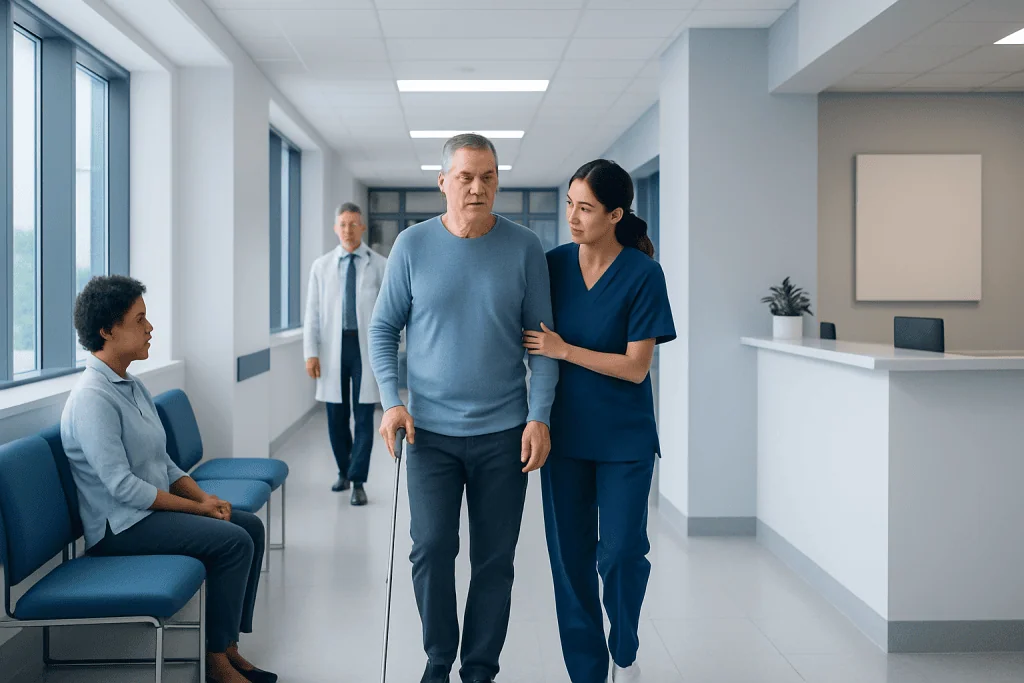
Hemiparesis is weakness affecting one side of the body, commonly the arm, leg, or face. Stroke is a common cause, but hemiparesis can also result from brain injury, tumors, infections, multiple sclerosis, or other neurological conditions.
Key Takeaways
- Hemiparesis is weakness affecting one side of the body, commonly the arm, leg, or face.
- Stroke is a common cause, but hemiparesis can also result from brain injury, tumors, infections, multiple sclerosis, or other neurological conditions.
- Diagnosis focuses on finding the underlying cause through a neurological exam and tests such as brain imaging.
- Treatment may include urgent care for the cause, medicines when appropriate, and rehabilitation such as physical and occupational therapy.
- Recovery varies widely and depends on the cause, how quickly treatment begins, and the person’s overall health.
- Sudden hemiparesis is a medical emergency and should be assessed immediately.
Hemiparesis means weakness on one side of the body. It is not a disease itself, but a sign of an underlying problem—often involving the brain, spinal cord, or nerves—and early evaluation can help identify the cause and guide treatment and rehabilitation.
Overview
Hemiparesis is weakness on one side of the body. It may affect the face, arm, hand, leg, or all of these on the same side. Some people notice mild clumsiness or a heavy feeling, while others have more obvious difficulty walking, lifting an arm, gripping objects, or speaking clearly if facial muscles are involved.
Hemiparesis is different from hemiplegia. Hemiparesis means partial weakness, whereas hemiplegia means complete or near-complete paralysis on one side. The distinction matters because the severity can affect daily function, treatment choices, and expected recovery.
Rather than being a diagnosis on its own, hemiparesis is a clinical sign. It usually points to a problem in the brain or nervous system pathways that control movement. Because these pathways cross over, a problem on one side of the brain often causes weakness on the opposite side of the body.
Sudden hemiparesis needs urgent medical attention, especially if it appears with facial drooping, speech difficulty, severe headache, confusion, or vision changes. In many cases, especially after stroke, early treatment can limit damage and improve the chance of recovery.
Symptoms and how hemiparesis may feel
The main symptom of hemiparesis is reduced strength on one side of the body. A person may drag one foot, trip more often, have trouble lifting the arm, or notice that one hand is less coordinated. Everyday tasks such as buttoning clothes, writing, carrying objects, climbing stairs, or getting out of a chair may become harder.
Weakness is not always the only symptom. Depending on the cause and the area of the nervous system involved, there may also be numbness, tingling, stiffness, muscle spasms, poor balance, altered reflexes, or fatigue. Some people experience shoulder pain or changes in posture because they compensate for weakness over time.
Facial weakness can lead to drooling, an uneven smile, or difficulty closing one eye tightly. If the muscles involved in speech or swallowing are affected, there may be slurred speech, choking with food or liquids, or a feeling that the tongue is not moving normally. These symptoms deserve prompt assessment.
Symptoms may begin suddenly, gradually, or in episodes. Sudden onset is particularly concerning for stroke or bleeding in the brain. Gradual progression over days to months may suggest another neurological condition, such as a tumor, inflammation, infection, or multiple sclerosis.
Causes and risk factors

Hemiparesis happens when the brain, spinal cord, or nerve pathways that control movement are disrupted. The most common cause in adults is stroke, either from a blocked blood vessel or bleeding in the brain. However, there are many possible causes, and the timing of symptoms often gives important clues.
Other causes include traumatic brain injury, brain tumors, infections affecting the brain or spinal cord, cerebral palsy, multiple sclerosis, migraine with neurological symptoms, seizures followed by temporary weakness, and certain metabolic or inflammatory disorders. In some cases, pressure on the spinal cord or less commonly disorders affecting nerves or muscles can contribute to one-sided weakness.
Risk factors depend on the underlying cause. For stroke, important risk factors include high blood pressure, diabetes, high cholesterol, smoking, atrial fibrillation, obesity, and older age. For traumatic causes, falls and road traffic injuries are relevant. For inflammatory or autoimmune conditions, a person’s medical history and family history may play a role.
Not all one-sided weakness is true hemiparesis. Pain, joint disease, severe fatigue, and functional neurological symptoms can sometimes mimic it. That is why a careful medical assessment is needed rather than assuming the cause based on symptoms alone.
How doctors diagnose hemiparesis
Diagnosis begins with a detailed history and neurological examination. Doctors ask when the weakness started, whether it came on suddenly or gradually, and whether there are associated symptoms such as facial drooping, headache, seizures, vision changes, numbness, fever, or confusion. They also assess strength, reflexes, sensation, balance, coordination, speech, and walking.
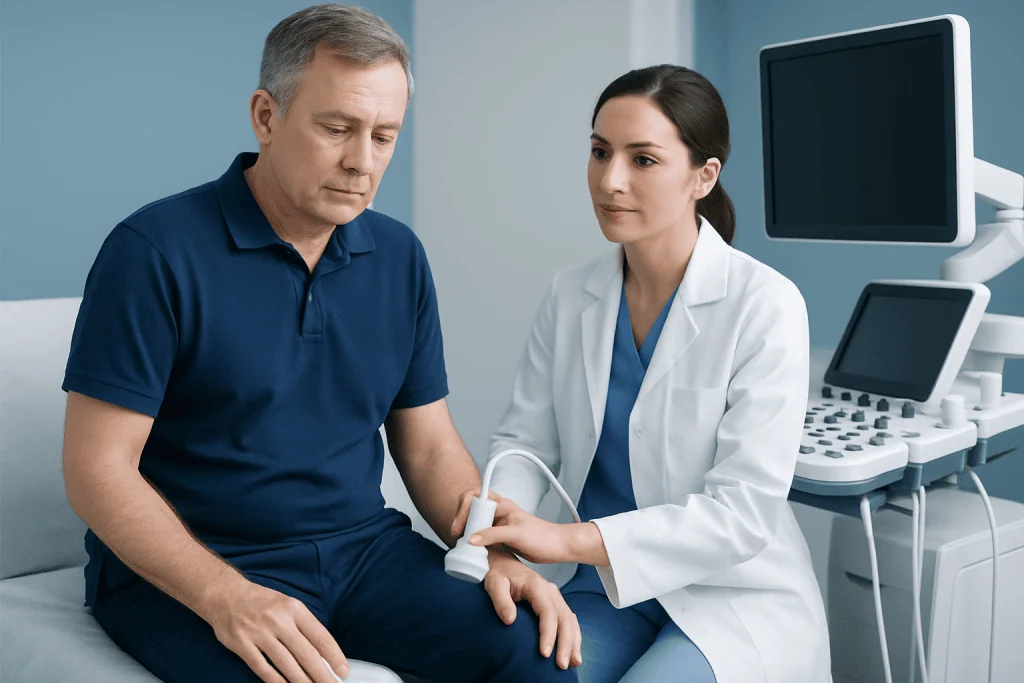
Imaging tests are often central to diagnosis. A brain CT scan may be used urgently to look for bleeding or other acute problems. MRI can provide more detailed information about the brain and spinal cord and may help identify stroke, inflammation, tumors, demyelination, or other structural causes. Blood tests may also be done to look for infection, inflammation, metabolic problems, or risk factors such as abnormal glucose levels.
Additional tests depend on the suspected cause. A doctor may request vascular imaging, heart rhythm evaluation, echocardiography, lumbar puncture, or nerve and muscle studies. If symptoms suggest acute stroke, rapid assessment is especially important because time-sensitive treatments may be possible.
In some people, diagnosis also involves a rehabilitation assessment. Physical and occupational therapists evaluate mobility, arm and hand function, balance, swallowing, and the ability to manage daily activities safely at home and at work.
Treatment options and rehabilitation
Treatment for hemiparesis has two goals: treating the underlying cause and improving function. If hemiparesis is due to stroke, urgent stroke treatment may be needed. If it is caused by infection, inflammation, seizure, or a mass pressing on the brain or spinal cord, treatment is directed at that problem. Because the causes vary widely, treatment should be individualized by a qualified medical team.
Rehabilitation is a major part of care for many patients. Physical therapy and rehabilitation can help improve strength, walking, balance, and endurance. Occupational therapy focuses on practical tasks such as dressing, eating, bathing, handwriting, and safe use of the affected hand or arm. Speech and swallowing therapy may be recommended if facial, language, or swallowing problems are present.
Doctors may also recommend assistive devices, braces, mobility aids, stretching programs, and treatment for muscle stiffness or pain. In selected cases, treatment plans may involve stroke rehabilitation or neurology care to coordinate diagnosis, medicines, and longer-term recovery planning. Home exercises are often an important part of progress, but they should be guided by professionals to avoid injury and build the right movement patterns.
Recovery can continue over weeks, months, and sometimes longer. Some people regain near-normal function, while others have lasting weakness and need ongoing support. Progress depends on the cause, the area of the nervous system affected, how quickly treatment began, and how consistently rehabilitation is carried out.
Living with hemiparesis: self-care and prevention
Self-care focuses on safety, independence, and reducing complications. People with hemiparesis may benefit from fall-prevention steps at home, such as removing loose rugs, improving lighting, using handrails, and arranging commonly used items within easy reach. Good footwear and properly fitted mobility aids can also make movement safer.
Regular exercise within a rehabilitation plan can help preserve strength, flexibility, and cardiovascular health. It is also important to protect the weaker shoulder, wrist, and ankle from strain. Caregivers may need guidance on safe transfers and positioning to prevent pain or injury.
Prevention mainly means reducing the risk of the underlying cause recurring or worsening. For many adults, that includes controlling blood pressure, managing diabetes and cholesterol, stopping smoking, limiting alcohol, staying physically active, and taking prescribed medicines consistently. Follow-up care matters because treatment plans may need adjustment over time.
Emotional wellbeing should not be overlooked. Changes in mobility and independence can affect mood, confidence, and relationships. Support from family, rehabilitation teams, and counseling services may help people adapt and stay engaged in daily life and recovery.
When to seek medical care
Immediate medical care is needed if hemiparesis starts suddenly or is accompanied by facial drooping, speech difficulty, severe headache, dizziness, confusion, vision loss, or trouble walking. These can be signs of stroke or another urgent neurological problem. It is safest to call emergency services rather than waiting to see if symptoms pass.
Prompt medical review is also important if weakness develops over days or weeks, returns repeatedly, or is associated with seizures, fever, severe pain, swallowing difficulty, or significant numbness. A doctor can determine whether imaging or specialist evaluation is needed.
Even when symptoms seem mild, persistent one-sided weakness should not be ignored. Early assessment can help identify treatable causes and start rehabilitation sooner. For international patients who need coordinated evaluation, Acibadem International’s multidisciplinary specialists in JCI-accredited hospitals diagnose and treat neurological conditions including hemiparesis-related disorders.
After diagnosis, follow-up is important if symptoms worsen, mobility becomes less safe, or new problems arise such as falls, pressure injuries, increasing stiffness, or mood changes. Ongoing care can help maintain function and quality of life.
Frequently asked questions
Is hemiparesis the same as a stroke?
No. Hemiparesis is a symptom, not a diagnosis. Stroke is one common cause of hemiparesis, but one-sided weakness can also result from brain injury, multiple sclerosis, infections, tumors, seizures, or other neurological conditions.
Can hemiparesis go away?
Sometimes it can improve significantly, and in some cases it may resolve completely. Recovery depends on the cause, how severe the weakness is, how quickly treatment starts, and whether rehabilitation is continued over time.
What is the difference between hemiparesis and hemiplegia?
Hemiparesis means weakness on one side of the body, while hemiplegia means paralysis or near-complete loss of movement on one side. Hemiparesis is generally less severe, but both conditions require medical evaluation and often rehabilitation.
Is sudden hemiparesis an emergency?
Yes. Sudden one-sided weakness should be treated as a medical emergency, especially if it comes with facial drooping, speech problems, confusion, or vision changes. These symptoms may indicate stroke and need urgent assessment.
How is hemiparesis treated at home?
Home care usually supports a doctor-led treatment plan rather than replacing it. Common measures include prescribed exercises, fall prevention, using mobility aids correctly, protecting the weaker limbs, and taking medicines as directed.
Can children have hemiparesis?
Yes. Children can develop hemiparesis due to conditions such as cerebral palsy, stroke, brain injury, infection, or other neurological disorders. Evaluation by pediatric and neurological specialists helps clarify the cause and plan treatment.
References
- World Health Organization
- National Institute of Neurological Disorders and Stroke
- American Stroke Association
- Centers for Disease Control and Prevention
- National Health Service
This article is for general information only and is not a substitute for professional medical advice. Please consult a qualified doctor about your individual situation.
Joint and spine care in Turkey — expert assessment & treatment
JCI-accredited · board-certified surgeons · reply within 24h
Add us as a Preferred Source to see more of our trusted health content across Google Search, AI Overviews and Discover.
Check your numbers in seconds
BMI, calories, due date, blood pressure and 30+ more clinical calculators — free, instant, doctor-reviewed ranges.

More from the Health Library

Acanthocytes: An Evidence-Based Guide for Patients

Fodmap: An Evidence-Based Guide for Patients

Anthocyanins — Explained by Medical Evidence, Not Myths

Ringworm Armpit — Explained by Medical Evidence, Not Myths

Stomach Low — Explained by Medical Evidence, Not Myths