Anoxic Brain Injury — Explained by Medical Evidence, Not Myths

Anoxic brain injury means the brain had a complete interruption of oxygen supply. Common causes include cardiac arrest, drowning, choking, severe low blood pressure, and poisoning that blocks oxygen use.
Key Takeaways
- Anoxic brain injury means the brain had a complete interruption of oxygen supply.
- Common causes include cardiac arrest, drowning, choking, severe low blood pressure, and poisoning that blocks oxygen use.
- Symptoms can range from confusion and memory problems to coma, seizures, and movement difficulties.
- Diagnosis relies on the medical history, neurological examination, brain imaging, and sometimes EEG and blood tests.
- Treatment focuses on emergency stabilization, preventing further brain injury, and rehabilitation tailored to the person’s needs.
- Early medical care and structured follow-up can make a meaningful difference in recovery.
Anoxic brain injury is brain damage that happens when the brain receives no oxygen for a period of time. It is a medical emergency, and outcomes depend on how long oxygen was absent, how quickly circulation and breathing were restored, and what areas of the brain were affected.
Overview: what anoxic brain injury means
Anoxic brain injury is damage to brain tissue caused by a complete lack of oxygen. Brain cells need a continuous oxygen supply to produce energy, maintain normal signaling, and stay alive. When oxygen stops entirely, even for a short time, brain cells can begin to malfunction and then die, leading to problems with thinking, movement, speech, behavior, or consciousness.
This condition is closely related to hypoxic brain injury, but the terms are not identical. In general, anoxic means no oxygen reaches the brain, while hypoxic means oxygen is reduced but not fully absent. In everyday clinical use, doctors may also use the broader term brain damage or describe the event as hypoxic-ischemic injury when low oxygen happens together with poor blood flow.
The effects of anoxic brain injury vary widely. Some people recover with mild cognitive or emotional changes, while others develop severe disability or remain unconscious for a prolonged period. The most important factors are how long the oxygen interruption lasted, the underlying cause, the person’s overall health, and how quickly emergency treatment started.
Symptoms and possible long-term effects
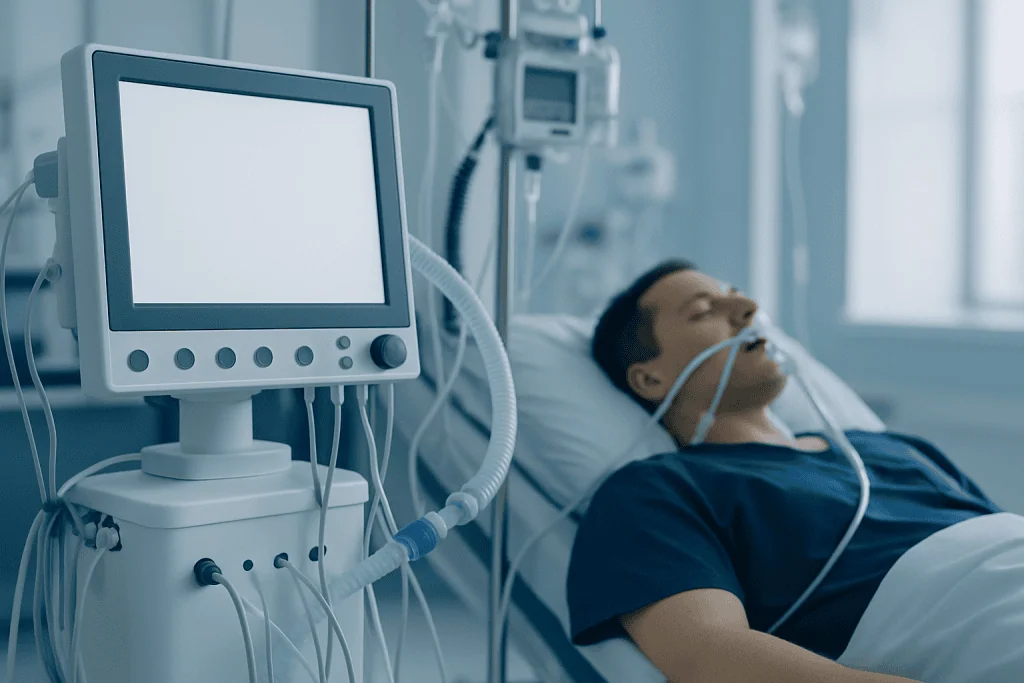
Symptoms of anoxic brain injury depend on the severity of the oxygen loss and the part of the brain affected. In the early phase, a person may lose consciousness, appear confused, have trouble responding, or experience abnormal breathing. More severe injury can cause coma, seizures, or marked weakness.
After the emergency phase, ongoing symptoms may become more noticeable. These can include memory loss, poor concentration, slower thinking, difficulty planning tasks, speech or language problems, irritability, mood changes, and fatigue. Some people notice balance problems, tremor, muscle stiffness, poor coordination, or changes in vision and swallowing.
Recovery is often uneven rather than linear. A person may improve physically before attention or memory returns, or speech may improve while emotional control remains difficult. Families sometimes find the hidden effects, such as personality change, impulsivity, or reduced mental stamina, harder to recognize than visible physical symptoms.
- Loss of consciousness or coma
- Confusion, agitation, or poor responsiveness
- Seizures
- Weakness, abnormal muscle tone, or coordination problems
- Memory, attention, and problem-solving difficulties
- Speech, swallowing, or behavioral changes
Causes and risk factors
Anoxic brain injury develops when the brain is deprived of oxygen completely. One of the most common causes is cardiac arrest, when the heart stops pumping enough blood to carry oxygen to the brain. Other causes include drowning, choking, suffocation, severe asthma attacks, smoke inhalation, strangulation, major trauma, and situations where blood pressure falls critically low for a prolonged time.
Some poisonings and toxic exposures can also prevent the body from delivering or using oxygen normally. Carbon monoxide poisoning is a well-known example because it reduces oxygen transport and can injure the brain even if a person is breathing. Drug overdose, especially with substances that slow breathing, may also lead to dangerous oxygen deprivation.
Risk factors are therefore linked to these events rather than to a single disease. People with heart disease, severe lung disease, epilepsy, substance use disorders, or swallowing disorders may face a higher risk in some situations. Safety factors matter too, including water safety, access to resuscitation, smoke detectors, and prompt treatment of medical emergencies.
Doctors may also distinguish anoxic injury from related neurological emergencies such as stroke, where the problem is usually loss of blood flow to part of the brain rather than a whole-brain oxygen interruption. The distinction helps guide testing, treatment, and expectations for recovery.
How doctors diagnose anoxic brain injury
Diagnosis begins with the story of what happened. Clinicians look at whether the person had cardiac arrest, choking, near-drowning, respiratory failure, poisoning, or another event that interrupted oxygen supply. They also consider how long the person may have been unconscious and how quickly breathing and circulation were restored.
A neurological examination helps assess consciousness, pupil reactions, movement, reflexes, and signs of brain dysfunction. Brain imaging is often used to look for swelling, patterns of injury, or other causes of symptoms. A CT scan may be done first in an emergency because it is quick, while MRI can show more detailed changes in brain tissue later on.
Additional tests may include blood work to identify metabolic problems or toxins, heart testing to evaluate the cause of collapse, and an electroencephalogram to detect seizures or measure brain activity. In complex cases, a person may be assessed by specialists in neurology, intensive care, cardiology, rehabilitation medicine, speech therapy, and neuropsychology.
Doctors usually avoid making early predictions based on a single test alone. Prognosis is more reliable when multiple findings are considered over time, including examination results, imaging, brain activity, and the person’s progress after stabilization.
Treatment options and supportive care
Treatment starts with emergency care to restore oxygen delivery and circulation as quickly as possible. This may involve cardiopulmonary resuscitation, airway support, oxygen, ventilation, treatment of the underlying cause, and intensive care monitoring. The immediate goal is not only survival but also limiting secondary brain injury caused by swelling, low blood pressure, fever, seizures, or unstable blood sugar.
Once the person is medically stable, treatment becomes more individualized. Doctors manage complications such as seizures, infections, swallowing problems, muscle stiffness, and agitation. In selected situations, critical care teams may use targeted temperature management after cardiac arrest to help protect the brain, following current clinical guidelines.
Rehabilitation is a central part of treatment. Depending on symptoms, this may include physical therapy for strength and balance, occupational therapy for daily activities, speech and language therapy for communication or swallowing, and cognitive rehabilitation for memory and attention. Some patients also benefit from structured behavioral support and counseling for anxiety, depression, or adjustment difficulties.
When rehabilitation needs are substantial, coordinated programs such as neurological rehabilitation can help patients work on mobility, cognition, self-care, and communication in a stepwise way. If muscle tightness, spasms, or movement difficulties are prominent, treatment planning may also involve a neurological assessment and, in selected cases, brain and nerve surgery services for associated conditions, though surgery is not a routine treatment for anoxic injury itself.
Recovery, rehabilitation, and daily life after injury
Recovery from anoxic brain injury can continue for months or longer, especially when rehabilitation starts early and remains consistent. Improvement is influenced by the depth and duration of the oxygen loss, age, general health, and access to ongoing therapy. Some people regain a high degree of independence, while others need long-term support with mobility, communication, or decision-making.
A practical approach often works best. Families may need to simplify routines, use written reminders, create a calm environment, and allow extra time for tasks. Fatigue is common, so pacing activities and building rest periods into the day can reduce frustration and improve function.
Emotional and behavioral changes are also part of brain recovery. Irritability, low mood, poor frustration tolerance, and reduced insight can occur even when physical recovery seems good. Follow-up with rehabilitation specialists, neurologists, and mental health professionals can help identify treatable issues and support both the patient and caregivers.
Near the end of the care pathway, some international patients choose centers that combine acute neurology, imaging, rehabilitation, and intensive care follow-up. Acibadem International’s multidisciplinary specialists and JCI-accredited hospitals diagnose and treat neurological conditions for international patients when this level of coordinated care is needed.
Prevention and self-care
Not every cause of anoxic brain injury can be prevented, but many risks can be reduced. Prevention starts with reducing the chance of sudden oxygen interruption: managing heart and lung conditions well, taking prescribed medicines correctly, and seeking urgent care for severe breathing trouble, chest pain, or unexplained collapse.
General safety measures are also important. Water safety, child supervision near pools, smoke alarms, carbon monoxide detectors, safe sleeping practices for infants, and rapid first aid for choking all help lower risk. Learning basic life support and CPR may be valuable for family members of people with known heart disease, seizure disorders, or other high-risk conditions.
For those recovering from anoxic brain injury, self-care means protecting the healing brain. Good sleep, hydration, balanced nutrition, medication adherence, and avoiding alcohol or sedating substances unless approved by a doctor can all support recovery. Patients should also discuss driving, work, exercise, and return to school with their clinical team, since readiness varies from person to person.
When to seek medical care
Anoxic brain injury is always an emergency when it is happening or suspected. Call emergency services immediately if a person is unresponsive, stops breathing normally, turns blue, has a near-drowning event, chokes and cannot breathe, has a suspected overdose, or collapses with possible cardiac arrest. Early resuscitation and rapid hospital care are critical.
Medical review is also important after the emergency has passed. A person who seems awake but has new confusion, memory problems, slurred speech, severe headache, unusual sleepiness, seizures, weakness, or difficulty swallowing should be assessed urgently. These symptoms can reflect ongoing brain injury or another serious neurological condition.
During recovery, follow-up should be arranged if there are mood changes, worsening function, repeated falls, poor nutrition, or caregiver concerns about safety at home. It is appropriate to ask for specialist input whenever rehabilitation progress is unclear or daily life remains significantly affected.
Frequently asked questions
Is anoxic brain injury the same as hypoxic brain injury?
Not exactly. Anoxic brain injury usually means there was a complete absence of oxygen to the brain, while hypoxic brain injury means oxygen was reduced but not entirely absent. In practice, doctors may use related terms together because both involve oxygen deprivation and can overlap with reduced blood flow.
Can someone recover from anoxic brain injury?
Yes, recovery is possible, but it varies greatly from person to person. Some people improve substantially, especially with rapid emergency care and rehabilitation, while others have lasting cognitive, physical, or behavioral changes. Recovery often continues over months and may not follow a straight line.
How long does the brain tolerate no oxygen?
The brain is highly sensitive to oxygen loss, so injury can begin within minutes. The exact effect depends on the person, the cause, body temperature, and whether any blood flow continued during the event. Because damage can happen quickly, every suspected case is treated as a medical emergency.
What tests are usually done after suspected anoxic brain injury?
Doctors commonly use a neurological examination, blood tests, and brain imaging such as CT or MRI. They may also perform an EEG to look for seizures or assess brain activity, along with heart and lung tests to identify the original cause. No single test gives the full picture, so results are interpreted together over time.
What are common long-term problems after anoxic brain injury?
Long-term effects can include memory and attention problems, slower thinking, fatigue, mood changes, speech difficulties, poor balance, and weakness. Some people also have reduced insight, irritability, or trouble returning to work or school. Ongoing rehabilitation and follow-up can help address many of these challenges.
When should family members worry during recovery?
Urgent medical advice is needed if there are seizures, worsening confusion, new weakness, repeated choking, severe sleepiness, breathing changes, or sudden decline in function. Families should also speak to the care team if behavior becomes unsafe or if caregiving needs become difficult to manage. Early review can help identify treatable complications.
References
- World Health Organization
- National Institute of Neurological Disorders and Stroke
- American Heart Association
- National Institute for Health and Care Excellence
- MedlinePlus
This article is for general information only and is not a substitute for professional medical advice. Please consult a qualified doctor about your individual situation.
Explore treatments in Turkey — costs, top hospitals & a free quote
JCI-accredited · board-certified surgeons · reply within 24h
Add us as a Preferred Source to see more of our trusted health content across Google Search, AI Overviews and Discover.
Check your numbers in seconds
BMI, calories, due date, blood pressure and 30+ more clinical calculators — free, instant, doctor-reviewed ranges.

More from the Health Library

Oily Hair: What Patients Need to Know

Letrozole: What Patients Need to Know

Salicylates — Explained by Medical Evidence, Not Myths

Stimming — Explained by Medical Evidence, Not Myths

Massage Therapist — Explained by Medical Evidence, Not Myths