Fructosamine Test: An Evidence-Based Guide for Patients

The fructosamine test reflects average blood sugar over about 2 to 3 weeks, not 2 to 3 months. It can be useful when HbA1c results may be misleading, such as with certain blood or red blood cell conditions.
Key Takeaways
- The fructosamine test reflects average blood sugar over about 2 to 3 weeks, not 2 to 3 months.
- It can be useful when HbA1c results may be misleading, such as with certain blood or red blood cell conditions.
- Results must be interpreted in context because protein levels and some medical conditions can affect the test.
- The test helps monitor trends and treatment response rather than diagnose every form of blood sugar problem on its own.
- A doctor may combine fructosamine with fasting glucose, home monitoring, or HbA1c for a fuller picture.
A fructosamine test is a blood test that estimates average blood sugar over the previous 2 to 3 weeks by measuring glycated proteins in the blood. It is often used when shorter-term glucose monitoring is needed or when HbA1c may not give a reliable picture.
Overview: what a fructosamine test is
A fructosamine test is a blood test that shows the average level of glucose in the bloodstream over the previous 2 to 3 weeks. It does this by measuring glycated proteins, mainly albumin, which form when glucose attaches to proteins in the blood. Because blood proteins turn over faster than red blood cells, this test reflects shorter-term glucose control than HbA1c.
For many people with diabetes, HbA1c remains the standard long-term monitoring test. However, the fructosamine test can be especially helpful when a clinician needs a quicker view of changing blood sugar patterns, such as after starting or adjusting treatment, during pregnancy, or when HbA1c may be less accurate.
This test is not usually used alone. It is best understood as one piece of the overall clinical picture, along with symptoms, self-monitored glucose readings, continuous glucose monitoring data, and other lab tests. Used thoughtfully, it can help guide safe, practical treatment decisions.
How it differs from HbA1c and other blood sugar tests
The main difference between a fructosamine test and HbA1c is the time frame. HbA1c reflects average blood sugar over roughly 2 to 3 months because it measures glucose attached to hemoglobin inside red blood cells. In contrast, the fructosamine test reflects the previous 2 to 3 weeks because it measures glucose attached to blood proteins.
This shorter window can be useful when changes in glucose control need to be assessed more quickly. For example, if a person has recently changed diet, medication, insulin dosing, or activity level, the fructosamine test may show improvement or worsening sooner than HbA1c.
Other blood sugar tests answer different questions. A fasting plasma glucose test gives a single time-point result after fasting. An oral glucose tolerance test shows how the body handles glucose over several hours. Finger-stick checks and continuous glucose monitoring show daily patterns. A fructosamine test fills a different role: it summarizes recent average control over a few weeks.
Some people undergo evaluation because of broader concerns about diabetes or unexplained fluctuations in glucose readings. In that setting, a clinician may combine fructosamine with HbA1c and direct glucose testing rather than relying on one test alone.
When doctors may recommend a fructosamine test

A doctor may recommend a fructosamine test when shorter-term monitoring is needed. This may happen after starting a new diabetes medication, changing insulin doses, recovering from illness, or making substantial lifestyle changes. Because the test reflects only the previous few weeks, it can provide faster feedback than waiting for the next HbA1c result.
The test can also be useful when HbA1c may be unreliable. Conditions that change red blood cell lifespan, such as hemolytic anemia, recent blood loss, blood transfusion, or some hemoglobin disorders, can make HbA1c harder to interpret. In these situations, fructosamine may offer a more practical estimate of recent glucose control.
Pregnancy is another example where short-term assessment can be valuable, since blood sugar goals may change quickly and careful monitoring is important. Clinicians may also use the test for people with unstable glucose patterns, or when there is a mismatch between home readings and HbA1c.
In some care plans, this blood test is considered alongside structured glucose checks or technology-based monitoring such as continuous glucose monitoring. The most suitable approach depends on the person’s medical history, symptoms, and treatment goals.
How the test is done and how to prepare
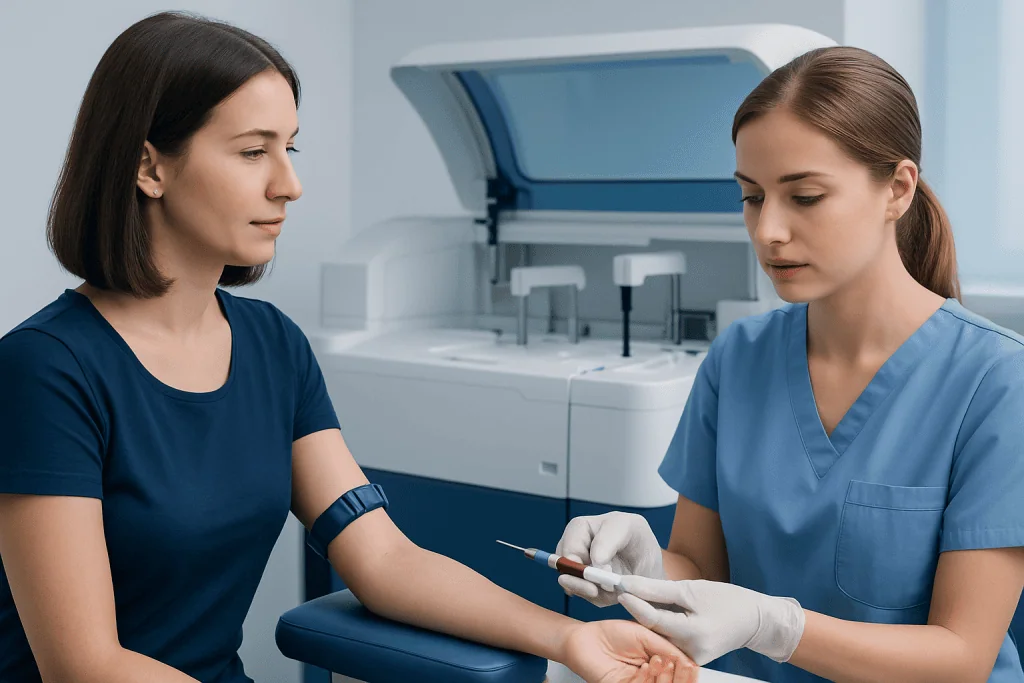
The fructosamine test is a simple blood draw, usually taken from a vein in the arm. In most cases, fasting is not required unless other blood tests are being done at the same time. The procedure is quick, and most people can return to normal activity immediately afterward.
Preparation is usually minimal, but it is helpful to tell the healthcare team about medications, supplements, and any recent illnesses. It is also important to mention conditions that affect protein levels, such as liver disease, kidney disease, nephrotic syndrome, thyroid disease, or severe malnutrition, because these may influence how the result is interpreted.
Results are generally reported as a laboratory value that must be read in context rather than as a simple pass-or-fail number. Different laboratories may use slightly different reference ranges. For that reason, patients should avoid comparing numbers between labs without medical guidance.
If there is concern about underlying endocrine conditions, a clinician may also look more broadly at diabetes and endocrinology issues, including hormones, metabolism, and factors that affect protein turnover or glucose handling.
Understanding the results and their limits
In general, a higher fructosamine result suggests higher average blood sugar over the prior 2 to 3 weeks, while a lower result suggests lower average blood sugar. The value is most useful when compared with previous results, home glucose logs, and current treatment changes. Trends over time are often more informative than one isolated number.
Like any lab test, fructosamine has limitations. Because it depends on blood proteins, conditions that lower or alter protein levels can affect the result. Low albumin, significant liver disease, kidney problems with protein loss, or disorders of protein metabolism may make the test less reliable. Some thyroid disorders can also influence interpretation.
The result also does not show glucose swings, episodes of low blood sugar, or daily variability. A person may have a similar average but very different day-to-day patterns. That is why clinicians often review the fructosamine test together with symptom history and direct glucose data.
When needed, further evaluation may include broader diabetes treatment planning, especially if recent results suggest that blood sugar targets are not being met or if symptoms and laboratory findings do not match.
What happens after the test: treatment and follow-up
The fructosamine test itself is not a treatment, but it can help guide care. If the result suggests blood sugar has been running high, a doctor may review diet, physical activity, medication adherence, insulin timing, or other factors such as stress and illness. If the result is lower than expected, they may also consider whether there have been episodes of low blood sugar.
Follow-up depends on the reason the test was ordered. Some people have repeat testing after a treatment change to see whether recent adjustments are helping. Others may return to HbA1c-based monitoring once the clinical question has been answered. The choice is individualized and depends on the person’s overall health and whether HbA1c is reliable for them.
Patients should not change medication doses on their own based only on one lab result. Safe glucose management requires medical interpretation, especially for people using insulin or medications that can cause hypoglycemia. Keeping a record of glucose readings, meals, exercise, and symptoms can make the follow-up visit more useful.
Near the end of a care pathway, some patients may be referred for specialist assessment if control remains difficult. Acibadem International’s multidisciplinary specialists in JCI-accredited hospitals diagnose and treat blood sugar disorders for international patients when further evaluation is needed.
When to seek medical care
A fructosamine test is usually arranged as part of planned care, but medical advice should be sought sooner if symptoms suggest that blood sugar is too high or too low. Concerning symptoms can include excessive thirst, frequent urination, unusual fatigue, blurred vision, shakiness, sweating, confusion, or faintness. These symptoms do not always mean diabetes, but they should be assessed promptly.
Urgent medical care is important if there are signs of a serious glucose problem, such as severe dehydration, vomiting, difficulty breathing, drowsiness, confusion, or loss of consciousness. Anyone who is pregnant and has high blood sugar readings or symptoms should contact a healthcare professional without delay.
It is also sensible to seek review if home glucose readings and lab results do not seem to match, or if blood sugar remains difficult to control despite following the treatment plan. A doctor can decide whether fructosamine, HbA1c, direct glucose testing, or specialist review is the best next step.
- Seek routine medical advice for persistent high or low readings, medication questions, or changing symptoms.
- Seek prompt assessment if symptoms are new, worsening, or interfering with daily life.
- Seek urgent care for severe symptoms such as confusion, dehydration, breathing difficulty, or loss of consciousness.
Frequently asked questions
What does a fructosamine test measure?
A fructosamine test measures glycated proteins in the blood, mainly albumin. This gives an estimate of average blood sugar over the previous 2 to 3 weeks.
Is the fructosamine test better than HbA1c?
It is not generally better, but it can be more useful in certain situations. HbA1c is better for long-term monitoring, while fructosamine is helpful for shorter-term changes or when HbA1c may be inaccurate.
Do patients need to fast before a fructosamine test?
Usually, fasting is not needed for a fructosamine test. However, a doctor may give different instructions if other blood tests are being done at the same time.
Can the fructosamine test diagnose diabetes?
It is not the most common test used to diagnose diabetes. Doctors usually rely on fasting glucose, HbA1c, or an oral glucose tolerance test for diagnosis, and may use fructosamine as an additional tool.
What can affect fructosamine test results?
Conditions that change blood protein levels can affect the result. Examples include low albumin, liver disease, kidney disease with protein loss, thyroid disorders, and severe malnutrition.
How often is a fructosamine test repeated?
The timing depends on why it was ordered. A doctor may repeat it after a treatment change or during periods when short-term monitoring is especially important.
References
- American Diabetes Association
- National Institute of Diabetes and Digestive and Kidney Diseases
- MedlinePlus
- Mayo Clinic
- The Endocrine Society
This article is for general information only and is not a substitute for professional medical advice. Please consult a qualified doctor about your individual situation.
Explore treatments in Turkey — costs, top hospitals & a free quote
JCI-accredited · board-certified surgeons · reply within 24h
Add us as a Preferred Source to see more of our trusted health content across Google Search, AI Overviews and Discover.

More from the Health Library

Oatmeal Bath for Babies: An Evidence-Based Guide for Patients

Hypertonia: A Complete Medical Overview

Conditioner Shampoo First: A Complete Medical Overview

My Ear Won’t Pop and I’ve Tried Everything: A Complete Medical Overview

Watchman Procedure — Explained by Medical Evidence, Not Myths