Functional Strength Training — Explained by Medical Evidence, Not Myths
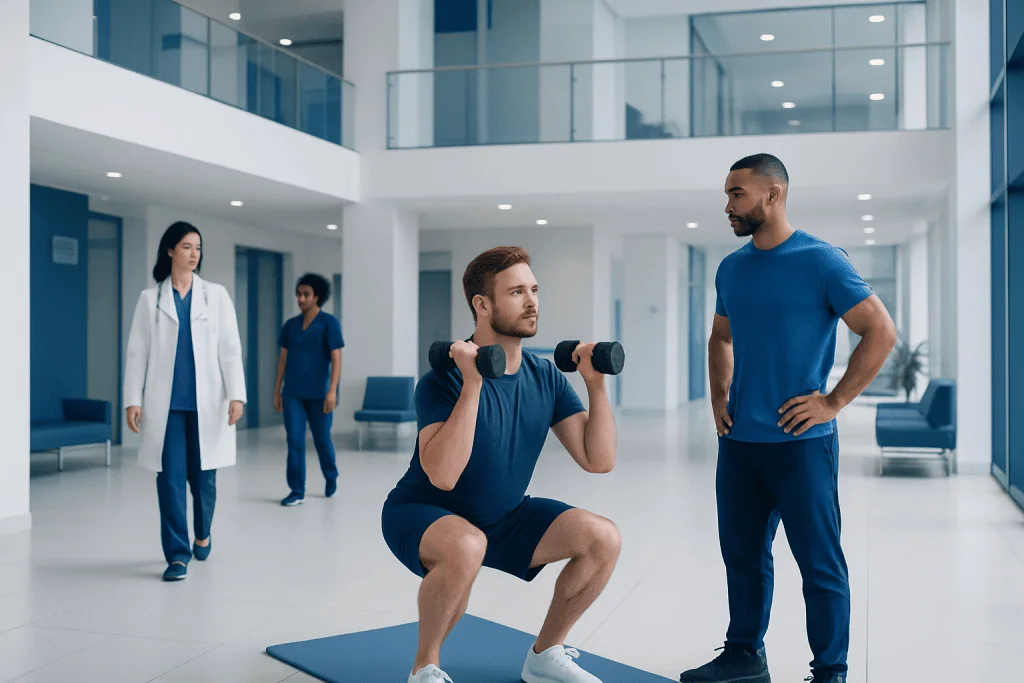
Functional strength training focuses on movement patterns used in daily life rather than isolating only one muscle at a time. It can support balance, joint control, mobility, and injury resilience when exercises are chosen and progressed appropriately.
Key Takeaways
- Functional strength training focuses on movement patterns used in daily life rather than isolating only one muscle at a time.
- It can support balance, joint control, mobility, and injury resilience when exercises are chosen and progressed appropriately.
- Good technique, gradual progression, and adequate recovery matter more than using heavy weights or complex equipment.
- People with pain, recent injury, heart symptoms, or chronic medical conditions should seek professional advice before starting or advancing a program.
- A well-designed plan can benefit younger adults, older adults, and many people in rehabilitation or return-to-activity programs.
Functional strength training is a style of exercise that builds strength for real-life movement, such as lifting, carrying, bending, reaching, and changing direction safely. Medical evidence suggests it can improve muscle strength, balance, mobility, and physical function when it is tailored to the person’s age, health, goals, and current fitness level.
Overview: what functional strength training really means
Functional strength training is exercise designed to improve how the body performs everyday tasks and physical activities. Instead of focusing only on making one muscle stronger in isolation, it trains coordinated movement patterns such as squatting, hinging, pushing, pulling, carrying, rotating, stepping, and stabilizing. The main goal is practical strength: being able to move with better control, efficiency, and confidence in daily life, work, sport, and healthy aging.
Medical and sports science literature generally supports this approach when it is used thoughtfully. Research suggests that programs combining resistance, balance, core control, and mobility work can improve physical function, especially in people who want to move better rather than simply increase muscle size. This does not mean traditional strength training is ineffective; in fact, both approaches often overlap. Functional strength training is best understood as a way of applying strength training to meaningful movement tasks.
A common myth is that functional training must involve unstable surfaces, very complex drills, or highly athletic movements. In reality, many evidence-based functional exercises are simple and grounded, such as sit-to-stand variations, step-ups, deadlift patterns, rowing movements, overhead reaching, and loaded carries. What makes an exercise “functional” is not how unusual it looks, but whether it safely supports the person’s real-life movement needs and goals.
How it differs from traditional strength training
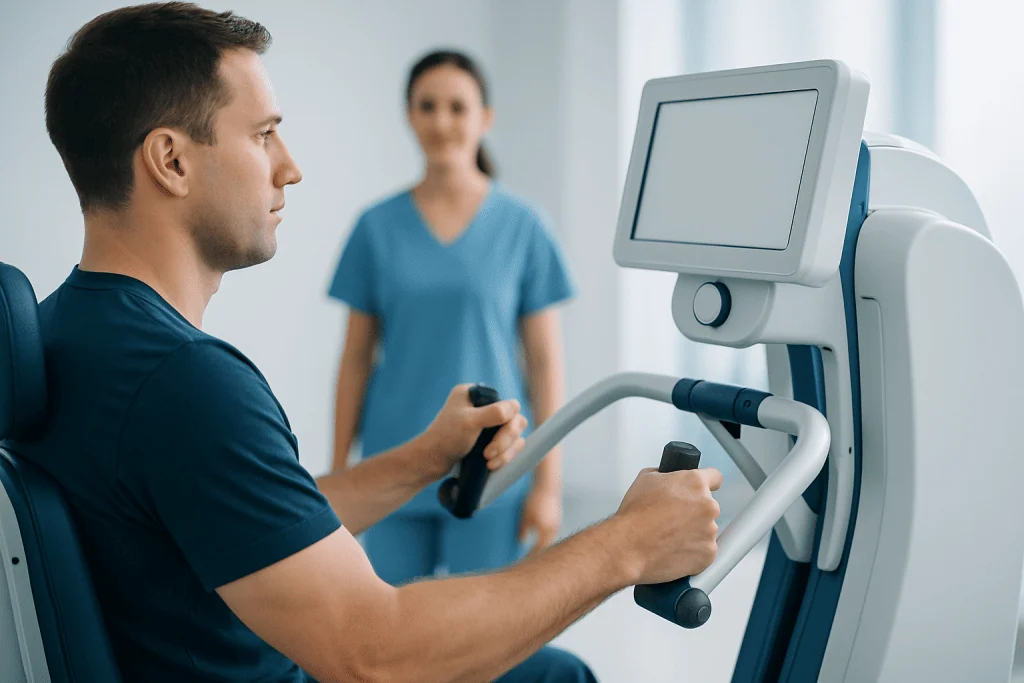
Traditional strength training often emphasizes progressive overload for specific muscles or lifts, such as chest press, leg press, or biceps curls. Functional strength training can include these exercises, but it usually gives more attention to how body segments work together. It commonly uses multi-joint movements, changes in body position, and tasks that challenge posture, balance, coordination, and force transfer through the trunk and limbs.
That distinction is useful, but it should not be overstated. There is no strict medical line between “functional” and “traditional” training. Many conventional exercises have clear functional value, and many functional programs rely on standard resistance principles such as consistency, proper load, and progressive difficulty. The most effective plan is often a blend, selected according to the person’s age, pain history, activity level, and goals.
For example, someone recovering from reduced mobility may need foundational work such as chair squats, supported lunges, and light pulling exercises. An athlete may need single-leg control, deceleration practice, and rotational strength. An older adult may benefit from strength training paired with balance and gait-related exercises to reduce fall risk and support independence. In each case, the program is guided by function, not by trends.
Evidence-based benefits and who may benefit most

Functional strength training may help improve several aspects of health and movement. Studies on resistance exercise, multicomponent exercise, and task-specific training show benefits for muscular strength, bone loading, balance, mobility, and physical performance. These changes can make daily tasks easier, such as climbing stairs, carrying groceries, getting up from a chair, or returning to recreational activities.
It may be especially helpful for older adults, people with sedentary lifestyles, and those rebuilding capacity after illness or inactivity. Carefully structured training can support posture, joint control, and confidence in movement. For some individuals, it may also contribute to better metabolic health, body composition, and long-term musculoskeletal resilience when combined with regular aerobic activity, sleep, and appropriate nutrition.
Functional strength training is also commonly used in rehabilitation and return-to-activity plans. For people with ongoing movement limitations, supervised physical therapy and rehabilitation can help identify weakness, stiffness, asymmetry, or poor movement habits that should be addressed before exercise intensity increases. People with long-standing back pain may also benefit from a medically guided approach related to back pain.
- Improved ability to perform daily activities
- Better lower-body strength and sit-to-stand performance
- Enhanced balance and fall-prevention capacity
- Greater trunk stability and movement confidence
- Support for healthy aging and independence
Core movement patterns and what a balanced program includes
An evidence-informed functional program usually begins with basic movement patterns. These include squat, hip hinge, lunge or step, push, pull, carry, rotation or anti-rotation, and gait-related movement. The exercises may use body weight, resistance bands, free weights, cable systems, or machines depending on the individual’s ability and safety needs. The key is to train patterns that are relevant and tolerable, then progress them gradually.
Good programs also include mobility and control. Limited ankle, hip, thoracic spine, or shoulder mobility can change technique and place extra stress on other areas. Likewise, poor trunk control may affect lifting, reaching, and balance. Warm-ups that prepare joints and activate muscles can improve exercise quality, while recovery days allow tissues to adapt.
Examples of commonly used functional exercises include sit-to-stand drills, goblet squats, hip hinges, farmer carries, step-ups, resisted rows, wall or incline push-ups, split squats, and band anti-rotation presses. The right choices depend on the person, not on social media trends. If knee symptoms are a concern, a clinician may assess for related issues such as knee pain before a loading plan is advanced.
Safety, common mistakes, and how to start properly
The safest way to begin functional strength training is to start below one’s maximum capacity and focus on technique. Many injuries related to exercise happen not because movement is harmful, but because progression is too fast, form is inconsistent, fatigue is ignored, or pain signals are dismissed. Building tolerance over time is more important than performing advanced-looking exercises.
Common mistakes include using loads that are too heavy too soon, sacrificing alignment for speed, choosing unstable or complex drills without a clear purpose, and neglecting recovery. Another frequent problem is copying a generic online plan without considering personal mobility, previous injury, or medical conditions. A person with shoulder, spine, or hip symptoms may need exercise modifications rather than a one-size-fits-all routine.
It is often sensible to begin with 2 to 3 sessions per week using a small number of well-tolerated exercises. Quality of movement, controlled breathing, and full but comfortable range of motion are useful priorities. People with prior injuries may benefit from professional guidance in sports rehabilitation or general supervised exercise, especially when returning to demanding activity.
Functional strength training for different ages and health needs
Functional strength training can be adapted across the lifespan. In younger adults, it may support work capacity, joint control, and athletic preparation. In midlife, it often helps maintain muscle mass, movement quality, and bone health. In older adults, it can play an important role in preserving independence, reducing frailty risk, and improving balance, especially when it includes lower-body strengthening and task-specific practice.
People with chronic conditions may also use this type of training, but the program should match medical needs. Those with arthritis, diabetes, osteoporosis, obesity, or prior surgery often do best with individualized planning. Depending on symptoms, clinicians may recommend lower-impact alternatives, supervised progression, or a period of rehabilitation before more challenging strengthening begins.
Functional training is not a replacement for medical treatment when pain, instability, or neurological symptoms are present. Instead, it can be one part of a broader care plan. In some cases, specialists may combine exercise with orthopedic rehabilitation or other treatments to restore safer movement mechanics and confidence.
When to seek medical care
Functional strength training is generally safe for many people, but certain symptoms deserve medical attention. A person should seek evaluation before starting or intensifying exercise if they have chest pain, unexplained shortness of breath, dizziness, fainting, a recent fracture, major surgery, or an acute musculoskeletal injury. New numbness, weakness, loss of coordination, or severe back or neck pain also warrants prompt assessment.
Medical advice is also appropriate when exercise repeatedly causes joint swelling, sharp pain, locking, giving way, or pain that continues well after training sessions. Persistent symptoms may reflect a condition that needs diagnosis, exercise modification, or another treatment approach. Continuing through significant pain can delay recovery rather than improve fitness.
Near the end of a rehabilitation journey, many people benefit from guidance on returning safely to normal activity. Acibadem International’s multidisciplinary specialists in JCI-accredited hospitals diagnose and treat musculoskeletal conditions for international patients, and can advise on exercise-based recovery when functional limitations persist.
Frequently asked questions
Is functional strength training better than regular weight training?
It is not automatically better; it serves a slightly different purpose. Functional strength training emphasizes movement patterns used in daily life, while regular weight training may focus more on specific muscles or lifts. Many effective programs combine both approaches.
Can beginners do functional strength training?
Yes. Beginners often do well with simple, controlled exercises such as sit-to-stand movements, step-ups, rows, carries, and supported squats. The program should start at an appropriate level and progress gradually.
Does functional strength training help with weight loss?
It can support weight management by increasing physical activity and helping preserve or build muscle. However, weight loss usually depends on several factors, including diet, sleep, overall activity, and medical conditions. Exercise is most effective when it is part of a broader health plan.
How often should someone do functional strength training?
For many adults, two to three sessions per week is a practical starting point. The exact frequency depends on age, training history, recovery, goals, and any medical limitations. Rest and recovery are important parts of progress.
Can it help reduce back or knee discomfort?
In some cases, yes, especially when poor strength, balance, or movement mechanics contribute to symptoms. But pain is not one condition, and the cause matters. Persistent or worsening pain should be assessed by a qualified clinician before continuing or advancing exercise.
What equipment is needed for functional strength training?
Very little equipment is required at the beginning. Body weight, resistance bands, light dumbbells, and a stable step or chair can be enough for many useful exercises. More equipment may be added later if it helps with progression and safety.
This article is for general information only and is not a substitute for professional medical advice. Please consult a qualified doctor about your individual situation.
Explore treatments in Turkey — costs, top hospitals & a free quote
JCI-accredited · board-certified surgeons · reply within 24h
Add us as a Preferred Source to see more of our trusted health content across Google Search, AI Overviews and Discover.

More from the Health Library

Bulimia Nervosa: An Evidence-Based Guide for Patients

Chicory Coffee — Explained by Medical Evidence, Not Myths

Nephrotoxicity: A Complete Medical Overview

Low magnesium symptoms: A Complete Medical Guide for Patients

Ciliary Body — Explained by Medical Evidence, Not Myths