Fungal Meningitis: Who Is Most at Risk and What to Expect

Fungal meningitis is uncommon and usually does not spread from person to person. People with weakened immune systems are at the highest risk.
Key Takeaways
- Fungal meningitis is uncommon and usually does not spread from person to person.
- People with weakened immune systems are at the highest risk.
- Symptoms can develop gradually and may include headache, fever, neck stiffness, nausea, and confusion.
- Diagnosis often requires brain imaging, blood tests, and a lumbar puncture.
- Treatment typically involves antifungal medicines, sometimes for weeks or months.
- Prompt evaluation can improve outcomes and help prevent complications.
Fungal meningitis is a rare but serious infection that affects the protective membranes around the brain and spinal cord. It is most likely to occur in people with weakened immune systems or after certain medical exposures, and early medical care is important.
Overview
Fungal meningitis is an infection of the meninges, the thin layers of tissue that cover the brain and spinal cord. Unlike the more common viral forms of meningitis, fungal meningitis is rare. It usually develops when fungi spread through the bloodstream from another part of the body, such as the lungs, and then reach the central nervous system.
This condition is different from bacterial meningitis, which often comes on suddenly and can spread between people in some situations. Fungal meningitis usually does not pass from person to person. Instead, it is more often linked to environmental exposure to certain fungi or, less commonly, contamination related to medical procedures or medications.
The fungi that can cause meningitis include Cryptococcus, Coccidioides, Histoplasma, and Candida. The exact organism depends on a person’s immune status, medical history, and where they live or have traveled. Some fungi are more common in specific geographic regions, while others mainly affect people whose natural defenses are reduced.
Because the illness can progress gradually, symptoms may be mistaken for other problems at first. For that reason, awareness of risk factors and early assessment are important, especially in people who are immunocompromised or who have persistent neurological symptoms.
Symptoms
Fungal meningitis symptoms can resemble those of other types of meningitis, but they often develop more slowly over days to weeks. Many people first notice a persistent headache that does not improve as expected. Fever, nausea, vomiting, and sensitivity to light may also occur.
As inflammation around the brain and spinal cord increases, neck stiffness may develop. Some people feel unusually tired, weak, or mentally slowed. Others may become confused, irritable, or have difficulty concentrating. In more severe cases, seizures or changes in consciousness can occur.
Common symptoms may include:
- Headache
- Fever
- Neck stiffness
- Nausea or vomiting
- Sensitivity to light
- Confusion or altered mental status
- Sleepiness or unusual fatigue
- Seizures in some cases
Symptoms vary depending on the fungus involved, the person’s overall health, and how advanced the infection is. In people with weakened immunity, symptoms may be subtle at first, which is one reason medical evaluation should not be delayed when neurological symptoms persist.
Causes and who is most at risk

Fungal meningitis happens when fungal organisms enter the body and eventually reach the nervous system. This may occur after inhaling fungal spores from the environment, particularly from soil or bird droppings, or less commonly after fungi enter through the bloodstream during severe illness or medical care. In rare outbreak settings, contaminated injections or procedures have also been linked to fungal meningitis.
The people most at risk are those whose immune systems are weakened. This includes individuals living with advanced HIV infection, people receiving chemotherapy, organ transplant recipients taking immunosuppressive medicine, and those using long-term corticosteroids. Uncontrolled diabetes and certain blood cancers can also increase vulnerability.
Risk may be higher in people who have:
- HIV/AIDS or another condition that weakens immunity
- Organ transplantation
- Cancer treatment or other immunosuppressive therapy
- Long-term steroid use
- Exposure to regions where specific fungi are common
- Recent neurosurgery, invasive procedures, or bloodstream infection
One of the best-known causes is Cryptococcus, which can lead to cryptococcal meningitis in people with impaired immunity. Regional fungi such as Coccidioides and Histoplasma can also affect healthy people, but severe disease is more likely when the immune system is less able to control infection.
How diagnosis is made
Diagnosing fungal meningitis begins with a careful review of symptoms, medical history, travel or environmental exposures, and immune status. A doctor will usually perform a neurological examination and may look for signs such as neck stiffness, fever, confusion, or changes in balance and coordination.
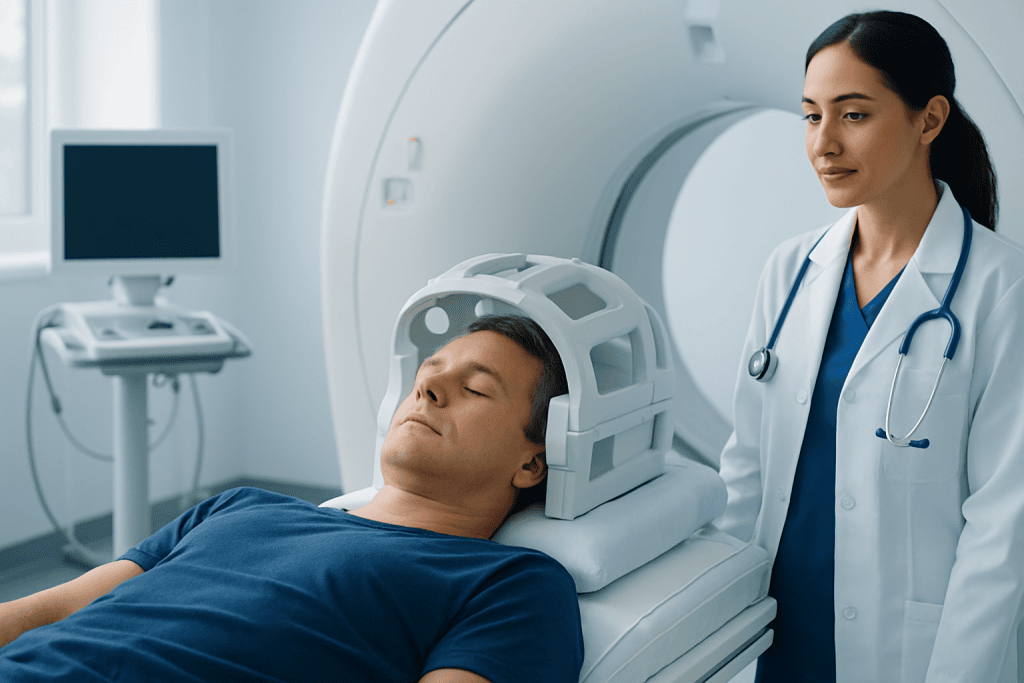
Because many conditions can mimic meningitis, tests are important to confirm the cause. Brain imaging, such as CT or MRI, may be done before a lumbar puncture if there are concerns about pressure inside the skull or focal neurological findings. A lumbar puncture, also called a spinal tap, is often the key test because it allows analysis of cerebrospinal fluid.
Laboratory testing may include:
- Cerebrospinal fluid analysis for cell counts, protein, and glucose
- Fungal culture and microscopy
- Antigen testing, such as cryptococcal antigen
- Blood tests and blood cultures
- Imaging to look for complications or another source of infection
Identifying the exact fungus helps guide treatment. In some people, diagnosis may take time because fungal infections can be difficult to detect on routine tests. If the suspicion is high, doctors may begin treatment while confirmatory results are still pending.
Treatment options and what to expect
Fungal meningitis is treated with antifungal medicines rather than antibiotics. The choice of medication depends on the organism causing the infection, how severe the illness is, and the person’s immune function. Treatment often starts in the hospital, especially if symptoms are significant or if there are signs of increased pressure around the brain.
Many patients need intravenous antifungal therapy at first, followed by a longer course of oral medicine. The total length of treatment may be several weeks to months. Doctors may also treat the underlying problem that made infection more likely, such as adjusting immunosuppressive therapy when possible or improving control of another medical condition.
Some people develop raised intracranial pressure, which can worsen headache, vision problems, and nausea. In these cases, repeated lumbar punctures or other measures may be needed to reduce pressure and protect the brain and eyes. Supportive care, including fluids, pain relief, and monitoring for complications, is also an important part of recovery.
Depending on the situation, care may involve specialists in infectious diseases, neurology, and critical care. Diagnostic support such as MRI and CT scan may help assess complications, while selected patients may require closer neurological monitoring in a hospital setting. Recovery can be gradual, and follow-up visits are usually needed to confirm that the infection is clearing.
Prevention and self-care
There is no single way to prevent all forms of fungal meningitis, but risk can often be lowered by managing underlying health conditions and reducing exposure when appropriate. People with weakened immune systems should discuss their personal risk with a doctor, particularly before travel to areas where certain fungal infections are more common.
Good self-care includes taking prescribed medicines consistently, attending follow-up appointments, and reporting new symptoms early. For people living with HIV, staying on effective treatment is especially important because stronger immune function reduces the risk of opportunistic infections. Transplant recipients and people receiving chemotherapy should follow infection-prevention advice from their care team.
General preventive steps may include:
- Keeping chronic illnesses, such as diabetes, well managed
- Using immunosuppressive medicines exactly as prescribed and reviewed by a doctor
- Seeking medical advice before stopping or changing steroid treatment
- Being cautious with activities that involve heavy dust or soil exposure if immunity is reduced
- Promptly evaluating persistent fever or neurological symptoms
Self-care alone cannot treat fungal meningitis. Home remedies may ease comfort while waiting for care, but this condition requires professional medical assessment and usually prescription antifungal treatment.
When to seek medical care
Anyone with severe headache, fever, neck stiffness, confusion, or unusual drowsiness should seek urgent medical attention. These symptoms can have several causes, but meningitis is one of the conditions that needs prompt evaluation. The need is even greater for people with weakened immunity, recent transplantation, cancer therapy, or HIV.
Medical review is also important when symptoms are persistent but less dramatic, such as a headache that steadily worsens over days, new sensitivity to light, or subtle changes in thinking and memory. Fungal meningitis can begin gradually, and early treatment may help limit complications.
After diagnosis, follow-up care matters. Doctors may repeat laboratory tests, imaging, or lumbar punctures to monitor response to treatment and pressure changes. In complex cases, neurology care and infectious disease support may be part of the treatment plan.
For international patients who need coordinated evaluation, Acibadem International’s multidisciplinary specialists and JCI-accredited hospitals diagnose and treat neurological infections with individualized care. A doctor can advise whether symptoms may relate to fungal meningitis or another condition, including meningitis from other causes.
Frequently asked questions
Is fungal meningitis contagious?
Fungal meningitis usually is not contagious and does not typically spread from one person to another. Most cases happen when fungi from the environment or another source enter the body and then spread to the central nervous system.
Who is most likely to get fungal meningitis?
People with weakened immune systems are at the highest risk. This includes people with advanced HIV infection, organ transplant recipients, those receiving chemotherapy, and people taking long-term immunosuppressive medicines or steroids.
How quickly do symptoms appear?
Symptoms often develop gradually over several days or even weeks, which can make the condition harder to recognize at first. Some people notice a persistent headache and fatigue before more classic meningitis symptoms appear.
Can fungal meningitis be cured?
Many people improve with appropriate antifungal treatment, but recovery may take time and depends on the specific fungus, how early treatment begins, and the person's overall health. Some patients need prolonged therapy and close follow-up to make sure the infection has cleared.
What tests are used to diagnose fungal meningitis?
Doctors often use blood tests, brain imaging, and a lumbar puncture to examine cerebrospinal fluid. Specialized fungal tests, such as cultures or antigen testing, help identify the exact organism and guide treatment.
What is the difference between fungal and bacterial meningitis?
Bacterial meningitis is usually more common, often starts suddenly, and is treated with antibiotics. Fungal meningitis is rarer, tends to develop more slowly, and requires antifungal medicines instead.
References
- World Health Organization
- Centers for Disease Control and Prevention
- National Institute of Neurological Disorders and Stroke
- Infectious Diseases Society of America
- MedlinePlus
This article is for general information only and is not a substitute for professional medical advice. Please consult a qualified doctor about your individual situation.
Meningitis in Turkey — costs, top hospitals & a free quote
JCI-accredited · board-certified surgeons · reply within 24h
Add us as a Preferred Source to see more of our trusted health content across Google Search, AI Overviews and Discover.

More from the Health Library



Related Specialists

Assoc. Prof. Dr. Yeşim Sağlıcan
Pathology
Prof. Dr. Gülfer Mehtap Yazicioğlu
Pediatric Allergy
Dr. Burak Tanyıldız
Ophthalmology
Dr. Evrim Çeliker Yapıcı
Neonatal Intensive Care Unit