Gabapentin for Cats: A Doctor-Reviewed Guide to Uses and Safety
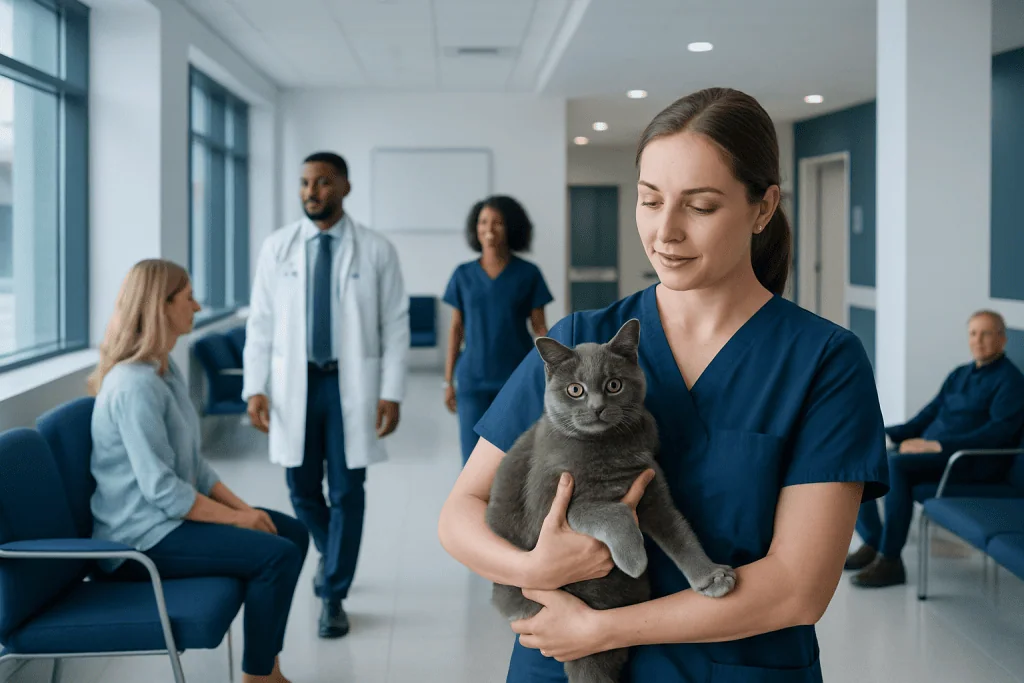
Gabapentin for cats is used by veterinarians for pain management, situational anxiety, and sometimes seizure support. Common side effects include sleepiness, wobbliness, and reduced coordination, especially after starting treatment.
Key Takeaways
- Gabapentin for cats is used by veterinarians for pain management, situational anxiety, and sometimes seizure support.
- Common side effects include sleepiness, wobbliness, and reduced coordination, especially after starting treatment.
- Cats with kidney disease, severe sedation, or other medications that affect the nervous system may need closer monitoring.
- Owners should not change the dose, stop suddenly, or use human products without veterinary approval.
- Urgent veterinary advice is needed if a cat has trouble breathing, collapses, or seems unusually difficult to wake.
Gabapentin for cats is a prescription medication veterinarians commonly use to help manage certain types of pain, reduce short-term fear or stress, and support seizure care in selected cases. It can be very helpful when prescribed appropriately, but it should only be given under veterinary guidance because side effects, interactions, and underlying health conditions matter.
Overview: What gabapentin for cats is used for
Gabapentin for cats is a prescription medicine that veterinarians use most often to help with nerve-related pain, short-term anxiety or stress, and sometimes as part of seizure management. In practice, it is commonly given before travel or a veterinary visit to make handling less stressful, or it may be included in a broader pain-control plan for cats with chronic discomfort.
Although gabapentin was first developed for people, veterinary professionals also use it in cats based on established clinical practice and label or compounding guidance where appropriate. Its role in cats is not as a cure for the underlying problem, but as a supportive medicine that can improve comfort and reduce distress when used carefully.
What makes gabapentin different from many other medications is that it can affect both pain signaling and excitability in the nervous system. This is one reason it may be considered in cats with conditions involving the brain, nerves, or chronic pain pathways, including situations that overlap with concerns seen in epilepsy or chronic discomfort from nerve irritation.
How gabapentin works and when veterinarians may prescribe it
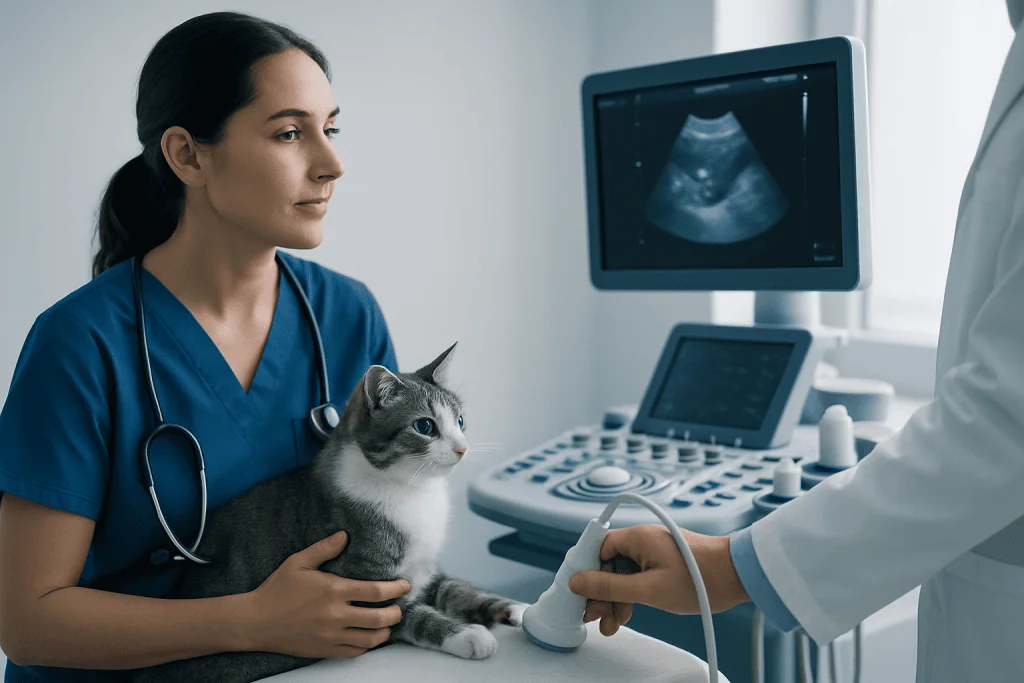
Gabapentin works by affecting the way certain nerve signals are transmitted. In simple terms, it helps calm overactive signaling in the nervous system. That is why it may be helpful in several different situations, even though those problems may appear unrelated at first glance.
Veterinarians may prescribe gabapentin for cats in a few main settings:
- To help manage chronic or nerve-related pain
- To reduce fear and stress before car rides, grooming, or veterinary appointments
- As an add-on treatment in some seizure disorders
- To support comfort after selected procedures, depending on the care plan
It is important to remember that not every painful or anxious cat is a good candidate for gabapentin. A veterinarian considers the cat’s age, kidney function, current medications, overall health, and the reason for treatment before recommending it. In some cases, a clinician may also look more closely at the nervous system through services related to neurology evaluation when seizures or unexplained neurologic signs are part of the picture.
Common side effects and safety considerations
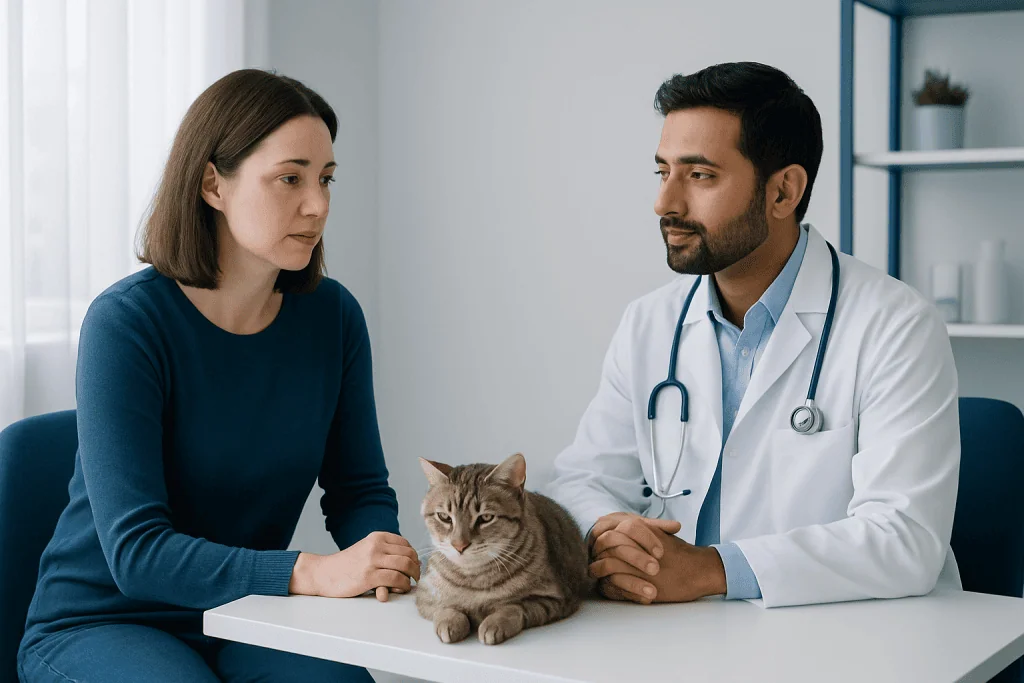
The most common side effects of gabapentin for cats are sleepiness, reduced activity, and wobbliness or poor coordination. Some cats seem unusually quiet after taking it, while others may appear mildly disoriented for a short time. These effects are often most noticeable when the medication is first started or when the amount is adjusted.
Other possible effects can include drooling, vomiting, or decreased appetite, though these are less common. Because the medicine can cause sedation, cats may jump less accurately, move more slowly, or have trouble balancing on stairs or furniture. Owners should help reduce the risk of falls or injuries if a cat seems unsteady.
Safety depends on using the medication exactly as prescribed by a veterinarian. Human formulations may contain ingredients that are not suitable for cats, and flavored or liquid products may differ in concentration. The medicine should also be stored securely, and any accidental double dose or ingestion by another pet should be discussed with a veterinary professional promptly.
Very sleepy behavior, marked weakness, collapse, or breathing changes are not expected routine effects and need urgent advice. If a cat’s symptoms seem out of proportion to what the veterinarian discussed, the safest next step is to contact the prescribing clinic or an emergency veterinary service.
Who may need extra caution: interactions, contraindications, and special situations
Not every cat has the same risk profile with gabapentin. Extra caution may be needed in cats with kidney disease because the drug is cleared from the body through the kidneys. Older cats may also be more sensitive to sedation and balance problems, especially if they already have weakness, arthritis, or frailty.
Drug interactions are another important consideration. Gabapentin can add to the sedating effects of other medicines that slow the nervous system, including some pain medicines, anti-anxiety medicines, anti-seizure drugs, or anesthesia-related drugs. This does not always mean the combination is unsafe, but it does mean the veterinarian should know about every medication and supplement the cat receives.
Owners should also mention any history of severe weakness, repeated falls, poor appetite, vomiting, or existing neurologic symptoms. In more complex cases, a veterinarian may recommend a more detailed assessment or referral for neurosurgical or neurologic review if structural disease is suspected, though many cats taking gabapentin do not need that level of care.
Gabapentin should never be started, stopped, or adjusted without veterinary guidance. Sudden changes may be especially important to avoid in cats receiving it as part of seizure management. Questions about dose timing, missed doses, or whether a product can be compounded are best answered by the prescribing veterinarian or pharmacist.
How veterinarians decide if gabapentin is appropriate
A veterinarian chooses gabapentin based on the cat’s symptoms, medical history, and treatment goals. For example, a cat that becomes highly distressed during travel may need a very different plan from a cat with chronic arthritis-like pain or one being evaluated for seizure episodes. The key question is not simply whether gabapentin can be used, but whether it is the right choice for that specific problem.
The diagnostic process may include a physical examination, review of current medications, and in some cases blood or urine testing to look at kidney function and overall health. If a cat has pain, the veterinarian may try to identify whether the source seems musculoskeletal, inflammatory, or neuropathic. If neurologic signs are present, further workup may be needed to rule out conditions affecting the brain or spinal cord.
For cats with repeated neurologic events, advanced imaging or specialist input can become relevant. Depending on the clinical picture, this may include MRI or other investigations to understand whether seizures, weakness, or coordination problems are due to a primary neurologic disorder rather than medication effects alone.
Practical use at home: monitoring and self-care for cat owners
When a cat starts gabapentin, owners can help by observing behavior closely and keeping notes on changes in comfort, activity, coordination, appetite, and stress level. A simple log can be useful, especially if the medication is being used for more than one reason, such as pain plus transport anxiety. This information helps the veterinarian judge whether the benefits outweigh any side effects.
At home, cats may need a quieter environment for several hours after a dose if they become drowsy. Food, water, litter trays, and sleeping areas should be easy to reach. It is also sensible to limit access to high shelves, balconies, or steep stairs if the cat looks unsteady.
Owners should not give extra doses if a cat still seems anxious or painful unless a veterinarian has specifically advised how to handle that situation. Likewise, missed-dose questions should be directed to the clinic rather than guessed at. Safe medication use depends on consistency, clear labeling, and confirming exactly which formulation the cat has been prescribed.
If a cat’s symptoms worsen despite treatment, it may be a sign that the underlying problem needs re-evaluation. Medication can be one part of a care plan, but some cats also need broader assessment, especially when pain, weakness, or recurrent episodes are persistent or progressive.
When to seek medical care
Veterinary advice should be sought promptly if a cat on gabapentin becomes extremely difficult to wake, cannot stand, has repeated vomiting, stops eating, or seems much more unwell than expected. These signs may reflect an adverse reaction, an accidental overdose, a formulation problem, or an unrelated illness that happened around the same time.
Emergency care is especially important if a cat has trouble breathing, collapses, has a prolonged seizure, develops sudden severe weakness, or shows blue or pale gums. These are not routine medication effects and should not be watched at home without professional input.
Non-urgent follow-up is still worthwhile if side effects such as sleepiness or wobbliness persist, if the medicine does not appear to be helping, or if a cat has kidney disease or multiple medications. International patients seeking complex neurologic or pain-related evaluation may find coordinated specialist care helpful; Acibadem International’s multidisciplinary specialists and JCI-accredited hospitals diagnose and treat neurologic and related conditions for international patients.
Frequently asked questions
What is gabapentin for cats usually prescribed for?
Gabapentin for cats is commonly prescribed for certain types of pain, short-term anxiety or fear, and in some cases as part of seizure treatment. Veterinarians often use it to help cats cope better with travel or clinic visits, or to support comfort in chronic pain conditions.
Is gabapentin safe for cats?
Gabapentin can be safe for cats when it is prescribed and monitored by a veterinarian. Safety depends on the cat's overall health, kidney function, other medications, and the exact product being used. Owners should not use leftover human medication or change the plan without veterinary advice.
What are the most common side effects of gabapentin in cats?
The most common side effects are sleepiness, reduced activity, and unsteady walking. Some cats may also drool, seem mildly confused, or have digestive upset. If the sedation seems severe or the cat cannot function normally, a veterinarian should be contacted.
Can gabapentin be given with other medications?
Sometimes yes, but combinations need professional review because gabapentin can increase drowsiness when used with other medicines that affect the nervous system. This includes some pain relievers, anti-anxiety medicines, sedatives, and anti-seizure drugs. A veterinarian should know about every prescription, supplement, and over-the-counter product the cat receives.
Should gabapentin be stopped suddenly?
Owners should not stop gabapentin suddenly unless a veterinarian specifically instructs them to do so. This is especially important if it is being used as part of seizure management. If there is a concern about side effects, the safest step is to call the prescribing clinic for guidance.
When should a cat on gabapentin see a veterinarian urgently?
Urgent care is needed if a cat is very hard to wake, has trouble breathing, collapses, has a prolonged seizure, or cannot stand. Repeated vomiting, refusing food, or severe weakness should also prompt prompt veterinary advice. These signs go beyond expected mild sedation.
This article is for general information only and is not a substitute for professional medical advice. Please consult a qualified doctor about your individual situation.
Explore treatments in Turkey — costs, top hospitals & a free quote
JCI-accredited · board-certified surgeons · reply within 24h
Add us as a Preferred Source to see more of our trusted health content across Google Search, AI Overviews and Discover.

More from the Health Library

Crestor Side Effects: Uses, Dosage, and Side Effects — A Clinical Overview

Guaifenesin Side Effects: Uses, Dosage, and Side Effects — A Clinical Overview

Enbrel Side Effects: Uses, Dosage, and Side Effects — A Clinical Overview

Dilantin Side Effects: A Doctor-Reviewed Guide to Uses and Safety

Skin Tanning Tablets: Uses, Dosage, and Side Effects — A Clinical Overview