Gamify: A Complete Medical Overview

Gamify is not a disease or diagnosis; it is a design approach used in health tools, education, and rehabilitation. Game-like features may improve motivation, participation, and habit-building for some patients.
Key Takeaways
- Gamify is not a disease or diagnosis; it is a design approach used in health tools, education, and rehabilitation.
- Game-like features may improve motivation, participation, and habit-building for some patients.
- Gamification works best when goals are clear, medically appropriate, and supervised when needed.
- Not every person benefits equally; competition, overstimulation, or poor design can increase stress or frustration.
- Digital tools that gamify health should protect privacy and should never replace needed medical evaluation.
Gamify refers to applying game-like elements such as points, levels, feedback, and rewards to non-game activities. In healthcare, gamify approaches can help support motivation, learning, exercise, rehabilitation, and self-care when they are used thoughtfully and matched to a patient’s needs.
Overview: What “gamify” means in healthcare
Gamify means adding game-like features to everyday tasks in order to encourage participation and make progress easier to follow. In health settings, this can include points for completing exercises, badges for taking medication on time, visual progress bars for rehabilitation, or challenges that support healthy routines such as walking, sleep tracking, or breathing practice.
Importantly, gamify is not a medical condition. It is a strategy used in digital health, rehabilitation, patient education, and prevention programs. The goal is not to turn healthcare into entertainment, but to use structured feedback, motivation, and repetition to help people stay engaged with behaviors that support health.
Gamification may be used for children and adults, though the design should fit the person’s age, abilities, culture, and health goals. For example, a child practicing balance after an injury may respond well to interactive movement tasks, while an adult with a chronic condition may prefer simple reminders, milestones, and non-competitive progress tracking.
When used well, gamify tools can complement standard care. They are most helpful when they support a clear medical plan rather than distract from it. For some patients, this may be part of a wider rehabilitation pathway such as physical therapy and rehabilitation.
How gamification is used in medicine and wellness
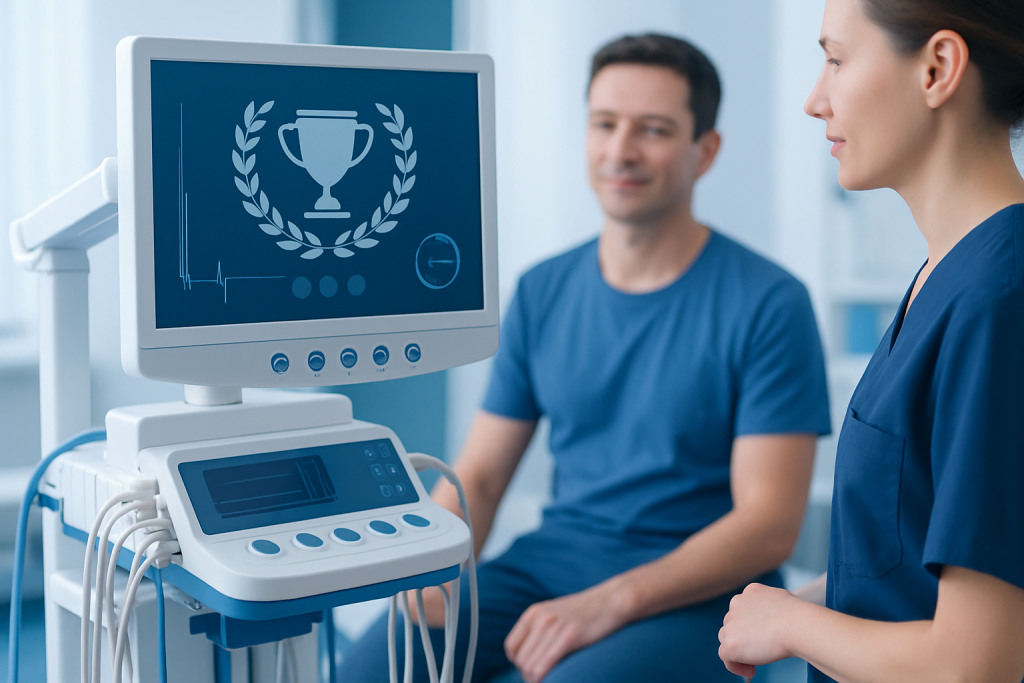
Healthcare teams may use gamify methods in several areas. One common use is rehabilitation, where repetitive exercises are necessary for recovery but can feel tiring or monotonous. Visual targets, immediate feedback, and measurable goals may help patients continue a program for longer and better understand their progress.
Gamification is also used in prevention and self-management. Apps and wearable devices may encourage walking, home blood pressure monitoring, stretching, hydration, or medication adherence. In education, game-like quizzes and step-by-step challenges can help patients and families understand a diagnosis, prepare for surgery, or learn daily care routines.
Some programs are designed for neurologic recovery, mobility, and balance. In selected patients, gamified tasks may be included alongside conventional care after events such as stroke or after orthopedic problems affecting strength and movement. In pediatric care, child-friendly game elements may reduce fear and help maintain participation during therapy sessions.
Gamify approaches may also be used with remote monitoring and home-based care. This can be especially useful when patients need frequent practice between clinic visits. Still, these tools should be treated as supportive aids, not as substitutes for a professional diagnosis or a tailored treatment plan.
Potential benefits and who may benefit most

The main benefit of gamification is improved engagement. Many health goals depend on regular repetition over time, such as exercises, lifestyle changes, or skill-building. A system that gives clear feedback and breaks larger goals into smaller steps may help patients feel more capable and less overwhelmed.
Gamify tools may also support motivation by making progress visible. This can be helpful in conditions where change is gradual, including recovery after surgery, improving balance, or building endurance. For some people, seeing a streak of completed activities or reaching a weekly target can reinforce a healthy routine.
Another possible benefit is personalization. Well-designed programs can adapt the difficulty level, pace, and type of reward according to a person’s age, attention span, symptoms, and physical ability. In rehabilitation, this may improve consistency with home programs that are often difficult to maintain without structure.
People who may benefit include those recovering from injury, individuals managing long-term conditions, children who learn best through play, and patients who need regular practice at home. For example, patients recovering from mobility problems related to orthopedic or neurologic care may use a gamified plan alongside orthopedic rehabilitation when advised by their care team.
Limits, risks, and possible drawbacks
Gamification is not universally helpful. Some people find rewards or competition motivating, while others feel pressured, discouraged, or overstimulated. If a tool focuses too much on winning, comparison, or constant alerts, it may increase stress instead of supporting healthy behavior.
Poorly designed tools can also oversimplify complex health issues. For example, a scoring system may reward activity without accounting for pain, fatigue, heart symptoms, or disability. In these situations, trying to meet a target can lead to frustration or, in some cases, overexertion. Medical goals should always come before game mechanics.
Privacy is another important issue. Apps and wearables may collect sensitive information about movement, sleep, medication habits, heart rate, or location. Patients should understand what data are collected, who can access them, and whether the tool follows appropriate privacy and security standards.
Finally, gamify methods should not replace clinical judgment. New weakness, severe pain, breathlessness, mood changes, or worsening symptoms need medical review even if an app reports good progress. In mental health, some people may benefit from structured digital tools, but others may need direct assessment and support for concerns such as anxiety, depression, or problematic screen use.
How clinicians evaluate whether a gamified tool is appropriate
Doctors, therapists, and other clinicians do not usually assess gamification by asking whether it is fun alone. They look at whether it supports a real medical objective. This includes the patient’s diagnosis, symptoms, physical ability, cognitive function, motivation, age, safety risks, and access to technology.
A useful evaluation often includes practical questions: What behavior should this tool improve? How will progress be measured? Is the task safe to do at home? Does the person understand the instructions? Are there barriers such as vision problems, pain, fatigue, dizziness, or low digital confidence? The answers help determine whether a gamified program is suitable and how it should be adjusted.
For rehabilitation, clinicians may compare home performance with in-person assessments of strength, balance, coordination, and endurance. They may also review whether the person is using proper technique rather than simply completing a task quickly for points or rewards. Quality of movement matters as much as quantity.
If symptoms suggest an underlying condition, the care team may recommend a fuller evaluation before starting a digital program. Depending on the concern, this may include laboratory tests, imaging, neurologic assessment, cardiology review, or specialist referrals. A gamified tool should fit into care, not delay it.
Safe use, self-care, and tips for choosing a health app or program
Patients and families can use a few simple principles when considering a tool that aims to gamify health. First, choose one with a clear purpose, such as helping with medication reminders, daily walking, balance practice, or recovery exercises. A tool is more useful when the goal is specific and realistic.
Second, look for signs of quality. Helpful questions include whether health professionals were involved in development, whether instructions are easy to understand, whether settings can be personalized, and whether the program tracks meaningful progress rather than only rewarding frequent use. Simplicity is often better than excessive notifications or competition.
Third, use symptom-guided pacing. If an exercise or challenge causes dizziness, chest discomfort, unusual shortness of breath, worsening pain, or marked fatigue, it should be stopped and discussed with a clinician. Rest days and gradual progression are normal parts of recovery and should not be treated as failure.
Families may also set healthy boundaries around screen time and data sharing. Children and adolescents may need supervision to ensure a game-like tool remains supportive rather than stressful. In some cases, a structured plan created with specialists in neurological rehabilitation or physical medicine may be safer and more effective than using a general wellness app alone.
When to seek medical care
A person should seek medical care if a gamified health tool seems to trigger or worsen symptoms rather than support recovery. Examples include chest pain, fainting, palpitations, severe shortness of breath, new weakness, repeated falls, severe headache, confusion, or sudden changes in vision. These symptoms need prompt medical attention and should not be pushed through for the sake of reaching a target.
Medical advice is also important if pain steadily increases during exercise, if a rehabilitation program is not leading to expected improvement, or if mood symptoms such as irritability, anxiety, low mood, or sleep disruption appear to be linked to the pressure of tracking and competition. The best health plan may need fewer triggers, a lower intensity, or a different format altogether.
People with chronic diseases, recent surgery, neurologic conditions, heart disease, or significant mobility limitations should ideally ask a clinician before starting a more demanding digital program. This helps ensure that exercise intensity, movement type, and goals are appropriate for the person’s current health status.
Near the end of a patient’s care journey, ongoing review can remain valuable. Acibadem International’s multidisciplinary specialists in JCI-accredited hospitals diagnose and treat international patients who may need evaluation, rehabilitation planning, or specialist follow-up as part of a broader care pathway.
Frequently asked questions
Is gamify a medical condition?
No. Gamify is not a disease, disorder, or diagnosis. It describes the use of game-like elements to encourage health behaviors, learning, rehabilitation, or self-management.
Can gamification really help patients?
It can help some patients, especially when regular practice is important and the goals are clear. Benefits are more likely when the tool is tailored to the person, medically appropriate, and used alongside professional guidance when needed.
What are examples of gamify tools in healthcare?
Examples include exercise apps with progress levels, medication reminder systems with streaks or rewards, interactive rehabilitation programs, and wearable devices that encourage daily movement. Some tools also use quizzes or step-by-step tasks to improve patient education.
Are there risks to using game-like health apps?
Yes. Some tools may create stress, encourage overexertion, or focus too much on rewards rather than safe progress. Privacy is another concern, so it is important to understand how personal health data are collected and used.
Should a patient use a gamified app instead of seeing a doctor?
No. A gamified app can support healthy habits or rehabilitation, but it should not replace professional medical assessment. New, severe, or worsening symptoms need evaluation by a qualified clinician.
Who should ask a doctor before starting a gamified health program?
Anyone with a chronic illness, heart symptoms, recent surgery, falls, neurologic symptoms, significant pain, or major mobility limitations should check first. Children, older adults, and people recovering from illness or injury may also benefit from more tailored guidance.
This article is for general information only and is not a substitute for professional medical advice. Please consult a qualified doctor about your individual situation.
Explore treatments in Turkey — costs, top hospitals & a free quote
JCI-accredited · board-certified surgeons · reply within 24h
Add us as a Preferred Source to see more of our trusted health content across Google Search, AI Overviews and Discover.
Check your numbers in seconds
BMI, calories, due date, blood pressure and 30+ more clinical calculators — free, instant, doctor-reviewed ranges.

More from the Health Library

H Influenzae — Explained by Medical Evidence, Not Myths

Post Menopausal: What Patients Need to Know
Sleep Study: An Evidence-Based Guide for Patients

Gallbladder Removal: An Evidence-Based Guide for Patients

Scrofula: An Evidence-Based Guide for Patients