Gastric balloon vs Gastric sleeve: Which Is Right for You?

A gastric balloon is placed temporarily in the stomach and does not involve surgical stomach removal. Gastric sleeve surgery permanently removes a large portion of the stomach and requires an operation.
Key Takeaways
- A gastric balloon is placed temporarily in the stomach and does not involve surgical stomach removal.
- Gastric sleeve surgery permanently removes a large portion of the stomach and requires an operation.
- Both options work best alongside structured nutrition, activity, and behavioral support.
- Gastric sleeve usually leads to more substantial and sustained weight loss but has greater procedural commitment and lifelong follow-up needs.
- Eligibility is individualized and should be assessed by a multidisciplinary weight-management team.
Gastric balloon vs gastric sleeve depends mainly on a person’s weight-loss goals, health needs, readiness for surgery, and preference for a temporary or permanent procedure. A gastric balloon is a temporary, minimally invasive option, while gastric sleeve surgery permanently reduces stomach size and generally supports greater long-term weight loss.
Gastric Balloon vs Gastric Sleeve: Which Is Right for You?
In a gastric balloon vs gastric sleeve comparison, the most suitable choice depends on how much weight a person needs to lose, whether they are comfortable with surgery, their medical conditions, and their ability to commit to long-term lifestyle and follow-up care. A gastric balloon is temporary and reversible, whereas gastric sleeve surgery is permanent and usually offers more significant long-term weight loss.
Neither procedure is a shortcut or a substitute for healthy habits. Both are tools that can help a person feel full with smaller meals and make sustained dietary and activity changes more achievable. A bariatric specialist can help match the procedure to an individual’s health profile, expectations, and goals.
For people exploring the non-surgical option in more detail, gastric balloon treatment information can explain the different balloon types and the wider support usually provided during the program.
How Each Procedure Works
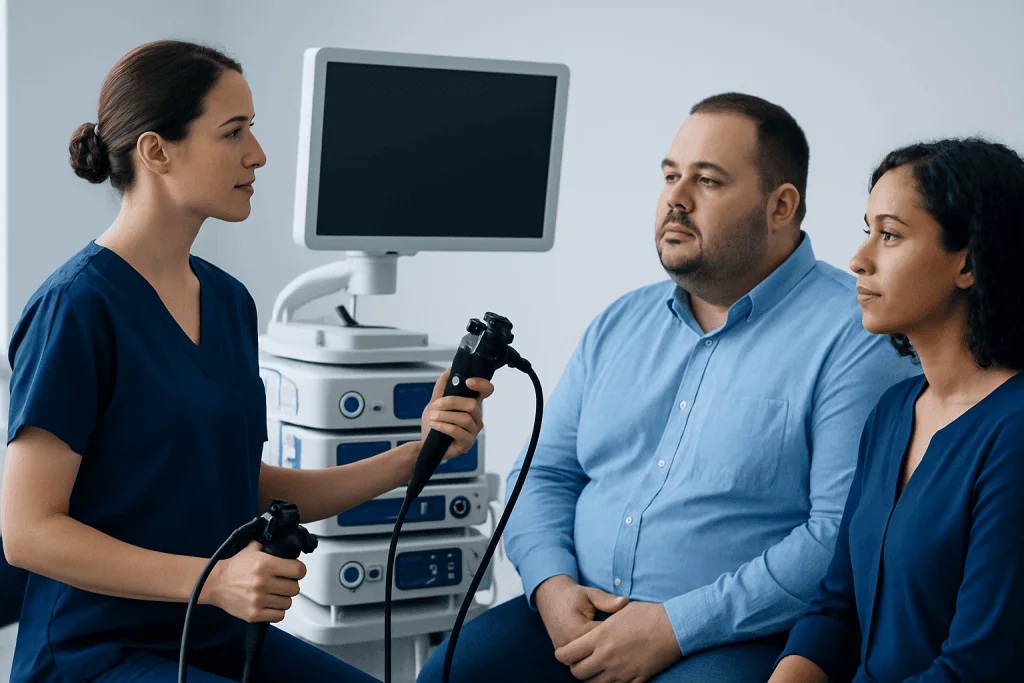
A gastric balloon is a soft silicone device placed inside the stomach. Once positioned, it is filled with fluid or gas to take up space in the stomach. This can help a person feel full sooner and eat smaller portions. Most balloons are inserted through the mouth using an endoscope while the person is sedated, although some swallowable balloon systems do not require endoscopy for placement.
The balloon remains in place for a limited period, often several months, depending on the device. It is then removed or passes naturally, according to the type used. Because the stomach is not cut or removed, the treatment is considered temporary and reversible.
Gastric sleeve surgery, also called sleeve gastrectomy, is a bariatric operation in which a surgeon removes a large part of the stomach. The remaining stomach is shaped into a narrow sleeve. This reduces the amount of food the stomach can hold and may also change gut hormones involved in appetite and blood sugar regulation.
Unlike a balloon, a sleeve cannot be reversed because stomach tissue is permanently removed. It is commonly performed using minimally invasive, or laparoscopic, techniques. Learn more about gastric sleeve surgery and the assessment needed before considering this operation.
Who May Be a Candidate?
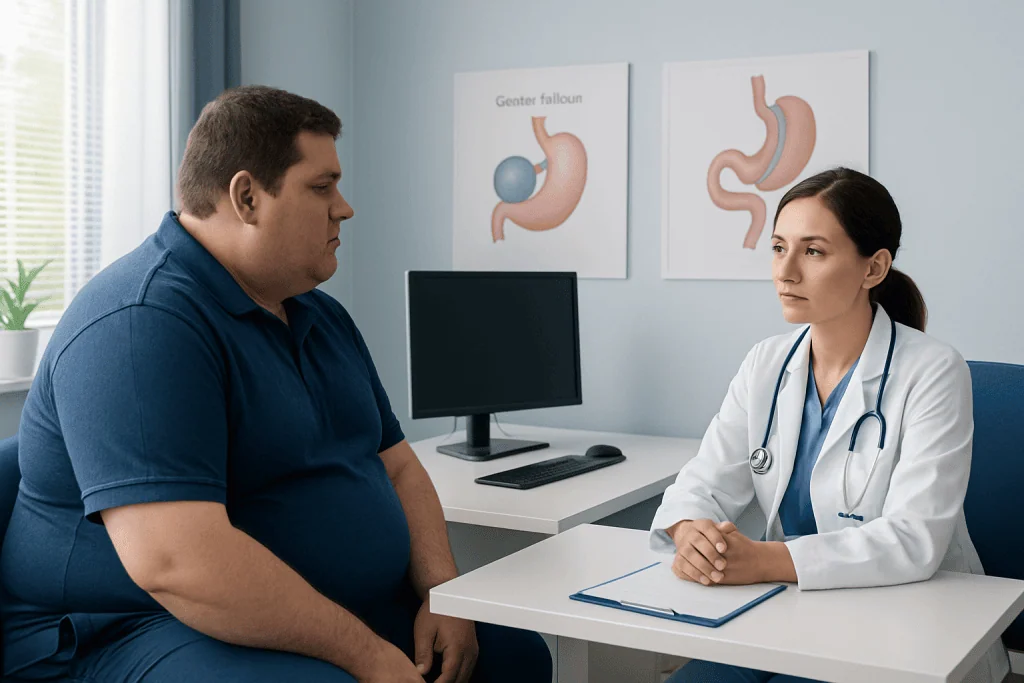
A gastric balloon may be considered for adults with overweight or obesity who have not achieved sufficient results with lifestyle measures alone and who want a temporary, less invasive intervention. It may also be used as a first step before another treatment in selected people with higher surgical risk. Specific eligibility varies by balloon type, local regulations, body mass index, and medical history.
Gastric sleeve surgery is generally considered for people with obesity who meet established bariatric-surgery criteria, particularly when weight is affecting health or when non-surgical approaches have not provided durable results. Conditions such as type 2 diabetes, obstructive sleep apnea, high blood pressure, fatty liver disease, and joint strain may be part of the clinical discussion.
Not everyone is suitable for either option. Active untreated eating disorders, uncontrolled substance use, some stomach or esophageal conditions, pregnancy, or an inability to attend follow-up visits may affect suitability. A prior abdominal operation or medical condition does not automatically exclude treatment, but it should be carefully reviewed.
Assessment usually includes medical history, physical examination, laboratory testing, nutritional review, and psychological or behavioral evaluation. The purpose is not to judge a person’s weight; it is to ensure that treatment is safe, appropriate, and supported over time.
What Happens During the Procedures?
For endoscopic gastric balloon placement, the person typically follows instructions about fasting beforehand. Under sedation, a clinician guides the deflated balloon through the mouth and into the stomach using an endoscope. The balloon is then filled and its position is checked. Placement is usually an outpatient procedure, meaning many people go home the same day with a responsible adult.
The first few days after balloon placement can involve nausea, cramps, reflux, and vomiting while the stomach adjusts. The care team may prescribe medicines to reduce these symptoms and will provide a staged eating plan. Balloon removal is also usually performed endoscopically for devices that require removal.
Gastric sleeve surgery is performed in a hospital under general anesthesia. The surgeon makes several small abdominal incisions, inserts surgical instruments and a camera, removes the planned portion of the stomach, and seals the remaining stomach into a sleeve shape. The removed stomach tissue does not grow back.
Before sleeve surgery, patients commonly complete nutritional, medical, and anesthesia assessments. After surgery, the team monitors pain control, hydration, early movement, and any signs of complications. The hospital stay is often short, but the exact course varies with an individual’s health and recovery.
Recovery Timeline and Daily Life
Recovery after a gastric balloon is generally quicker than after surgery. Many people return to light daily activities within a few days, although adjustment symptoms can temporarily limit normal routines. Food intake starts gradually, commonly with liquids before progressing to soft foods and then balanced solid meals as advised by the clinical team.
While a balloon is in place, regular follow-up helps address symptoms, eating patterns, physical activity, and emotional adjustment. Since the balloon is temporary, planning for life after removal is essential. Nutrition and behavior support can help preserve progress once the device is no longer present.
After gastric sleeve surgery, the diet advances in stages over several weeks, from liquids to pureed foods, soft foods, and eventually nutrient-dense regular meals in small portions. Patients need to sip fluids regularly, eat slowly, prioritize protein as advised, and avoid overeating. Return to work and routine activities differs, but many people need a period of reduced activity while healing.
Long-term sleeve follow-up includes monitoring weight, nutrition, medications, and medical conditions. Vitamin and mineral supplementation and periodic blood tests are commonly needed after bariatric surgery. Lifelong follow-up helps identify nutritional deficiencies or weight regain early and supports overall health.
Benefits, Risks, and Important Trade-Offs
The main potential benefit of a gastric balloon is that it is temporary and does not require surgical removal of stomach tissue. It can support meaningful weight loss during the treatment period and may help someone practice smaller portions and healthier routines. Its limitations are that weight loss is usually less than with gastric sleeve surgery, and maintaining results after removal requires continued lifestyle support.
Common balloon-related effects include nausea, vomiting, abdominal discomfort, bloating, reflux, and constipation, especially soon after placement. Less common but important complications can include balloon deflation, movement of the balloon into the intestine, stomach injury, pancreatitis, or severe dehydration. Ongoing or severe symptoms should be reviewed promptly.
Gastric sleeve may offer larger and more durable weight loss and may improve obesity-related health conditions for many patients. However, it is a major permanent intervention. Risks include bleeding, infection, blood clots, leakage along the surgical staple line, narrowing of the sleeve, reflux, and nutritional deficiencies. Some people experience new or worsening gastroesophageal reflux after surgery.
Neither treatment guarantees a particular weight outcome. The decision should consider expected benefits, personal priorities, possible complications, recovery demands, mental well-being, and access to reliable follow-up. A team that includes bariatric clinicians, dietitians, and behavioral-health professionals can support informed decision-making.
Preparing for Success After Either Option
Lasting results depend on the changes that accompany the procedure. Before treatment, a person may be asked to follow a pre-procedure nutrition plan, stop smoking or nicotine use, review medicines, and arrange support at home. They should tell the care team about all medicines, supplements, allergies, previous operations, and any history of reflux, ulcers, mental health concerns, or disordered eating.
After either procedure, helpful foundations include regular meals in appropriate portions, protein-rich and nutrient-dense foods, adequate fluids, gradual physical activity, quality sleep, and attending scheduled appointments. Alcohol, high-sugar drinks, grazing, and eating rapidly can interfere with comfort and weight-management goals.
Emotional and behavioral support is also valuable. Weight management can be affected by stress, mood, sleep, social circumstances, and past eating patterns. Counseling or support groups may help people develop practical coping strategies without shame or unrealistic expectations.
Acibadem International’s multidisciplinary specialists and JCI-accredited hospitals assess and treat weight-management needs for international patients, including evaluation for balloon and sleeve procedures where clinically appropriate.
When to Seek Medical Care
Anyone considering a gastric balloon or gastric sleeve should arrange a medical assessment rather than choosing based on online comparisons alone. A clinician can discuss health conditions, previous weight-management efforts, medications, pregnancy plans, reflux symptoms, and the practical requirements of each option.
After a gastric balloon procedure or gastric sleeve surgery, urgent medical attention is needed for severe or worsening abdominal or chest pain, repeated vomiting, inability to keep fluids down, fever, shortness of breath, fainting, black stools, vomiting blood, or a rapid heartbeat. These symptoms do not always mean a serious complication, but they should not be ignored.
People should also contact their care team for persistent reflux, difficulty swallowing, ongoing diarrhea or constipation, signs of dehydration, concerns about food intake, or changes in mood and eating behavior. Early review can often prevent symptoms from becoming more difficult to manage.
Frequently asked questions
Is a gastric balloon safer than gastric sleeve surgery?
A gastric balloon avoids abdominal surgery and is temporary, so it may be appropriate for people seeking a less invasive option. However, it still has risks, including nausea, dehydration, reflux, and rare device-related complications. Gastric sleeve has surgical risks but may be the better option for some people because it generally produces more substantial long-term weight loss.
Which gives more weight loss: gastric balloon or gastric sleeve?
Gastric sleeve surgery generally results in greater weight loss than a gastric balloon because it permanently changes stomach capacity and affects appetite-related hormones. Weight outcomes vary widely between individuals. Nutrition, activity, follow-up care, and underlying health conditions all influence results.
Can a gastric balloon be used before gastric sleeve surgery?
In selected cases, a gastric balloon may be used before surgery to support initial weight loss and reduce operative risk. This is not necessary for everyone and depends on a person’s health, weight, and surgical assessment. A bariatric team can determine whether a staged approach is appropriate.
Is gastric sleeve surgery reversible?
No. Gastric sleeve surgery permanently removes a portion of the stomach, so it cannot be reversed. This is why thorough education, medical evaluation, and informed consent are important before surgery.
Will weight return after a gastric balloon is removed?
Weight regain can occur after balloon removal if sustainable eating, activity, and behavior changes are not maintained. Structured follow-up during and after treatment can help a person build habits that continue once the balloon is gone. Some people may need further medical weight-management support.
Can someone with reflux choose a gastric balloon or gastric sleeve?
Reflux symptoms should be carefully assessed before either procedure. A balloon can cause or worsen reflux in some people, and gastric sleeve may also worsen reflux or lead to new symptoms. The care team may recommend tests or discuss alternative approaches depending on the cause and severity of reflux.
References
- American Society for Metabolic and Bariatric Surgery
- National Institute of Diabetes and Digestive and Kidney Diseases
- National Institute for Health and Care Excellence
- Mayo Clinic
- World Obesity Federation
This article is for general information only and is not a substitute for professional medical advice. Please consult a qualified doctor about your individual situation.
Gastric Balloon in Turkey — costs, top hospitals & a free quote
JCI-accredited · board-certified surgeons · reply within 24h
Add us as a Preferred Source to see more of our trusted health content across Google Search, AI Overviews and Discover.
Check your numbers in seconds
BMI, calories, due date, blood pressure and 30+ more clinical calculators — free, instant, doctor-reviewed ranges.

Bariatric & Metabolic Surgery
Surgical and endoscopic treatments for obesity and metabolic conditions.