Gastroparesis vs Functional Dyspepsia: Which Brain-Gut Disorder Could It Be?

Gastroparesis and functional dyspepsia can feel similar, but they are not the same condition. Gastroparesis involves delayed stomach emptying, while functional dyspepsia usually does not.
Key Takeaways
- Gastroparesis and functional dyspepsia can feel similar, but they are not the same condition.
- Gastroparesis involves delayed stomach emptying, while functional dyspepsia usually does not.
- Early fullness, nausea, bloating, and upper abdominal pain are common in both disorders.
- Diagnosis may include symptom review, endoscopy, and tests that measure gastric emptying.
- Treatment often combines diet changes, symptom-relieving medicines, and management of related conditions.
- A gastroenterologist should assess persistent symptoms, weight loss, vomiting, or trouble eating.
Gastroparesis and functional dyspepsia are two brain-gut disorders that can both cause nausea, fullness, bloating, and upper abdominal discomfort. Because symptoms often overlap, careful medical evaluation is important to identify whether stomach emptying is delayed or whether the problem is related more to altered gut-brain signaling and stomach sensitivity.
Overview: how these two disorders differ
Gastroparesis and functional dyspepsia are both disorders that affect how the upper digestive tract works, and both are often considered part of the broader spectrum of brain-gut disorders. In these conditions, symptoms arise not only from the stomach itself but also from the way the digestive system and nervous system communicate. This is one reason why people may have significant symptoms even when routine tests show little or no visible structural problem.
Gastroparesis means that the stomach empties more slowly than normal without a physical blockage. Food remains in the stomach longer than it should, which can lead to nausea, vomiting, early fullness, bloating, and difficulty finishing meals. Functional dyspepsia, sometimes called chronic indigestion, causes similar upper abdominal symptoms but usually occurs without delayed stomach emptying. Instead, symptoms may be related to increased stomach sensitivity, altered movement of the stomach, or difficulty relaxing the upper part of the stomach after eating.
Because the symptoms overlap so much, it is not possible to tell the difference based on symptoms alone. Some people with functional dyspepsia feel full after only a few bites, while some people with gastroparesis mainly notice nausea and bloating. A proper diagnosis helps guide treatment and can prevent unnecessary worry or trial-and-error care.
Symptoms that can overlap
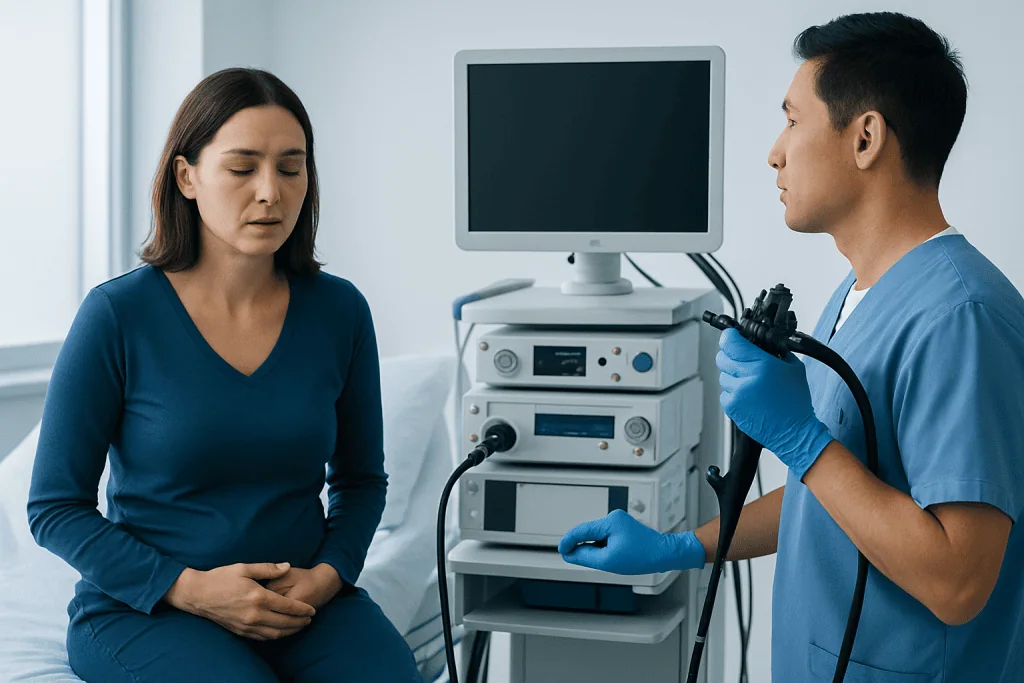
Both disorders can cause a range of upper digestive symptoms that may come and go or become more bothersome after meals. Many people describe feeling uncomfortably full very quickly, a sensation known as early satiety. Others notice upper abdominal pressure, burning, or pain, especially in the middle of the upper abdomen.
Symptoms seen in both gastroparesis and functional dyspepsia may include:
- Early fullness during meals
- Fullness that lasts for a long time after eating
- Nausea
- Bloating
- Upper abdominal discomfort or pain
- Loss of appetite
- Belching
There are also features that may raise suspicion for one condition more than the other. Vomiting undigested food several hours after meals is more suggestive of gastroparesis, especially if symptoms are frequent. Functional dyspepsia more often presents with meal-related fullness, burning, or pain without repeated vomiting. Still, these patterns are not absolute, and a clinician may need testing to sort them out.
Symptoms can affect nutrition, energy, mood, and quality of life. People may begin avoiding meals, reducing portion sizes, or feeling anxious about eating because they expect discomfort. That is why persistent symptoms deserve medical attention even when they seem mild at first.
Causes and risk factors

Gastroparesis develops when the stomach’s normal motor function is impaired. The muscles and nerves that coordinate movement of food may not work properly, so stomach emptying slows down. Diabetes is a well-known risk factor because long-term high blood sugar can affect nerves that help control the stomach. Gastroparesis may also occur after some surgeries, after certain viral illnesses, or in association with neurologic or connective tissue disorders. In some people, no clear cause is found, which is called idiopathic gastroparesis.
Functional dyspepsia has a different mechanism. It is considered a disorder of gut-brain interaction, meaning symptoms are linked to changes in sensation, movement, and communication between the digestive tract and the nervous system. The stomach may be overly sensitive to normal stretching after meals, or it may not relax as it should when food enters. Stress, anxiety, prior gastrointestinal infection, and overlapping digestive disorders can all play a role, but functional dyspepsia is not simply “in someone’s head.” The symptoms are real and reflect changes in body function.
Certain medications may worsen symptoms in either condition by slowing digestion or irritating the stomach. Opioid pain medicines, some diabetes drugs, and some anticholinergic medications are examples a doctor may review. Other conditions can also overlap, including irritable bowel syndrome and gastroesophageal reflux disease, which may make the symptom picture more complex.
Risk factors do not mean a person will definitely develop one of these disorders, but they can help clinicians decide which diagnosis is more likely. A thorough history is especially important because sleep, stress, eating habits, blood sugar control, medications, and prior surgery can all influence symptoms.
How doctors diagnose the difference
The first step is a detailed symptom history and physical examination. A doctor will ask when symptoms started, whether they are meal-related, whether vomiting occurs, and whether there are warning signs such as weight loss, bleeding, trouble swallowing, fever, or anemia. Blood tests may be used to look for dehydration, nutritional issues, infection, inflammation, thyroid disease, or diabetes.
In many cases, the evaluation also includes upper endoscopy to rule out a structural cause such as an ulcer, narrowing, or inflammation. Endoscopy can be helpful because both gastroparesis and functional dyspepsia are diagnosed only after other important problems are considered. Some patients may also need imaging or testing for conditions such as celiac disease depending on their symptoms and medical history.
The key test that separates gastroparesis from functional dyspepsia is a gastric emptying study, often performed with a standardized meal. This test measures how quickly food leaves the stomach. Delayed emptying supports a diagnosis of gastroparesis. If gastric emptying is normal and other causes have been excluded, functional dyspepsia becomes more likely. In selected cases, doctors may use other specialized tests to assess stomach function, pressure patterns, or sensitivity.
Diagnosis can take time because symptoms vary from person to person. It is not unusual for clinicians to evaluate more than one possible contributor, especially if reflux, constipation, medication effects, or metabolic conditions are also present. The goal is to match treatment to the main cause of symptoms rather than relying on labels alone.
Treatment options for each condition
Treatment is individualized and usually begins with symptom relief, dietary adjustments, and management of contributing conditions. For gastroparesis, care often focuses on improving stomach emptying, reducing nausea and vomiting, and maintaining hydration and nutrition. For functional dyspepsia, treatment may target stomach sensitivity, meal-related discomfort, and gut-brain signaling.
Doctors may recommend eating smaller, more frequent meals and choosing foods that are easier to digest. In gastroparesis, lower-fat and lower-fiber meals are sometimes advised because fat and fiber can slow stomach emptying in some people. For functional dyspepsia, avoiding very large meals, heavy foods, and personal trigger foods may help. If blood sugar is high in a person with diabetes, improving glucose control can also support better stomach function.
Medicines may include anti-nausea drugs, acid-lowering medicines, and medications that improve gastric motility or reduce stomach hypersensitivity, depending on the diagnosis. Some patients with difficult-to-control gastroparesis may need additional therapies, nutritional support, or procedures. In carefully selected cases, specialists may consider advanced approaches such as endoscopic evaluation and therapy or specialist gastroenterology care as part of a broader treatment plan.
For functional dyspepsia, treatment may also include strategies that address the brain-gut connection, such as stress reduction, sleep improvement, and in some cases gut-directed behavioral therapy. When symptoms are persistent or complex, a multidisciplinary approach can be useful. Near the end of the care pathway, some international patients may seek evaluation at centers such as Acibadem International, where multidisciplinary specialists in JCI-accredited hospitals assess and treat digestive motility and functional gastrointestinal disorders.
Prevention and self-care strategies
There is not always a way to fully prevent gastroparesis or functional dyspepsia, but self-care can reduce symptom burden and support day-to-day comfort. Keeping a food and symptom diary may help identify patterns, such as symptoms after large meals, fatty foods, carbonated drinks, or eating too quickly. Gentle changes are usually more sustainable than strict elimination diets.
Helpful self-care measures may include:
- Eating smaller meals more often instead of a few large meals
- Chewing food thoroughly and eating slowly
- Remaining upright for a period after eating
- Staying well hydrated
- Limiting foods that clearly trigger symptoms
- Managing stress through relaxation, counseling, or mindfulness techniques
- Monitoring blood sugar carefully if diabetes is present
People with more severe gastroparesis may tolerate soft or blended foods better during symptom flares, but any major dietary change should be discussed with a doctor or dietitian to prevent nutritional deficiencies. If eating becomes difficult, early professional guidance is important.
Self-care is most effective when paired with medical follow-up. Persistent nausea, repeated vomiting, unintentional weight loss, or signs of dehydration should not be managed at home alone. These symptoms can signal the need to reassess the diagnosis or adjust treatment.
When to see a doctor
A person should see a doctor if upper abdominal discomfort, early fullness, nausea, bloating, or vomiting continues for more than a few weeks, interferes with eating, or keeps returning. Even when symptoms seem like simple indigestion, recurrent problems may reflect gastroparesis, functional dyspepsia, reflux, ulcer disease, gallbladder disease, or another digestive condition that needs proper evaluation.
Prompt medical care is especially important if symptoms are accompanied by weight loss, dehydration, black stools, vomiting blood, trouble swallowing, chest pain, severe abdominal pain, or persistent vomiting. These are not typical features to ignore, and they may require urgent assessment.
People with diabetes who develop increasing nausea, fullness, or vomiting should mention this to their clinician because changes in stomach emptying can also affect blood sugar control. Likewise, anyone taking medications that may slow digestion should ask whether those medicines could be contributing to symptoms.
With a clear diagnosis and a personalized plan, many people can improve symptom control and eat more comfortably. Early evaluation can also help prevent complications such as poor nutrition, dehydration, and unnecessary restrictions that make daily life harder.
Frequently asked questions
What is the main difference between gastroparesis and functional dyspepsia?
The main difference is that gastroparesis involves delayed emptying of the stomach, while functional dyspepsia usually does not. Functional dyspepsia is more often related to altered stomach sensitivity and gut-brain signaling.
Can gastroparesis and functional dyspepsia cause the same symptoms?
Yes. Both conditions can cause early fullness, bloating, nausea, upper abdominal discomfort, and poor appetite. Because symptoms overlap so much, doctors often need testing to tell them apart.
How is gastroparesis diagnosed?
Doctors usually start with a medical history, examination, and tests to rule out structural problems. A gastric emptying study is commonly used to confirm whether food is leaving the stomach too slowly.
Does functional dyspepsia mean nothing is wrong?
No. Functional dyspepsia is a real medical condition with genuine symptoms. It reflects changes in how the stomach and nervous system function rather than a visible blockage or ulcer.
Can diabetes lead to gastroparesis?
Yes, diabetes is a recognized risk factor for gastroparesis. Over time, high blood sugar can affect the nerves involved in stomach movement, which may slow gastric emptying.
What foods are usually easier to tolerate?
Many people do better with smaller, more frequent meals and foods that are easier to digest. A doctor or dietitian can help tailor advice, especially if symptoms are severe or weight loss is a concern.
When should someone seek urgent medical care?
Urgent medical attention is important for vomiting blood, black stools, severe or worsening abdominal pain, chest pain, dehydration, or inability to keep food and fluids down. These symptoms may point to a more serious problem or complication.
References
- National Institute of Diabetes and Digestive and Kidney Diseases
- American College of Gastroenterology
- National Institute for Health and Care Excellence
- International Foundation for Gastrointestinal Disorders
- Rome Foundation
This article is for general information only and is not a substitute for professional medical advice. Please consult a qualified doctor about your individual situation.
Persistent digestive symptoms? Get evaluated in Turkey
JCI-accredited · board-certified surgeons · reply within 24h
Add us as a Preferred Source to see more of our trusted health content across Google Search, AI Overviews and Discover.