Geriatric: A Complete Medical Overview

Geriatric medicine addresses the complex health needs of older adults, not just one disease at a time. A geriatric assessment often reviews medical conditions, medications, mobility, memory, mood, nutrition, and daily function.
Key Takeaways
- Geriatric medicine addresses the complex health needs of older adults, not just one disease at a time.
- A geriatric assessment often reviews medical conditions, medications, mobility, memory, mood, nutrition, and daily function.
- Common concerns include falls, frailty, memory changes, multiple medications, incontinence, and chronic illnesses.
- Early evaluation can help maintain independence, reduce complications, and improve quality of life.
- Healthy aging is supported by regular checkups, exercise, good nutrition, vaccination, sleep, and social connection.
Geriatric care is the branch of medicine that focuses on the health, function, and quality of life of older adults. It looks beyond single diseases to support mobility, memory, medications, nutrition, independence, and overall well-being as people age.
Overview: What geriatric care means
Geriatric medicine is the area of healthcare devoted to older adults. In practical terms, geriatric care means evaluating not only illnesses, but also how aging affects strength, memory, mood, balance, nutrition, sleep, and the ability to manage daily life safely and independently.
This approach is different from routine adult care because health issues in later life often overlap. An older person may have several chronic conditions at the same time, take multiple medications, and notice changes in energy, mobility, or cognition. Geriatric care aims to bring these factors together into one coordinated plan that reflects the person’s goals and living situation.
The purpose is not simply to treat disease. It is also to preserve function, prevent avoidable complications, support dignity, and improve quality of life. For some people, this may mean focusing on active treatment and rehabilitation. For others, it may mean symptom control, safer medication use, or help with maintaining independence at home.
How aging affects health
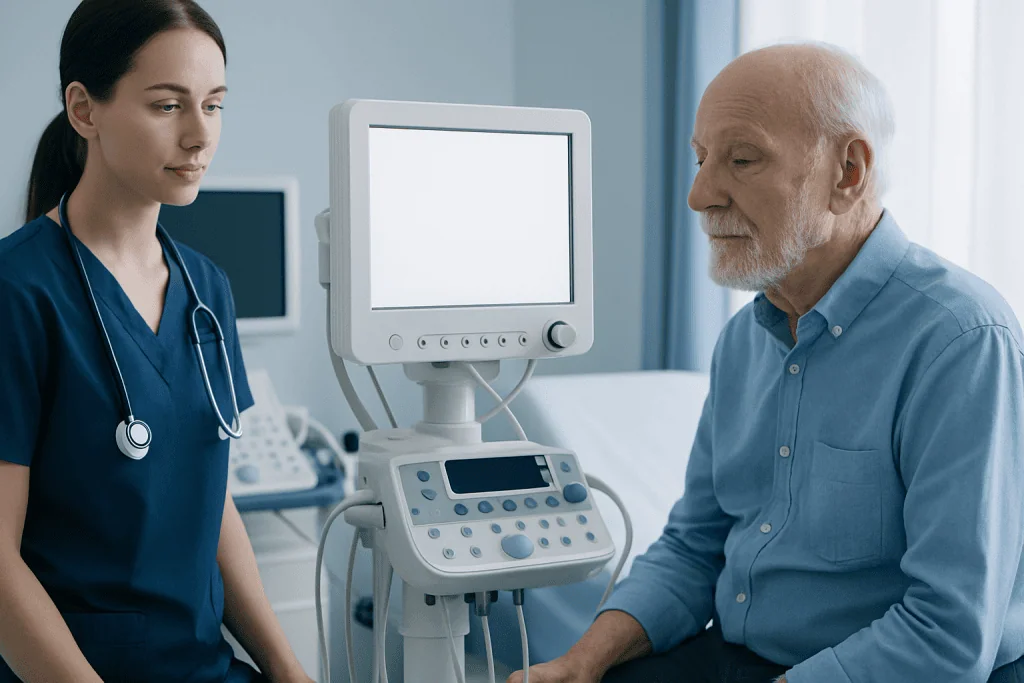
Aging is a natural process, but it changes how the body responds to illness, stress, and treatment. Muscles may gradually weaken, bones may become more fragile, reaction time may slow, and the senses of vision or hearing may decline. The immune system can also become less efficient, which may make infections harder to recognize and recover from.
Older adults often experience health concerns differently from younger adults. For example, an infection may cause confusion or weakness instead of a high fever. A medication side effect may appear as dizziness, a fall, or loss of appetite rather than a more obvious symptom. Because of this, symptoms in later life are sometimes subtle and easy to overlook.
Another important concept is functional health. A person may live with arthritis, diabetes, or heart disease and still do well if they can move safely, think clearly, eat adequately, and carry out daily tasks. Geriatric care therefore pays close attention to:
- Mobility and balance
- Memory and thinking
- Mood and sleep
- Nutrition and hydration
- Bladder and bowel function
- Hearing and vision
- Ability to manage medicines and appointments
Common geriatric health concerns and symptoms

Many older adults live well with chronic conditions, but some issues become more common with age and deserve careful attention. These include falls, frailty, memory concerns, osteoarthritis, urinary incontinence, poor appetite, sleep problems, depression, and the effects of taking many medications at once. Conditions such as high blood pressure, diabetes, heart disease, and lung disease may also interact with these concerns.
Symptoms that lead people to seek geriatric evaluation are often broad rather than disease-specific. A person may report tiredness, slower walking, weight loss, forgetfulness, confusion, dizziness, repeated falls, or difficulty performing everyday tasks. Family members may be the first to notice personality changes, missed medications, trouble handling finances, or reduced social engagement.
Memory changes deserve special evaluation because mild forgetfulness is not the same as progressive cognitive decline. Some causes of memory problems are reversible, while others may be linked to conditions such as Alzheimer’s disease or other forms of dementia. Likewise, balance problems may arise from medication effects, muscle weakness, nerve problems, low blood pressure, or inner ear conditions rather than from aging alone.
Frailty is another important geriatric concept. It refers to reduced physical reserve, making a person more vulnerable to stressors such as infection, surgery, or hospitalization. Frailty may show up as exhaustion, slow walking speed, weakness, unintentional weight loss, and lower activity levels.
Causes, risk factors, and why problems can overlap
There is no single cause behind most geriatric health problems. Instead, they often result from several factors acting together over time. Natural age-related changes can combine with chronic diseases, medication side effects, reduced activity, social isolation, sensory loss, and nutritional issues. Even a minor illness can lead to a noticeable decline in a vulnerable older adult.
Risk factors for more complex geriatric needs include advanced age, multiple chronic conditions, prior falls, previous stroke, memory impairment, limited mobility, living alone without support, poor vision or hearing, depression, and frequent hospitalizations. Polypharmacy, meaning the use of many medications, is especially important because it can increase the risk of confusion, dizziness, constipation, low blood pressure, and drug interactions.
Social and environmental factors matter as well. Unsafe home layouts, loose rugs, poor lighting, financial strain, grief, caregiving stress, and limited access to transportation can affect health just as much as medical diagnoses. This is why geriatric care often includes a broader discussion about daily routines, support systems, and living arrangements.
In some cases, specialists may be involved if a specific issue is identified. For example, ongoing cognitive changes may lead to evaluation by teams experienced in neurology, while significant mobility loss after illness or surgery may benefit from physical therapy and rehabilitation.
How geriatric assessment and diagnosis work
A geriatric evaluation usually begins with a detailed history rather than a single test. The clinician reviews current symptoms, chronic illnesses, medications, sleep, nutrition, pain, mood, memory, physical activity, and the person’s ability to perform daily tasks such as dressing, bathing, shopping, cooking, and taking medicines correctly. Input from family or caregivers can be helpful when memory or communication is affected.
A physical examination often includes blood pressure measurements, heart and lung assessment, gait and balance testing, strength, reflexes, vision and hearing review, and a search for signs of dehydration, infection, medication effects, or nutritional deficiency. Simple screening tools may be used to assess cognition, depression, fall risk, and functional status.
Laboratory tests and imaging are ordered based on symptoms rather than automatically. Blood tests may help identify anemia, thyroid problems, vitamin deficiencies, dehydration, kidney issues, or infection. Brain imaging or specialist evaluation may be needed if there are sudden neurological symptoms or concerning cognitive changes. When swallowing, speech, or mobility problems are present, additional therapies and assessments may be recommended.
The value of diagnosis in geriatrics lies in seeing the full picture. The same symptom, such as confusion or weakness, may have several contributing causes. A careful assessment helps the medical team prioritize what is most treatable, what can be prevented, and what support is needed to help the person function as safely as possible.
Treatment options and long-term management
Geriatric treatment is individualized. The best plan depends on the person’s medical conditions, functional status, goals, and preferences. In many cases, treatment includes a combination of disease management, medication review, rehabilitation, nutrition support, mental health care, and practical measures to improve safety at home.
Medication review is a cornerstone of care. Older adults may be more sensitive to drug side effects, and some medicines can interact or worsen balance, alertness, appetite, or bladder function. A clinician may adjust doses, stop unnecessary medicines, or simplify schedules when appropriate. This can be just as important as starting a new treatment.
Rehabilitation and supportive therapies can make a major difference. Strength and balance exercises may lower fall risk. Occupational therapy can help with daily activities and home adaptations. Speech and swallowing support may be useful when communication or eating becomes difficult. For some conditions, coordinated care with internal medicine or geriatric medicine specialists may help manage multiple issues together.
Some older adults benefit from care planning that includes advance preferences, caregiver support, and regular follow-up rather than one-time treatment. When a condition cannot be cured, symptom relief, comfort, mobility, and quality of life remain important medical goals. A thoughtful geriatric plan respects the person’s priorities and adapts over time.
Prevention and self-care for healthy aging
Healthy aging is supported by consistent habits rather than one single intervention. Regular movement helps maintain strength, balance, bone health, and mood. A balanced diet with enough protein, fiber, fluids, vitamins, and minerals supports muscles, immunity, and recovery. Good sleep, social contact, and mentally stimulating activities can also contribute to well-being.
Preventive care remains important in later life. Routine blood pressure checks, diabetes monitoring, vision and hearing evaluations, dental care, and age-appropriate vaccinations can help prevent complications or detect problems earlier. Footwear, assistive devices, and home safety changes such as grab bars and better lighting may reduce fall risk.
Families and caregivers often play a valuable role in self-care. They may help monitor medications, notice subtle changes in behavior or function, and encourage medical follow-up when needed. At the same time, preserving autonomy is essential. Older adults should be included in decisions about treatment, daily routines, and long-term planning whenever possible.
For international patients who need assessment or treatment, Acibadem International’s multidisciplinary specialists and JCI-accredited hospitals provide care for geriatric concerns in coordination with relevant medical fields. A structured evaluation can be especially helpful when several health issues are affecting day-to-day life at the same time.
When to seek medical care
Medical care should be sought if an older adult develops new confusion, sudden weakness, chest pain, shortness of breath, fainting, severe dehydration, a fall with injury, or sudden difficulty speaking or walking. These symptoms may signal an urgent problem and should not be assumed to be a normal part of aging.
A non-emergency medical review is also important when there is gradual memory decline, repeated falls, unexplained weight loss, loss of interest in food, worsening incontinence, depression, sleep disturbance, or trouble managing everyday tasks. Early assessment can help identify treatable causes and reduce the risk of further decline.
Family members should consider arranging evaluation if they notice missed medications, unpaid bills, poor hygiene, unsafe driving, increasing isolation, or a decline in mobility. These changes often indicate that broader support or a geriatric assessment may be helpful, even when the person does not complain of a specific illness.
Frequently asked questions
What does geriatric mean in medicine?
In medicine, geriatric refers to the care of older adults. It focuses on health issues that become more common with age, including chronic diseases, mobility, memory, medications, and daily function.
At what age should someone see a geriatric specialist?
There is no single age cutoff for geriatric care. Many people benefit when they have multiple chronic conditions, repeated falls, memory concerns, frailty, or difficulty managing everyday activities, regardless of exact age.
Is memory loss a normal part of aging?
Mild slowing or occasional forgetfulness can happen with age, but significant memory loss is not considered a normal part of aging. Progressive forgetfulness, confusion, or trouble with daily tasks should be medically evaluated.
What happens during a geriatric assessment?
A geriatric assessment usually reviews medical history, medications, mobility, balance, nutrition, mood, memory, and the ability to perform daily activities. It may also include a physical exam, screening tests, and selected blood tests or imaging based on symptoms.
Why are medications reviewed so carefully in older adults?
Older adults can be more sensitive to medicine side effects and drug interactions. A careful review helps reduce problems such as dizziness, confusion, constipation, low blood pressure, and falls.
Can geriatric care help someone stay independent longer?
Yes. By addressing mobility, safety, nutrition, chronic disease control, and medication use, geriatric care can support independence and everyday functioning. Early assessment is often especially helpful when changes are still mild.
This article is for general information only and is not a substitute for professional medical advice. Please consult a qualified doctor about your individual situation.
Explore treatments in Turkey — costs, top hospitals & a free quote
JCI-accredited · board-certified surgeons · reply within 24h
Add us as a Preferred Source to see more of our trusted health content across Google Search, AI Overviews and Discover.
Check your numbers in seconds
BMI, calories, due date, blood pressure and 30+ more clinical calculators — free, instant, doctor-reviewed ranges.

More from the Health Library
Cheyne Stokes Breathing: What Patients Need to Know

Asthenia: What Patients Need to Know

Penis Sleeve: A Complete Medical Overview

Contents of Miso Soup — Explained by Medical Evidence, Not Myths

Subacute Cutaneous Lupus — Explained by Medical Evidence, Not Myths