Geriatric Neurologist vs Cognitive Neurologist: What’s the Difference?

A geriatric neurologist treats neurological conditions that affect older adults, including stroke, Parkinson’s disease, neuropathy, gait problems, and dementia. A cognitive neurologist focuses on disorders of memory, thinking, language, behavior, and other cognitive abilities.
Key Takeaways
- A geriatric neurologist treats neurological conditions that affect older adults, including stroke, Parkinson’s disease, neuropathy, gait problems, and dementia.
- A cognitive neurologist focuses on disorders of memory, thinking, language, behavior, and other cognitive abilities.
- There is overlap between the two specialties, especially in evaluating dementia and mild cognitive impairment.
- The best specialist depends on the main concern: broad neurological issues in later life or primarily cognitive and memory changes.
- Assessment often includes a detailed history, neurological examination, cognitive testing, blood tests, and brain imaging when needed.
A geriatric neurologist and a cognitive neurologist both care for brain health, but their focus is different. A geriatric neurologist specializes in neurological conditions in older adults, while a cognitive neurologist focuses on memory, thinking, language, and other higher brain functions across adults, often including older patients.
Overview
Many people are unsure whether an older adult with memory loss, confusion, balance problems, or other brain-related symptoms should see a geriatric neurologist or a cognitive neurologist. The two roles are closely related, and both are trained in neurology. The difference lies mainly in the type of problems they focus on most often.
A geriatric neurologist specializes in neurological health in older adults. This includes age-related changes in the brain and nervous system, as well as conditions that become more common later in life, such as dementia, stroke, Parkinson’s disease, tremor, neuropathy, falls, and sleep-related neurological issues. Their care is usually broad and takes into account aging, frailty, multiple medical conditions, and how symptoms affect independence.
A cognitive neurologist focuses on disorders of cognition, meaning memory, attention, language, reasoning, visuospatial skills, and behavior. These specialists often evaluate people with mild cognitive impairment, dementia, unexplained memory problems, or changes in communication and thinking. Although many patients are older adults, cognitive neurology is defined more by the symptom type than by age alone.
In practice, there is meaningful overlap. An older person with suspected dementia may benefit from either specialist, depending on the clinical setting and the main concerns. In some centers, care is provided by a team that may include geriatric neurologists, cognitive neurologists, neuropsychologists, psychiatrists, and rehabilitation experts.
What a Geriatric Neurologist Does
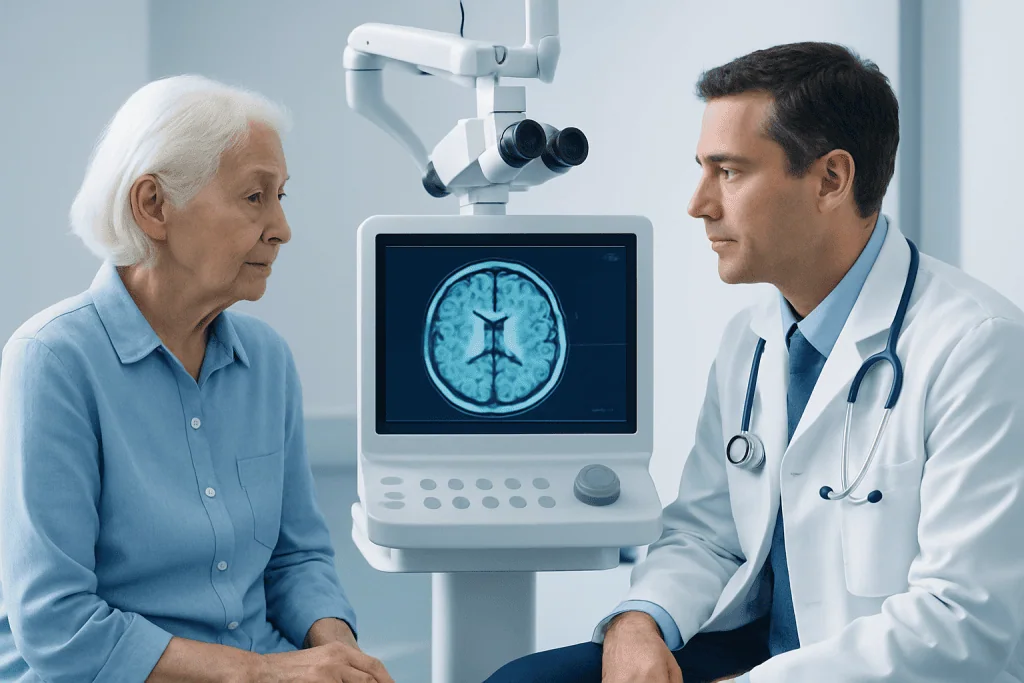
A geriatric neurologist is a neurologist with special experience in conditions that affect the aging nervous system. Their work is not limited to memory loss. They often care for older adults with movement disorders, dizziness, falls, weakness, neuropathy, chronic pain syndromes, stroke recovery needs, and changes in walking or balance.
This specialist usually looks at the whole person, not only the nervous system. Older adults may have several medical conditions at the same time, take many medications, or have hearing, vision, sleep, or mobility issues that influence neurological symptoms. A geriatric neurologist often considers how these factors interact and how treatment may affect daily life, safety, and independence.
Common concerns seen by a geriatric neurologist include:
- Memory changes and possible dementia
- Tremor and Parkinsonian symptoms
- Stroke and transient ischemic attack follow-up
- Peripheral neuropathy causing numbness or burning pain
- Gait disorders, falls, and balance problems
- Sleep disturbance, confusion, or delirium in medically complex older adults
Because treatment goals can differ in later life, this specialist may also help patients and families weigh benefits, risks, and practical priorities. The aim is often to support function, quality of life, symptom control, and safe long-term care planning.
What a Cognitive Neurologist Does

A cognitive neurologist specializes in disorders that affect higher brain functions. These include memory, language, problem-solving, attention, planning, social behavior, and visual-spatial abilities. This field is especially helpful when the main concern is a change in thinking rather than weakness, numbness, or movement symptoms.
Cognitive neurologists often evaluate people with subtle or early symptoms, such as forgetting recent conversations, getting lost in familiar places, difficulty finding words, reduced judgment, or changes in work performance. They may also assess unusual cognitive syndromes, where language, behavior, or visual processing is more affected than memory.
This type of specialist is commonly involved in diagnosing conditions such as Alzheimer’s disease, mild cognitive impairment, frontotemporal disorders, and other causes of cognitive decline. A cognitive neurologist may also help distinguish neurological causes from depression, sleep disorders, medication side effects, or systemic medical illnesses that affect mental clarity.
Because many cognitive disorders develop gradually, cognitive neurologists often use detailed interviews, bedside testing, and formal neuropsychological assessment to define the pattern of impairment. That pattern can provide important clues about the underlying cause and guide next steps in treatment and support.
How They Overlap and How They Differ
The biggest overlap between these specialties is in the evaluation of memory loss and dementia in older adults. Both geriatric neurologists and cognitive neurologists may diagnose common causes of cognitive decline, recommend testing, discuss treatment options, and help families plan care. For a patient or caregiver, the difference may seem small because both can be highly qualified to assess changes in brain function.
The main difference is scope. A geriatric neurologist usually has a wider focus on neurological problems in later life, including movement, sensation, gait, stroke, and age-related complexity. A cognitive neurologist has a narrower but deeper focus on cognition, behavior, and language, especially when the diagnosis is unclear or the presentation is unusual.
For example, an older adult with memory loss plus frequent falls, tremor, sleep disturbance, and multiple medications may particularly benefit from a geriatric neurologist’s broader approach. A person whose main issue is progressive word-finding difficulty, personality change, or an unexplained decline in reasoning may benefit from the more specialized diagnostic perspective of a cognitive neurologist.
In many hospitals and memory clinics, these distinctions are collaborative rather than rigid. Patients may see one specialist first and then be referred to another if more targeted expertise is needed. Shared care is common and often useful.
When to See One Specialist or the Other
Choosing the right specialist often depends on the main symptom. If the concern is broad neurological health in an older adult, a geriatric neurologist is often a sensible first step. This may be especially true when memory changes occur together with weakness, falls, tremor, neuropathy, dizziness, or stroke history.
If the main concern is memory or thinking, a cognitive neurologist may be especially helpful. This includes situations where symptoms are subtle, the diagnosis is uncertain, or there are complex changes in language, judgment, behavior, or visual-spatial skills. These specialists are often involved in detailed assessment for dementia or other cognitive syndromes.
It can help to seek medical advice if a person has any of the following:
- Progressive memory loss that affects daily life
- Difficulty managing finances, medications, or appointments
- Changes in speech, language, or understanding
- Confusion, disorientation, or getting lost
- Personality or behavior changes
- New balance problems, falls, tremor, or weakness in an older adult
Sometimes the first doctor involved is a primary care physician, geriatrician, or general neurologist. That clinician can guide referral based on the pattern of symptoms and the type of evaluation likely to be most helpful.
How Diagnosis and Evaluation Usually Work
Whether a patient sees a geriatric neurologist or a cognitive neurologist, the evaluation usually begins with a detailed medical history. The doctor will ask when symptoms started, whether they are getting worse, how they affect daily activities, and whether there are changes in sleep, mood, movement, or behavior. Family members or caregivers are often important sources of information, especially when the person is not fully aware of the changes.
A neurological examination is typically followed by cognitive screening or more detailed thinking tests. These may assess memory, attention, language, orientation, executive function, and visual-spatial skills. Depending on the situation, the specialist may recommend blood tests to rule out treatable causes such as thyroid problems, vitamin deficiencies, infections, or metabolic disturbances.
Brain imaging may also be part of the work-up. This can help identify stroke, bleeding, tumors, hydrocephalus, atrophy patterns, or other structural causes of symptoms. In some cases, formal neuropsychological testing gives a more complete picture of strengths and weaknesses across different cognitive domains. When appropriate, the doctor may also consider sleep evaluation, mood assessment, hearing testing, or medication review.
For some patients, care may involve advanced diagnostic services or coordinated neurological work-up, such as neurology evaluation and brain MRI. The goal is not only to name the condition, but also to understand what is contributing to symptoms and what support is needed next.
Treatment, Support, and Long-Term Care
Treatment depends on the underlying diagnosis. If symptoms are due to a reversible or treatable cause, care focuses on correcting that problem. If the condition is chronic, treatment usually aims to slow progression when possible, reduce symptoms, support function, and improve safety and quality of life.
For cognitive disorders, treatment may include medication when appropriate, cognitive support strategies, management of sleep or mood problems, and education for caregivers. For broader neurological issues in older adults, care may also include treatment for movement symptoms, neuropathy, stroke prevention, balance problems, or rehabilitation needs. Some patients benefit from physical therapy and rehabilitation to improve mobility, confidence, and daily functioning.
Non-drug support is often just as important as medication. Helpful measures may include structured routines, clear communication, exercise suited to the patient’s abilities, hearing and vision correction, home safety adjustments, and careful review of medicines that may worsen confusion or dizziness. Social work, occupational therapy, speech therapy, and caregiver support can also play important roles.
When specialist care is needed, a multidisciplinary approach is often the most useful. Acibadem International’s multidisciplinary specialists and JCI-accredited hospitals diagnose and treat neurological and cognitive conditions in international patients, with care plans tailored to the individual’s symptoms, age, and overall health.
Practical Self-Care and When to Seek Prompt Medical Advice
Patients and families can support brain health by keeping a symptom diary, bringing a medication list to appointments, and noting when problems happen most often. Good sleep, regular physical activity, blood pressure and diabetes control, social engagement, and management of hearing or vision problems may all help support function and reduce additional strain on the brain.
It is also helpful not to assume that all forgetfulness is “just aging.” Mild changes can occur with age, but persistent or progressive problems deserve evaluation. Early assessment can identify treatable causes, clarify the diagnosis, and allow planning before daily life becomes more affected.
Urgent medical attention is important if symptoms appear suddenly or are accompanied by signs such as facial drooping, arm weakness, severe headache, new seizures, sudden confusion, or loss of consciousness, as these may suggest a medical emergency. Rapid assessment is also important when an older adult has abrupt confusion after illness, dehydration, medication changes, or surgery.
For non-emergency concerns, families should arrange an appointment if memory, judgment, language, balance, or behavior changes are interfering with independence or causing safety concerns. The right specialist can help determine whether the issue is related to normal aging, a neurological condition, or another medical problem that needs treatment.
Frequently asked questions
Is a geriatric neurologist the same as a cognitive neurologist?
No. Both are neurologists, but a geriatric neurologist focuses on neurological conditions in older adults, while a cognitive neurologist focuses on memory, thinking, language, and behavior. There is overlap, especially in dementia care, but the emphasis of each specialty is different.
Which specialist is best for memory loss in an older adult?
Either may be appropriate, depending on the full picture. If memory loss is the main issue, a cognitive neurologist may be especially helpful. If memory changes are accompanied by falls, tremor, stroke history, or multiple age-related neurological issues, a geriatric neurologist may be a better first choice.
Can a cognitive neurologist diagnose dementia?
Yes. Cognitive neurologists commonly diagnose and evaluate dementia, mild cognitive impairment, and related disorders. They often use detailed history-taking, cognitive testing, and brain imaging or neuropsychological assessment when needed.
Does every older adult with forgetfulness need a specialist?
Not always. Mild occasional forgetfulness can occur with normal aging, stress, poor sleep, or medication effects. A specialist is more important when symptoms are progressive, affect daily life, or occur with confusion, behavior changes, or other neurological symptoms.
What tests might these specialists order?
Testing may include a neurological examination, cognitive screening, blood tests, and brain imaging such as MRI. Some patients also need formal neuropsychological testing, medication review, or assessment for sleep, mood, hearing, or other medical issues that can affect cognition.
Can one patient see both a geriatric neurologist and a cognitive neurologist?
Yes. In complex cases, shared care can be very helpful. One specialist may address broader neurological issues related to aging, while the other focuses on the details of memory, language, behavior, and cognitive diagnosis.
References
- National Institute on Aging
- American Academy of Neurology
- Alzheimer's Association
- National Institute of Neurological Disorders and Stroke
- World Health Organization
This article is for general information only and is not a substitute for professional medical advice. Please consult a qualified doctor about your individual situation.
Explore treatments in Turkey — costs, top hospitals & a free quote
JCI-accredited · board-certified surgeons · reply within 24h
Add us as a Preferred Source to see more of our trusted health content across Google Search, AI Overviews and Discover.