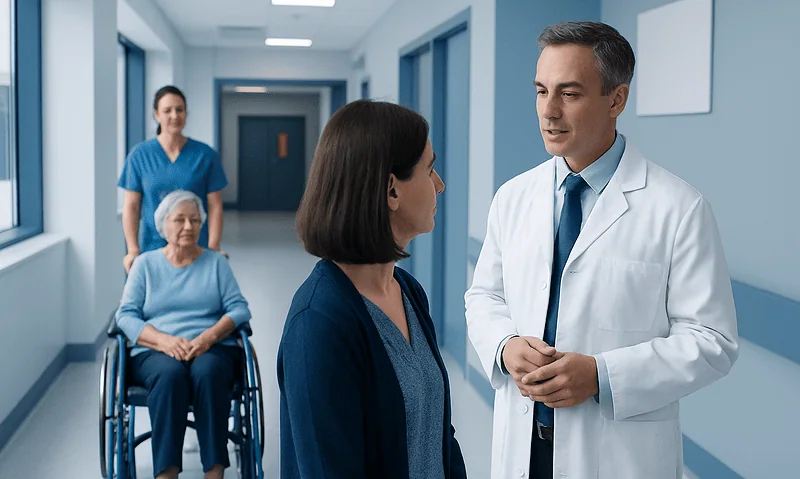
Getting a Second Medical Opinion: When It Helps and What to Bring

A second medical opinion is common and can be helpful for serious, complex, or unclear health issues. It may confirm the first diagnosis and treatment plan or suggest other reasonable options.
Key Takeaways
- A second medical opinion is common and can be helpful for serious, complex, or unclear health issues.
- It may confirm the first diagnosis and treatment plan or suggest other reasonable options.
- Bringing records, test results, medication lists, and written questions helps make the visit more useful.
- Seeking another opinion should not delay urgent or emergency treatment.
- Many people ask for a second opinion before surgery, cancer treatment, or long-term therapy decisions.
A second medical opinion gives a person another qualified expert's review of a diagnosis, test result, or treatment plan. It can improve understanding, confirm the next steps, and support more confident healthcare decisions.
Overview
A second medical opinion means asking another qualified doctor to review a diagnosis, test findings, or treatment plan. This is a normal part of healthcare and does not usually mean that the first doctor was wrong. In many cases, it simply helps a person better understand the condition and feel more comfortable with important decisions.
People often seek a second opinion when they face a major diagnosis, need surgery, are considering a long-term treatment, or feel unsure about what they have been told. Another doctor may confirm the original plan, offer a different perspective, or explain the same recommendation in a clearer way. Even when both doctors agree, that agreement can provide reassurance.
A second opinion can be especially valuable for conditions that are rare, complex, or have several possible treatment approaches. It can also help when symptoms continue despite treatment, test results are unclear, or a person wants to explore less invasive options. The goal is not to create confusion, but to support informed and confident care.
When a Second Medical Opinion Helps Most
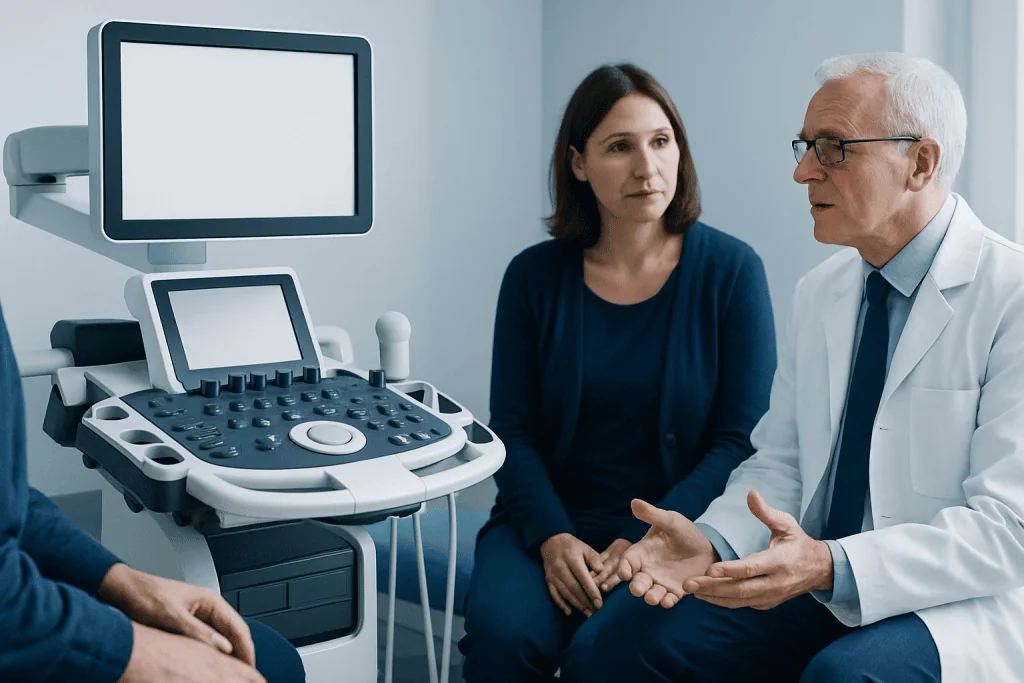
There are many situations in which a second opinion may be useful. One of the most common is after a serious new diagnosis, such as heart disease, a neurological disorder, or cancer. In these settings, treatment choices may be complex, and another specialist can help explain the expected benefits, risks, and alternatives.
It may also help before a major procedure or operation. For example, a person may want another surgeon or specialist to confirm that surgery is truly needed, or to discuss whether there are other approaches first. This can be valuable before robotic surgery, spine surgery, or other treatments that may affect long-term quality of life.
A second opinion can also be appropriate when:
- Symptoms do not improve with treatment
- The diagnosis is uncertain or has changed over time
- Several treatment options exist and each has trade-offs
- A rare disease or unusual test result is involved
- The person feels their questions were not fully answered
- There is concern about starting lifelong medication or intensive therapy
However, urgent situations are different. If a person has signs of a medical emergency, such as severe chest pain, stroke symptoms, serious bleeding, or trouble breathing, immediate treatment should come first. A second opinion can be pursued later if needed, once the person is medically stable.
What a Second Opinion Can and Cannot Do

A second opinion can help confirm a diagnosis, review whether more tests are needed, and explain treatment choices in a fresh way. It may identify alternatives, such as monitoring, medication, rehabilitation, or minimally invasive procedures. In some cases, it can change the diagnosis or lead to a more precise understanding of the problem.
It can also help a person prepare emotionally and practically for treatment. Hearing the same recommendation from two independent experts often reduces uncertainty. If the opinions differ, that does not automatically mean one is wrong; it may reflect the fact that medicine sometimes involves more than one reasonable approach.
At the same time, a second opinion has limits. It cannot guarantee a better outcome or eliminate all uncertainty. Some conditions remain difficult to diagnose even after several expert reviews, and different doctors may place different weight on the same symptoms or imaging findings.
The most helpful mindset is to see a second opinion as part of shared decision-making. It works best when the person uses it to gather information, compare options, and choose care with a qualified doctor based on medical evidence, personal goals, and day-to-day needs.
What to Bring to a Second Opinion Appointment
Good preparation makes a second opinion more useful. The reviewing doctor will usually need a clear medical history and access to previous records. Bringing complete information can reduce repeated testing, save time, and help the specialist focus on what matters most.
It is often helpful to bring or arrange copies of:
- Clinic notes and hospital discharge summaries
- Laboratory test results
- Imaging reports and, if possible, the actual image files on disc or secure digital access
- Pathology reports and biopsy results, if relevant
- A list of current medicines, vitamins, supplements, and allergies
- A summary of past medical conditions, surgeries, and family history
- Any treatment already tried and how well it worked
- Insurance or referral documents, if required
Written questions are just as important as medical records. A person may want to ask: Is the diagnosis certain? Are there other possible explanations? What are the treatment options? What happens if treatment is delayed or not started? What are the likely benefits and side effects? Taking notes during the visit or bringing a trusted family member can also help.
If the issue is highly specialized, the doctor may recommend additional review by another expert, such as a tumor board, advanced imaging specialist, or pathology review. For some conditions, further evaluation through comprehensive assessment or MRI imaging may help clarify the picture.
How Doctors Reach a Second Opinion
During a second opinion visit, the doctor usually starts by reviewing records and listening to the person’s story in their own words. They may ask about when symptoms began, how they changed, and what treatments have already been tried. This conversation often reveals important details that are not fully captured in reports alone.
The doctor then compares the history with physical examination findings and any prior tests. Sometimes the original workup is complete and no further testing is needed. In other cases, the specialist may suggest repeating a test, ordering a different imaging study, reviewing tissue samples again, or consulting another sub-specialist.
Second opinions are especially common in complex areas such as oncology, neurology, cardiology, and orthopedics. For instance, a person may seek a second opinion before cancer treatment or when deciding between rehabilitation and surgery for spine or joint problems. The purpose is to understand whether the current plan is the best fit for the diagnosis and the person’s goals.
After the review, the specialist should explain their conclusions in clear language. They may fully agree with the first doctor, suggest modifications, or recommend a different path. A good second opinion should leave the person with a clearer understanding of the options and the reasons behind them.
How to Compare Opinions and Make a Decision
If both opinions are similar, the decision may feel easier. The person can then choose where to receive care based on factors such as communication, access, convenience, multidisciplinary support, and personal comfort. When two experts agree, it often strengthens confidence in the diagnosis and plan.
If the opinions differ, it can help to compare the reasoning rather than only the final recommendation. Questions to consider include: What diagnosis does each doctor think is most likely? What evidence supports that view? What are the expected benefits and risks of each treatment? How urgent is the decision? Is watchful waiting a safe option?
Sometimes a third opinion is reasonable, especially for rare diseases or major surgery. This can be useful if the first two recommendations are very different or if the person still does not understand the trade-offs. Asking for explanations in plain language is appropriate and often essential for good decision-making.
Near the end of this process, some people choose centers that offer coordinated care across specialties. Acibadem International’s multidisciplinary specialists in JCI-accredited hospitals diagnose and treat complex conditions for international patients, which can be helpful when several expert views are needed in one setting.
Practical Tips, Costs, and When to Seek Help Quickly
Before arranging a second opinion, it is wise to check practical details. Some health systems or insurers require a referral, pre-authorization, or records to be sent in advance. Asking how long the appointment will take, whether records can be reviewed remotely, and whether imaging or pathology should be transferred ahead of time can make the process smoother.
People should also remember that a second opinion should support care, not unnecessarily delay it. For non-urgent conditions, taking time to understand the choices is often sensible. But if a doctor has explained that a condition is rapidly progressing or needs prompt treatment, it is important to discuss the safest timeline for any additional review.
A person should seek urgent medical attention rather than wait for another opinion if they develop severe or worsening symptoms, such as chest pain, sudden weakness, confusion, heavy bleeding, high fever with serious illness, new seizures, or shortness of breath. In these situations, immediate assessment matters most.
Overall, a second medical opinion is a practical tool for safer, more informed decisions. With organized records, clear questions, and timely action, it can help a person understand their diagnosis, weigh treatment options, and move forward with greater confidence.
Frequently asked questions
Is it rude to ask for a second medical opinion?
No. Asking for a second opinion is a common and accepted part of medical care. Most doctors understand that people may want more clarity or reassurance before making important decisions.
Do people only need a second opinion for serious illnesses?
Not always. While second opinions are common for cancer, surgery, or rare diseases, they can also help with ongoing symptoms, unclear diagnoses, or treatment plans that are not working well. The decision depends on how complex or uncertain the situation feels.
Will a second doctor repeat all my tests?
Not necessarily. If the previous records are complete and high quality, the second doctor may only review them and examine the patient. Repeat testing is usually considered only when results are missing, unclear, outdated, or need expert re-evaluation.
What if the second opinion is different from the first?
Different opinions can happen, especially when more than one treatment approach is reasonable. It helps to compare the doctors' explanations, the evidence behind each plan, and how urgent the decision is. In some cases, a third opinion may be useful.
Should a person tell their first doctor about getting a second opinion?
In most cases, yes. Open communication often makes it easier to collect records and coordinate care. It can also help the original doctor understand the patient's concerns and answer any remaining questions.
Can a second opinion delay treatment too much?
It can if the condition is urgent and the process takes too long. That is why timing matters. For emergencies or rapidly worsening symptoms, immediate treatment should come first, and further opinions can be considered after stabilization.
References
- World Health Organization
- U.S. National Library of Medicine
- American Medical Association
- National Cancer Institute
This article is for general information only and is not a substitute for professional medical advice. Please consult a qualified doctor about your individual situation.
Explore treatments in Turkey — costs, top hospitals & a free quote
JCI-accredited · board-certified surgeons · reply within 24h
Add us as a Preferred Source to see more of our trusted health content across Google Search, AI Overviews and Discover.