Giddiness: An Evidence-Based Guide for Patients

Giddiness is a symptom, not a diagnosis, and it can describe lightheadedness, imbalance, or a spinning sensation. Common causes include dehydration, low blood pressure, medication effects, inner ear disorders, stress, and migraine.
Key Takeaways
- Giddiness is a symptom, not a diagnosis, and it can describe lightheadedness, imbalance, or a spinning sensation.
- Common causes include dehydration, low blood pressure, medication effects, inner ear disorders, stress, and migraine.
- Warning signs such as chest pain, fainting, weakness, trouble speaking, or sudden severe headache need urgent medical attention.
- Diagnosis depends on careful history, physical examination, and selected tests based on the suspected cause.
- Treatment focuses on the underlying reason and may include fluids, medication review, balance care, or treatment of ear, heart, or neurologic conditions.
Giddiness is a broad term people use for feeling lightheaded, unsteady, faint, or as if the surroundings are moving. It is a symptom rather than a disease, and it can be caused by anything from dehydration and low blood pressure to inner ear problems, migraine, anxiety, or less commonly serious neurologic or heart conditions.
What giddiness means
Giddiness is a common everyday word, but medically it can describe several different sensations. One person may use it to mean feeling faint or lightheaded, while another may mean unsteady on the feet, confused, or as if the room is spinning. Because the term is broad, doctors usually ask detailed questions to understand exactly what the person is feeling.
In practice, giddiness may overlap with dizziness, vertigo, imbalance, or near-fainting. Vertigo usually refers to a false sense of movement, often spinning, and is frequently linked to the inner ear. Lightheadedness is more often associated with dehydration, low blood pressure, illness, or changes in blood flow. A sense of imbalance may point to the inner ear, nerves, muscles, vision, or the brain.
Most episodes of giddiness are not caused by a dangerous condition, especially if they are brief and related to standing up too quickly, missing meals, lack of sleep, or viral illness. However, persistent, recurrent, or sudden severe symptoms should be assessed by a qualified doctor so the cause can be identified and treated safely.
How giddiness can feel
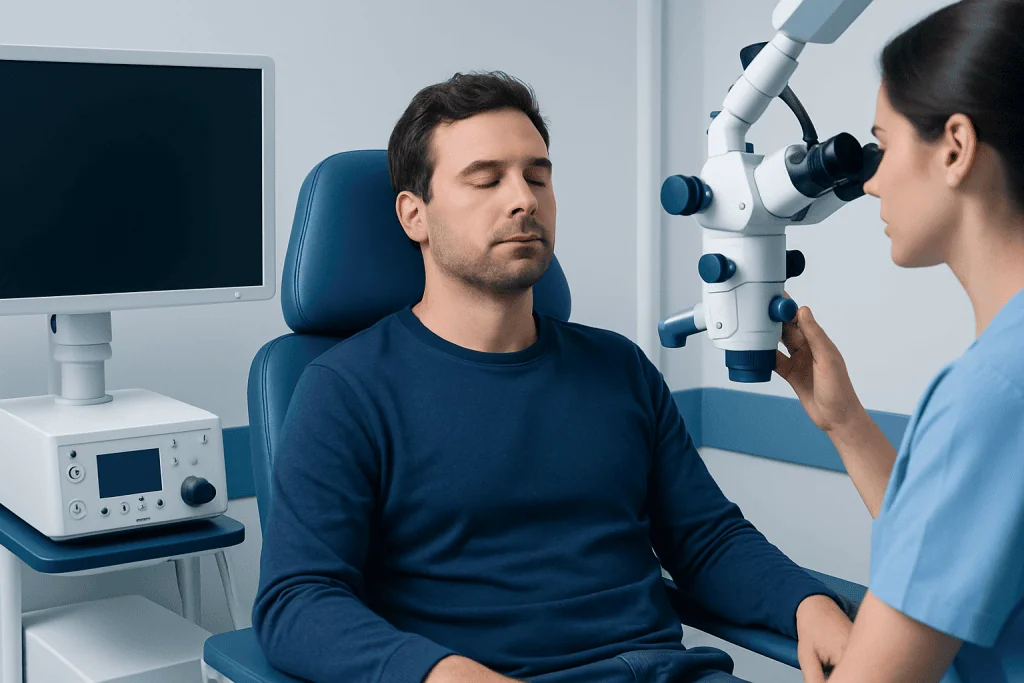
People describe giddiness in different ways. Some say they feel woozy, floaty, foggy, or off-balance. Others feel as if they may faint, especially when standing up. When there is a spinning or tilting sensation, the symptom may be better described as vertigo.
Associated symptoms can provide clues about the cause. Nausea, vomiting, ear fullness, ringing in the ears, or hearing changes can suggest an inner ear problem. Palpitations, sweating, or shortness of breath may point toward blood pressure, heart rhythm, anxiety, or other systemic causes. Headache, sensitivity to light, visual symptoms, or a history of migraine can also be relevant.
It is helpful for patients to notice when symptoms occur and how long they last. Episodes triggered by rolling in bed or turning the head are different from symptoms that come on after standing, exertion, fever, emotional stress, or not drinking enough fluids. This pattern often helps guide the next steps in diagnosis.
- Lightheadedness or feeling faint
- Unsteadiness or poor balance
- Spinning or movement sensation
- Nausea or motion sensitivity
- Blurred vision or difficulty focusing
- Weakness, fatigue, or “brain fog”
Common causes and risk factors

Giddiness can come from many body systems. Common everyday causes include dehydration, overheating, skipped meals, low blood sugar, lack of sleep, alcohol, and emotional stress. Standing up quickly can briefly lower blood pressure and reduce blood flow to the brain, causing a short episode of lightheadedness.
Inner ear conditions are another important cause because the balance organs sit within the ear. Benign paroxysmal positional vertigo, vestibular neuritis, labyrinthitis, and Ménière-related disorders may all lead to dizziness or spinning sensations. Ear-related symptoms such as hearing changes or tinnitus make an ear cause more likely. Some patients may need evaluation by specialists in ear, nose, and throat care.
Other possible causes include medication side effects, anemia, infections, migraine, anxiety, heart rhythm disorders, low blood pressure, and problems affecting the nervous system. In older adults, giddiness may result from several smaller factors acting together, such as poor vision, reduced balance function, medications, and blood pressure changes. Less commonly, serious neurologic conditions such as stroke can present with dizziness, especially when combined with weakness, speech difficulty, or severe imbalance.
Risk factors depend on the cause but may include older age, recent viral illness, a history of migraine, diabetes, cardiovascular disease, dehydration, pregnancy, anemia, and using medicines that lower blood pressure or cause sedation. Because symptoms can have more than one cause, a broad and careful assessment is often the most useful approach.
How doctors diagnose giddiness
Diagnosis begins with a detailed medical history. The doctor will ask what the sensation feels like, how suddenly it started, how long it lasts, what triggers it, and whether there are associated symptoms such as hearing loss, headache, palpitations, chest discomfort, or fainting. Information about current medications, recent infections, chronic conditions, and hydration is also important.
The physical examination usually includes blood pressure and pulse measurements, sometimes while lying down and standing, as well as an examination of the ears, eyes, nervous system, and walking balance. Specific bedside maneuvers may be used if positional vertigo is suspected. These clues often narrow the likely causes significantly before any testing is ordered.
Tests are selected based on the suspected cause rather than being needed for everyone. A doctor may request blood tests for anemia, infection, thyroid issues, or glucose problems. An electrocardiogram may be used if a heart rhythm issue is possible. Hearing and balance assessments, and at times MRI imaging, may be considered when symptoms are persistent, unexplained, or suggest a neurologic or inner ear disorder. If there are signs of a cardiac cause, cardiology evaluation may be appropriate.
Treatment options for giddiness
Treatment depends on the underlying cause. If giddiness is related to dehydration, not eating enough, or overheating, simple measures such as resting, drinking fluids, and correcting the trigger may help. Medication review is also important, since adjusting or changing a medicine can sometimes improve symptoms when side effects are the main issue.
When an inner ear disorder is responsible, treatment may include specific head-positioning maneuvers, short-term symptom-relieving medicines, balance rehabilitation, or treatment of infection or inflammation where appropriate. Vestibular exercises may help the brain adapt after certain balance disorders. People with migraine-related dizziness may benefit from identifying triggers and discussing preventive treatment with their doctor.
If the cause involves blood pressure, anemia, heart rhythm problems, infection, or neurologic disease, treatment targets that condition directly. For some patients, managing stress, improving sleep, staying well hydrated, and standing up more slowly are practical steps that reduce recurrences. Because the same symptom can have very different causes, self-treating persistent giddiness without medical advice is not ideal.
Near the end of the care pathway, some patients may benefit from multidisciplinary assessment, especially when symptoms are recurrent or complex. Acibadem International’s multidisciplinary specialists and JCI-accredited hospitals diagnose and treat patients with dizziness-related conditions, including inner ear, neurologic, and cardiovascular causes.
Prevention and self-care
Not every episode of giddiness can be prevented, but many common triggers can be reduced with daily habits. Drinking enough fluids, especially in hot weather or during illness, helps maintain blood pressure and circulation. Eating regular meals can prevent symptoms related to low blood sugar, and limiting excess alcohol may also help.
Getting up slowly from bed or from a chair can reduce brief dizziness linked to blood pressure changes. For people who feel unsteady, using handrails, improving home lighting, and removing trip hazards can lower the risk of falls. Balance symptoms can be more troublesome in older adults, so fall prevention is an important part of self-care.
Keeping a symptom diary may be useful. Recording the time, duration, triggers, associated symptoms, foods, hydration, stress, and medications can reveal patterns that make diagnosis easier. Patients should avoid driving, climbing, or operating machinery during active giddiness until they feel steady and know the cause.
- Drink fluids regularly unless a doctor has advised fluid restriction
- Stand up gradually and pause before walking
- Eat regular, balanced meals
- Sleep adequately and manage stress
- Review medications with a doctor or pharmacist
- Seek assessment if symptoms recur or worsen
When to seek medical care
Brief mild giddiness after standing up quickly or during a minor illness may improve with rest, fluids, and observation. However, medical review is important if symptoms are frequent, last longer than expected, interfere with walking or daily activities, or come with hearing loss, repeated vomiting, severe headache, or new migraine-like symptoms.
Urgent medical care is needed if giddiness occurs with chest pain, fainting, severe shortness of breath, a very fast or irregular heartbeat, new weakness or numbness, trouble speaking, double vision, severe difficulty walking, or a sudden severe headache. These features can signal a more serious heart or neurologic problem and should not be ignored.
It is also sensible to seek medical advice for giddiness during pregnancy, after a head injury, in older adults with falls, or in anyone with diabetes, heart disease, or known neurologic conditions. Early assessment can help identify the cause, prevent complications, and guide safe treatment.
Frequently asked questions
Is giddiness the same as vertigo?
Not exactly. Giddiness is a general term people use for lightheadedness, imbalance, faintness, or a spinning feeling, while vertigo specifically means a false sensation of movement, often spinning. A doctor will often ask detailed questions to separate these sensations because the causes can differ.
Can dehydration cause giddiness?
Yes. Dehydration can lower blood volume and contribute to low blood pressure, which may cause lightheadedness or feeling faint. This is more likely in hot weather, during fever, vomiting, diarrhea, or after not drinking enough fluids.
When is giddiness a medical emergency?
Emergency assessment is important if giddiness occurs with chest pain, fainting, severe shortness of breath, new weakness, trouble speaking, double vision, or a sudden severe headache. These symptoms can suggest a serious heart or brain problem. Sudden severe imbalance that makes walking difficult also needs prompt medical attention.
What tests might be needed for giddiness?
Many people do not need extensive testing, especially if the cause becomes clear from the history and examination. Depending on the situation, a doctor may request blood tests, an ECG, hearing or balance tests, or imaging such as MRI. Tests are chosen according to the suspected cause, not used the same way for everyone.
Can anxiety cause giddiness?
Yes, anxiety and panic can cause lightheadedness, unsteadiness, and a sense of unreality or fogginess. Fast breathing, muscle tension, and stress-related changes in body sensation can all contribute. Even so, recurring symptoms should still be assessed so other medical causes are not missed.
How can someone reduce repeated episodes of giddiness?
Helpful steps may include drinking enough fluids, eating regular meals, sleeping well, rising slowly from sitting or lying positions, and reviewing medicines with a doctor. A symptom diary can also help identify triggers such as dehydration, stress, certain head movements, or migraine patterns. If episodes continue, medical evaluation is the safest next step.
References
- World Health Organization
- National Institute on Deafness and Other Communication Disorders
- American Academy of Otolaryngology–Head and Neck Surgery
- National Institute of Neurological Disorders and Stroke
- American Heart Association
This article is for general information only and is not a substitute for professional medical advice. Please consult a qualified doctor about your individual situation.
Explore treatments in Turkey — costs, top hospitals & a free quote
JCI-accredited · board-certified surgeons · reply within 24h
Add us as a Preferred Source to see more of our trusted health content across Google Search, AI Overviews and Discover.
Check your numbers in seconds
BMI, calories, due date, blood pressure and 30+ more clinical calculators — free, instant, doctor-reviewed ranges.

More from the Health Library



Related Specialists

Dr. Burak Kutlu
General Surgery
Assoc. Prof. Dr. Enver Mahir Gülcan
Pediatric Gastroenterology
Dr. Ertuğrul Tekçe
Radiation Oncology
Dr. Mustafa Demirel
Emergency Service