Glucose: An Evidence-Based Guide for Patients

Glucose is a simple sugar that the body uses for energy. Blood glucose levels are regulated mainly by insulin and other hormones.
Key Takeaways
- Glucose is a simple sugar that the body uses for energy.
- Blood glucose levels are regulated mainly by insulin and other hormones.
- High or low glucose can cause symptoms and may signal an underlying health condition.
- Glucose testing may involve finger-stick checks, lab blood tests, or continuous monitoring.
- Healthy eating, regular activity, and medical follow-up can help keep glucose in a safe range.
Glucose is the body’s main form of sugar and a key source of energy for the brain, muscles, and organs. Blood glucose that stays too high or too low can affect health, so understanding symptoms, testing, and treatment is important.
Overview: what glucose is and why it matters
Glucose is a simple sugar that circulates in the blood and serves as the body’s main fuel source. It comes from carbohydrates in food and is also produced by the liver when needed. Cells use glucose to make energy, especially in the brain, which depends heavily on a steady supply.
The body works continuously to keep blood glucose within a healthy range. After a meal, glucose rises and the pancreas releases insulin, a hormone that helps glucose move from the bloodstream into cells. Between meals or during fasting, other hormones help prevent glucose from dropping too low.
When this balance is disrupted, glucose can become too high, called hyperglycemia, or too low, called hypoglycemia. Both can cause symptoms, and persistent problems may point to conditions such as diabetes or less commonly other hormonal, liver, or pancreatic disorders. Understanding glucose helps patients make sense of blood test results, symptoms, and treatment decisions.
How the body controls blood glucose
Blood glucose regulation involves several organs working together. The pancreas makes insulin, which lowers blood glucose by helping body tissues absorb and store it. The pancreas also makes glucagon, a hormone that signals the liver to release stored glucose when the body needs more energy.
The liver acts as a reserve system. It stores excess glucose in a form called glycogen and releases it during fasting, exercise, or illness. Muscles use glucose for movement, while fat tissue stores extra energy. Hormones such as cortisol, adrenaline, and growth hormone can also raise blood glucose during stress or illness.
This system is dynamic rather than fixed. Glucose naturally changes throughout the day depending on meals, sleep, physical activity, medications, stress, and overall health. A single reading may be useful, but patterns over time are often more important than one isolated number.
Problems with glucose control can happen if the body does not make enough insulin, does not respond well to insulin, releases too much stored glucose, or is affected by illness or medication. This is why glucose abnormalities can occur in both people with and without known diabetes.
Symptoms of high and low glucose

High glucose may develop gradually or more quickly, depending on the cause. Common symptoms include increased thirst, frequent urination, blurred vision, fatigue, headaches, and feeling unusually hungry. Some people may notice slow-healing cuts, recurrent infections, or unexplained weight changes.
Low glucose often causes symptoms that come on more suddenly. A person may feel shaky, sweaty, weak, hungry, dizzy, anxious, irritable, or have trouble concentrating. If glucose drops further, confusion, poor coordination, fainting, or seizures can occur and need urgent attention.
Not everyone has obvious symptoms. Some people, especially those with long-standing diabetes, may have reduced awareness of low glucose. Others may discover high glucose only during routine blood work. For this reason, symptoms are helpful clues, but testing is needed to confirm what is happening.
- Possible signs of high glucose: thirst, frequent urination, fatigue, blurred vision
- Possible signs of low glucose: sweating, tremor, hunger, dizziness, confusion
- Symptoms can overlap with other conditions, so medical evaluation matters
Common causes and risk factors
The most common reason for persistently high glucose is diabetes, including type 1 diabetes, type 2 diabetes, and diabetes during pregnancy. Prediabetes can also cause glucose levels that are higher than normal but not yet in the diabetes range. Conditions affecting the pancreas, liver, adrenal glands, or thyroid may also influence glucose control.
Medications are another important factor. Some steroids, certain psychiatric medicines, and other drugs can raise blood glucose. On the other hand, diabetes medications, missed meals, alcohol use, intense exercise, or prolonged fasting may contribute to low glucose. Illness, surgery, and severe stress can raise glucose even in people without a prior diagnosis of diabetes.
Risk factors for high glucose include family history of diabetes, excess body weight, low physical activity, increasing age, a history of gestational diabetes, high blood pressure, abnormal cholesterol levels, and some sleep-related disorders. In children and younger adults, unexplained weight loss, excessive thirst, and frequent urination should be assessed promptly because they can suggest type 1 diabetes.
Low glucose is less common in people who do not take glucose-lowering medication, but it can occur. Causes may include prolonged fasting, heavy alcohol use, severe infection, some hormone deficiencies, or rarely insulin-producing tumors. A clinician may need to investigate further if low glucose episodes recur.
How glucose is tested and interpreted
Glucose can be checked in several ways. A fasting blood glucose test measures the level after not eating for a set time. A random blood glucose test can be done at any time of day. An oral glucose tolerance test measures how the body handles glucose after a sugary drink, and is often used in pregnancy or when diagnosis is unclear.
Another key test is hemoglobin A1c, often called HbA1c. This reflects average blood glucose over the previous two to three months rather than a single moment. It helps clinicians assess long-term patterns and is widely used to diagnose and monitor diabetes.
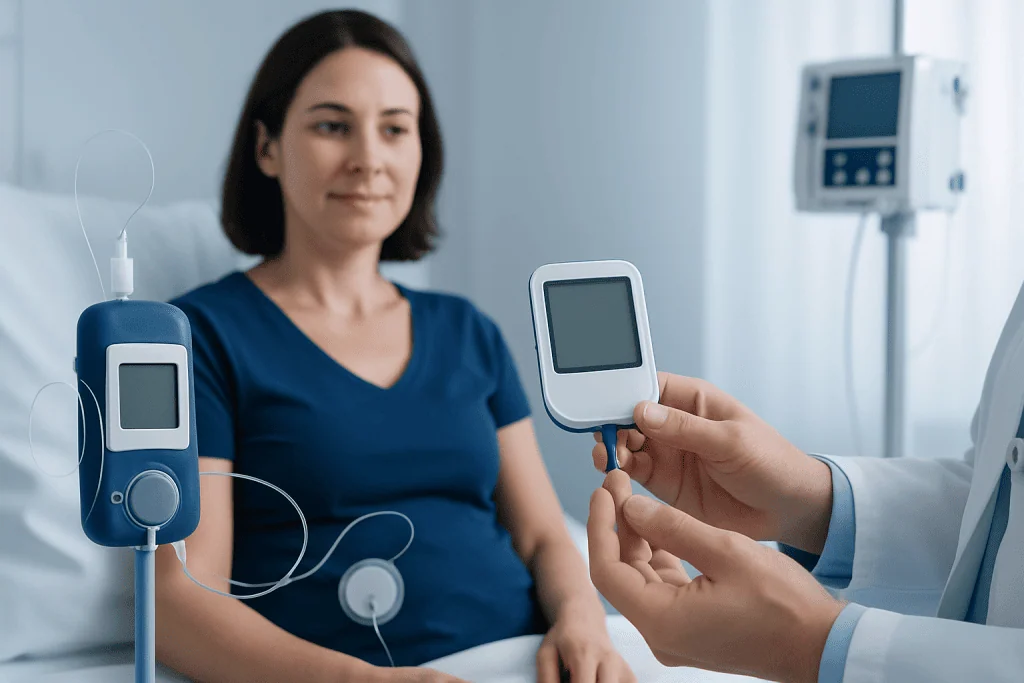
People already diagnosed with diabetes may use home glucose meters or continuous glucose monitoring devices. These tools can reveal daily patterns, show how meals and activity affect levels, and help guide treatment safely. They do not replace medical advice, but they can make glucose management more precise.
Test results should always be interpreted in context. A doctor will consider symptoms, medications, recent illness, pregnancy status, and whether the blood sample was fasting or random. If glucose results are abnormal, the next steps may include repeat testing, lifestyle guidance, or referral for specialist care.
Treatment and glucose management options
Treatment depends on the reason glucose is out of range. If high glucose is linked to diabetes, care may include nutrition changes, increased physical activity, weight management, regular monitoring, and medication. Some people benefit from tablets, while others need insulin through insulin therapy or other injectable treatments. The goal is not just to lower numbers, but to support daily well-being and reduce the risk of long-term complications.
Low glucose is treated differently. The immediate priority is to restore a safe glucose level, usually with fast-acting carbohydrate if the person is awake and able to swallow. After recovery, it is important to identify why the episode happened, such as delayed meals, medication timing, alcohol intake, or unusual exertion.
For people with repeated highs or lows, individualized care is important. Meal planning, medication review, exercise adjustments, and education on symptom recognition can make a major difference. Some patients may need assessment for prediabetes or a broader endocrine review if the cause is not clear.
If glucose abnormalities are persistent or complex, specialist evaluation may help. In centers with multidisciplinary care, teams may include endocrinologists, dietitians, diabetes educators, and internists. Acibadem International’s multidisciplinary specialists and JCI-accredited hospitals diagnose and treat glucose-related disorders for international patients when advanced assessment or management is needed.
Daily habits that support healthy glucose
For many people, everyday habits have a strong effect on glucose patterns. Meals that include fiber, protein, and healthy fats can help slow the rise in blood sugar after eating. Consistent meal timing may also help, especially for people taking glucose-lowering medicines. Sugary drinks and highly refined carbohydrates tend to raise glucose more quickly.
Regular physical activity helps the body use insulin more effectively. Even moderate exercise such as walking can support glucose control, although exercise plans may need to be adjusted for people who are prone to low glucose. Adequate sleep and stress management are also relevant, because poor sleep and chronic stress can make glucose harder to regulate.
Self-care works best when it is realistic and individualized. Patients should not stop prescribed medicines or follow very restrictive diets without medical advice. A registered dietitian or endocrine team can help tailor goals, especially for children, older adults, pregnancy, or people with other chronic conditions.
- Choose balanced meals with vegetables, whole grains, lean protein, and healthy fats
- Stay physically active most days of the week
- Take medications as prescribed and monitor as advised
- Keep follow-up appointments and ask about symptoms or unusual readings
When to seek medical care
Medical care is appropriate if glucose readings are repeatedly higher or lower than expected, even if symptoms seem mild. A person should also seek evaluation for increased thirst, frequent urination, unexplained weight loss, repeated low-glucose symptoms, or persistent fatigue. These signs do not always mean diabetes, but they deserve assessment.
Urgent care is needed if someone with suspected low glucose becomes confused, difficult to wake, has a seizure, or cannot safely swallow. Immediate medical attention is also important for severe dehydration, vomiting, rapid breathing, or worsening drowsiness in a person with high glucose, as these can signal a serious metabolic emergency.
Anyone who is pregnant, caring for a child with symptoms, or managing multiple chronic illnesses should be especially cautious and seek professional guidance early. Prompt evaluation can clarify the cause, guide safe treatment, and help prevent avoidable complications.
Frequently asked questions
Is glucose the same as sugar?
Glucose is a type of sugar and the main sugar found in the blood. In everyday language, people often use “blood sugar” and “blood glucose” to mean the same thing.
What is the difference between glucose and diabetes?
Glucose is the body’s energy source, while diabetes is a condition that affects how the body regulates glucose. A person can have normal glucose levels without diabetes, or abnormal glucose levels because of diabetes or another medical issue.
Can someone have abnormal glucose without knowing it?
Yes. High glucose may cause few symptoms at first, and some people discover it only during routine testing. Low glucose can also be missed if symptoms are mild or mistaken for stress, hunger, or fatigue.
What foods raise glucose the fastest?
Foods and drinks with a high amount of rapidly absorbed carbohydrate usually raise glucose more quickly. Examples include sugary beverages, sweets, and some refined grains, though the exact effect varies from person to person and depends on portion size and what else is eaten with the meal.
How is glucose checked at home?
Many people use a finger-stick glucose meter, which gives a reading from a small drop of blood. Others may use a continuous glucose monitor that tracks glucose trends through a sensor placed on the skin. A healthcare professional can advise which method is most appropriate.
Can stress affect glucose levels?
Yes. Physical stress from illness or surgery, as well as emotional stress, can raise glucose by triggering hormones that increase blood sugar. This effect can happen in people with diabetes and sometimes in those without it.
This article is for general information only and is not a substitute for professional medical advice. Please consult a qualified doctor about your individual situation.
Explore treatments in Turkey — costs, top hospitals & a free quote
JCI-accredited · board-certified surgeons · reply within 24h
Add us as a Preferred Source to see more of our trusted health content across Google Search, AI Overviews and Discover.
Check your numbers in seconds
BMI, calories, due date, blood pressure and 30+ more clinical calculators — free, instant, doctor-reviewed ranges.

More from the Health Library

Knee Effusion Remedies: An Evidence-Based Guide for Patients

Loofah: An Evidence-Based Guide for Patients

Skin Cycling — Explained by Medical Evidence, Not Myths

Velopharyngeal Insufficiency: What Patients Need to Know

Hydrocele — Explained by Medical Evidence, Not Myths