Glucose in urine: Common Causes, Warning Signs, and When to See a Doctor

Glucose in urine is often linked to high blood sugar, especially diabetes or prediabetes. Some kidney conditions, pregnancy, medications, and temporary stress on the body can also lead to glucose in urine.
Key Takeaways
- Glucose in urine is often linked to high blood sugar, especially diabetes or prediabetes.
- Some kidney conditions, pregnancy, medications, and temporary stress on the body can also lead to glucose in urine.
- Urine glucose alone does not confirm a diagnosis; blood tests and other urine tests are usually needed.
- Common warning signs include increased thirst, frequent urination, fatigue, and unexplained weight changes.
- Prompt medical review is important if glucose in urine appears with symptoms of dehydration, infection, or very high blood sugar.
Glucose in urine means sugar is being detected in the urine, most often because blood glucose levels are higher than the kidneys can reabsorb. It can sometimes happen for other reasons too, so proper testing is important to find the cause and guide treatment.
Overview: What glucose in urine means
Glucose in urine, also called glycosuria, means that sugar is present in the urine sample. In many cases, this happens when blood sugar rises high enough that the kidneys can no longer reabsorb all of it, so some passes into the urine instead. For many people, it is a clue that diabetes, prediabetes, or another glucose-related problem may need evaluation.
However, glucose in urine does not always mean the same thing in every person. Sometimes the kidneys themselves are the reason, because they are letting glucose pass into the urine even when blood sugar is normal or only mildly raised. This is why a urine dipstick result is usually the starting point rather than the final diagnosis.
Urine findings are best understood together with symptoms, medical history, and blood tests. A doctor may look for related issues such as dehydration, urinary tract infection, pregnancy-related changes, or signs of conditions like diabetes. The goal is to understand not just whether glucose is present, but why it is there.
Possible symptoms and warning signs
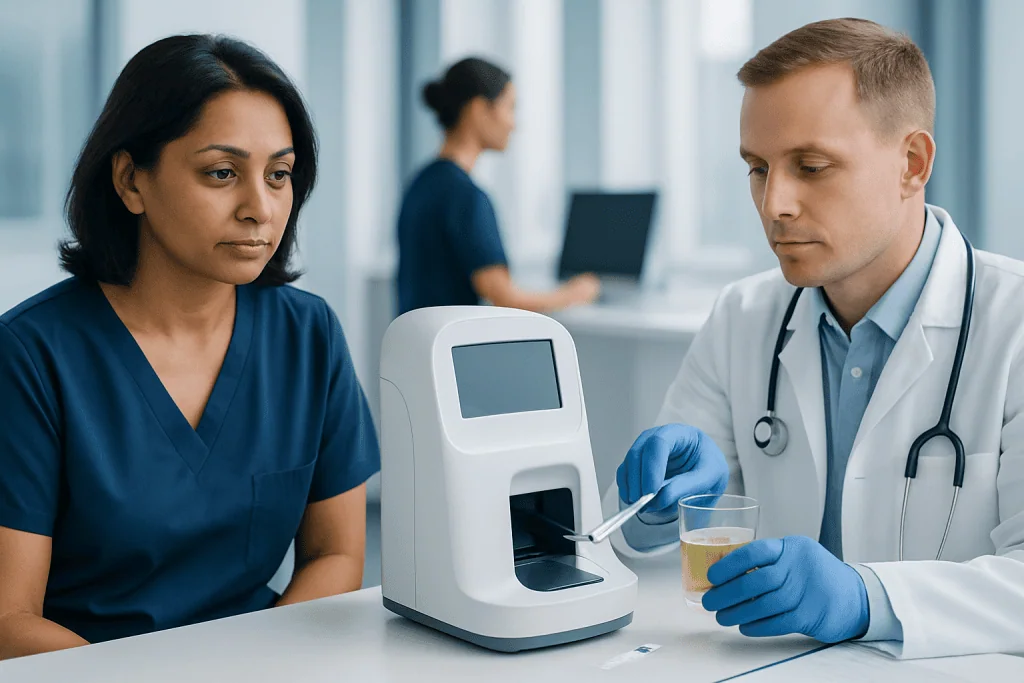
Glucose in urine may not cause any noticeable symptoms on its own. Many people first learn about it during a routine urine test, annual checkup, pregnancy screening, or evaluation for another concern. When symptoms are present, they usually reflect the underlying cause rather than the urine finding itself.
If high blood sugar is responsible, common symptoms can include increased thirst, frequent urination, dry mouth, fatigue, blurred vision, and feeling unusually hungry. Some people may also notice unexplained weight loss, slower healing of cuts, or repeated infections. These symptoms can develop gradually, so they are sometimes overlooked.
When glucose in urine occurs alongside a urinary tract infection or dehydration, there may be burning with urination, cloudy urine, fever, dizziness, or weakness. In children, older adults, or people who are already unwell, the signs may be less specific, such as tiredness, irritability, or confusion.
- Increased thirst or needing to urinate more often
- Fatigue or low energy
- Blurred vision
- Unexplained weight change
- Repeated infections or slow wound healing
- Burning urination, fever, or flank pain if infection is also present
Common causes of glucose in urine

The most common reason for glucose in urine is elevated blood sugar. This often happens in people with diabetes that is undiagnosed, newly developing, or not yet well controlled. When blood glucose rises above the kidneys’ usual reabsorption limit, the excess is excreted into the urine. For this reason, glucose in urine is often investigated together with fasting blood glucose and HbA1c.
Prediabetes may also be involved, especially if blood sugar levels are intermittently high. Less commonly, a person may have a kidney-related cause such as renal glycosuria, where the kidneys release glucose into urine despite relatively normal blood sugar. Other kidney disorders that affect the tubules can produce similar findings and may need specialist assessment in nephrology or urology.
Pregnancy can change how the kidneys handle glucose, so mild glucose in urine may sometimes appear during pregnancy. Even so, it should not be dismissed, because it can also point to gestational diabetes and usually needs follow-up testing. Temporary glucose in urine can occasionally occur during acute illness, severe physical stress, or after certain medications. For example, some modern diabetes medicines are designed to increase glucose loss through urine as part of treatment, which a doctor can explain in context.
Less common causes include endocrine disorders that raise blood sugar, pancreatic disease, and rare inherited kidney conditions. In some cases, doctors also assess related concerns such as kidney diseases or hormonal imbalances if the test results do not fit the usual pattern.
Risk factors that make glucose in urine more likely
Several factors can increase the chance of glucose appearing in urine. A personal or family history of type 2 diabetes is one of the most important. Excess weight, limited physical activity, high blood pressure, abnormal cholesterol levels, and a history of gestational diabetes can also raise risk.
Age may play a role, although glucose in urine can occur at any age. In children and younger adults, clinicians may think more broadly about type 1 diabetes, inherited kidney conditions, or acute illness. In adults, the pattern is more often linked to insulin resistance, type 2 diabetes, or medications.
Pregnancy deserves special attention because urine changes can be common, but blood sugar disorders during pregnancy still need timely diagnosis. People with known kidney problems, recurrent urinary infections, or symptoms suggestive of endocrine disease may also need more detailed evaluation. Lifestyle factors such as a high-calorie diet, low activity level, and ongoing stress do not directly cause glycosuria on their own, but they can contribute to blood sugar changes that make it more likely.
How doctors diagnose the cause
A urine dipstick or laboratory urinalysis can detect glucose in urine, but this test alone does not show the full picture. Doctors usually confirm the finding and then compare it with blood glucose measurements. This helps determine whether the main issue is elevated blood sugar, altered kidney handling of glucose, or another health problem.
Common follow-up tests include fasting blood glucose, HbA1c, and sometimes an oral glucose tolerance test, especially during pregnancy. A doctor may also request additional urine testing for ketones, protein, infection, or signs of kidney dysfunction. These details matter because glucose in urine combined with ketones, dehydration, or infection may need more urgent attention.
If symptoms suggest a structural urinary problem or persistent kidney involvement, imaging or specialist review may be appropriate. Depending on the findings, care may involve a comprehensive medical check-up, endocrine evaluation, or urology assessment. The diagnosis is based on the overall pattern, not on one isolated test result.
Treatment options and what management depends on
Treatment for glucose in urine focuses on the cause rather than the urine result itself. If blood sugar is high, management usually centers on improving glucose control through diet, physical activity, weight management, and, when needed, medication. For some people, early treatment can reduce symptoms and lower the risk of complications affecting the eyes, kidneys, nerves, and heart.
If diabetes is confirmed, the care plan may include education on blood sugar monitoring, nutrition, and long-term follow-up. Some people may need oral medicines, while others need insulin therapy. Treatment is individualized based on age, symptoms, overall health, and test results. In appropriate cases, doctors may discuss diabetes treatment options as part of a structured care plan.
When the cause is kidney-related, management depends on the exact diagnosis. Some forms of renal glycosuria are benign and simply monitored, while others may require investigation for broader tubular dysfunction. If pregnancy is involved, obstetric and endocrine follow-up can help protect both mother and baby. If a medication is contributing to the result, a doctor can explain whether the effect is expected or whether a change is needed.
Supportive care is also important. Drinking enough fluids, seeking treatment for infections, and following advice on nutrition and activity can all help. In more complex cases, care may involve nephrology evaluation alongside other specialties. Near the end of the care pathway, some international patients choose centers such as Acibadem International, where multidisciplinary specialists in JCI-accredited hospitals diagnose and treat conditions related to blood sugar and kidney health.
Prevention and self-care
Not every case of glucose in urine can be prevented, but many of the most common causes can be reduced or detected early. Regular health checks are especially helpful for people with diabetes risk factors, a family history of metabolic disease, or a history of gestational diabetes. Early testing can identify blood sugar changes before symptoms become more noticeable.
Healthy daily habits support better glucose control and kidney health. These include eating balanced meals, limiting excess sugary drinks, staying active, maintaining a healthy weight, and following prescribed treatment if diabetes is already diagnosed. People with diabetes should continue routine follow-up even if they feel well, because blood sugar can rise before symptoms appear.
Good hydration and prompt attention to urinary symptoms are also sensible steps. Anyone taking medication that affects urine glucose should understand whether this is an expected treatment effect. Self-testing or home urine kits may be useful in some situations, but they should not replace medical advice when symptoms are present or results are repeated.
When to seek medical care
A person should arrange medical review if glucose in urine is found more than once, appears together with symptoms of high blood sugar, or occurs during pregnancy. It is also wise to seek assessment if there is a personal or family history of diabetes, unexplained weight loss, repeated infections, or persistent fatigue. A doctor can decide which blood and urine tests are needed and whether specialist referral is appropriate.
More urgent care is important if glucose in urine occurs with vomiting, severe weakness, confusion, deep or rapid breathing, dehydration, fever, severe abdominal pain, or inability to keep fluids down. These symptoms can point to significant blood sugar imbalance or infection and should not be ignored. Children, older adults, and pregnant women may need earlier evaluation because complications can develop more quickly.
Even when symptoms seem mild, repeated abnormal urine findings deserve attention. A timely diagnosis can distinguish a temporary change from diabetes, kidney disease, or another medical issue and can guide treatment before more serious problems develop.
Frequently asked questions
Is glucose in urine always a sign of diabetes?
No. Diabetes is a common cause, but glucose in urine can also happen in pregnancy, with certain kidney conditions, during acute illness, or as an expected effect of some diabetes medications. A doctor usually needs blood tests and a full urine review to identify the exact reason.
Can glucose in urine happen even if blood sugar is normal?
Yes, it can. In some people, the kidneys release glucose into urine more easily than usual, a condition sometimes called renal glycosuria. This is one reason urine glucose alone cannot confirm or rule out diabetes.
What symptoms may appear with glucose in urine?
Many people have no symptoms at first. When symptoms do occur, they may include increased thirst, frequent urination, fatigue, blurred vision, unexplained weight changes, or signs of infection such as burning urination or fever. The symptoms usually reflect the underlying cause rather than the urine finding itself.
How is glucose in urine tested?
It is commonly found on a urine dipstick or laboratory urinalysis. If glucose is present, doctors often follow up with fasting blood glucose, HbA1c, and sometimes other urine tests or a glucose tolerance test. The combination of results helps clarify whether blood sugar, kidney function, pregnancy, or another issue is involved.
Should glucose in urine be treated right away?
The urine finding itself is not usually treated in isolation. Treatment depends on the cause, such as controlling blood sugar, addressing infection, monitoring pregnancy-related changes, or evaluating kidney function. Prompt assessment is still important, especially if symptoms are present.
When should someone worry about glucose in urine?
It should be taken seriously if it appears more than once or comes with increased thirst, frequent urination, dehydration, weight loss, fever, vomiting, or confusion. These signs can suggest significant blood sugar imbalance or another medical problem that needs evaluation. Urgent care is appropriate if severe symptoms develop.
References
- American Diabetes Association
- National Institute of Diabetes and Digestive and Kidney Diseases
- Mayo Clinic
- National Kidney Foundation
- Centers for Disease Control and Prevention
This article is for general information only and is not a substitute for professional medical advice. Please consult a qualified doctor about your individual situation.
Explore treatments in Turkey — costs, top hospitals & a free quote
JCI-accredited · board-certified surgeons · reply within 24h
Add us as a Preferred Source to see more of our trusted health content across Google Search, AI Overviews and Discover.
Check your numbers in seconds
BMI, calories, due date, blood pressure and 30+ more clinical calculators — free, instant, doctor-reviewed ranges.