Glucose Test Pregnancy: A Complete Clinical Guide for Patients

The glucose test in pregnancy looks for gestational diabetes, often before symptoms appear. Screening is usually done between 24 and 28 weeks, but some women are tested earlier if they have higher risk factors.
Key Takeaways
- The glucose test in pregnancy looks for gestational diabetes, often before symptoms appear.
- Screening is usually done between 24 and 28 weeks, but some women are tested earlier if they have higher risk factors.
- An abnormal screening result does not confirm diabetes; a longer follow-up test may be needed.
- Gestational diabetes can often be managed with nutrition, activity, blood sugar monitoring, and sometimes medication.
- Timely diagnosis and follow-up care help reduce pregnancy and birth-related complications.
A glucose test in pregnancy is used to screen for or diagnose gestational diabetes, a type of high blood sugar that develops during pregnancy. Most women are tested between 24 and 28 weeks, and the results help guide simple monitoring or treatment steps that support a healthy pregnancy.
Overview: what the glucose test in pregnancy checks
The glucose test pregnancy patients commonly hear about is a routine way to check for gestational diabetes. This condition means blood sugar levels become higher than normal during pregnancy, even in someone who did not have diabetes before. The purpose of testing is to identify a problem early, often before any symptoms are noticed, so care can begin promptly.
Most pregnant women have some form of glucose testing between 24 and 28 weeks. During pregnancy, hormones from the placenta can make it harder for the body to use insulin well. In some women, the pancreas cannot keep up with the increased demand, and blood sugar rises.
Different clinics may use slightly different testing methods. A common approach is a screening glucose challenge test followed, if needed, by a diagnostic oral glucose tolerance test. Some centers use a one-step diagnostic approach. In all cases, the goal is the same: to protect the health of the mother and baby through accurate diagnosis and follow-up.
Why testing matters for mother and baby
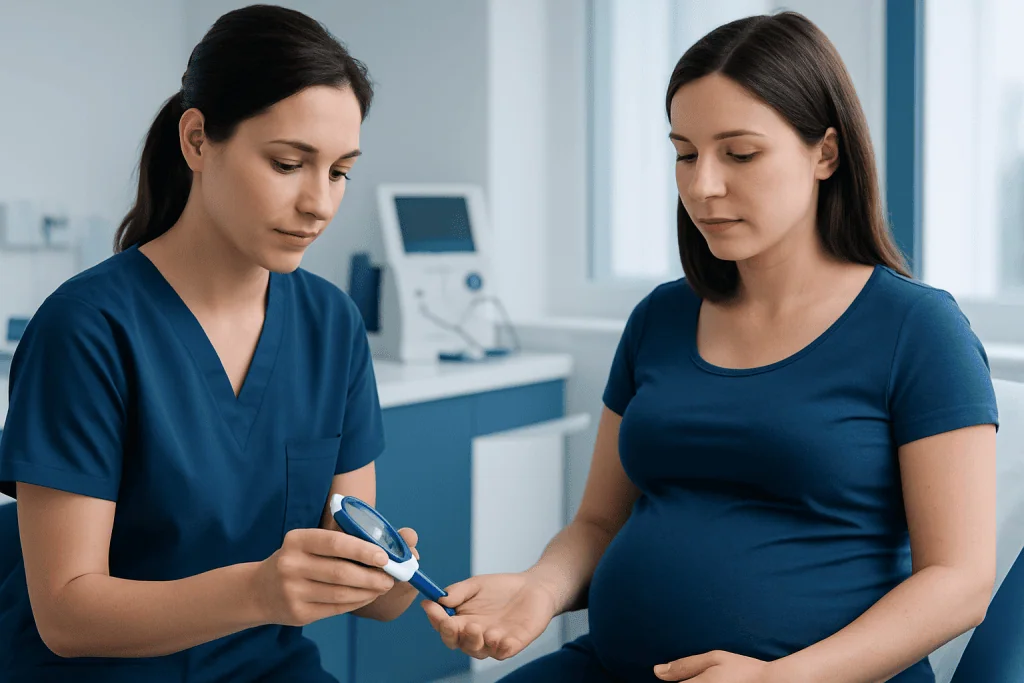
Gestational diabetes is important because untreated high blood sugar can affect both pregnancy and delivery. Higher glucose levels can cross the placenta and may lead the baby to grow larger than expected. This can increase the chance of delivery complications and may affect how the baby adjusts after birth.
For the mother, unmanaged gestational diabetes can raise the risk of high blood pressure in pregnancy, cesarean birth, and later development of type 2 diabetes. For the baby, possible concerns include low blood sugar after birth, breathing difficulties, or a greater long-term risk of obesity and diabetes. These outcomes do not happen in every case, but the reason for testing is to lower these risks through early care.
It can help to think of the glucose test as preventive care rather than a sign that something is wrong. Many women who have gestational diabetes feel completely well. A diagnosis simply allows the care team to tailor nutrition, monitoring, and pregnancy follow-up in a structured and supportive way. Women who already live with diabetes may need separate evaluation and can also learn more about diabetes.
When the test is done and who may need earlier screening

For most pregnancies, glucose screening is done between 24 and 28 weeks. This timing reflects when pregnancy-related hormonal changes commonly become strong enough to affect blood sugar regulation. If results are normal at this stage, no further testing is usually needed unless new concerns appear later in pregnancy.
Some women are offered testing earlier, sometimes at the first prenatal visit or in the first trimester. Earlier screening may be considered if there is a history of gestational diabetes, prediabetes, obesity, polycystic ovary syndrome, a previous baby with high birth weight, a strong family history of diabetes, or certain ethnic backgrounds associated with higher diabetes risk.
If an early test is normal, repeat screening at 24 to 28 weeks may still be recommended because gestational diabetes can develop later. The exact schedule depends on the person’s medical history and the protocol used by the obstetric team.
- Routine screening: usually 24 to 28 weeks
- Earlier screening: considered when risk factors are present
- Repeat testing: may be needed if early testing was normal
How the glucose tests are performed and how to prepare
There are two main ways glucose testing is performed in pregnancy. In the two-step approach, the first test is a glucose challenge test. The patient drinks a sweet glucose solution, and a blood sample is taken after one hour. This test is a screening test and usually does not require fasting, although local instructions may vary.
If the screening result is above the laboratory threshold, the next step is a longer oral glucose tolerance test. This test is diagnostic. It is usually done after fasting. A fasting blood sample is taken, the glucose drink is given, and blood is checked at set intervals over the next two or three hours depending on the protocol.
In the one-step approach, the oral glucose tolerance test is used from the beginning, typically after fasting. Patients should follow the instructions given by their clinic because eating, drinking, exercise, and even timing can affect the result. It is also helpful to mention any medications, nausea, or illness on the day of the test, as these may influence whether the test should proceed.
Some women feel temporarily nauseated, lightheaded, or tired after the glucose drink, especially if they are fasting. Wearing comfortable clothing, bringing water if allowed after the blood draw, and planning a quiet period after the appointment can make the day easier.
Understanding the results
A normal glucose screening result usually means gestational diabetes is unlikely. If the first screening test is higher than the cutoff, it does not automatically mean gestational diabetes is present. It only means more precise testing is needed with a diagnostic oral glucose tolerance test.
Gestational diabetes is diagnosed when one or more values on the diagnostic test are above the accepted threshold, depending on the testing method used. Because laboratories and professional organizations may use slightly different criteria, patients should ask their clinician to explain the results according to the local standard rather than compare numbers from different sources online.
If gestational diabetes is confirmed, the next step is not panic but planning. Care usually includes education on nutrition, physical activity, blood sugar monitoring, and follow-up growth checks for the baby. In some cases, specialists in endocrinology care or maternal-fetal medicine may become part of the care team.
Treatment and monitoring after a diagnosis
The first-line treatment for gestational diabetes often focuses on lifestyle measures that are realistic and safe in pregnancy. A doctor or dietitian may recommend balanced meals with controlled carbohydrate portions, regular meal timing, and gentle activity such as walking if there is no obstetric reason to avoid exercise. These changes aim to keep blood sugar in a healthy range without compromising nutrition.
Many women are also asked to check blood sugar at home using finger-stick testing or another monitoring plan recommended by their doctor. Tracking fasting and after-meal values helps the care team understand whether the current plan is effective. If blood sugar remains above target despite lifestyle changes, medication may be needed. This may include insulin or, in selected cases, other medicines considered appropriate by the treating clinician.
Ongoing prenatal care is important. The pregnancy team may monitor the baby’s growth more closely and discuss timing and mode of delivery based on blood sugar control, the baby’s size, and overall pregnancy health. If broader support is needed, centers offering coordinated pregnancy follow-up and delivery care can help organize monitoring across specialties.
After birth, blood sugar often returns to normal, but follow-up still matters. Women who have had gestational diabetes have a higher future risk of type 2 diabetes, so postpartum testing and long-term preventive care are recommended.
Prevention, self-care, and life after pregnancy
Gestational diabetes cannot always be prevented, because pregnancy hormones play a major role. Still, healthy habits before and during pregnancy may reduce risk and support better glucose control. These include eating a balanced diet, staying physically active within medical guidance, attending regular prenatal visits, and reaching a healthy weight before pregnancy when possible.
Self-care during pregnancy is not about perfection. It is about consistency and communication with the care team. Patients should report if they are unable to eat well because of nausea, if they are confused by home glucose readings, or if meal planning is causing stress. Small adjustments are often enough to improve control.
After delivery, a repeat glucose test is usually advised because gestational diabetes can reveal a tendency toward future diabetes. Continuing healthy eating patterns, regular exercise, and routine primary care follow-up can support long-term health. For women planning another pregnancy, discussing previous gestational diabetes in advance allows earlier screening and tailored prenatal care.
For international patients who need coordinated assessment, Acibadem International’s multidisciplinary specialists and JCI-accredited hospitals diagnose and treat pregnancy-related metabolic conditions and provide follow-up across obstetrics and internal medicine.
When to seek medical care
Patients should contact their prenatal care team if they have questions about when to schedule testing, whether they need to fast, or what their results mean. Medical advice is also important if home glucose readings are repeatedly outside the target range, if prescribed treatment is difficult to follow, or if there are concerns about reduced fetal movement.
Urgent medical assessment is needed for symptoms such as severe vomiting with inability to keep fluids down, signs of dehydration, fainting, significant shortness of breath, chest pain, or symptoms of preterm labor. Any pregnancy warning sign should be discussed promptly, even if it may not be directly related to blood sugar.
Women who have risk factors for diabetes before pregnancy or who had gestational diabetes in a previous pregnancy should mention this early at the first prenatal appointment. Depending on the situation, their doctor may arrange earlier testing and, when appropriate, referral for obstetrics and gynecology care.
Frequently asked questions
Is the glucose test in pregnancy routine?
Yes. Glucose testing is a routine part of prenatal care for most pregnancies because gestational diabetes often causes no symptoms. Testing helps identify blood sugar problems early so they can be managed safely.
Do patients need to fast before a pregnancy glucose test?
It depends on which test is being done. The initial glucose challenge test often does not require fasting, while the longer oral glucose tolerance test usually does. Patients should follow the exact instructions from their clinic or laboratory.
What happens if the first glucose screening test is abnormal?
An abnormal screening test does not by itself diagnose gestational diabetes. It usually means a longer, more detailed oral glucose tolerance test is needed to confirm whether blood sugar is truly elevated.
Can gestational diabetes harm the baby?
It can increase certain risks if it is not recognized or managed, including larger birth size and newborn blood sugar problems. With proper monitoring and treatment, many women have healthy pregnancies and healthy babies.
Can gestational diabetes be treated without medication?
Often, yes. Many women manage gestational diabetes with nutrition changes, regular physical activity if approved by their doctor, and home blood sugar monitoring. If these steps are not enough, medication may be added to keep glucose in the target range.
Does gestational diabetes go away after delivery?
In many cases, blood sugar returns to normal after the baby is born. However, follow-up testing is important because women who had gestational diabetes have a higher risk of developing type 2 diabetes later in life.
References
- American College of Obstetricians and Gynecologists
- American Diabetes Association
- Centers for Disease Control and Prevention
- National Institute of Diabetes and Digestive and Kidney Diseases
- World Health Organization
This article is for general information only and is not a substitute for professional medical advice. Please consult a qualified doctor about your individual situation.
Explore treatments in Turkey — costs, top hospitals & a free quote
JCI-accredited · board-certified surgeons · reply within 24h
Add us as a Preferred Source to see more of our trusted health content across Google Search, AI Overviews and Discover.
Check your numbers in seconds
BMI, calories, due date, blood pressure and 30+ more clinical calculators — free, instant, doctor-reviewed ranges.