Glute Bridge: An Evidence-Based Guide for Patients
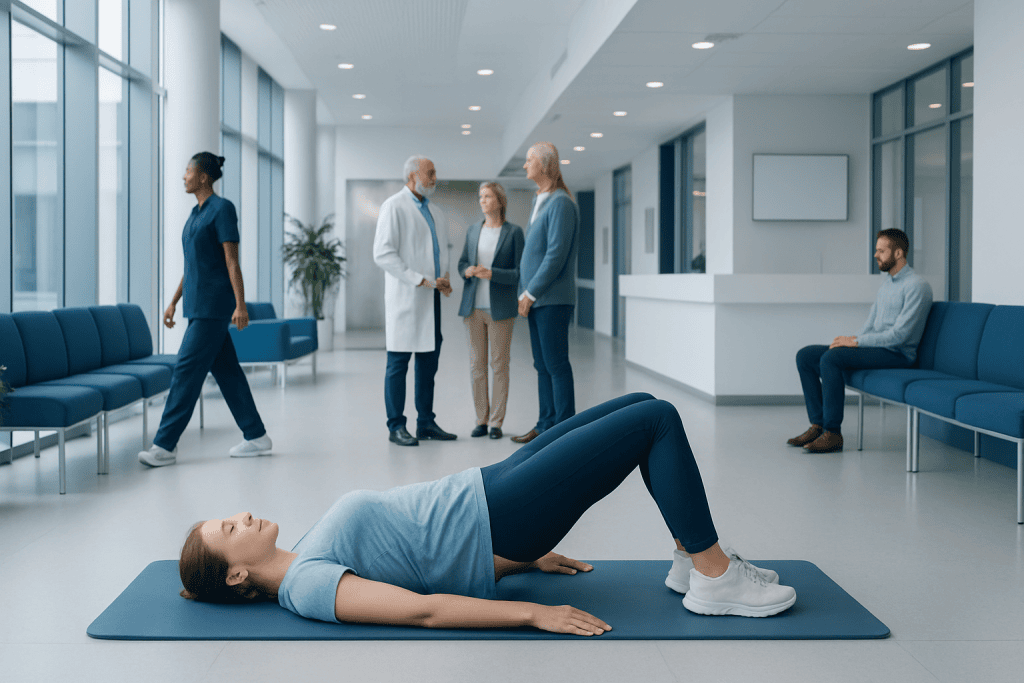
The glute bridge primarily targets the gluteal muscles and also engages the hamstrings, core, and hip stabilizers. Proper form matters more than height; the goal is controlled hip extension without straining the lower back.
Key Takeaways
- The glute bridge primarily targets the gluteal muscles and also engages the hamstrings, core, and hip stabilizers.
- Proper form matters more than height; the goal is controlled hip extension without straining the lower back.
- Glute bridges may support posture, pelvic control, and hip strength, and they are often used in rehabilitation programs.
- Pain is not expected during a glute bridge; discomfort in the back, hips, or knees may signal poor technique or an underlying condition.
- Beginners can start with body weight and progress gradually to single-leg, elevated, or resisted variations.
- Medical advice is important if symptoms include persistent pain, weakness, numbness, recent injury, or limited mobility.
A glute bridge is a floor exercise that lifts the hips while the feet stay planted, helping strengthen the gluteal muscles, core, and hips. When performed with good technique, it can be a useful part of general fitness, rehabilitation, and back-friendly movement training.
Overview: what a glute bridge is and why people use it
A glute bridge is a strengthening exercise performed lying on the back with the knees bent and feet on the floor. The movement involves lifting the hips by pressing through the feet and tightening the buttock muscles, then lowering the pelvis back down with control. In simple terms, the glute bridge helps train the body to extend the hips without relying too much on the lower back.
Patients and clinicians often ask whether the glute bridge is a “good” exercise. For many people, the answer is yes: it can be a practical, low-impact way to improve glute strength, pelvic stability, and body awareness. It is commonly used in general exercise routines, sports conditioning, and rehabilitation programs for people recovering from periods of inactivity or learning to move with better control.
Unlike some exercise articles that focus mainly on athletic performance, a patient-centered view also considers safety, comfort, and function. The glute bridge may be helpful not only for building strength, but also for supporting everyday tasks such as standing up, climbing stairs, walking, and maintaining posture during sitting and standing.
How the glute bridge works in the body
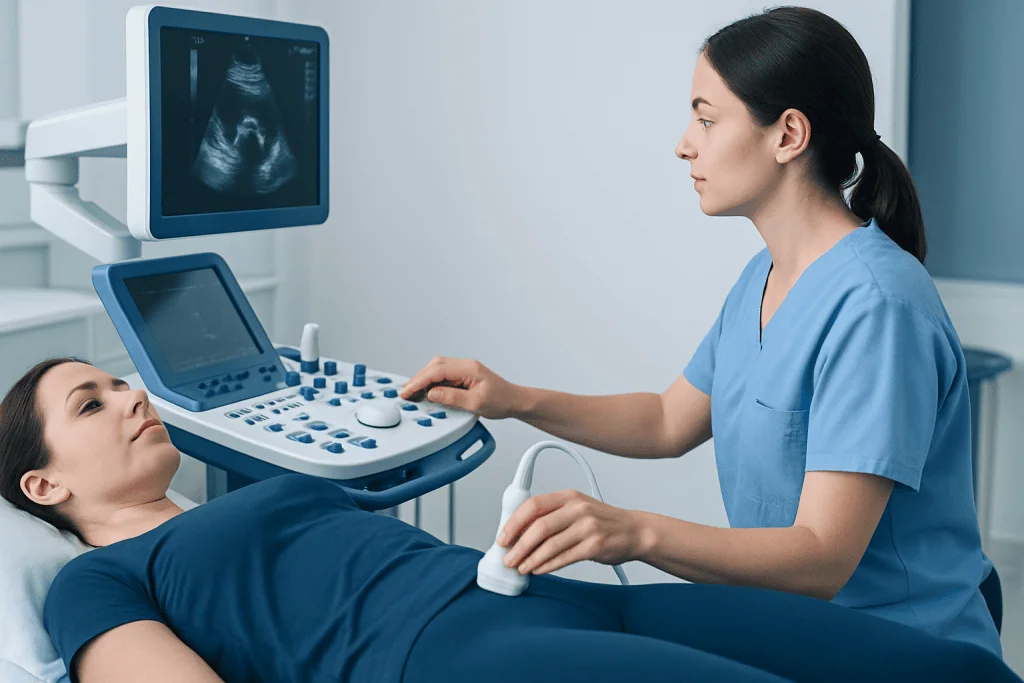
The main muscles worked during a glute bridge are the gluteus maximus, gluteus medius, and hamstrings. The abdominal muscles and deeper core muscles also contribute by helping keep the pelvis and spine steady. When done well, the exercise encourages the hips to do the lifting work while the trunk remains stable.
This matters because many people spend long periods sitting, which can reduce hip mobility and contribute to poor muscle activation patterns. In some cases, the body compensates by overusing the lower-back muscles instead of the glutes. The glute bridge can help retrain a more balanced movement pattern, especially when the focus is on slow, deliberate lifting rather than speed.
The exercise may also support joint control around the pelvis and hips. Better control in this area can be relevant for people with deconditioning, mild movement asymmetry, or muscle weakness after inactivity. In rehabilitation settings, it may be included alongside physical therapy and rehabilitation to improve movement quality step by step.
- Primary muscles: gluteus maximus, hamstrings
- Supporting muscles: abdominal wall, deep core, hip stabilizers
- Main movement pattern: hip extension with pelvic control
How to do a glute bridge with proper form
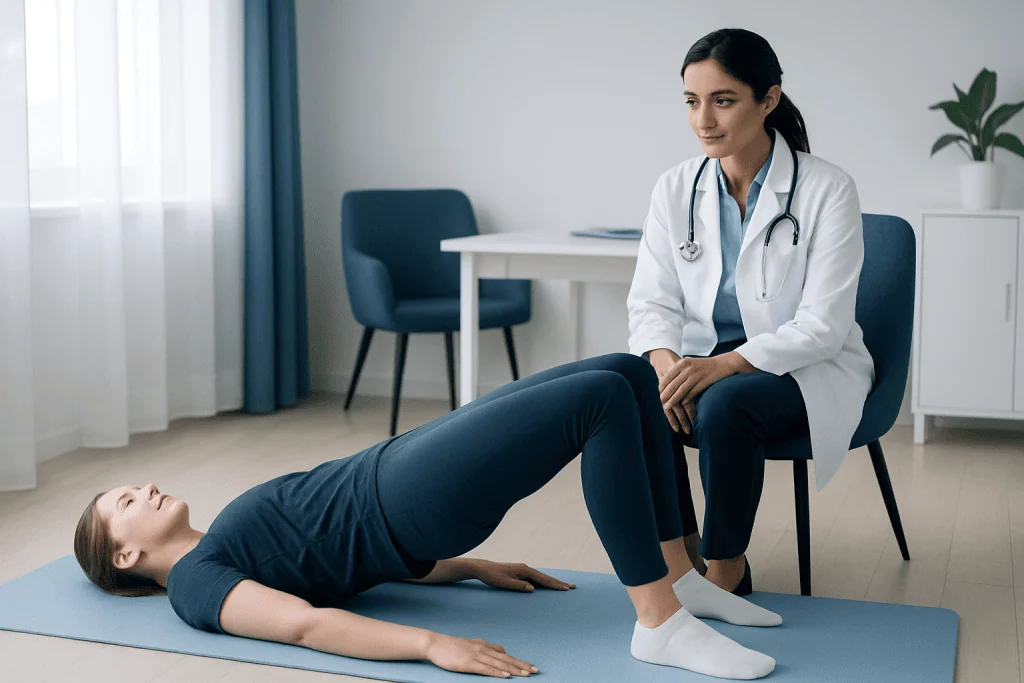
To perform a basic glute bridge, a person lies on the back with the knees bent, feet flat on the floor, and arms resting by the sides. The feet are usually placed about hip-width apart, close enough that the fingertips can nearly touch the heels. Before lifting, it helps to gently tighten the abdominal muscles and keep the head, neck, and shoulders relaxed.
Next, the person presses through the heels and lifts the hips until the shoulders, hips, and knees form a gentle diagonal line. The movement should come from squeezing the gluteal muscles rather than pushing the belly upward or arching the lower back. After a brief pause, the hips are lowered slowly to the starting position.
Good form is often easier to recognize by what it should feel like: effort in the buttocks and back of the thighs, steadiness through the midsection, and no sharp pain. The highest lift is not always the best lift. If the ribs flare upward, the knees collapse inward, or the lower back feels compressed, the movement should be made smaller and slower.
- Keep the knees aligned over the feet.
- Press evenly through both feet.
- Avoid forcing the hips too high.
- Use smooth, controlled breathing.
Benefits of the glute bridge and who may benefit
The glute bridge may improve muscular strength and endurance in the hips and posterior chain. Stronger gluteal muscles can help support efficient walking, stair climbing, rising from a chair, and recreational activity. For some people, better hip strength may also reduce the sense that the lower back is doing all the work during movement.
Another potential benefit is improved movement awareness. The exercise teaches people how to control the pelvis while extending the hips, which can be useful in both rehabilitation and preventive exercise programs. It is often chosen because it is simple to learn, can be done at home without equipment, and can be adapted for different ability levels.
People who may benefit include those returning to exercise after inactivity, office workers with prolonged sitting habits, older adults needing basic lower-body strengthening, and patients following clinician-guided rehabilitation for movement dysfunction. In some cases, glute bridge exercises may be used as part of a broader program for symptoms related to lower back pain or for those working on strength after a herniated disc, though suitability depends on the individual and should be guided by a qualified professional when symptoms are present.
Common mistakes, discomfort, and safer modifications
A frequent mistake is arching the lower back instead of driving the movement from the hips. This can make the exercise feel uncomfortable and reduce its effectiveness. Another common issue is pushing mostly through the toes, which may shift effort away from the glutes and increase strain in the knees or front of the thighs.
Some people notice hamstring cramping during glute bridges. This can happen when the hamstrings take over because the glutes are weak, fatigued, or not well activated. Adjusting foot position, reducing the height of the lift, slowing the pace, and focusing on squeezing the buttocks may help. If cramping or pain continues, a physical therapist or physician can assess technique and underlying causes.
For beginners or people with sensitivity in the spine or hips, modifications can make the exercise more comfortable. A smaller range of motion, a cushion under the head, or guided exercise instruction may help. Progressions such as a resistance band around the thighs, a single-leg bridge, or shoulders elevated on a bench should be introduced gradually and only if basic form is solid.
- Stop if there is sharp, radiating, or worsening pain.
- Choose quality of movement over number of repetitions.
- Progress only when the basic version feels controlled and comfortable.
Who should use caution and how doctors assess related pain
The glute bridge is generally considered a low-risk exercise for many healthy adults, but it is not right for everyone at every stage of recovery. People with recent surgery, acute back injury, significant hip pain, severe osteoporosis, advanced arthritis, or neurologic symptoms may need medical clearance or exercise modification first. Pregnant individuals may also need tailored guidance depending on comfort, stage of pregnancy, and any medical advice already provided.
If a person feels pain rather than muscular effort during the exercise, the cause may not be the movement alone. Pain can relate to poor technique, joint irritation, muscle strain, or an underlying condition involving the lumbar spine, sacroiliac region, hip joint, or surrounding soft tissues. Clinicians may assess symptoms through medical history, physical examination, movement testing, and when necessary, imaging such as MRI or X-ray.
In some patients, persistent weakness, numbness, radiating pain, or mobility loss points to a need for further evaluation rather than simply trying harder with exercise. A personalized assessment is especially important when symptoms affect walking, sleep, work, or daily tasks.
When to seek medical care
Medical care is advisable if pain begins suddenly after a fall, lifting injury, or sports injury, or if symptoms are severe enough to limit normal activity. It is also important to seek evaluation if back, hip, or leg pain continues despite rest, exercise modification, and basic self-care.
Urgent medical assessment is needed for warning signs such as progressive weakness, numbness, loss of bowel or bladder control, fever, unexplained weight loss, or severe night pain. These symptoms may indicate a condition that requires prompt professional attention rather than a routine exercise adjustment.
For international patients who need evaluation and rehabilitation planning, Acibadem International’s multidisciplinary specialists and JCI-accredited hospitals diagnose and treat musculoskeletal conditions with individualized care. This can be helpful when a person is unsure whether symptoms are due to deconditioning, technique errors, or a condition requiring targeted treatment.
Frequently asked questions
What does a glute bridge do?
A glute bridge strengthens the buttock muscles, hamstrings, and core while training the hips to extend in a controlled way. It is commonly used to support general fitness, movement retraining, and rehabilitation exercises.
Is the glute bridge safe for beginners?
For many beginners, yes. It is usually considered a low-impact exercise that can be started without equipment, but good form and gradual progression are important, especially for people with back, hip, or knee symptoms.
Why do I feel glute bridges in my hamstrings instead of my glutes?
This often happens when the hamstrings compensate for weak or underactive glute muscles, or when foot position is not ideal. Trying a smaller range of motion, pressing through the heels, and slowing the movement may help, but persistent discomfort should be assessed by a professional.
Can glute bridges help lower back pain?
They may help some people by improving hip strength and reducing overreliance on the lower back during movement. However, lower back pain has many causes, so the exercise is not appropriate for every person or every type of pain.
How often should someone do glute bridges?
Frequency depends on fitness level, symptoms, and overall exercise goals. Many people begin with a modest number of repetitions a few times per week and adjust based on comfort, recovery, and professional guidance.
Should a glute bridge cause pain?
No. Mild muscle effort or fatigue can be normal, but sharp, pinching, radiating, or worsening pain is not expected and should prompt stopping the exercise and considering medical advice.
This article is for general information only and is not a substitute for professional medical advice. Please consult a qualified doctor about your individual situation.
Explore treatments in Turkey — costs, top hospitals & a free quote
JCI-accredited · board-certified surgeons · reply within 24h
Add us as a Preferred Source to see more of our trusted health content across Google Search, AI Overviews and Discover.

More from the Health Library

Rezurock: A Complete Medical Overview

Mcl Tear: A Complete Medical Overview

Atychiphobia: A Complete Medical Overview

Lump on Upper Mouth: A Complete Medical Overview

Dementia Lean: An Evidence-Based Guide for Patients