Goose Egg on Head: What Patients Need to Know
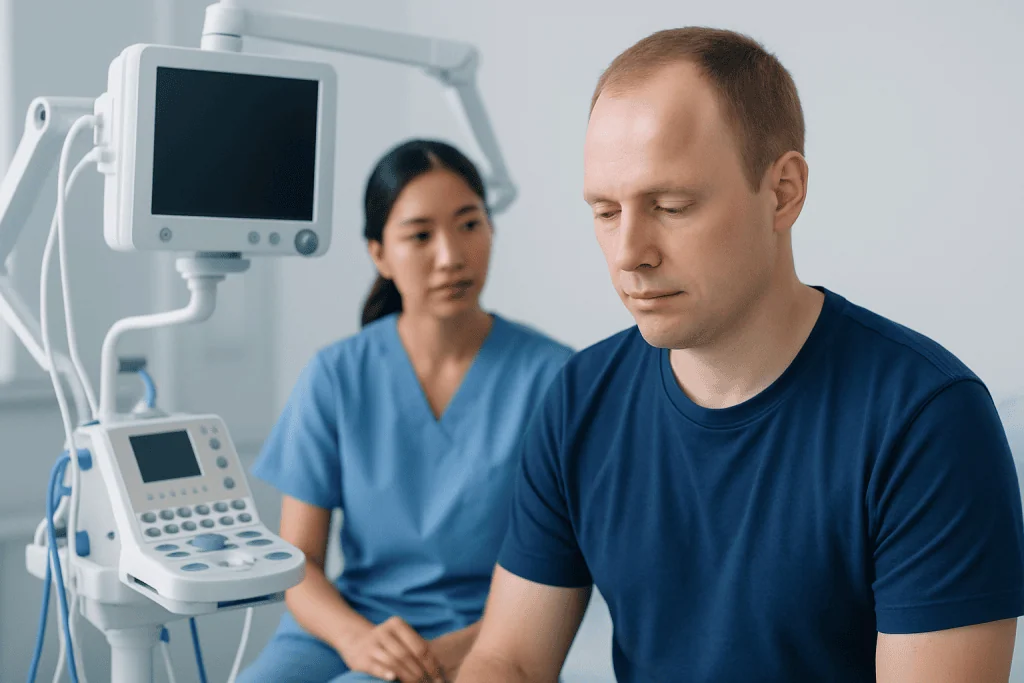
A goose egg is usually swelling or a bruise under the scalp following a blow to the head. The scalp has a rich blood supply, so a minor injury can sometimes create a surprisingly large bump.
Key Takeaways
- A goose egg is usually swelling or a bruise under the scalp following a blow to the head.
- The scalp has a rich blood supply, so a minor injury can sometimes create a surprisingly large bump.
- A cold compress, rest, and observation are often appropriate for a mild injury when no warning signs are present.
- Symptoms such as worsening headache, repeated vomiting, confusion, seizure, or loss of consciousness require urgent medical care.
- Babies, older adults, people taking blood-thinning medicines, and anyone with a bleeding disorder should be assessed more cautiously after a head injury.
A goose egg on head is a raised, tender lump that commonly develops when the scalp is hit and blood vessels beneath the skin leak fluid or blood. Most small bumps improve with simple home care, but certain symptoms after any head injury need prompt medical assessment.
What Is a Goose Egg on the Head?
A goose egg on head is a common description for a rounded swelling that appears after a bump, fall, collision, or other impact. It usually results from swelling in the soft tissues of the scalp or from a small collection of blood beneath the skin, sometimes called a scalp hematoma. Although the lump can look concerning, its size does not by itself show how serious the injury is.
The scalp contains many small blood vessels and lies over the firm skull. When it is struck, these vessels can break and fluid can collect in a limited space, creating a raised bump. This is why even a relatively minor injury may produce a noticeable swelling, particularly on the forehead or back of the head.
Most uncomplicated scalp bumps begin to settle over days and may leave a bruise that changes color as it heals. However, a visible bump cannot rule out concussion or another internal head injury. The person’s symptoms, the force of the injury, their age, medical history, and whether symptoms change over time are all important.
How a Head Bump May Feel and Change
Immediately after an impact, a goose egg may be painful, tender, warm, or firm to the touch. It can appear within minutes, though swelling sometimes becomes more noticeable over the next several hours. Mild headache and localized soreness can occur, especially during the first day.
A bruise may develop around the bump as blood under the skin breaks down. With injuries to the forehead or scalp, bruising can occasionally move downward because of gravity and appear around the eyes after a day or two. This can be unsettling, but it does not always mean the injury is worsening. Still, new bruising around both eyes, bruising behind an ear, or fluid leaking from the nose or ears needs urgent assessment.
A simple scalp swelling should gradually become less painful and smaller. It is helpful for an adult to check the injured person periodically during the first 24 hours and note whether they are behaving normally, speaking clearly, walking steadily, and responding as usual. Symptoms that are new, severe, or getting worse should not be attributed to the bump alone.
Common Causes and Factors That Increase Risk
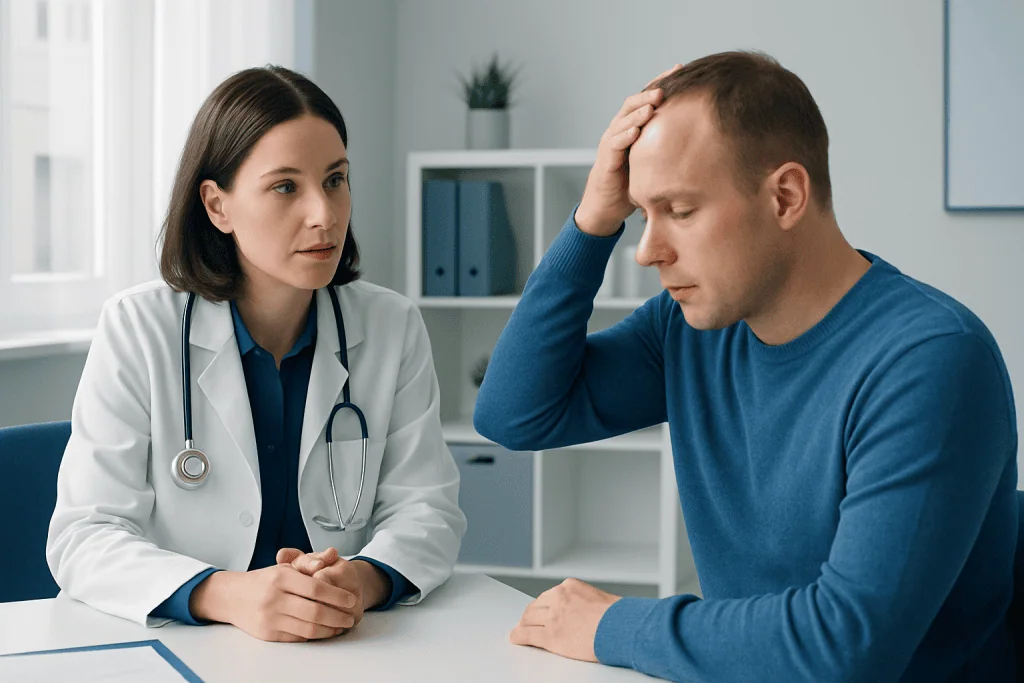
Goose eggs most often follow everyday accidents, including falls, sports injuries, playground collisions, hitting a cupboard or door, or a minor vehicle-related incident. Children commonly develop scalp bumps because they are active and still developing balance and coordination. Adults may sustain them during exercise, work, household accidents, or falls.
The chance of a visible lump can be higher when an injury affects the forehead or scalp because these areas have soft tissue over bone and a plentiful blood supply. A hard, direct impact may cause more swelling than a glancing blow. However, a person can have a concussion without an obvious bump, and a large bump can occur without a brain injury.
Some people need added caution after a blow to the head. This includes infants and young children, adults aged 65 years or older, people who take anticoagulants or antiplatelet medicines, and people with bleeding disorders. Alcohol or drug use at the time of injury can make symptoms harder to recognize. Anyone who has had previous concussion or neurologic conditions should discuss a head injury with a qualified clinician.
Immediate Care for a Mild Goose Egg on Head
If the person is awake, alert, and has no emergency warning signs, initial care can usually focus on reducing discomfort and monitoring symptoms. A cold pack wrapped in a thin cloth can be placed gently on the area for short intervals during the first day. The cold may limit swelling and ease pain. Ice should never be placed directly on the skin, and pressure should not be applied firmly to a painful lump.
Rest from strenuous exercise, contact sports, and activities with a risk of another fall is sensible until the person feels well. Drinking fluids, eating normally if tolerated, and having a responsible adult nearby for observation can be helpful. For pain relief, a clinician or pharmacist can advise on an appropriate option based on the person’s age, health conditions, and regular medicines.
It is generally best to avoid alcohol, sedating medicines unless prescribed, and driving after a head injury, as these may mask or complicate symptoms. Waking a person at regular intervals is not routinely necessary if they have been appropriately assessed and are otherwise well, but they should not be left alone if concerning symptoms are present or if a healthcare professional has advised observation.
- Use a cloth-covered cold compress for brief periods during the first 24 hours.
- Keep the person under observation and note any changes in behavior or symptoms.
- Avoid sports and high-risk activities until recovery is clear.
- Seek medical advice if there is uncertainty about the severity of the injury.
Could It Be a Concussion or Another Injury?
A concussion is a mild traumatic brain injury caused by a blow, jolt, or force that makes the brain move within the skull. A person does not need to lose consciousness to have a concussion, and a goose egg on head is not required. Symptoms can begin immediately or develop gradually over hours or days.
Possible concussion symptoms include headache, dizziness, nausea, sensitivity to light or noise, feeling slowed down, trouble concentrating, unusual fatigue, irritability, or changes in sleep. Children may be less able to describe these symptoms and may seem unusually clingy, irritable, drowsy, less interested in play, or less steady than usual. Persistent or worsening symptoms should be evaluated by a healthcare professional.
During assessment, a clinician may ask how the injury occurred, whether there was loss of consciousness or memory loss, and whether symptoms have changed. They may perform a neurologic examination, including balance, coordination, memory, and eye movements. Imaging such as a CT scan is not needed for every head bump, but it may be recommended when clinical findings suggest a possible skull fracture or bleeding inside the head.
When to Seek Medical Care
Emergency medical care is needed after a head injury if the person loses consciousness, is difficult to wake, has increasing confusion, unusual behavior, weakness, numbness, slurred speech, a seizure, or trouble walking. Repeated vomiting, a severe or worsening headache, unequal pupils, vision changes, or a stiff neck are also urgent warning signs. Call local emergency services rather than driving if symptoms are severe or rapidly worsening.
Urgent assessment is also appropriate for clear fluid or blood coming from the nose or ears, bruising behind the ears, bruising around both eyes without a direct eye injury, a deep cut, a visible dent in the skull, or an injury caused by a high-speed collision, major fall, or forceful assault. These signs may indicate a more serious injury even if the person initially appears well.
Infants under one year, especially those with a large scalp swelling, should be assessed promptly after a significant bump. Medical advice should also be sought for anyone taking blood-thinning medication, with a known bleeding disorder, or with symptoms that do not improve. Acibadem International’s multidisciplinary specialists and JCI-accredited hospitals assess head injuries and related neurologic concerns for international patients when further evaluation is needed.
Recovery, Prevention and Returning to Activities
For a minor scalp injury, swelling and tenderness often improve over several days, while discoloration from bruising may take longer to disappear. The person should return to usual activities gradually and stop if headache, dizziness, nausea, or concentration problems return. A clinician should guide return to school, work, driving, or sport when concussion is suspected.
Children should not return to contact sports or activities with a meaningful risk of another head impact until they are symptom-free and have followed advice from an appropriate healthcare professional. A second injury before the brain has recovered can prolong symptoms and may be dangerous. Schools and coaches can help by supporting a staged return to learning and physical activity.
Prevention includes using seat belts and age-appropriate car seats, wearing a properly fitted helmet for cycling and relevant sports, keeping walkways clear, using non-slip surfaces in bathrooms, and supervising young children around elevated areas. These measures cannot prevent every accident, but they can reduce the likelihood and severity of many head injuries.
Frequently asked questions
How long does a goose egg on head take to go away?
A mild scalp bump often starts improving within a few days, although bruising can last one to two weeks. The lump should gradually become smaller and less tender. Medical advice is important if it is enlarging, remains very painful, or is accompanied by concerning symptoms.
Should a goose egg be iced?
A cold compress wrapped in cloth may help reduce pain and swelling during the first 24 hours. It should be applied gently in short periods and never directly to the skin. Avoid pressing hard on the swollen area.
Can a person have a concussion without losing consciousness?
Yes. Most concussions do not involve loss of consciousness. Headache, dizziness, nausea, confusion, memory difficulties, or changes in sleep and mood can occur even when the person stayed awake.
Is it safe to let someone sleep after a head injury?
Sleep is usually acceptable if the person is alert, behaving normally, and has no warning signs, particularly after medical advice has been obtained when needed. However, they should not be left alone if symptoms are concerning or worsening. Emergency evaluation is needed if they are difficult to wake or unusually drowsy.
When should a child with a bump on the head see a doctor?
A child should be assessed urgently for repeated vomiting, worsening headache, unusual sleepiness, confusion, seizure, poor balance, or behavior that is not normal for them. Infants and very young children should be evaluated with a lower threshold because symptoms can be difficult to identify. Parents and caregivers should seek advice whenever they are unsure.
Can a large bump on the head mean a skull fracture?
A large bump alone does not confirm a skull fracture, as the scalp can swell substantially after a minor injury. A clinician considers the mechanism of injury, symptoms, examination findings, and sometimes imaging to assess risk. A dent in the skull, fluid from the ears or nose, or neurologic symptoms requires urgent evaluation.
References
- Centers for Disease Control and Prevention
- American Academy of Pediatrics
- National Institute of Neurological Disorders and Stroke
- National Health Service
- Mayo Clinic
This article is for general information only and is not a substitute for professional medical advice. Please consult a qualified doctor about your individual situation.
Hair transplant in Turkey — costs, graft counts & a free assessment
JCI-accredited · board-certified surgeons · reply within 24h
Add us as a Preferred Source to see more of our trusted health content across Google Search, AI Overviews and Discover.