Graft Versus Host Disease Medication: An Evidence-Based Patient Guide

GVHD occurs when donor immune cells recognize the recipient’s tissues as foreign after an allogeneic transplant. Corticosteroids are commonly used first for clinically significant acute or chronic GVHD, but other medicines may be added or substituted.
Key Takeaways
- GVHD occurs when donor immune cells recognize the recipient’s tissues as foreign after an allogeneic transplant.
- Corticosteroids are commonly used first for clinically significant acute or chronic GVHD, but other medicines may be added or substituted.
- Medications can suppress immunity, so regular monitoring for infection, medication side effects and organ function is essential.
- Treatment may include skin, digestive, eye, mouth, lung or rehabilitation support alongside immune-directed medication.
- New or worsening rash, diarrhea, jaundice, breathing symptoms, fever or vision changes should be reported promptly to the transplant team.
Graft versus host disease medication aims to control an immune reaction that can occur after an allogeneic stem cell or bone marrow transplant. Treatment is individualized according to whether GVHD is acute or chronic, the organs involved, symptom severity and the person’s response to earlier medicines.
Overview: What Is Graft Versus Host Disease Medication?
Graft versus host disease medication is used to prevent or treat graft-versus-host disease (GVHD), an immune complication that may develop after an allogeneic stem cell or bone marrow transplant. In GVHD, immune cells from the donor graft can attack healthy tissues in the recipient’s body. Medicines are selected to calm this immune response while preserving, as far as possible, the benefits of the transplant.
Medication plans differ widely. Some people take preventive medicines immediately after transplant, while others need treatment only if GVHD develops. The choice depends on the transplant type, timing of symptoms, organs affected, disease severity, other health conditions and response to previous treatment. A transplant specialist should guide all changes because stopping or adjusting immune-suppressing medication without supervision can be unsafe.
GVHD is generally described as acute or chronic, although features can overlap. Acute GVHD often affects the skin, digestive tract and liver. Chronic GVHD can involve these areas as well as the eyes, mouth, lungs, joints, fascia and genital tissues, and may require longer-term symptom management.
How GVHD Medicines Work
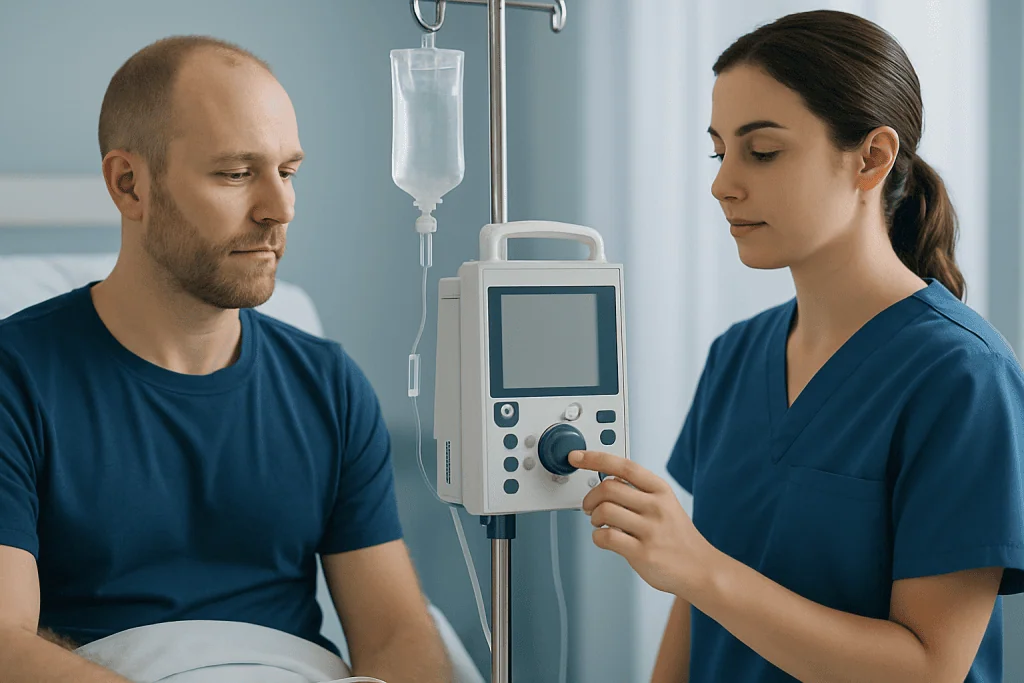
Most GVHD medicines work by reducing harmful activation of donor-derived immune cells, particularly T cells, or by interrupting inflammatory signals that sustain tissue injury. Preventive regimens commonly combine medicines with different actions, such as a calcineurin inhibitor with another immune-modulating drug. These treatments are started around the transplant period and carefully monitored through blood tests and clinical reviews.
When active GVHD is diagnosed, systemic corticosteroids are often the initial treatment for moderate to severe disease. Steroids can reduce inflammation quickly, but they may also raise the risk of infection, high blood sugar, muscle weakness, bone loss, mood changes and other effects, especially with prolonged use. Doctors therefore aim to use the lowest effective dose and taper treatment only when it is clinically appropriate.
If GVHD does not improve sufficiently with steroids, returns during tapering, or causes unacceptable steroid-related effects, the transplant team may consider a second-line or steroid-sparing medicine. Depending on the situation, options may include targeted therapies, antibody-based treatments, extracorporeal photopheresis, or medicines that affect specific immune pathways. The best option is determined by the GVHD pattern and the person’s overall medical condition.
Who May Need Medication and How Treatment Is Chosen

Anyone receiving an allogeneic hematopoietic stem cell transplant is assessed for GVHD prevention. Risk is influenced by factors such as donor-recipient compatibility, donor relationship, stem-cell source, conditioning treatment and prior pregnancies or transfusions. Prevention does not eliminate all risk, but it can reduce the likelihood or severity of GVHD in many transplant settings.
People who develop signs of GVHD may need medication after assessment by the transplant team. Mild, localized disease may sometimes be managed with treatments applied directly to the affected area, such as skin creams, mouth rinses or eye therapies, rather than full-body immune suppression. More extensive disease, significant digestive symptoms, liver involvement, lung involvement or functional impairment may require systemic medication.
Before choosing therapy, clinicians consider possible infection, drug interactions, kidney and liver function, blood counts, blood pressure, glucose levels and the status of the original disease. Symptoms that resemble GVHD can also result from infection, medication reactions or other transplant complications, so accurate evaluation is important. Tissue biopsy, imaging, endoscopy or specialist examinations may be used when needed.
Care is often multidisciplinary. Hematology and transplant specialists may work with dermatology, gastroenterology, hepatology, ophthalmology, pulmonology, nutrition and rehabilitation professionals to address the specific organs affected and maintain daily function.
What to Expect During Treatment: A Step-by-Step Approach
Medication treatment usually begins with a structured review of symptoms, physical examination and laboratory tests. The team assesses which organs may be involved, grades the severity where appropriate and checks for other causes, particularly infections. A baseline record of skin findings, bowel symptoms, liver tests, breathing function, eye symptoms or mobility may help measure progress over time.
For active disease requiring systemic treatment, the prescribed medicine is started and follow-up is arranged closely. The early response is monitored through symptom diaries, examinations and blood tests. For digestive GVHD, the team may track stool frequency, abdominal pain, appetite and hydration; for skin disease, they may monitor rash extent, tightness and mobility; for liver disease, they monitor liver blood tests.
If the response is insufficient or side effects become difficult to manage, the team may adjust the regimen or introduce another therapy. Treatment changes are made cautiously because immune suppression must be balanced against infection risk and the need for donor immune cells to continue controlling the underlying blood disease. In selected cases, bone marrow transplant follow-up care includes long-term GVHD surveillance and individualized supportive treatment.
Medication schedules can be complex. Patients and caregivers should keep an up-to-date medicine list, use a pill organizer if helpful and ask the transplant pharmacist or clinical team before adding over-the-counter medicines, herbal products or supplements. Several products can alter immune-suppressing drug levels or increase side effects.
Benefits, Risks and Monitoring
The potential benefit of graft versus host disease medication is better control of inflammation and protection of affected organs. Successful treatment may ease symptoms such as rash, diarrhea, mouth pain, dry eyes or stiffness, and may prevent further scarring or loss of function. Response can take time, particularly in chronic GVHD, and treatment is often adjusted gradually rather than judged by a single day’s symptoms.
Because these medicines affect immune activity, infection is one of the most important risks. The transplant team may prescribe preventive antimicrobial medicines, recommend vaccines at an appropriate point after transplant and advise precautions based on the person’s level of immune suppression. Fever or other possible infection symptoms should always be taken seriously after transplant.
Different drugs have different monitoring needs. Blood tests may check blood cell counts, kidney and liver function, electrolytes, medication levels, glucose and lipid levels. Some medicines can contribute to high blood pressure, tremor, fluid retention, skin changes, blood clots or changes in blood counts. Regular reviews help identify problems early and allow the treatment plan to be modified safely.
Supportive care is a meaningful part of treatment. This may include nutrition support for poor intake or diarrhea, pain relief, physical therapy for tightness and weakness, eye lubrication under specialist advice, skin moisturization and mental health support. These measures do not replace immune-directed treatment when it is needed, but they can improve comfort and quality of life.
Prevention and Self-Care During GVHD Treatment
GVHD cannot always be prevented, but careful adherence to the transplant team’s prevention regimen is important. Medicines should be taken exactly as prescribed, including at the same time each day when drug-level monitoring is required. Patients should not skip doses or stop steroids suddenly unless their clinician specifically instructs them to do so.
Practical self-care includes recording new symptoms and bringing the list to appointments. Skin protection with gentle fragrance-free products and sun avoidance may help people with skin GVHD. Good oral hygiene, soft foods during mouth discomfort and regular dental care arranged with the transplant team can support oral health. Hydration and timely dietary advice are especially important when diarrhea or reduced appetite occurs.
Reducing infection exposure is also important while immune suppression is high. The team can provide individualized guidance on hand hygiene, food safety, contact with sick people, masks in crowded settings and travel. Advice varies according to transplant timing, blood counts and local infection risks, so patients should follow their own team’s recommendations rather than relying on general rules alone.
Acibadem International’s multidisciplinary specialists and JCI-accredited hospitals support international patients requiring assessment and treatment for transplant-related complications, including GVHD. Ongoing care should remain coordinated closely with the treating transplant team.
When to Seek Medical Care
People who have had an allogeneic transplant should contact their transplant team promptly for new or worsening symptoms. Possible GVHD symptoms can include a spreading rash, itching, skin tightness, persistent nausea, vomiting, diarrhea, abdominal pain, yellowing of the skin or eyes, mouth sores, dry or painful eyes, new cough, shortness of breath, joint stiffness or reduced mobility.
Urgent medical assessment is needed for fever, chills, severe or rapidly worsening diarrhea, inability to keep fluids down, confusion, chest pain, significant breathing difficulty, uncontrolled bleeding or a sudden marked decline in general condition. These symptoms may reflect infection or another serious post-transplant complication as well as GVHD.
Regular planned follow-up remains important even when symptoms are mild or improving. Chronic GVHD can change gradually, and early management may help limit long-term effects. Patients should bring all medication containers or an updated list to appointments and report any side effects, missed doses or new supplements.
Frequently asked questions
What is the most common medication for graft versus host disease?
Systemic corticosteroids are commonly used as initial treatment for moderate to severe GVHD. The exact medicine and route depend on the organs involved and the severity of symptoms. Preventive medication after transplant often uses a different combination of immune-suppressing medicines.
How long does graft versus host disease medication last?
Treatment duration varies considerably. Acute GVHD treatment may be tapered after improvement, while chronic GVHD can require treatment for months or longer. The transplant team adjusts therapy according to disease control, side effects and infection risk.
Can GVHD medication cure graft versus host disease?
Medication can control GVHD and may lead to remission of symptoms, but outcomes vary by person and by the type of GVHD. Some people need prolonged treatment or more than one therapy. Regular monitoring helps clinicians assess response and plan next steps.
What happens if steroids do not work for GVHD?
GVHD that does not improve adequately with steroids is often called steroid-refractory GVHD. The transplant team may recommend another immune-directed therapy, a targeted medicine, extracorporeal photopheresis or a clinical trial where suitable. The decision depends on the affected organs, symptom severity and overall health.
Do GVHD medicines increase infection risk?
Yes. Medicines that suppress immune activity can increase susceptibility to bacterial, viral and fungal infections. Transplant teams monitor patients closely and may prescribe preventive antimicrobial medication, while advising when to seek urgent care for fever or other symptoms.
Can a person take vitamins or herbal products during GVHD treatment?
Some supplements and herbal products can interact with immune-suppressing medicines or affect liver and kidney function. A person should check with the transplant physician or pharmacist before starting any supplement, even if it is sold without a prescription. This includes vitamins, teas, traditional remedies and over-the-counter products.
References
- National Cancer Institute
- National Institutes of Health
- Centers for Disease Control and Prevention
- European Society for Blood and Marrow Transplantation
- American Society of Hematology
This article is for general information only and is not a substitute for professional medical advice. Please consult a qualified doctor about your individual situation.
Graft Versus Host in Turkey — costs, top hospitals & a free quote
JCI-accredited · board-certified surgeons · reply within 24h
Add us as a Preferred Source to see more of our trusted health content across Google Search, AI Overviews and Discover.
Check your numbers in seconds
BMI, calories, due date, blood pressure and 30+ more clinical calculators — free, instant, doctor-reviewed ranges.

Organ Transplantation
Kidney, liver and bone-marrow transplantation programs with dedicated coordination.
4 specialists in this unitMore from the Health Library



Related Specialists

Fzt. Serkan Başkurt
Physical Medicine & Rehabilitation
Dr. Ezgi Tepençelik
Anesthesiology
Dr. Metin Kınacı
Oral & Dental Health
Prof. Dr. Erkin Aribal
Breast Clinic Clinical Service