Hair Follicle Drug Test: A Complete Medical Overview
A hair follicle drug test usually detects past drug exposure over a longer window than urine or saliva tests. The test analyzes the hair shaft rather than the follicle itself in most cases.
Key Takeaways
- A hair follicle drug test usually detects past drug exposure over a longer window than urine or saliva tests.
- The test analyzes the hair shaft rather than the follicle itself in most cases.
- Results can be influenced by hair length, laboratory methods, and the need for confirmatory testing.
- A positive screening result is typically reviewed with a more specific confirmatory test before it is reported as final.
- People should tell the testing provider about prescription medicines, supplements, and recent cosmetic hair treatments.
A hair follicle drug test uses a small hair sample to look for evidence of drug exposure over the previous weeks to months, most often up to about 90 days. It is useful for identifying longer-term patterns of use, but it is not designed to measure immediate impairment or intoxication.
Overview: what a hair follicle drug test is
A hair follicle drug test is a laboratory test that checks a hair sample for traces of drugs or their metabolites. Although it is commonly called a “hair follicle” test, the laboratory usually studies the hair shaft that grows from the scalp rather than removing the follicle itself. This makes the test relatively simple and noninvasive.
The main strength of a hair test is its longer detection window. As hair grows, substances circulating in the bloodstream can become incorporated into the hair shaft. Because of this, the test may provide information about repeated or past drug exposure over weeks to months, rather than only the past few days.
Hair testing is often used when a longer-term overview is needed, such as in workplace programs, legal settings, addiction treatment monitoring, or some medical evaluations. It is less helpful for detecting very recent drug use, because newly exposed hair usually takes several days to grow above the scalp.
From a medical perspective, a hair follicle drug test is only one part of a broader assessment. Clinicians interpret it together with symptoms, medication history, physical findings, and when needed other laboratory tests. In some situations, related testing may be part of broader check-up and screening services.
How the test works and what it can detect
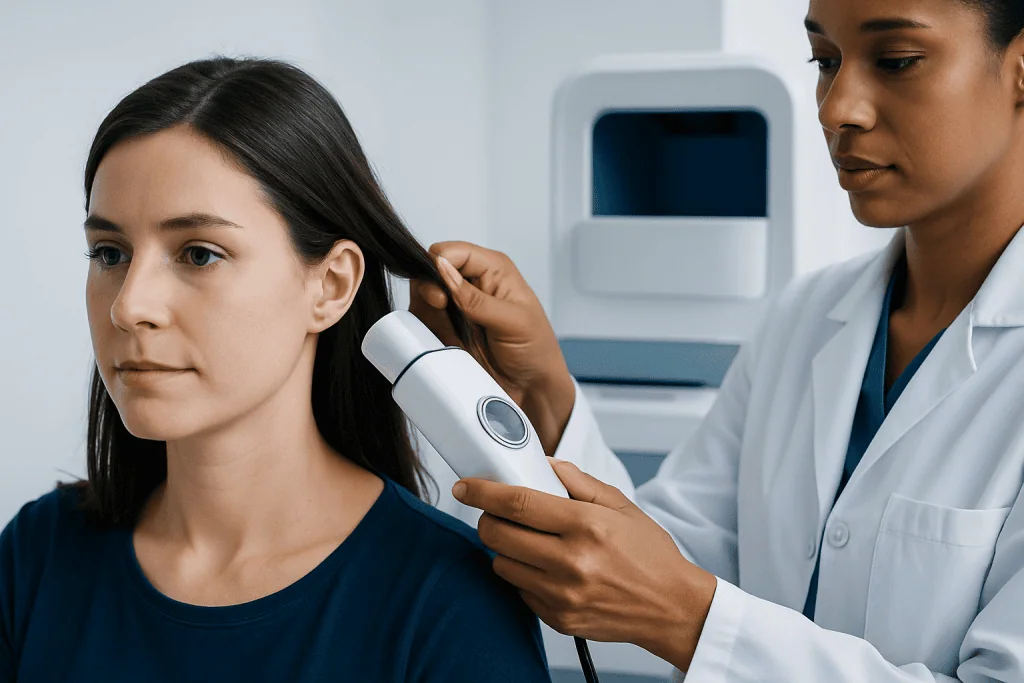
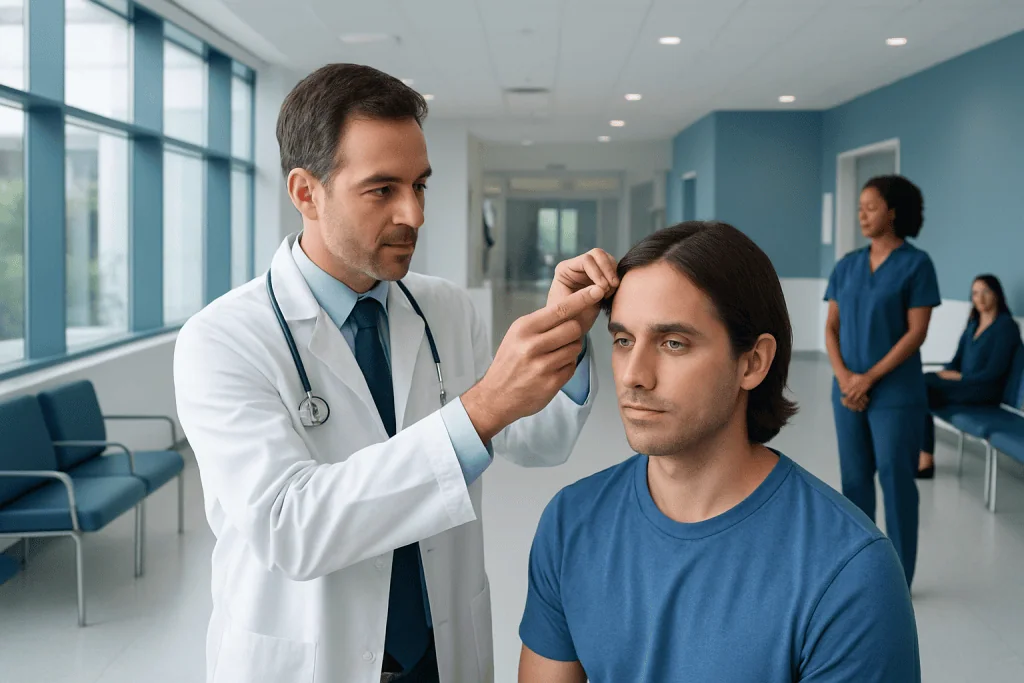
During sample collection, a trained professional cuts a small amount of hair, usually from the back of the scalp, close to the skin. If scalp hair is unavailable, body hair may sometimes be used, although this can change how the results are interpreted because body hair grows differently from scalp hair.
In the laboratory, the sample is cleaned, prepared, and analyzed for specific substances. Many laboratories first perform a screening test. If the screening result is positive or unclear, a second, more specific confirmatory test is usually done to reduce the chance of a false positive.
A hair follicle drug test may be used to look for a range of substances, depending on the panel ordered. These often include:
- Opioids
- Cocaine
- Amphetamines and methamphetamines
- Cannabis compounds
- Phencyclidine (PCP)
- In some settings, benzodiazepines or other specific medications
The exact panel, cutoff values, and reporting rules depend on the laboratory and the reason for testing. A hair test can suggest exposure, but it does not by itself diagnose a substance use disorder. When there are concerns about ongoing substance-related health problems, doctors may also evaluate for related addiction or other medical and mental health conditions.
Detection window, accuracy, and limitations
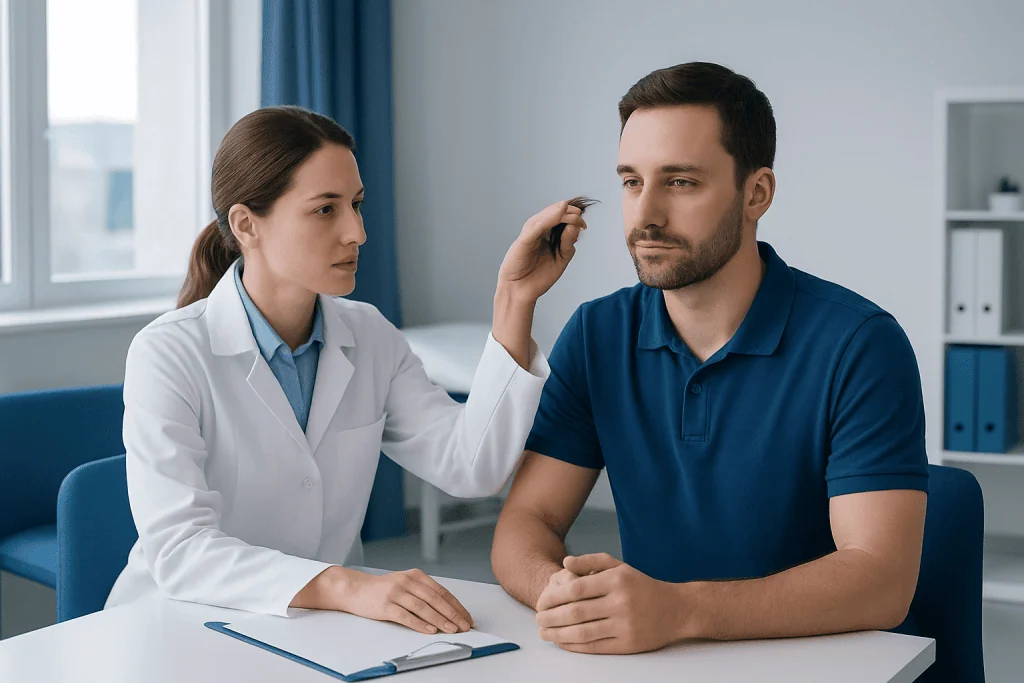
The detection window for a hair follicle drug test is one of the main reasons it is used. A standard scalp hair sample of about 1.5 inches may reflect roughly the previous 90 days of exposure, although this is an estimate rather than an exact timeline. Different hair growth rates, hair length, and testing methods can affect the period covered.
Hair testing is not ideal for identifying drug use in the past few hours or even the first few days after exposure. That is because the hair containing the substance must grow above the scalp before it can be collected. If immediate or very recent exposure is the main question, blood, saliva, or urine testing may be more appropriate.
No drug test is perfect. External contamination, cosmetic hair treatments, differences in hair color or texture, and laboratory processing can all affect interpretation. For this reason, reputable laboratories use careful washing procedures and confirmatory testing to improve reliability.
Another important limitation is that a hair follicle drug test generally cannot determine the exact amount used, the exact date of use, or whether a person was impaired at a particular time. It also cannot replace a full medical evaluation when symptoms suggest poisoning, withdrawal, or another urgent condition.
Why a doctor or organization may order this test
Hair drug testing may be requested in several settings. Employers may use it as part of a workplace policy, and courts or treatment programs may request it when a longer-term history of exposure matters. In healthcare, a doctor may order it to help clarify a patient’s history when this could affect diagnosis or treatment planning.
In addiction medicine, a hair follicle drug test may be one tool among many to support monitoring and recovery planning. It does not replace compassionate clinical care, counseling, or a full understanding of a person’s circumstances. When appropriate, patients may benefit from assessment within psychiatry or addiction-focused care.
Some people are tested because they have unexplained symptoms or because another person is concerned about possible substance exposure. In these cases, doctors first consider medical history, medications, mental health, and common physical causes of symptoms before relying on a single test result.
The reason for testing matters because it shapes how results are interpreted. For example, a legal or occupational test may have strict chain-of-custody rules, while a clinical test may focus more on guiding treatment and supporting patient safety.
Understanding results: positive, negative, and unclear findings
A negative result usually means no targeted substances were detected above the laboratory’s reporting threshold in the hair sample tested. However, it does not always prove that no exposure occurred. Very recent use, low-level or infrequent use, and sample limitations can all lead to a negative result despite some exposure.
A positive result means the laboratory detected a substance or metabolite and, in most formal programs, confirmed it with a more specific method. Even then, interpretation should be careful. A positive result does not on its own show current intoxication, addiction severity, or how often the drug was used.
Sometimes a result is reported as inconclusive, invalid, or requiring recollection. This may happen if there is not enough sample, if the sample quality is poor, or if technical issues arise during analysis. In those cases, repeating the test or using another testing method may be necessary.
People should tell the testing provider about prescription medicines, over-the-counter products, supplements, and recent hair treatments. While modern laboratories are designed to distinguish many medications from illicit substances, this information can still help prevent misunderstanding and support accurate review. If there is concern about side effects or medication interactions, a doctor may recommend further laboratory tests.
Preparation, self-care, and common misconceptions
In most cases, no special medical preparation is needed before a hair follicle drug test. It is still helpful to bring a list of current medications and to mention any recent bleaching, dyeing, straightening, or other chemical hair treatments. This does not automatically invalidate the test, but it may be relevant to interpretation.
One common misconception is that shaving the head will reliably avoid testing. In practice, collection staff may use hair from another body site if the test policy allows it. Another misconception is that frequent washing, special shampoos, or home remedies can guarantee a negative result. Laboratories are aware of these claims, and there is no dependable self-treatment that can assure a particular outcome.
From a health perspective, the best self-care step is honesty with the healthcare team. If a person is using substances, is worried about relapse, or thinks a test result may affect care, open discussion can help clinicians recommend safer and more appropriate support.
People who are trying to stop alcohol or drug use should not attempt withdrawal alone if they have heavy or long-term use, severe symptoms, or other health problems. Medical supervision may be important, especially when withdrawal could be dangerous or when coexisting conditions such as depression or anxiety are present.
When to seek medical care
A hair follicle drug test is not an emergency test. Immediate medical care is more important than waiting for a hair test result if someone has chest pain, trouble breathing, seizures, severe confusion, loss of consciousness, or signs of overdose. In those situations, urgent evaluation is needed right away.
Medical advice should also be sought if a person has troubling symptoms related to possible substance use, such as strong cravings, shaking, vomiting, severe anxiety, hallucinations, depressed mood, or thoughts of self-harm. These symptoms may reflect intoxication, withdrawal, or another medical or psychiatric problem that needs prompt attention.
People may also wish to see a doctor if they have questions about an unexpected positive or negative result, especially when the result could affect treatment, work, pregnancy, surgery, or mental health care. A physician can help decide whether repeat testing, another test type, or specialist evaluation is appropriate.
For international patients who need coordinated evaluation, Acibadem International’s multidisciplinary specialists and JCI-accredited hospitals provide assessment and treatment for substance-related and mental health concerns when medically appropriate.
Frequently asked questions
How far back does a hair follicle drug test go?
A standard scalp hair sample often reflects drug exposure over about the previous 90 days. The exact window depends on hair length, growth rate, and the laboratory method used. It is an estimate rather than a precise calendar of use.
Can a hair follicle drug test detect very recent drug use?
Usually not. Hair testing is not the best option for detecting use in the past few hours or first few days because the hair must grow above the scalp before it can be sampled. Urine, saliva, or blood tests are often better for recent exposure.
Does the test actually remove the hair follicle?
In most cases, no. The sample is typically a small section of hair cut close to the scalp, and the laboratory analyzes the hair shaft. The term “hair follicle test” is widely used, but it is not fully literal.
Can prescription medicines affect a hair follicle drug test?
They can be relevant to interpretation, which is why patients should report all prescription and over-the-counter medicines and supplements. Many formal testing programs use confirmatory testing to help distinguish specific substances. A doctor or medical review professional can explain whether a medication might matter in an individual case.
Can shampoo, dye, or bleaching change the results?
Cosmetic hair treatments may influence the condition of the sample and can sometimes affect interpretation. However, laboratories use standardized preparation methods and do not assume that cosmetic treatment automatically makes a result invalid. It is important to disclose recent hair treatments before testing.
What does a positive hair drug test mean medically?
A positive result means the tested substance or its metabolite was detected in the hair sample, usually after confirmation with a more specific method. It suggests past exposure, but it does not prove current impairment or diagnose a substance use disorder by itself. Medical interpretation depends on symptoms, timing, and clinical history.
This article is for general information only and is not a substitute for professional medical advice. Please consult a qualified doctor about your individual situation.
Hair transplant in Turkey — costs, graft counts & a free assessment
JCI-accredited · board-certified surgeons · reply within 24h
Add us as a Preferred Source to see more of our trusted health content across Google Search, AI Overviews and Discover.

More from the Health Library
Bipolar: A Complete Medical Overview

Rear Delt Exercises: What Patients Need to Know

Primary Progressive Aphasia: An Evidence-Based Guide for Patients
Postpartum Hemorrhage — Explained by Medical Evidence, Not Myths
Fundal Height: What Patients Need to Know