

Postpartum Hemorrhage — Explained by Medical Evidence, Not Myths

Postpartum hemorrhage means unusually heavy bleeding after vaginal birth or cesarean delivery. It can happen immediately after birth or later in the postpartum period.
Key Takeaways
- Postpartum hemorrhage means unusually heavy bleeding after vaginal birth or cesarean delivery.
- It can happen immediately after birth or later in the postpartum period.
- Common causes include poor uterine contraction, retained placental tissue, tears, and blood-clotting problems.
- Treatment focuses on stopping bleeding quickly, replacing lost fluids or blood, and treating the cause.
- Anyone with heavy bleeding, dizziness, fainting, or shortness of breath after delivery should seek urgent medical care.
Postpartum hemorrhage is excessive bleeding after childbirth and is a medical emergency, but it is also a well-recognized condition with effective treatments. Medical evidence shows that early recognition, prompt treatment, and close monitoring are central to a safe recovery.
Overview
Postpartum hemorrhage is heavy bleeding after childbirth that needs urgent medical attention. In medical practice, it refers to blood loss that is greater than expected after delivery and is significant enough to affect the mother’s health, blood pressure, heart rate, or overall stability. It may happen after a vaginal birth or after a cesarean delivery.
Medical evidence does not treat postpartum hemorrhage as a rare or mysterious event. Instead, it is a known obstetric emergency with clear causes, recognized risk factors, and established treatment pathways. Most cases are managed successfully when the care team identifies bleeding early and responds quickly.
Postpartum hemorrhage is often described as either primary or secondary. Primary postpartum hemorrhage usually happens within the first 24 hours after birth. Secondary postpartum hemorrhage develops from 24 hours up to several weeks later, often after the mother has already gone home. Both forms deserve prompt medical assessment.
It is also important to separate normal postpartum bleeding from dangerous bleeding. Vaginal bleeding after birth, called lochia, is expected and gradually decreases over days to weeks. Postpartum hemorrhage is different because the bleeding is unusually heavy, may come with large clots, and can be associated with weakness, dizziness, or signs of shock.
How It May Appear: Symptoms and Warning Signs
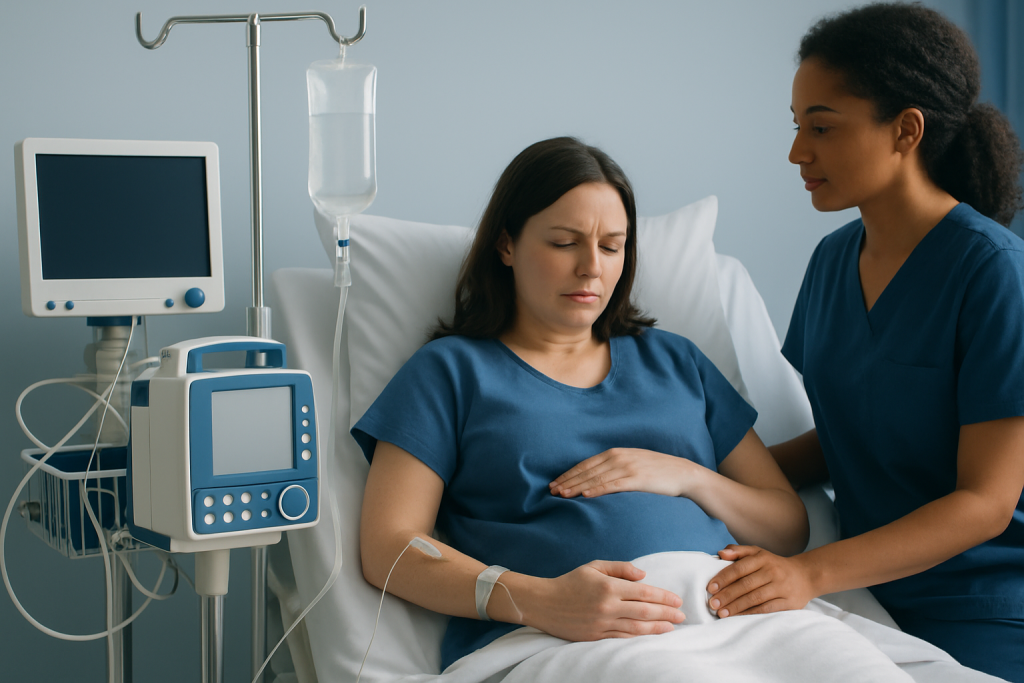
The most obvious sign of postpartum hemorrhage is heavy vaginal bleeding after childbirth. A person may soak pads rapidly, pass large blood clots, or notice that bleeding suddenly becomes heavier instead of gradually improving. Bleeding may be visible, but in some cases part of the blood loss can be internal, especially after surgery.
Symptoms are not limited to blood loss alone. As the body loses blood, it may struggle to maintain normal circulation. This can lead to lightheadedness, fainting, weakness, palpitations, shortness of breath, confusion, pale or clammy skin, and a fast heart rate. Some women describe a feeling that something is suddenly very wrong, even before the amount of bleeding is fully clear.
Clinicians also watch for signs that the uterus is not contracting well after birth. A soft or enlarged uterus, ongoing bleeding despite massage, and dropping blood pressure can point toward postpartum hemorrhage. After cesarean delivery, abdominal pain, swelling, or worsening weakness may raise concern for hidden bleeding.
- Bleeding that soaks one or more pads quickly
- Large clots or a sudden gush of blood
- Dizziness, fainting, or marked weakness
- Rapid heartbeat or shortness of breath
- Pale, cold, or sweaty skin
- Bleeding that becomes heavier days after delivery
Why It Happens: Causes and Risk Factors
Doctors often explain postpartum hemorrhage using four major categories: uterine atony, tissue, trauma, and thrombin. Uterine atony means the uterus does not contract strongly enough after delivery. This is the most common cause. The normal role of uterine contraction is to squeeze blood vessels shut after the placenta separates. When that process is weak, bleeding can continue.
Retained placental tissue is another important cause. If part of the placenta or membranes remains inside the uterus, the uterus may not contract effectively and bleeding may persist. Trauma refers to tears in the cervix, vagina, or perineum, or bleeding related to cesarean surgery. Thrombin refers to blood-clotting disorders that make it harder for the body to stop bleeding.
Several factors can increase risk, although postpartum hemorrhage can also happen without warning in someone with no obvious risk factors. Higher risk may be seen with prolonged labor, very rapid labor, multiple pregnancy, a large baby, infection, placental abnormalities, prior postpartum hemorrhage, cesarean birth, operative delivery, high blood pressure disorders, or known clotting conditions. Conditions related to the placenta, such as placenta previa, can also raise the risk of major bleeding around delivery.
Risk factors help care teams prepare, but they do not predict every case. This is why hospitals closely monitor all mothers after childbirth, not only those with a known higher risk. In some women, bleeding develops because of a combination of causes rather than a single reason.
How Doctors Diagnose Postpartum Hemorrhage
Diagnosis begins with direct clinical assessment. Doctors and midwives look at the amount of bleeding, check vital signs, assess the firmness of the uterus, and examine the birth canal or surgical site. They also consider how the patient feels, because symptoms such as dizziness, weakness, or fainting can signal significant blood loss even when the exact amount is hard to measure.
Blood tests help show how much blood has been lost and whether clotting is affected. These may include a complete blood count, clotting studies, blood type and crossmatch, and tests that help monitor the body’s response to blood loss. If retained tissue is suspected, ultrasound can help assess the uterus, though treatment decisions are often based on the overall clinical situation and may need to happen quickly.
When bleeding follows a cesarean delivery or there is concern for internal bleeding, additional evaluation may be needed. Imaging and close surgical assessment may help identify whether the bleeding comes from the uterus, the abdominal cavity, or a wound site. The main priority is always to stabilize the patient while the cause is being identified.
After diagnosis, the team usually works in parallel: one part of the team manages circulation and blood loss, while others identify the source of bleeding and start treatment. This coordinated approach is a standard part of modern obstetric emergency care.
Treatment Options and Emergency Management
Treatment for postpartum hemorrhage starts immediately and is tailored to the cause. First steps usually include uterine massage, medications that help the uterus contract, intravenous fluids, oxygen if needed, and close monitoring of blood pressure, pulse, and urine output. If blood loss is substantial, blood transfusion or blood products may be necessary to restore circulation and support clotting.
If the uterus is not contracting well, medications called uterotonics are commonly used. If retained placental tissue is suspected, the uterus may need to be explored and the tissue removed. If there is a tear, it may need surgical repair. If a clotting disorder is contributing, treatment focuses on replacing missing blood components and correcting the clotting problem.
Some cases require procedures to control bleeding. Depending on the situation, doctors may use a balloon device inside the uterus to apply pressure, perform surgery, or involve interventional radiology to block bleeding blood vessels with embolization. If bleeding remains severe despite other measures, an emergency operation may be needed. In selected complex cases, teams may also use advanced support available through intensive care and rapid access to blood transfusion.
The treatment plan depends on the patient’s condition, the cause of bleeding, whether delivery was vaginal or cesarean, and how quickly bleeding responds. Although this can be a frightening event, evidence-based protocols have greatly improved outcomes when postpartum hemorrhage is recognized and treated promptly.
Recovery, Prevention, and Self-Care After Birth
Recovery depends on how much blood was lost, what treatment was required, and whether complications developed. Some women recover quickly after medication or repair of a tear, while others may need a longer hospital stay after transfusion or surgery. Fatigue is common during recovery, and iron supplementation may be recommended if anemia develops.
Prevention begins before delivery with routine prenatal care, identification of risk factors, and planning for birth in a setting that can manage obstetric emergencies. During labor and immediately after birth, the care team typically uses active management of the third stage of labor, which often includes medication to support uterine contraction and careful monitoring for bleeding. This standard practice helps reduce risk.
After going home, self-care includes resting, drinking enough fluids, taking prescribed medications, and following instructions for follow-up appointments. It also means monitoring postpartum bleeding. It is normal for lochia to change color and gradually lessen, but it should not suddenly become very heavy or cause symptoms such as fainting or severe weakness.
For women who have experienced postpartum hemorrhage, future pregnancy planning is important. A previous episode increases the need for careful review before the next birth. A specialist can discuss the likely cause, the chance of recurrence, and how a future delivery can be managed safely. At centers such as Acibadem International, multidisciplinary specialists in JCI-accredited hospitals evaluate and treat postpartum bleeding conditions for international patients.
When to Seek Medical Care
Urgent medical care is needed if heavy bleeding occurs after childbirth, especially if it is soaking pads quickly, forming large clots, or accompanied by dizziness, fainting, chest discomfort, fast heartbeat, shortness of breath, or confusion. These symptoms may indicate significant blood loss and should not be observed at home without prompt professional assessment.
Medical care is also important if bleeding becomes heavier after it had started to improve, if there is fever or foul-smelling discharge, or if severe abdominal or pelvic pain develops. These signs can suggest retained tissue, infection, or another postpartum complication that needs evaluation.
Even when symptoms seem less dramatic, a postpartum woman should contact her doctor, midwife, or emergency service if she is worried about the amount of bleeding. Early assessment is safer than waiting. It may also help identify related conditions such as uterine fibroids or surgical complications when clinically relevant.
If a person has recently given birth and feels faint, collapses, or appears severely unwell, emergency services should be called immediately. Postpartum hemorrhage is treatable, but time matters.
Frequently asked questions
What is postpartum hemorrhage?
Postpartum hemorrhage is excessive bleeding after childbirth that can threaten the mother’s health if not treated quickly. It may happen right after delivery or later in the postpartum period.
Is heavy bleeding after birth always postpartum hemorrhage?
No. Some bleeding after birth is normal and is called lochia. Doctors become concerned when bleeding is heavier than expected, does not slow down, or causes symptoms such as dizziness, weakness, or fainting.
Can postpartum hemorrhage happen after a cesarean section?
Yes. It can occur after both vaginal birth and cesarean delivery. After cesarean birth, some of the bleeding may be less visible, so medical teams also watch for signs such as low blood pressure, fast pulse, pain, or worsening weakness.
Who is at higher risk for postpartum hemorrhage?
Risk may be higher with prolonged labor, placental problems, multiple pregnancy, cesarean delivery, a history of postpartum hemorrhage, or clotting disorders. However, it can also happen in women without clear risk factors.
How is postpartum hemorrhage treated?
Treatment depends on the cause but often includes uterine massage, medications to help the uterus contract, intravenous fluids, and sometimes blood transfusion. If needed, doctors may remove retained tissue, repair tears, use procedures to stop bleeding, or perform surgery.
Can someone recover fully after postpartum hemorrhage?
Many women recover fully, especially when treatment begins promptly. Recovery may take longer if there was major blood loss, anemia, surgery, or other complications, so follow-up care is important.
When should a new mother seek urgent help for bleeding?
She should seek urgent care if bleeding is very heavy, if pads are soaking rapidly, or if there are large clots, fainting, shortness of breath, chest discomfort, or severe weakness. If she feels suddenly unwell after childbirth, it is safer to be assessed without delay.
This article is for general information only and is not a substitute for professional medical advice. Please consult a qualified doctor about your individual situation.
Explore treatments in Turkey — costs, top hospitals & a free quote
JCI-accredited · board-certified surgeons · reply within 24h
Add us as a Preferred Source to see more of our trusted health content across Google Search, AI Overviews and Discover.
Check your numbers in seconds
BMI, calories, due date, blood pressure and 30+ more clinical calculators — free, instant, doctor-reviewed ranges.

More from the Health Library

Superior Mesenteric Vein — Explained by Medical Evidence, Not Myths

Myotonica: A Complete Medical Overview
Retina Detachment — Explained by Medical Evidence, Not Myths

Lopsided Smile: An Evidence-Based Guide for Patients

Turkey Tail Mushroom Benefits — Explained by Medical Evidence, Not Myths

Orange Discharge: A Complete Medical Overview
Gynecology & Obstetrics Specialists at Acibadem

Dr. Çağlar Yazıcıoğlu
Gynecology & Obstetrics
Dr. Canan Genim Erdem
Gynecology & Obstetrics
Dr. Cavide Ali
Gynecology & Obstetrics
Prof. Dr. Cem Demirel
Gynecology & Obstetrics