Superior Mesenteric Vein — Explained by Medical Evidence, Not Myths

The superior mesenteric vein helps carry nutrient-rich blood from the intestines to the liver through the portal vein. Most people do not feel the vein itself; symptoms usually relate to an underlying problem such as a blood clot or bowel inflammation.
Key Takeaways
- The superior mesenteric vein helps carry nutrient-rich blood from the intestines to the liver through the portal vein.
- Most people do not feel the vein itself; symptoms usually relate to an underlying problem such as a blood clot or bowel inflammation.
- Superior mesenteric vein thrombosis can cause abdominal pain, nausea, vomiting, bloating, or blood in the stool.
- Diagnosis often relies on contrast-enhanced CT imaging and blood tests interpreted together with symptoms and examination findings.
- Treatment depends on the cause and may include anticoagulation, treatment of the underlying condition, and sometimes urgent surgery.
The superior mesenteric vein is a major abdominal vein that drains blood from much of the small intestine and part of the large intestine into the portal venous system. It is usually discussed when imaging is performed or when a clot, called superior mesenteric vein thrombosis, affects intestinal blood flow and requires prompt medical assessment.
Overview: what the superior mesenteric vein is
The superior mesenteric vein is a large vein in the abdomen. Its job is to drain blood from much of the small intestine, the cecum, the ascending colon, and part of the transverse colon. That blood then travels toward the liver through the portal venous system, where nutrients absorbed from food can be processed.
In everyday life, most people never notice this vein. It becomes medically important when doctors evaluate abdominal pain, bowel disease, liver-related circulation, or a possible blood clot in the mesenteric veins. The term people most often encounter is superior mesenteric vein thrombosis, which means a clot has formed in the vein and may interfere with normal intestinal drainage.
This topic can be confusing because the superior mesenteric vein is often mentioned alongside the superior mesenteric artery. They are different blood vessels with different roles. The artery brings oxygen-rich blood to the intestines, while the vein carries blood away from the intestines toward the liver.
How it fits into the body’s circulation
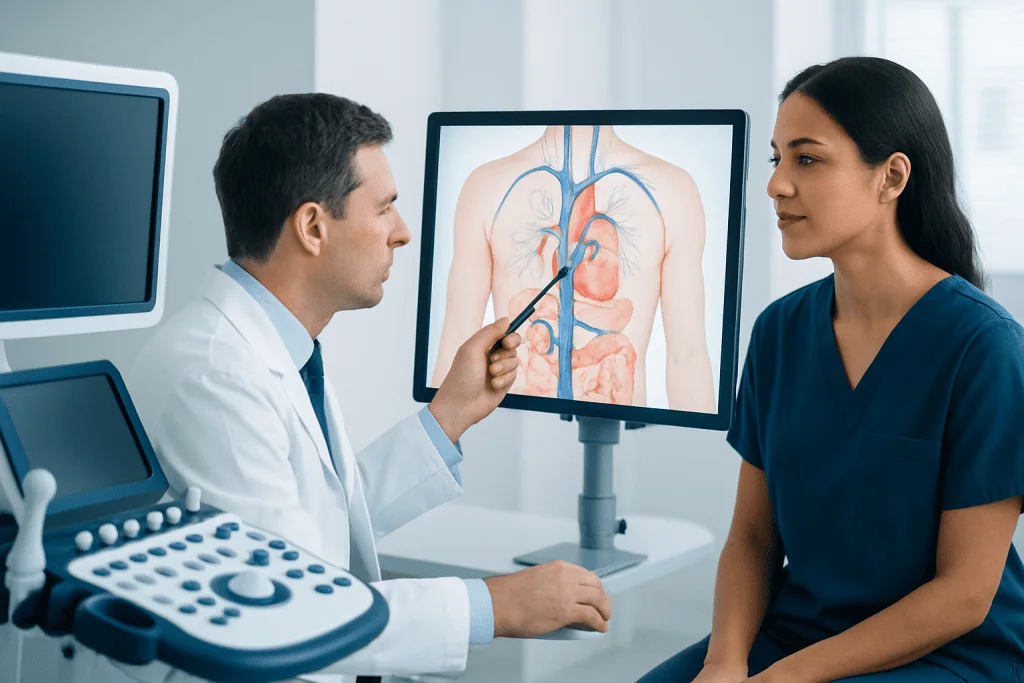
The superior mesenteric vein runs near the superior mesenteric artery and joins with other abdominal veins as part of the portal circulation. In many people, it joins the splenic vein to form the portal vein, which enters the liver. This arrangement is important because the liver receives blood not only from an artery but also from the digestive tract through veins.
From a clinical point of view, this means a problem in the intestines, pancreas, liver, or clotting system can affect the superior mesenteric vein. It also explains why radiology reports may mention this vein when imaging is done for abdominal pain, pancreatitis, inflammatory bowel disease, or suspected bowel ischemia.
Doctors do not usually treat a normal superior mesenteric vein. They investigate it when symptoms, laboratory findings, or scans suggest a blockage, narrowing, inflammation, or abnormal pressure in the portal system.
Symptoms when something is wrong

A healthy superior mesenteric vein does not cause symptoms. Symptoms happen when an underlying disorder affects blood flow, especially a clot. In some cases, symptoms begin suddenly; in others, they develop gradually over days. The most common complaint is abdominal pain that may seem out of proportion to the physical examination.
Other symptoms may include nausea, vomiting, bloating, diarrhea, reduced appetite, or blood in the stool. Some people develop fever if there is associated inflammation or infection. If blood flow in the bowel becomes severely impaired, symptoms can become more intense and urgent.
Possible warning signs include:
- New or severe abdominal pain
- Persistent vomiting
- Abdominal swelling or marked bloating
- Black, tarry, or bloody stool
- Fever with abdominal symptoms
- Symptoms of dehydration or weakness
These symptoms do not always mean a mesenteric vein problem. They can also occur with conditions such as appendicitis, pancreatitis, bowel obstruction, Crohn’s disease, or ulcerative colitis. That is why medical evaluation is important.
Causes and risk factors
The best-known disorder involving the superior mesenteric vein is thrombosis, or clot formation. A clot may partly or completely block the vein. This can slow intestinal venous drainage, increase pressure in the bowel wall, and in severe cases contribute to bowel ischemia or tissue injury.
Many different factors can increase clot risk. These include inherited or acquired clotting disorders, abdominal inflammation, liver disease, pancreatitis, recent surgery, abdominal infection, cancer, trauma, dehydration, pregnancy, and certain medications such as estrogen-containing therapies. Some people have more than one risk factor at the same time.
Inflammatory bowel disease and diseases affecting the pancreas or liver may also contribute. In selected cases, doctors look for broader vascular or gastrointestinal conditions during the workup, especially if symptoms are persistent or the clot has no obvious trigger. In complex situations, assessment may involve imaging and specialist review in areas such as gastroenterology or interventional radiology.
Not every abnormality seen on imaging is a new or dangerous clot. Sometimes a report describes chronic changes, collateral veins, or findings related to portal hypertension. The meaning depends on symptoms, blood tests, and the full scan interpretation.
How doctors diagnose superior mesenteric vein problems
Diagnosis starts with the person’s history and a physical examination. Doctors ask about the timing and nature of the pain, bowel habits, fever, vomiting, prior clots, recent travel or surgery, medications, family history, and conditions such as cancer or inflammatory bowel disease. Examination may show tenderness, bloating, or signs of dehydration, but early findings can sometimes be subtle.
Blood tests may include a complete blood count, inflammatory markers, kidney function, liver-related tests, and clotting studies. These tests do not diagnose superior mesenteric vein thrombosis by themselves, but they help doctors understand how urgent the problem may be and whether there are complications.
The most useful imaging test is often a contrast-enhanced CT scan of the abdomen and pelvis. This can show a clot in the vein, bowel wall swelling, reduced blood flow, surrounding inflammation, or other causes of pain. In some situations, MRI or ultrasound may also be used, though CT is commonly preferred in urgent assessment.
If a clot is confirmed, further evaluation may look for why it happened. That can include tests for clotting disorders, hidden inflammation, liver disease, or cancer, depending on age, medical history, and the clinical setting.
Treatment options and what recovery may involve
Treatment depends on the cause, the severity of symptoms, and whether the bowel has been injured. For superior mesenteric vein thrombosis, anticoagulation is commonly used to help prevent the clot from growing and to reduce the risk of new clots. Doctors also treat contributing problems such as dehydration, infection, pancreatitis, or inflammatory bowel disease.
Some people need hospital care for intravenous fluids, pain control, monitoring, and repeated examinations. If there are signs of bowel infarction, perforation, or severe peritonitis, urgent surgery may be necessary. In selected cases, specialists may consider endovascular approaches through vascular surgery or related teams, but this is individualized.
Longer-term management may include continuing anticoagulation for a period determined by the treating physician, based on whether the clot was provoked by a temporary factor or linked to an ongoing clotting tendency. Follow-up imaging may be recommended to assess vein patency and bowel recovery.
When the superior mesenteric vein is mentioned because of another digestive condition rather than a clot, treatment focuses on the underlying disease. For example, care may involve managing bowel inflammation, liver-related portal pressure, or pancreatic disease. In tertiary centers, this can include coordinated assessment with general surgery when needed.
Prevention and self-care
There is no routine self-check for the superior mesenteric vein, but general measures that support vascular and digestive health can help lower risk in some situations. Staying hydrated, moving regularly during illness recovery or travel, and following medical advice after surgery are practical steps. People with known clotting disorders or a history of thrombosis may need individualized prevention plans from their doctor.
Managing chronic conditions matters too. Good follow-up for inflammatory bowel disease, liver disease, cancer, or pancreatic disorders may reduce complications that can affect mesenteric veins. Medications should be reviewed with a clinician, especially if there is a personal or family history of abnormal clotting.
Self-care should not replace assessment when symptoms are concerning. New severe abdominal pain, persistent vomiting, or blood in the stool should not be treated only at home. Early evaluation improves the chance of finding the cause before complications develop.
Near the end of a patient’s care journey, some people may benefit from multidisciplinary review. Acibadem International’s multidisciplinary specialists in JCI-accredited hospitals evaluate and treat abdominal and vascular conditions for international patients when advanced diagnosis or coordinated care is needed.
When to seek medical care
Medical care is appropriate if abdominal pain is persistent, unusual, or worsening, especially when it is associated with vomiting, fever, bloating, or stool changes. People with a known clotting disorder, recent surgery, active cancer, inflammatory bowel disease, or pancreatitis should be especially careful not to ignore these symptoms.
Urgent evaluation is important for severe abdominal pain, blood in the stool, fainting, inability to keep fluids down, or signs of a rigid or very swollen abdomen. These features can point to a serious intestinal or abdominal condition that needs prompt diagnosis.
Even when the cause turns out not to involve the superior mesenteric vein, similar symptoms can reflect other conditions that also need treatment. A qualified doctor can decide whether imaging, blood tests, observation, or emergency care is most appropriate.
Frequently asked questions
What does the superior mesenteric vein do?
The superior mesenteric vein drains blood from much of the small intestine and part of the large intestine. It carries that blood into the portal venous system so the liver can process absorbed nutrients.
Is the superior mesenteric vein the same as the superior mesenteric artery?
No. The artery delivers oxygen-rich blood to the intestines, while the vein carries blood away from the intestines toward the liver. Both are important, but they have different functions and different medical problems.
What is superior mesenteric vein thrombosis?
Superior mesenteric vein thrombosis means a blood clot has formed in this abdominal vein. It can reduce normal venous drainage from the bowel and may lead to abdominal pain, swelling, nausea, or more serious intestinal complications if not treated.
How is a problem in the superior mesenteric vein diagnosed?
Doctors usually combine symptoms, physical examination, blood tests, and imaging. A contrast-enhanced CT scan is commonly used because it can show the vein, detect a clot, and reveal whether the bowel is affected.
Can superior mesenteric vein thrombosis be treated?
Yes, in many cases it can be treated, often with anticoagulation and care for the underlying cause. Some people need hospital monitoring, and a smaller number need urgent surgery if there are signs of bowel injury.
Does abdominal pain always mean there is a clot in the superior mesenteric vein?
No. Abdominal pain is common and has many possible causes, including infections, inflammation, gallbladder problems, appendicitis, bowel disorders, and pancreatitis. A doctor’s evaluation is needed to determine whether the superior mesenteric vein is involved.
References
- National Institute of Diabetes and Digestive and Kidney Diseases
- American College of Radiology
- Merck Manual Professional Edition
- Society of Interventional Radiology
- National Institutes of Health
This article is for general information only and is not a substitute for professional medical advice. Please consult a qualified doctor about your individual situation.
Persistent digestive symptoms? Get evaluated in Turkey
JCI-accredited · board-certified surgeons · reply within 24h
Add us as a Preferred Source to see more of our trusted health content across Google Search, AI Overviews and Discover.