Robotic surgery Risks & Side Effects Explained by Surgeons

Robotic surgery is performed by a surgeon who controls robotic instruments; the system does not operate independently. Risks vary by the operation, body area, underlying condition and a person’s overall health.
Key Takeaways
- Robotic surgery is performed by a surgeon who controls robotic instruments; the system does not operate independently.
- Risks vary by the operation, body area, underlying condition and a person’s overall health.
- Possible complications include bleeding, infection, blood clots, anesthesia-related problems and injury to surrounding organs or tissues.
- Some procedures may need to be converted from robotic or keyhole surgery to an open operation for safety.
- Recovery is often shorter than after open surgery, but individual healing timelines differ.
- New or worsening pain, fever, shortness of breath, heavy bleeding or wound concerns should be assessed promptly.
Robotic surgery risks are similar to those of other operations, including bleeding, infection, blood clots, anesthesia reactions and injury to nearby structures. For appropriately selected patients and procedures, robotic assistance may support precise minimally invasive surgery, but it does not remove surgical risk or replace the surgeon’s clinical judgment.
Robotic Surgery Risks: The Answer First
Robotic surgery carries risks that are broadly similar to those of other surgical approaches. These can include bleeding, infection, blood clots, reactions to anesthesia, damage to nearby organs or nerves, and the possibility that the surgeon may need to change to an open procedure to complete the operation safely.
For some people, robotic assistance can make minimally invasive surgery possible or technically easier. Smaller incisions may be associated with less postoperative pain, less blood loss, a shorter hospital stay and a faster return to usual activities in selected operations, but these potential benefits depend on the procedure, the patient’s health and the experience of the surgical team.
Robotic surgery is not one single operation. It is a surgical method used in several specialties, including urology, gynecology, colorectal surgery, thoracic surgery and selected cancer operations. The most appropriate approach is decided after considering the diagnosis, disease extent, previous surgery, anatomy and personal treatment goals.
How Robotic-Assisted Surgery Works
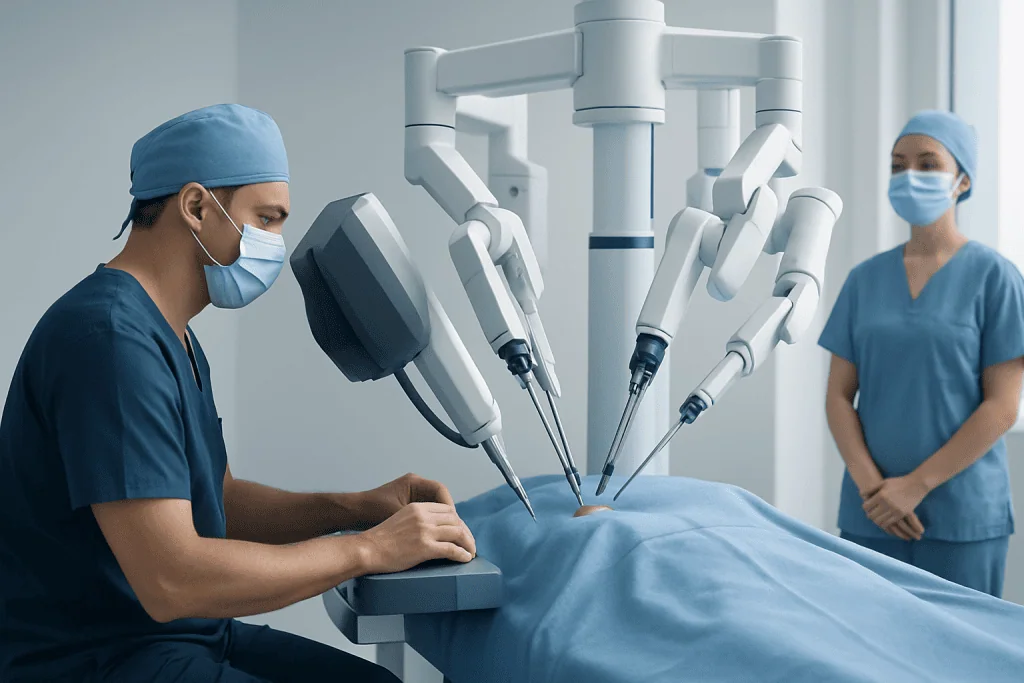
During robotic-assisted surgery, the surgeon remains in the operating room and controls instruments from a nearby console. The system can provide a magnified three-dimensional view of the surgical area and instruments designed to move with a high degree of flexibility through small incisions. A trained bedside surgical team assists throughout the procedure.
The robot does not make decisions or perform surgery on its own. Every movement is directed by the operating surgeon, and safety checks are built into the operating process. The surgical team may use robotic assistance alongside other technologies, such as imaging, specialized energy devices or intraoperative pathology, when clinically appropriate.
Robotic surgery is one option within minimally invasive care. It may be compared with laparoscopic surgery, which also uses small incisions and a camera but relies on handheld instruments, or with traditional open surgery, which uses a larger incision. Each approach has advantages and limitations for different conditions.
Patients seeking a broad explanation of the approach can review robotic surgery treatment information alongside a personalized discussion with their surgeon.
Who May Be a Candidate for Robotic Surgery?

Candidacy is based on the operation needed rather than a preference for a particular technology. A surgeon considers the diagnosis, location and size of the condition, whether cancer has spread, prior operations, body anatomy, heart and lung health, medications, bleeding risk and the person’s ability to tolerate general anesthesia.
Robotic assistance may be considered for some prostate, kidney, uterine, colorectal, chest and abdominal procedures. In oncology, the goal remains complete and appropriate treatment of the cancer. A robotic approach is considered only when it is expected to meet the same cancer-control principles as another suitable surgical approach.
Some people may not be suitable candidates for minimally invasive or robotic surgery. Extensive scar tissue from prior procedures, severe inflammation, certain advanced cancers, unstable medical conditions or anatomical factors may make open surgery safer or more effective. This is not a treatment failure; it is a clinical decision made to reduce avoidable risk.
A preoperative assessment may include blood tests, imaging, medication review and input from anesthesia specialists. Patients should tell the team about all prescription medicines, over-the-counter products, supplements, allergies, smoking or vaping, and any previous anesthesia complications.
What Happens Before, During and After the Procedure?
Before surgery, the patient meets the surgeon and anesthesia team to review the planned operation, expected benefits, alternatives and meaningful risks. Instructions may include fasting before anesthesia and guidance on medicines that affect blood clotting, blood sugar or blood pressure. Medication changes should only be made under advice from the prescribing clinician or surgical team.
On the day of surgery, general anesthesia is commonly used, meaning the patient is asleep and monitored continuously. After small incisions are made, the surgeon inserts a camera and surgical instruments. In many abdominal operations, gas is used temporarily to create working space. The surgeon then performs the planned operation from the console while the bedside team remains at the patient’s side.
If visibility is limited, bleeding occurs, anatomy is more complex than expected, or another concern arises, the surgeon may switch to laparoscopic or open surgery. Conversion is a recognized safety decision, not necessarily a complication. It allows the team to choose the approach that best protects the patient and supports completion of the operation.
Afterward, recovery begins in a monitored area. Depending on the procedure, patients may go home the same day, stay overnight or remain in hospital longer. Pain control, walking, breathing exercises, wound care, eating and drinking plans, and follow-up arrangements are tailored to the operation and the individual.
Possible Risks and Side Effects
All operations have potential complications, and the exact risk profile depends on the type and complexity of surgery. Common short-term effects can include tiredness, incision discomfort, bruising, temporary swelling, nausea after anesthesia, constipation and shoulder discomfort from surgical gas after some abdominal procedures. These effects often improve during the first days to weeks of recovery.
More significant surgical risks may include bleeding requiring treatment or transfusion, wound or internal infection, fluid collections, blood clots in the legs or lungs, urinary retention, bowel problems, and injury to blood vessels, nerves or nearby organs. Rarely, a further procedure or urgent treatment may be needed. General anesthesia also has risks, which are assessed carefully before surgery.
Procedure-specific side effects should be discussed in detail. For example, operations involving the prostate may affect urinary control or sexual function, while bowel surgery can temporarily alter bowel habits and gynecologic surgery may affect fertility or hormone-related outcomes depending on what is removed. The underlying disease and extent of surgery often influence these outcomes as much as the surgical approach itself.
Technical problems with equipment are uncommon, and operating teams are trained to respond to them. Robotic systems are checked before use, and surgeons can continue with another surgical method if needed. No approach can guarantee a particular result, so informed consent should include the likely benefits, alternatives and uncertainties relevant to the planned operation.
- Bleeding, infection and delayed wound healing
- Blood clots, including deep vein thrombosis or pulmonary embolism
- Complications related to anesthesia or positioning during surgery
- Injury to nearby tissues, organs, blood vessels or nerves
- Conversion to laparoscopic or open surgery when clinically necessary
- Procedure-specific functional changes, depending on the organ treated
Benefits and Recovery Timeline
When robotic surgery is appropriate, potential benefits may include smaller incisions, less tissue disruption, reduced blood loss, less pain after surgery, a shorter hospital stay and earlier return to daily activities compared with open surgery. These are possible benefits rather than promises. They can differ substantially between procedures and between patients.
Many patients begin gentle walking soon after surgery, which helps circulation and supports recovery. The first few days often involve fatigue, soreness and the need for regular rest. In the following weeks, energy and comfort generally improve, but activity restrictions, driving, work return and lifting limits vary by operation. The surgical team provides the most reliable timeline for the individual procedure.
Recovery can take longer for major cancer surgery, complex reconstruction, open conversion, complications or people with other health conditions. It is important to attend follow-up appointments, take prescribed medicines as directed, care for incisions according to the team’s instructions and avoid smoking, which can impair healing.
Patients should contact their care team with questions rather than comparing their recovery with someone else’s. A planned review also gives the surgeon an opportunity to discuss pathology results, next steps in cancer care when relevant, and any rehabilitation or supportive care needs.
When to Seek Medical Care
Patients should follow the discharge instructions they receive after surgery, as these are specific to the operation performed. A surgical team should be contacted promptly for increasing redness, warmth, swelling, drainage or separation at an incision; pain that is worsening rather than improving; persistent vomiting; inability to drink fluids; or new urinary or bowel difficulties.
Urgent medical assessment is important for chest pain, shortness of breath, coughing blood, fainting, new confusion, heavy bleeding, severe abdominal pain, a rapidly swollen leg, or fever with significant deterioration. These symptoms can have many causes, but they should not be managed at home after an operation.
Before surgery, patients can reduce some avoidable risks by attending preoperative appointments, discussing all medicines and medical conditions honestly, following fasting and preparation instructions, and arranging appropriate support for the first days at home. The surgeon and anesthesia team can explain which preventive measures, such as early mobility or clot prevention, are suitable.
Acibadem International’s multidisciplinary specialists and JCI-accredited hospitals diagnose and treat conditions requiring robotic surgery for international patients, with care plans based on individual clinical assessment.
Frequently asked questions
Is robotic surgery safer than open surgery?
Robotic surgery is not automatically safer for every person or procedure. It can offer minimally invasive advantages in selected cases, but it has its own limitations and the same broad surgical risks, including bleeding, infection and anesthesia complications. The safest approach is the one that best fits the diagnosis, anatomy and surgical goals.
Can robotic surgery go wrong?
As with any operation, complications can occur during or after robotic surgery. The team monitors patients closely and can change to another surgical approach, including open surgery, if that is the safest way to proceed. Discussing the procedure-specific risks before consenting is an important part of preparation.
What are the most common side effects after robotic surgery?
Short-term effects may include tiredness, incision pain, bruising, nausea, constipation and temporary discomfort related to surgical gas in some abdominal operations. The exact symptoms and their duration depend on the operation. Persistent or worsening symptoms should be reported to the surgical team.
How long does recovery take after robotic surgery?
Recovery varies widely according to the procedure and the person’s overall health. Some patients return home within a day and resume light activities relatively soon, while major operations may require several weeks or longer for recovery. The surgeon’s postoperative instructions should guide activity, work and lifting decisions.
Will the surgeon be in the room during robotic surgery?
Yes. The surgeon controls the robotic instruments from a console in the operating room and works with a bedside surgical team. The robotic system does not perform surgery independently or make clinical decisions.
Why might a surgeon change robotic surgery to open surgery?
A surgeon may convert to open surgery if there is bleeding, difficult anatomy, scar tissue, limited visibility or another issue that makes a different approach safer. This decision is made to protect the patient and allow the operation to be completed appropriately. It is discussed as a possibility during the consent process.
References
- World Health Organization
- American College of Surgeons
- National Institute for Health and Care Excellence
- U.S. Food and Drug Administration
- National Cancer Institute
This article is for general information only and is not a substitute for professional medical advice. Please consult a qualified doctor about your individual situation.
Explore treatments in Turkey — costs, top hospitals & a free quote
JCI-accredited · board-certified surgeons · reply within 24h
Add us as a Preferred Source to see more of our trusted health content across Google Search, AI Overviews and Discover.
Check your numbers in seconds
BMI, calories, due date, blood pressure and 30+ more clinical calculators — free, instant, doctor-reviewed ranges.

More from the Health Library



Related Specialists

Dr. Burak Orakçıoğlu
Inpatient Clinic Physicians
Dt. Nupelda Ayçiçek Yalçındağ
Dentistry
Dr. Birol Esen
General Surgery
Assoc. Prof. Dr. Sercan Göde
Otorhinolaryngology