

Hair Loss After Bariatric Surgery: Causes, Nutrition, and Recovery

Hair shedding often starts 2 to 4 months after bariatric surgery and is usually temporary. Rapid weight loss, reduced calorie intake, surgery stress, and nutrient deficiencies can all contribute.
Key Takeaways
- Hair shedding often starts 2 to 4 months after bariatric surgery and is usually temporary.
- Rapid weight loss, reduced calorie intake, surgery stress, and nutrient deficiencies can all contribute.
- Protein, iron, zinc, vitamin B12, folate, vitamin D, and other nutrients may need monitoring after surgery.
- Patients should avoid starting supplements blindly because excess intake can cause side effects or affect lab tests.
- Persistent, patchy, painful, or worsening hair loss should be assessed by a doctor or dermatologist.
Hair loss after bariatric surgery is commonly linked to a temporary shedding pattern called telogen effluvium, often triggered by rapid weight loss, surgery stress, and nutrition changes. With adequate protein, vitamin and mineral monitoring, and medical follow-up, most patients see gradual improvement as weight and nutrition stabilize.
Overview
Hair loss after bariatric surgery can be upsetting, especially when it appears during a period of major physical and emotional change. In most cases, it is not true balding and does not mean that the operation has failed. The most common pattern is diffuse shedding, where hair comes out more easily during washing, brushing, or styling.
This shedding is often related to telogen effluvium, a temporary shift in the hair growth cycle. Hair follicles move from the active growth phase into the resting and shedding phase after the body experiences a significant stressor, such as surgery, rapid weight loss, reduced calorie intake, or illness. Because hair cycles slowly, shedding usually becomes noticeable weeks to months after the trigger.
Different procedures can be associated with hair shedding, including gastric sleeve surgery and bypass procedures, because they change food intake and sometimes nutrient absorption. However, the risk and severity vary from person to person. Careful follow-up, adequate nutrition, and timely lab checks are central to recovery.
Why Hair Loss Happens After Bariatric Surgery
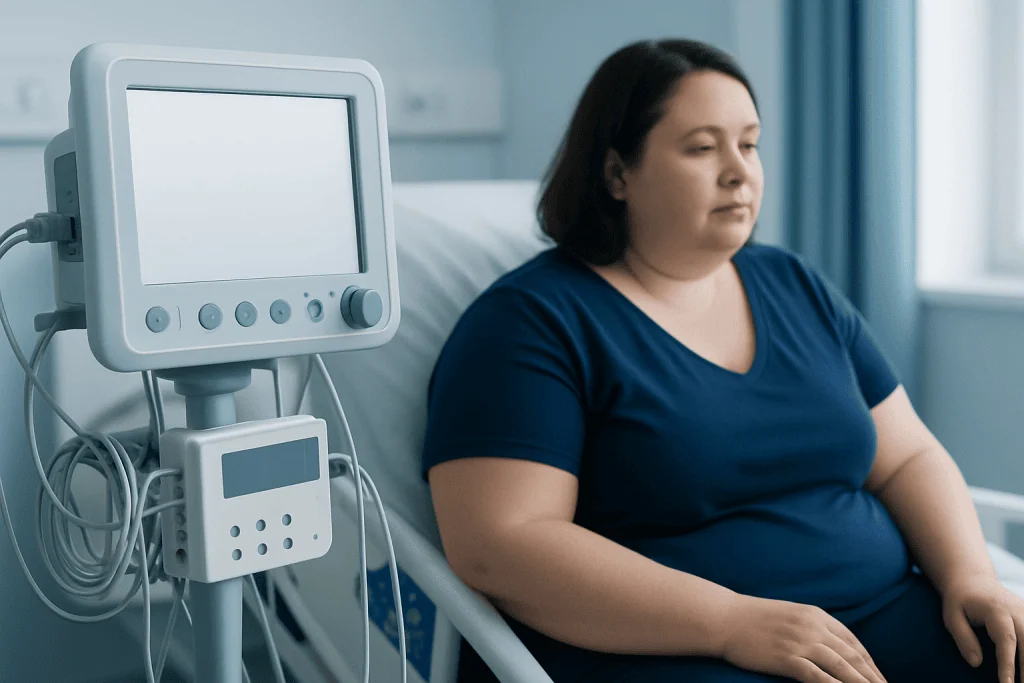
Hair follicles are sensitive to changes in the body. After bariatric surgery, the body is adapting to lower calorie intake, rapid fat loss, hormonal shifts, and healing after an operation. These changes can temporarily redirect energy and nutrients toward essential functions, while hair growth slows in the background.
Telogen effluvium is the usual explanation. Normally, only a portion of scalp hairs are in the resting phase at any time. After a major stressor, a larger number of hairs may enter this phase together. Around 2 to 4 months later, these hairs shed more noticeably. This timing is why many patients feel surprised: the hair loss may begin after they have already recovered from the surgery itself.
Nutrition also plays an important role. Hair is made largely of protein, and follicles require a steady supply of amino acids, iron, zinc, B vitamins, and other micronutrients. If a patient struggles with nausea, vomiting, food intolerance, low protein intake, or missed supplements, shedding may be more pronounced or may last longer.
Symptoms and Typical Timeline

The most common symptom is increased hair shedding across the entire scalp rather than one sharply defined bald patch. Patients may notice more hair on the pillow, in the shower drain, on clothing, or in a hairbrush. The scalp usually looks normal, without redness, scaling, pain, or scarring.
For many patients, shedding begins about 8 to 16 weeks after surgery. It may continue for several weeks or a few months, then gradually slows as nutrition improves and weight loss becomes less rapid. New growth can take time to become visible because hair grows slowly. Short, fine regrowth may appear along the hairline before overall density feels improved.
Hair loss that is patchy, associated with itching or burning, or accompanied by scalp sores is less typical for post-surgical telogen effluvium. Those symptoms may suggest another condition, such as alopecia areata, fungal infection, seborrheic dermatitis, traction-related hair loss, thyroid disease, or medication effects, and should be evaluated by a clinician.
Nutrition Factors: Protein, Vitamins, and Minerals
Nutrition is one of the most practical areas patients can influence after weight loss surgery. Protein is especially important because it supports wound healing, muscle maintenance, immune function, and hair structure. Many bariatric teams set individualized protein goals based on the type of surgery, body size, kidney health, activity level, and recovery stage.
Micronutrients also matter. Iron deficiency, low ferritin, zinc deficiency, inadequate vitamin B12 or folate, vitamin D deficiency, and low overall intake may contribute to hair shedding. Some patients are also at risk for deficiencies of vitamin A, copper, selenium, or essential fatty acids, depending on diet quality, supplement adherence, and the type of procedure performed.
Common nutrition concerns after surgery include:
- Not tolerating dense protein foods such as meat, eggs, or legumes in the early months
- Skipping meals because of early fullness or nausea
- Vomiting, reflux, or dehydration that limits intake
- Taking supplements inconsistently or choosing non-bariatric formulas
- Following very restrictive diets without medical guidance
Patients should not assume that more supplements are always better. For example, biotin is often marketed for hair, but it mainly helps when a true deficiency exists and can interfere with certain laboratory tests. Iron, vitamin A, selenium, and other nutrients can be harmful in excess. Supplement plans should be guided by the bariatric team and laboratory results.
Diagnosis and Medical Evaluation
A doctor usually begins with a medical history and scalp examination. Important details include the date and type of surgery, amount and speed of weight loss, daily protein intake, supplement routine, menstrual history, medications, recent illness, thyroid disease, pregnancy, and family history of hair loss. The pattern of shedding gives useful clues.
Laboratory testing may be recommended when shedding is significant, prolonged, or accompanied by fatigue, dizziness, brittle nails, mouth sores, numbness, or other symptoms. Typical tests may include a complete blood count, ferritin and iron studies, vitamin B12, folate, vitamin D, zinc, thyroid-stimulating hormone, albumin or prealbumin, and other tests based on the patient’s procedure and symptoms.
Patients who have had malabsorptive procedures, such as gastric bypass, may need closer lifelong monitoring because some nutrients are absorbed differently after surgery. A registered dietitian experienced in bariatric care can review food records, supplement brands, meal timing, hydration, and tolerance issues to identify realistic improvements.
Treatment Options and Recovery
Treatment focuses on correcting triggers and supporting the body through recovery. For telogen effluvium after bariatric surgery, the main approach is usually nutritional optimization, adequate protein intake, consistent bariatric supplements, and treatment of any confirmed deficiency. If vomiting, reflux, constipation, food aversion, or dehydration limits intake, those issues should be addressed early with the surgical team.
There is no single product that reverses post-bariatric hair shedding overnight. Hair follicles need time to re-enter the growth phase. Once the underlying stress and deficiencies are corrected, shedding typically slows first, and visible regrowth follows gradually. Patients may need several months before hair thickness feels closer to baseline.
Dermatology treatments may be considered if hair loss is persistent or if there is another diagnosis in addition to telogen effluvium. A dermatologist may discuss topical treatments, management of scalp inflammation, or evaluation for androgenetic hair loss. These decisions should be individualized, especially after recent surgery or in patients taking multiple supplements and medications.
Prevention and Self-Care
Not every case of hair shedding can be prevented because surgery and rapid weight loss are strong triggers. However, patients can reduce the risk of prolonged or severe shedding by following the nutrition plan from the beginning. This includes eating protein first when advised, drinking enough fluids, attending follow-up visits, and taking prescribed bariatric vitamins and minerals consistently.
Gentle hair care can help reduce breakage while shedding is active. Patients may benefit from avoiding tight hairstyles, harsh chemical treatments, frequent heat styling, and aggressive brushing. A mild shampoo, wide-tooth comb, and gentle scalp care are often enough. Hair cutting or styling changes do not stop telogen effluvium, but they may make thinning less noticeable during recovery.
Self-care also includes realistic expectations. Bariatric recovery is a long-term process, not only a procedure. People treated for obesity may be adapting to new eating patterns, body image changes, exercise routines, and medical follow-up. Emotional support, dietitian visits, and clear communication with the care team can make the recovery period easier to manage.
When to See a Doctor
Patients should contact their bariatric team if hair shedding is severe, lasts longer than expected, or occurs with symptoms such as extreme fatigue, dizziness, shortness of breath, rapid heartbeat, numbness, frequent vomiting, diarrhea, or poor food tolerance. These symptoms may point to anemia, dehydration, or nutrient deficiencies that need prompt evaluation.
A doctor or dermatologist should also assess patchy hair loss, scalp pain, redness, scaling, pus, scarring, or sudden loss of eyebrows or eyelashes. These findings are not typical of simple telogen effluvium and may require a different diagnosis and treatment plan.
Acibadem International’s multidisciplinary specialists and JCI-accredited hospitals diagnose and treat bariatric-related concerns for international patients, including nutrition follow-up after weight loss procedures. Patients should seek individualized advice from a qualified healthcare professional rather than changing supplements, medications, or diet plans on their own.
Frequently asked questions
Is hair loss after bariatric surgery permanent?
In most patients, hair loss after bariatric surgery is temporary and related to telogen effluvium. Shedding usually slows as weight loss stabilizes and nutrition improves. If hair loss continues for many months or follows a patchy pattern, a doctor should check for other causes.
When does hair loss usually start after weight loss surgery?
Hair shedding commonly begins around 2 to 4 months after surgery. This delay happens because hair follicles respond to the stressor first, then shed later as part of the hair cycle. The timing can vary depending on nutrition, health status, and the type of procedure.
What nutrients are most important for hair after bariatric surgery?
Protein is essential because hair structure depends on amino acids. Iron, ferritin, zinc, vitamin B12, folate, vitamin D, and other micronutrients may also be important. Patients should use supplements recommended by their bariatric team and monitor levels with appropriate blood tests.
Will biotin stop hair loss after bariatric surgery?
Biotin may help if a person is truly deficient, but it does not correct most cases of telogen effluvium by itself. Taking high-dose biotin without medical advice is not recommended because it can interfere with some blood tests. A clinician can advise whether it is appropriate.
Can eating more protein help hair grow back?
Adequate protein supports hair growth, wound healing, and muscle preservation after bariatric surgery. If protein intake has been low, improving it may help reduce prolonged shedding over time. Protein goals should be individualized, especially for patients with kidney disease or other medical conditions.
Should patients change their shampoo or use hair growth products?
A gentle shampoo and careful hair handling can reduce breakage, but shampoo alone cannot stop telogen effluvium. Some hair growth treatments may be useful for specific diagnoses, but they should be discussed with a doctor or dermatologist. The most important steps are nutrition, lab monitoring, and treating any underlying deficiency.
References
- American Society for Metabolic and Bariatric Surgery
- British Association of Dermatologists
- National Institute for Health and Care Excellence
- Academy of Nutrition and Dietetics
- European Association for the Study of Obesity
This article is for general information only and is not a substitute for professional medical advice. Please consult a qualified doctor about your individual situation.
Bariatric Surgery in Turkey — costs, top hospitals & a free quote
JCI-accredited · board-certified surgeons · reply within 24h
Check your numbers in seconds
BMI, calories, due date, blood pressure and 30+ more clinical calculators — free, instant, doctor-reviewed ranges.

Related Treatments
Related Conditions
More from the Health Library



Related Specialists
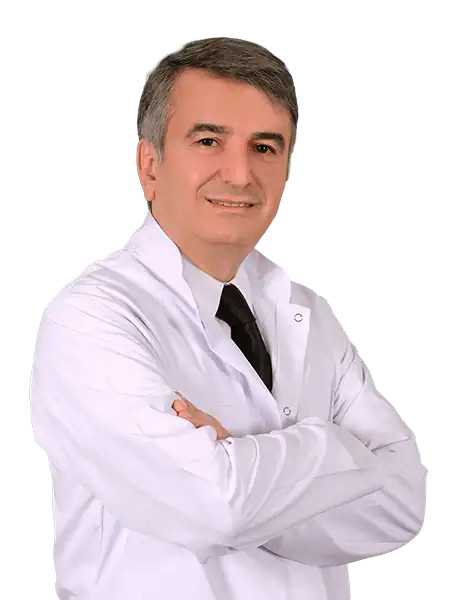
Prof. Dr. Tayfun Karahasanoğlu
General Surgery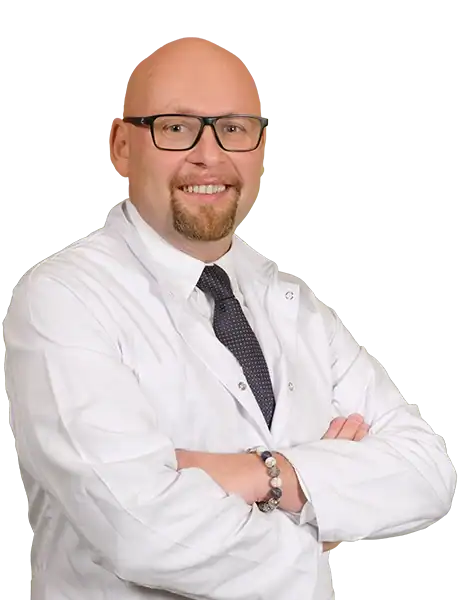
Prof. Dr. Güralp Onur Ceyhan
General Surgery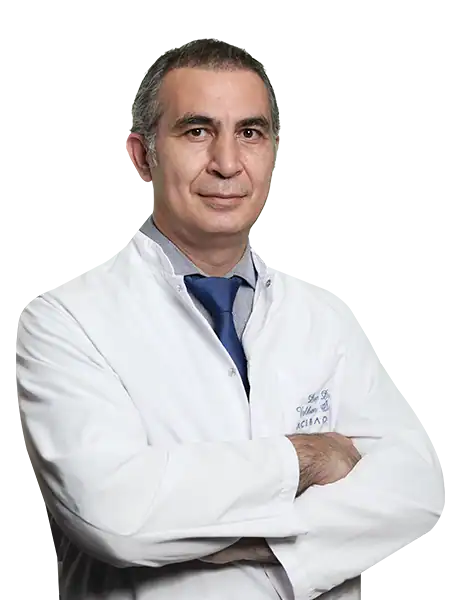
Prof. Dr. Volkan Özben
General Surgery
Assoc. Prof. Dr. Halil Kara
General Surgery