Hair Loss Treatment: Which Options Work for Thinning Hair in Men and Women?

Hair loss treatment works best when the cause of thinning hair is identified early. Common options include medications, scalp care, low-level laser therapy, PRP, and hair transplant surgery.
Key Takeaways
- Hair loss treatment works best when the cause of thinning hair is identified early.
- Common options include medications, scalp care, low-level laser therapy, PRP, and hair transplant surgery.
- Men and women can both develop pattern hair loss, but treatment plans may differ.
- Not all shedding means permanent hair loss; stress, illness, hormones, and nutrition can also play a role.
- A dermatologist or hair specialist can help choose safe, evidence-based treatment options.
Hair loss treatment includes medical, procedural, and self-care options that may reduce shedding and support thicker-looking hair. The best approach depends on the cause of hair thinning, the pattern of loss, and how early treatment begins.
Overview of Hair Loss Treatment
Hair loss treatment refers to the range of medical and procedural options used to reduce hair shedding, slow progressive thinning, and encourage regrowth where possible. Hair loss can affect men and women at different ages, and it may appear gradually or more suddenly depending on the underlying cause. Common patterns include a receding hairline, thinning at the crown, widening of the part, or more diffuse shedding across the scalp.
Many people assume all hair loss is permanent, but that is not always the case. Some forms are temporary and linked to triggers such as stress, recent illness, childbirth, rapid weight loss, nutritional deficiencies, or medication side effects. Other forms, especially pattern hair loss, tend to progress over time without treatment.
Because hair thinning can have more than one cause, the most effective hair loss treatment begins with a careful diagnosis. A specialist will usually consider medical history, scalp health, family history, hormone-related factors, and the pattern of shedding. In some cases, blood tests or a scalp examination may be needed before choosing treatment.
Symptoms and Common Types of Hair Loss
Hair loss does not look the same in every person. In men, the most common form is androgenetic alopecia, often called male pattern hair loss. It usually causes gradual thinning at the temples and crown. In women, female pattern hair loss more often causes diffuse thinning over the top of the scalp while the frontal hairline is relatively preserved.
Other symptoms may include increased hair on the pillow or in the shower, a widening part line, visible scalp, reduced hair density in a ponytail, or patchy areas of hair loss. Some scalp conditions can also cause itching, redness, scaling, tenderness, or broken hairs. These signs may suggest inflammation or a different diagnosis that needs specific treatment.
Several common types of hair loss include:
- Pattern hair loss in men and women
- Telogen effluvium, a temporary shedding often triggered by stress or illness
- Alopecia areata, an autoimmune form causing patchy loss
- Traction alopecia from tight hairstyles
- Hair loss related to hormonal changes, thyroid disease, or iron deficiency
Recognizing the type of hair loss matters because treatment that helps one cause may not help another. For example, temporary shedding after stress may improve with time and support, while pattern hair loss often benefits from long-term treatment to maintain results.
Causes and Risk Factors

The causes of hair thinning can be genetic, hormonal, inflammatory, nutritional, or related to daily habits. The most common long-term cause is hereditary pattern hair loss, which happens when hair follicles gradually become smaller over time. This shortens the growth phase of hair and leads to finer, shorter strands.
Hormonal changes can also affect hair growth. Women may notice thinning during menopause, after pregnancy, or with conditions that affect hormone balance. Men may develop gradual loss linked to genetic sensitivity of hair follicles to androgens. Nutritional factors such as low iron, low protein intake, and certain vitamin deficiencies may contribute as well, especially when hair shedding is diffuse.
Additional risk factors include:
- Family history of pattern baldness
- Significant physical or emotional stress
- Recent surgery, high fever, or severe illness
- Certain medications
- Scalp inflammation or untreated skin conditions
- Tight hairstyles, heat styling, or chemical damage
Sometimes hair loss has more than one cause at the same time. A person may have inherited pattern hair loss but also experience temporary shedding after illness or stress. This is one reason specialist assessment is helpful before starting any treatment plan.
How Hair Loss Is Diagnosed
Diagnosis usually starts with a medical history and scalp examination. The doctor will ask when shedding began, whether it is sudden or gradual, how much hair is being lost, and whether there are related symptoms such as itching, scaling, fatigue, weight changes, or menstrual irregularities. Family history is also important, especially for pattern hair loss.
During the examination, the doctor may look at the distribution of hair loss, hair shaft thickness, scalp condition, and signs of inflammation or scarring. A pull test or dermoscopy may be used to assess active shedding and follicle changes. These simple office-based steps can often help distinguish between temporary shedding, pattern loss, and inflammatory causes.
Some people need additional tests. Blood work may be advised to check for iron deficiency, thyroid problems, or other medical issues. In selected cases, a scalp biopsy may help confirm the diagnosis, particularly when scarring alopecia or another less common condition is suspected. If there is concern about an underlying disorder, the specialist may discuss related conditions such as alopecia areata.
Accurate diagnosis is important because it guides realistic expectations. Some treatments are aimed at preserving existing hair, some help stimulate regrowth, and others, such as surgery, are used to restore density in areas where follicles are no longer active.
Treatment Options That May Help
Hair loss treatment is individualized. For many people, the first step is medical therapy to slow progression and support regrowth. Depending on the diagnosis, this may include topical medications, oral medications, or treatment of an underlying cause such as nutritional deficiency or thyroid imbalance. These options often require patience, because visible changes in hair density usually take several months.
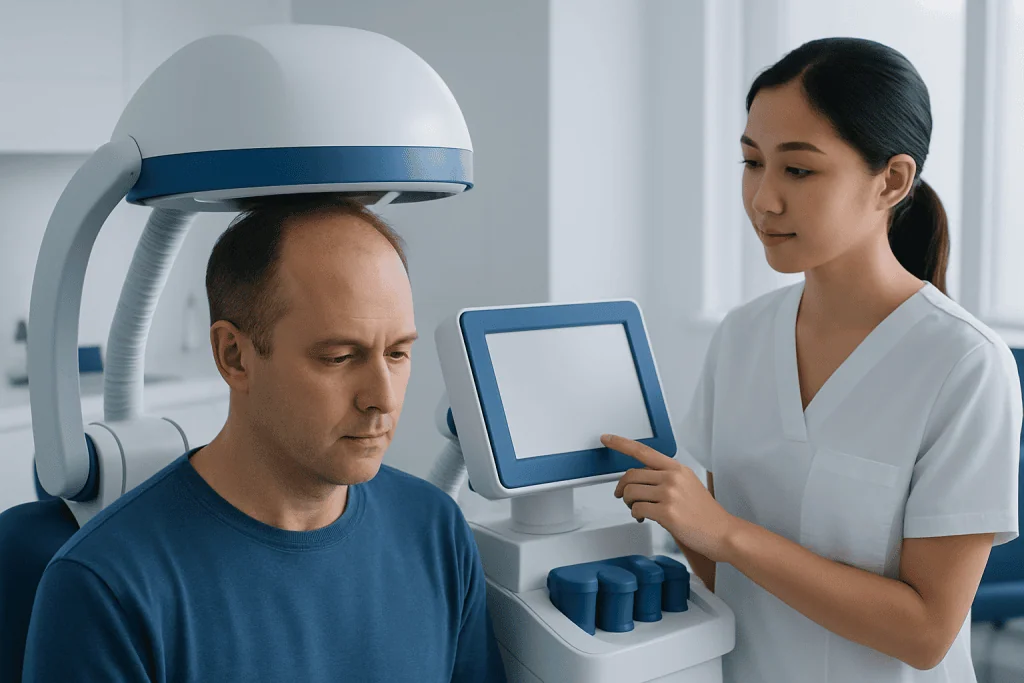
Non-surgical supportive treatments may also be recommended. Low-level laser devices are used by some patients as part of a broader plan, and selected individuals may benefit from platelet-rich plasma, often discussed as PRP treatment, to support hair growth. These approaches may be considered alongside medication rather than as a complete replacement for it.
When hair follicles in a specific area are no longer producing healthy hair, surgical restoration may be an option. Hair transplant procedures move healthy follicles from donor areas to thinning or bald areas, most often in stable pattern hair loss. A transplant can improve coverage, but it does not stop future loss in untreated surrounding hair, so ongoing medical therapy may still be advised.
In some cases, additional dermatologic support is needed if scalp disease is contributing to shedding. For patients with scalp inflammation or complex causes of thinning, broader dermatology care can help address the skin and follicle health that influence hair growth.
Prevention, Self-care, and Protecting Existing Hair
Not every form of hair loss can be prevented, especially when genetics plays a major role, but early action can help protect existing hair. Seeking evaluation when thinning first becomes noticeable may improve the chance of preserving density. Waiting until the scalp is clearly visible can limit which treatments are likely to help.
Daily hair care also matters. Gentle washing, avoiding tight braids or ponytails, limiting harsh chemical processing, and reducing excessive heat styling can help minimize breakage and traction-related damage. It is also useful to maintain a balanced diet with adequate protein, iron, and other key nutrients that support normal hair growth.
Stress management may help people who are experiencing stress-related shedding. Good sleep, gradual weight management, and recovery after illness can support the hair growth cycle over time. However, supplements and over-the-counter products should not be started automatically, since unnecessary products may not help and could delay proper diagnosis.
People considering cosmetic camouflage may use volumizing styles, tinted powders, fibers, or wigs while treatment is underway. These options can improve confidence and appearance, but they work best when paired with an evidence-based medical plan when appropriate.
When to See a Doctor and What to Expect Next
A doctor should be consulted if hair loss is sudden, patchy, associated with scalp pain or inflammation, or accompanied by symptoms such as fatigue, weight change, or menstrual changes. Medical advice is also important when shedding continues for several months, the part line is widening, or there is a family history of progressive baldness. Early assessment can help identify reversible causes and avoid unnecessary treatments.
During follow-up, treatment response is usually monitored over time rather than week by week. Hair grows slowly, so improvement may be judged by reduced shedding, stabilized hair density, photographs, or better scalp coverage after several months. Some people need a combination of therapies, and plans may be adjusted based on tolerance, goals, and the stage of hair loss.
For patients exploring procedural options, a specialist can explain whether they are good candidates for regenerative treatments or surgery and what kind of maintenance may still be needed afterward. If the diagnosis suggests inherited thinning, this may be discussed in the context of hair loss patterns that commonly affect adults over time.
Near the end of the care journey, some international patients choose centers with coordinated dermatology, plastic surgery, and diagnostic services. Acibadem International’s multidisciplinary specialists and JCI-accredited hospitals diagnose and treat hair loss for international patients, with treatment plans tailored to individual needs.
Frequently asked questions
What is the most effective hair loss treatment?
The most effective hair loss treatment depends on the cause of thinning. Pattern hair loss often responds best to a combination of medical therapy and, in selected cases, procedural treatment such as hair transplant. A doctor can help identify which option is most appropriate and realistic.
Can thinning hair grow back?
In some cases, yes. Temporary shedding caused by stress, illness, nutritional deficiency, or hormonal changes may improve once the trigger is addressed. Long-standing pattern hair loss is harder to reverse fully, but treatment may slow progression and improve density.
How long does hair loss treatment take to show results?
Hair grows slowly, so most treatments need several months before changes become noticeable. Many people are advised to wait at least three to six months to judge early response, and longer for fuller results. Regular follow-up helps track progress realistically.
Is hair transplant permanent?
Transplanted follicles are generally long-lasting because they are taken from areas that are less affected by pattern hair loss. However, the surrounding non-transplanted hair may continue to thin over time. This is why ongoing medical treatment is often recommended after surgery.
Do women need different hair loss treatment than men?
Women and men can both have pattern hair loss, but treatment plans may differ because of hormonal factors, pregnancy considerations, and the pattern of thinning. Women are also more likely to need evaluation for iron deficiency, thyroid disease, or other medical causes. A personalized assessment is important.
When should someone worry about hair loss?
Hair loss should be medically assessed if it is sudden, patchy, associated with scalp redness or pain, or paired with other symptoms such as fatigue or weight changes. Ongoing shedding or gradual visible thinning also deserves attention, especially when it affects confidence or daily life. Early evaluation often offers more treatment options.
References
- American Academy of Dermatology
- National Health Service
- Mayo Clinic
- National Institute of Arthritis and Musculoskeletal and Skin Diseases
- Cleveland Clinic
This article is for general information only and is not a substitute for professional medical advice. Please consult a qualified doctor about your individual situation.
Hair transplant in Turkey — costs, graft counts & a free assessment
JCI-accredited · board-certified surgeons · reply within 24h
Add us as a Preferred Source to see more of our trusted health content across Google Search, AI Overviews and Discover.
Check your numbers in seconds
BMI, calories, due date, blood pressure and 30+ more clinical calculators — free, instant, doctor-reviewed ranges.