Hair Removal — Explained by Medical Evidence, Not Myths
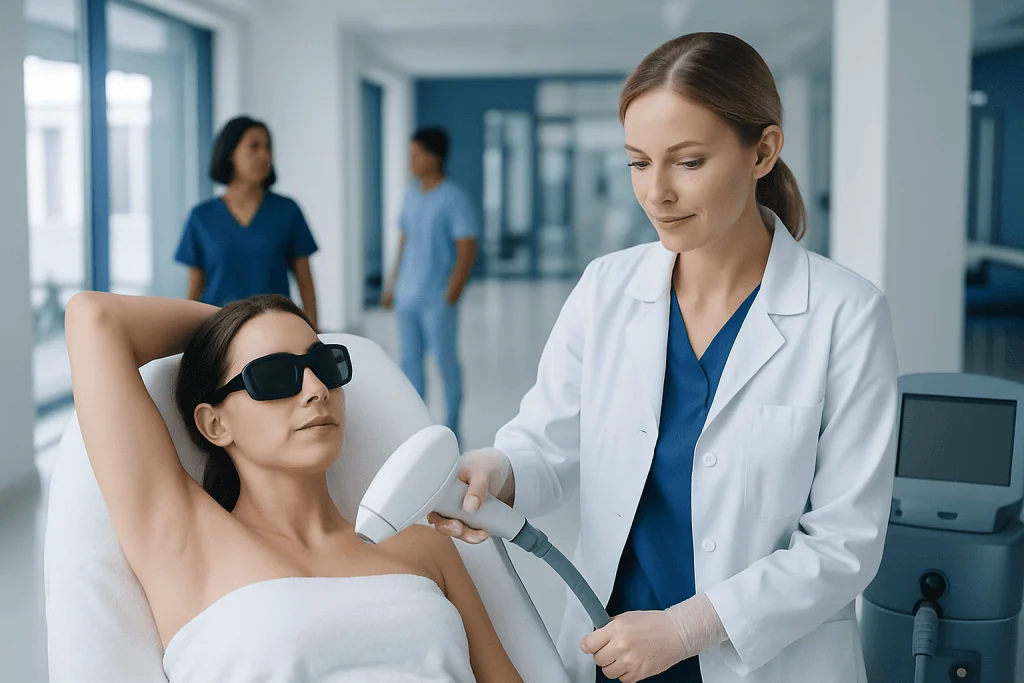
Hair removal includes temporary methods such as shaving, waxing, and depilatory creams, as well as longer-lasting options such as laser treatment and electrolysis. The safest and most effective choice depends on skin tone, hair color, hair thickness, pain tolerance, and any history of skin sensitivity.
Key Takeaways
- Hair removal includes temporary methods such as shaving, waxing, and depilatory creams, as well as longer-lasting options such as laser treatment and electrolysis.
- The safest and most effective choice depends on skin tone, hair color, hair thickness, pain tolerance, and any history of skin sensitivity.
- Common side effects include irritation, redness, burns, skin color changes, and ingrown hairs, especially when techniques are used incorrectly.
- Laser hair removal usually works best on darker hair because the treatment targets pigment in the hair follicle.
- Electrolysis is the only method designed to permanently destroy individual hair follicles, but it often requires multiple sessions.
- Medical advice is important if hair growth is sudden, excessive, painful, associated with irregular periods, or causing repeated skin infections.
Hair removal can be safe and effective when the method matches a person’s skin, hair type, body area, and long-term goals. Medical evidence shows there is no single “best” option for everyone, and understanding benefits, limits, and side effects helps people choose more confidently.
Overview: what hair removal really involves
Hair removal means reducing or removing unwanted body or facial hair by temporary, long-lasting, or permanent methods. In practical terms, the right method depends on where the hair is located, how coarse or dark it is, how sensitive the skin is, and whether the goal is convenience, cosmetic improvement, or treatment of a medical problem such as repeated ingrown hairs.
Medical evidence does not support many common myths about hair removal. For example, shaving does not make hair grow back thicker or darker; it simply leaves a blunt edge that can make new growth feel coarser. Likewise, no single technique is ideal for every person, because skin tone, hair color, hormonal influences, and the risk of irritation all affect results.
Hair growth follows a cycle with active, transitional, and resting phases. Because not all hairs are in the same growth phase at the same time, even effective treatments usually need to be repeated. This is especially important for longer-lasting methods such as laser treatment and electrolysis, which work best when the follicle is in a vulnerable stage of growth.
Some people seek hair removal for comfort, cultural preference, athletics, or personal appearance. Others have an underlying issue such as hormone-related excess hair growth. When unwanted hair seems out of proportion, a doctor may also evaluate related conditions such as polycystic ovary syndrome (PCOS), especially if there are menstrual changes, acne, or weight-related symptoms.
Common hair removal methods and how they differ
Temporary methods remove hair at or just below the skin surface. Shaving is quick, inexpensive, and widely tolerated, but it often needs frequent repetition. Depilatory creams dissolve hair chemically and can be useful for larger areas, though they may irritate sensitive skin. Tweezing and threading are more precise for small areas such as the eyebrows or upper lip.
Methods that remove hair from the root tend to last longer. Waxing and sugaring pull out multiple hairs at once, which can keep the area smoother for several weeks. However, these methods may be painful and can trigger redness, folliculitis, skin lifting, or ingrown hairs, especially on delicate skin or if used soon after retinoids or exfoliating products.
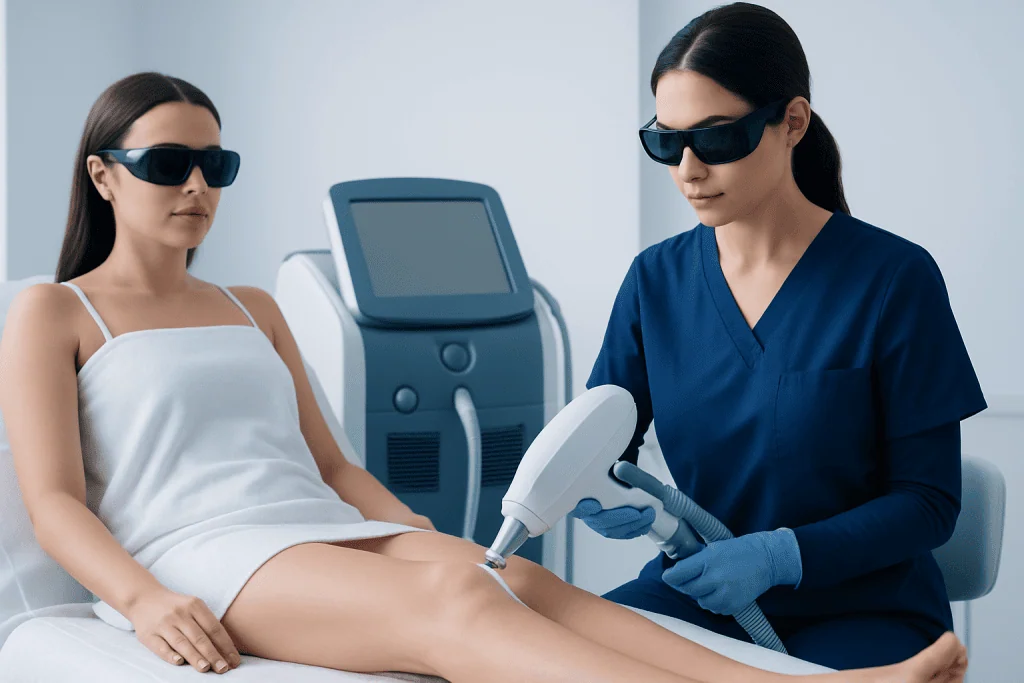
Longer-lasting clinical options include laser hair removal and electrolysis. Laser treatment uses light energy to damage hair follicles and reduce future growth. Electrolysis uses a fine probe and electric current to destroy individual follicles. Both usually require multiple sessions, but they differ in how they target hair and which hair or skin types respond best.
No method is completely free of trade-offs. Convenience, discomfort, speed, cost over time, body area, privacy preferences, and the risk of side effects all matter. A method that works well for the legs may not be the best choice for the face, underarms, or bikini area.
What works best for different skin and hair types

Hair color and skin tone strongly influence treatment choice. Laser devices target pigment, so they usually work best when there is a contrast between darker hair and surrounding skin. Very light blond, gray, white, or red hair may respond less well to many laser systems because there is less pigment to target. In these cases, electrolysis may be considered because it does not rely on hair color in the same way.
Skin sensitivity also matters. People with eczema, active rashes, open cuts, sunburn, or a history of severe irritation may need to avoid certain methods temporarily. Waxing or depilatory creams can be especially irritating on reactive skin, while repeated close shaving may worsen razor bumps or small inflammatory papules.
Curly or tightly coiled hair has a higher tendency to re-enter the skin as it grows, which increases the risk of ingrown hairs. For these individuals, aggressive plucking or very close shaving may worsen the problem. A doctor or dermatologist may suggest technique changes, skin care measures, or medical treatment if chronic irritation develops, including assessment for ingrown hair problems when bumps repeatedly become painful or infected.
Body area is another key factor. The face often needs precise, lower-irritation approaches, while the legs or back may be suitable for faster treatments covering larger surfaces. Sensitive zones such as the bikini line need extra caution because friction, moisture, and shaving trauma can increase the chance of inflammation.
Benefits, limitations, and possible side effects
The main benefit of hair removal is personal comfort and confidence, but for some people it also reduces chafing, improves hygiene routines, or helps control repeated folliculitis. Medical evidence supports that laser treatment can significantly reduce hair density over time, and electrolysis can permanently destroy treated follicles. Still, “permanent” does not always mean every hair disappears forever after a single course.
Temporary methods are convenient but more likely to require continual maintenance. Shaving may cause razor burn, cuts, and ingrown hairs. Waxing may lead to pain, bruising, irritation, or skin stripping. Depilatory creams can cause chemical irritation or allergic contact reactions, particularly if they are left on too long or used on damaged skin.
Laser hair removal can cause short-term redness, swelling around hair follicles, and temporary discomfort. Less commonly, it may lead to burns, blistering, or changes in skin color, especially if the wrong settings are used, the skin is recently tanned, or treatment is performed by someone without appropriate training. Eye protection is essential whenever lasers are used near the face.
Electrolysis may cause temporary redness, tenderness, and crusting at treated follicles. Because it treats one follicle at a time, it can be time-intensive for large areas. Infection and scarring are uncommon but possible if aftercare is poor or if treatment is not performed properly.
How doctors assess unwanted hair growth
Many people do not need a medical evaluation before choosing a hair removal method. However, a doctor may assess unwanted hair growth if it starts suddenly, becomes much heavier than before, or appears in a pattern more typical of hormone-sensitive areas such as the chin, chest, abdomen, or back. The goal is to distinguish ordinary cosmetic hair concerns from medically important hair growth changes.
The assessment usually begins with a history and skin examination. A clinician may ask when the hair growth began, whether menstrual cycles are regular, which products or medications are being used, and whether there are related symptoms such as acne, scalp hair thinning, weight changes, or voice deepening. These details help identify whether hormones, genetics, or local skin irritation are likely contributors.
In some cases, blood tests or imaging may be advised to look for endocrine causes of excess hair growth. If the presentation suggests a hormonal pattern, doctors may consider hirsutism and investigate possible underlying causes. This is particularly relevant when unwanted hair is accompanied by irregular periods or fertility concerns.
For people considering long-lasting procedures, a consultation can also help match the treatment to the skin and hair profile, review medications that increase photosensitivity, and discuss realistic expectations. This improves both safety and satisfaction with results.
Treatment choices in clinics and at home
At-home methods remain a practical choice for many people. Safe shaving includes using a clean, sharp razor, softening the hair with water, shaving in the direction of growth when possible, and avoiding repeated passes over irritated skin. Depilatory creams should always be patch-tested first and used exactly as directed, especially on sensitive areas.
Professional hair removal is often considered when home methods are too time-consuming, cause repeated irritation, or do not give a satisfactory result. Dermatology consultation can help identify the most suitable procedure, especially for people with dark skin tones, acne-prone skin, recurrent folliculitis, or a history of pigment changes after irritation.
Laser hair removal is usually performed in a series of sessions spaced over time because different follicles are active at different moments. It generally reduces hair growth rather than eliminating every hair completely, and maintenance sessions may be needed. Electrolysis is slower but can be useful for small areas, lighter hair colors, or stubborn residual hairs after other treatments.
When excess hair growth has a hormonal cause, procedural hair removal alone may not fully address the issue. Managing the underlying condition can be just as important as removing existing hair. Near the end of care planning, some international patients choose multidisciplinary assessment at Acibadem International, where specialists in dermatology, endocrinology, and women’s health at JCI-accredited hospitals diagnose and treat related concerns.
Prevention and self-care for smoother, healthier skin
Good skin preparation and aftercare reduce many common hair removal problems. Gentle cleansing before treatment helps remove sweat, oils, and bacteria. After hair removal, a bland moisturizer can support the skin barrier, while harsh scrubs, fragranced products, and intense heat exposure may worsen irritation.
To help prevent ingrown hairs, people can avoid very close shaving, change dull blades regularly, and refrain from picking at bumps. Some benefit from gentle chemical exfoliation, but overuse can inflame the skin. If there are tender pustules, spreading redness, or repeated dark marks, it is safer to stop self-treatment and seek professional advice.
Sun protection is especially important after waxing, laser procedures, or any treatment that leaves the skin more sensitive. Recently treated skin is more prone to post-inflammatory pigmentation when exposed to ultraviolet light. Broad sun protection and avoiding tanning before laser sessions can improve safety and lower the risk of unwanted color changes.
People using topical acne medicines, retinoids, or exfoliating acids should review their routine before waxing or clinical procedures, because these products may increase skin sensitivity. During consultation, a clinician can explain when to pause certain products and when it is safe to resume them.
When to seek medical care
Medical care is appropriate when hair removal causes significant skin problems or when unwanted hair may reflect an underlying health issue. A doctor should evaluate repeated infections, painful boils, severe ingrown hairs, blistering after treatment, or dark or light patches that persist after the skin has healed.
It is also sensible to seek care if hair growth begins suddenly, becomes unusually heavy, or is accompanied by irregular periods, infertility, rapid weight changes, severe acne, scalp hair thinning, or other signs of hormonal imbalance. These patterns may need more than cosmetic management alone.
Anyone considering laser treatment or electrolysis on sensitive areas, darker skin tones, or in the setting of a skin disorder may benefit from professional assessment first. A clinician can help balance expected benefits with the risks of irritation, burns, or pigment changes and suggest a safer plan.
Urgent evaluation is needed if there is facial swelling, widespread rash, difficulty breathing after a product, or signs of serious infection such as fever and rapidly spreading redness. These problems are not typical and should not be managed only at home.
Frequently asked questions
Does shaving make hair grow back thicker?
No. Shaving cuts the hair at the skin surface and does not change the follicle, growth rate, or hair color. The blunt tip of the regrowing hair can make it feel coarser for a short time, but the hair itself is not thicker.
Is laser hair removal permanent?
Laser hair removal is best described as long-term hair reduction. Many people have fewer, finer hairs after a treatment series, but some regrowth can happen over time. Maintenance sessions may be needed depending on hormones, body area, and hair characteristics.
What is the difference between laser hair removal and electrolysis?
Laser treatment targets pigment in multiple follicles at once, so it is often faster for larger areas. Electrolysis treats one follicle at a time with a fine probe and is not dependent on hair color in the same way. Electrolysis can be a useful option for light or gray hair and for small, precise areas.
Which hair removal method is best for sensitive skin?
There is no single best method for all sensitive skin. Some people tolerate careful shaving better than waxing or creams, while others need professional guidance to avoid irritation. Patch testing and a review of any skin conditions or topical medications can help identify a safer option.
Can hair removal cause ingrown hairs?
Yes. Shaving, waxing, and plucking can all contribute to ingrown hairs, especially in curly or coarse hair. Using proper technique, avoiding very close shaving, and not picking at bumps can reduce the risk.
When might unwanted hair be a sign of a medical problem?
A medical cause is more likely if hair growth starts suddenly, becomes excessive, or is associated with irregular periods, acne, scalp hair thinning, or voice changes. In these cases, a doctor may look for hormonal or endocrine conditions rather than treating the issue as cosmetic alone.
References
- American Academy of Dermatology
- Mayo Clinic
- National Institute for Health and Care Excellence
- U.S. Food and Drug Administration
- American College of Obstetricians and Gynecologists
This article is for general information only and is not a substitute for professional medical advice. Please consult a qualified doctor about your individual situation.
Hair transplant in Turkey — costs, graft counts & a free assessment
JCI-accredited · board-certified surgeons · reply within 24h
Add us as a Preferred Source to see more of our trusted health content across Google Search, AI Overviews and Discover.

More from the Health Library

Thoracic: What Patients Need to Know

Selenium: An Evidence-Based Guide for Patients

Dry Throat at Night — Explained by Medical Evidence, Not Myths

Irbesartan — Explained by Medical Evidence, Not Myths

Lichen Planus: An Evidence-Based Guide for Patients