Hair Transplant After 1 Day: Timeline, What’s Normal, and Care Tips
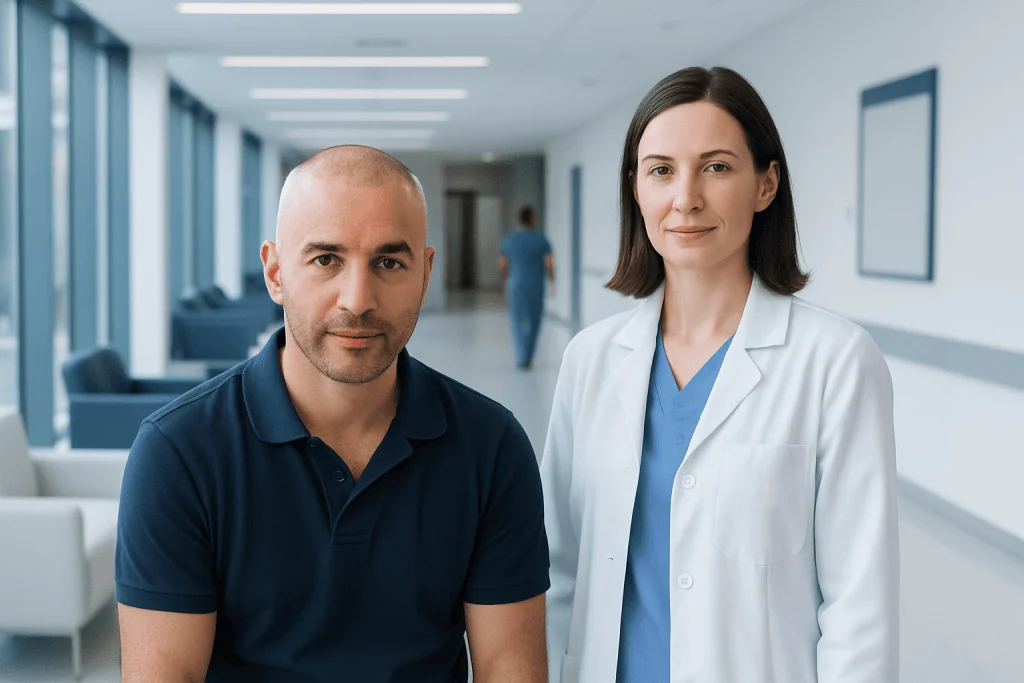
One day after a hair transplant, mild swelling, redness, and tiny crusts around grafts are usually expected. Fresh grafts are delicate, so rubbing, scratching, pressure, and unapproved washing should be avoided.
Key Takeaways
- One day after a hair transplant, mild swelling, redness, and tiny crusts around grafts are usually expected.
- Fresh grafts are delicate, so rubbing, scratching, pressure, and unapproved washing should be avoided.
- Severe pain, spreading redness, pus, fever, or sudden heavy bleeding are not typical and need medical advice.
- Recovery varies by technique and individual healing, but the first few days are mainly about protecting the scalp.
- Following the surgeon’s instructions closely is the best way to lower complications and support hair growth.
Hair transplant after 1 day usually involves mild redness, swelling, pinpoint scabs, and tenderness in the donor and recipient areas. Most early changes are expected, but careful aftercare is important to protect the grafts and support healthy healing.
Overview: What Hair Transplant After 1 Day Usually Looks Like
Hair transplant after 1 day is usually a stage of early healing, not a sign of the final result. In most people, the scalp looks red or pink, the transplanted area has tiny crusts around each graft, and the donor area feels sore or tight. Mild swelling may begin or increase during this time, especially around the forehead.
This first day is important because the grafts are still settling into place. They are generally secure enough to remain in the scalp when routine care is followed, but they can still be disturbed by friction, scratching, pressure, or accidental trauma. For this reason, most aftercare advice focuses on protecting the scalp rather than judging cosmetic results.
Many people worry when they see scabbing, small blood spots, or uneven redness. These findings are often part of normal healing. The exact appearance depends on the technique used, the number of grafts, the person’s skin sensitivity, and whether the donor area was shaved.
Anyone considering the procedure or reviewing recovery expectations can also learn more about hair transplant treatment, as well as related topics such as the Norwood scale, how many grafts may be needed for a hair transplant, and the hair transplant recovery timeline.
What Is Normal on Day 1
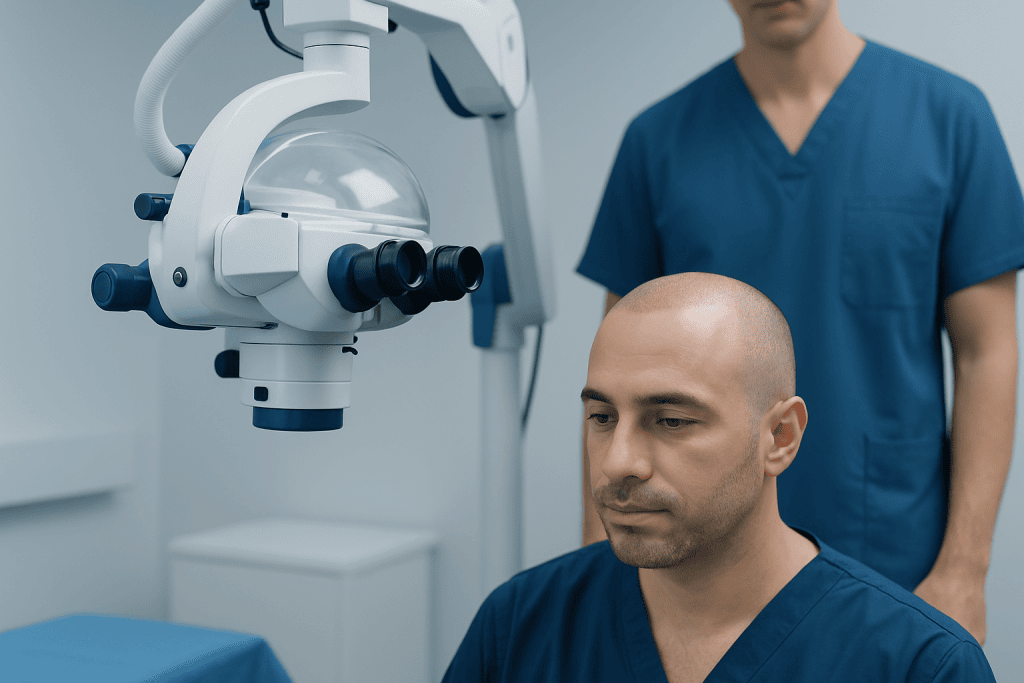
On the first day, many symptoms are expected and do not usually mean something is wrong. The recipient area may look dotted or crusted because each graft sits in a tiny opening. The donor area may feel more uncomfortable than the transplanted area itself, especially after follicular unit extraction or strip harvesting.
Common normal findings include:
- Mild to moderate redness in the donor or recipient scalp
- Small scabs or crusts around implanted hairs
- Light spotting of blood on a pillow or dressing
- Tightness, tenderness, or mild throbbing
- Numbness or altered sensation in parts of the scalp
- Mild swelling beginning around the forehead or upper face
Some people also notice that the transplanted hairs look very short, irregular, or slightly raised. This is expected because the grafts have just been placed. The scalp can look more dramatic in bright light than it feels in daily life.
What matters most on day 1 is not how dense the hair looks but whether the scalp is healing calmly. Mild symptoms should gradually stabilize or improve over the following several days. If symptoms rapidly worsen instead of settling, the transplant team should be contacted.
What to Avoid During the First 24 Hours

The first 24 hours are mainly about preventing graft displacement and reducing irritation. Most surgeons advise patients not to touch the recipient area unless specifically instructed. Even well-meant checking, rubbing, or cleaning can disturb fragile grafts before they are more firmly anchored.
Activities usually avoided during the first day include strenuous exercise, bending forward repeatedly, heavy lifting, and anything that increases sweating. Sweat itself is not always harmful, but early moisture, friction, and rising blood flow may increase discomfort, swelling, or minor bleeding. Alcohol and smoking are also often discouraged because they may interfere with healing.
Sleeping position matters as well. Many patients are advised to sleep with the head elevated for several nights to reduce swelling and avoid pressure on the grafts. Tight hats, helmets, or headwear that rub the transplanted area should not be used unless the medical team has approved a specific covering.
It is also important not to wash the scalp too early unless the surgeon has provided a clear timeline and method. When washing is started, it is usually done gently and in stages. People should rely on their own surgeon’s instructions first, because washing protocols can differ by technique and clinic practice.
Why the Scalp Looks This Way: Healing, Swelling, and Scabs
Early healing after a hair transplant follows a predictable pattern. The body responds to tiny surgical openings by sending blood flow and healing cells to the scalp. This creates redness, mild inflammation, and the formation of tiny crusts around each graft. These crusts are part of normal surface healing and should not be picked.
Swelling can happen because fluid shifts into the soft tissues of the forehead and scalp after the procedure. Some people notice little swelling on day 1, while others begin to see puffiness that peaks later in the first few days. This variation does not necessarily mean one recovery is better than another.
The donor area may look more irritated than expected, especially if many grafts were removed. Small dots, short stubble, or a linear wound may be visible depending on the harvesting technique. Mild numbness or tingling can occur because tiny skin nerves have been disturbed and are beginning to recover.
These visible changes are usually temporary. Over time, the scabs come off, redness fades, and the transplanted hairs often shed before new growth begins months later. People who are interested in the broader sequence can review the usual recovery timeline after hair transplant to understand how day 1 fits into the full process.
Care Tips for Day 1 and the First Few Days
Aftercare instructions vary, so the transplant surgeon’s plan should always come first. In general, the best care on day 1 is gentle care. The scalp should be protected from accidental bumps, direct sun exposure, rubbing, and contamination. Medications prescribed for pain relief, swelling control, or infection prevention should be taken exactly as directed.
Simple care tips often include keeping the head elevated while resting, wearing loose clothing that does not pull over the scalp, and avoiding pets, dust, or unclean surfaces that could irritate the treated area. If a saline spray or other product has been recommended, it should be used only as instructed. Adding extra products, oils, or home remedies is usually not helpful and may delay healing.
Hydration, restful sleep, and avoiding nicotine can support recovery. A balanced diet also helps the body heal, although special supplements should not be started unless approved by a clinician. Some people ask whether ice can be used; if cold application is allowed, it is generally kept away from the grafts themselves and used only according to medical advice.
Patients planning treatment abroad may also benefit from understanding procedural options such as hair transplant treatment and, when recommended for facial balance in selected cases, related restorative procedures like beard transplant or eyebrow transplant. These are distinct procedures, but they share the same principle of careful graft handling and aftercare.
When to Seek Medical Care
Most symptoms on the first day are mild and expected, but some signs should prompt medical advice. Increasing pain that does not improve with prescribed medication, rapidly expanding swelling, active bleeding that does not stop with gentle pressure, or marked redness spreading beyond the treated area may need prompt evaluation.
Other warning signs include fever, pus-like drainage, a bad odor from the scalp, severe itching with rash, or signs of an allergic reaction such as widespread hives or trouble breathing. Sudden trauma to the grafted area, such as a fall or direct blow, should also be reported even if the scalp looks normal at first.
If there is uncertainty about whether a symptom is normal, it is safer to ask the transplant team. Early reassurance can reduce stress, and early review can identify uncommon complications before they become more serious.
For international patients who need specialist assessment, Acibadem International’s multidisciplinary specialists in JCI-accredited hospitals diagnose and treat hair restoration concerns and provide structured follow-up after procedures.
What Happens Next in the Recovery Timeline
Day 1 is only the beginning of the recovery process. Over the next several days, swelling may peak and then settle, scabs gradually dry and loosen, and tenderness slowly improves. Many patients feel better before the scalp looks fully normal. This difference between how the scalp feels and how it appears is common.
In the weeks after surgery, the transplanted hairs may shed. This phase can be surprising, but it is often expected and does not usually mean the transplant has failed. The follicles remain under the skin and later enter a new growth cycle. Visible new hair typically takes months, not days, to appear.
Long-term appearance also depends on factors beyond early healing, including hair characteristics, donor supply, the pattern of hair loss, and the overall treatment plan. This is why doctors often assess the person’s hair loss pattern using systems such as the Norwood scale and estimate coverage needs by discussing how many grafts are needed for a hair transplant.
Patients should keep all follow-up appointments and send progress photos if requested. Consistent follow-up helps the medical team monitor healing, answer questions about shedding or growth, and guide any longer-term treatment decisions.
Frequently asked questions
Is it normal for a hair transplant to look bad after 1 day?
Yes. One day after a hair transplant, the scalp often looks red, crusted, and uneven, and this early appearance is not the final result. Tiny scabs, mild swelling, and tenderness are common parts of the healing process.
Can grafts fall out on the first day?
Fresh grafts can be disturbed by rubbing, scratching, pressure, or accidental trauma during the first day. That is why surgeons recommend careful positioning, gentle handling, and avoiding touching the recipient area unless specifically instructed.
Should there be scabs after a hair transplant after 1 day?
Yes, small crusts or scabs around each implanted graft are usually expected. They form as part of normal surface healing and should be allowed to come off naturally rather than being picked.
How much swelling is normal after 1 day?
Mild swelling is common, and some people notice more swelling over the next few days rather than immediately. Puffiness in the forehead area can happen, but severe or rapidly worsening swelling should be discussed with a doctor.
Can the scalp be washed after 1 day?
Washing instructions vary by surgeon and technique, so the treating team’s advice should be followed closely. Some patients begin a very gentle washing routine after a set period, while others are told to wait longer.
Is pain normal after a hair transplant after 1 day?
Mild soreness, tightness, or tenderness is common, especially in the donor area. Severe or worsening pain is less typical and should be reported to the medical team.
When should someone worry after a hair transplant?
Medical advice is important if there is heavy bleeding, spreading redness, pus, fever, severe pain, or signs of an allergic reaction. It is also wise to contact the surgeon after any direct injury to the grafted area or if symptoms feel clearly different from the expected recovery plan.
References
- American Academy of Dermatology
- International Society of Hair Restoration Surgery
- NHS
- Mayo Clinic
- American Society of Plastic Surgeons
This article is for general information only and is not a substitute for professional medical advice. Please consult a qualified doctor about your individual situation.
Hair transplant in Turkey — costs, graft counts & a free assessment
JCI-accredited · board-certified surgeons · reply within 24h
Add us as a Preferred Source to see more of our trusted health content across Google Search, AI Overviews and Discover.