Hair Transplant in Turkey: What International Patients Should Expect

A hair transplant moves healthy hair follicles from a donor area to thinning or bald areas and is usually planned after a detailed assessment. Common techniques include FUE and related modern approaches that aim to create natural-looking hairlines and density.
Key Takeaways
- A hair transplant moves healthy hair follicles from a donor area to thinning or bald areas and is usually planned after a detailed assessment.
- Common techniques include FUE and related modern approaches that aim to create natural-looking hairlines and density.
- International patients should expect pre-travel planning, a short procedure stay, recovery instructions, and follow-up communication.
- Results develop gradually over months, and temporary shedding after the procedure can be a normal part of the process.
- Choosing an experienced medical team and following aftercare advice are important for safety, healing, and outcome quality.
Hair transplant in Turkey can be a structured, medically supervised option for international patients seeking restoration of scalp hair loss. Understanding consultation, technique, recovery, travel planning, and realistic results helps patients make informed decisions with confidence.
Overview: What a Hair Transplant in Turkey Involves
A hair transplant in Turkey is a planned medical procedure in which hair follicles are taken from a donor area, usually the back or sides of the scalp, and placed into areas affected by thinning or baldness. It is most often used for pattern hair loss, but in selected cases it may also help restore hair in scars, eyebrows, or other areas after careful evaluation. The main goal is to improve hair coverage in a way that looks natural and suits the patient’s age, facial features, and long-term hair loss pattern.
For international patients, the process typically begins before travel with photographs, medical history, and an initial remote consultation. This helps the medical team assess whether the patient is a suitable candidate, estimate graft needs, and explain likely benefits and limitations. Good candidates usually have a stable donor area, realistic expectations, and no untreated medical condition that could interfere with healing or hair growth.
Turkey is a well-known destination for medical travel, so patients often expect an organized pathway that combines evaluation, treatment, and aftercare planning. A well-run program should focus on medical suitability first, not only appearance. Patients should feel comfortable asking who performs each part of the procedure, what technique is recommended, what recovery will involve, and how follow-up will be handled after returning home.
Who May Be a Good Candidate
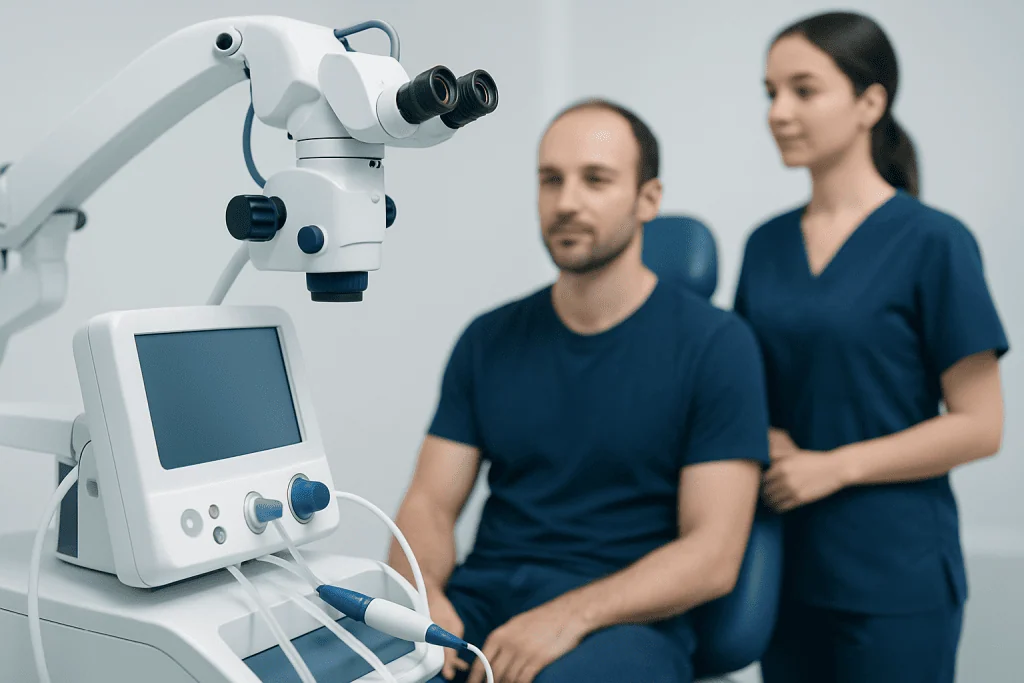
Hair transplantation is not the right choice for everyone with hair loss. The best candidates often have androgenetic alopecia, also called male or female pattern hair loss, with enough healthy donor hair to redistribute. People with patchy shedding, sudden hair loss, active scalp inflammation, or widespread thinning in both donor and recipient areas may need a different diagnosis and treatment plan first.
Age alone does not determine suitability, but long-term planning is important. In younger patients, surgeons often assess whether the hair loss pattern is still evolving, because creating a hairline too early or too low may look unnatural later if native hair continues to recede. In women, evaluation can be especially important because some forms of diffuse thinning reduce donor availability and may affect the expected outcome.
During assessment, the clinician may review:
- Type and duration of hair loss
- Family history of balding
- Scalp condition and donor density
- Previous treatments or procedures
- General health, medications, and smoking status
- Expectations about density, hairline design, and recovery time
International patients should also mention any chronic illnesses, bleeding disorders, allergies, or previous cosmetic procedures. This information helps the team determine whether a transplant is appropriate now, whether medical treatment should be tried first, or whether additional testing is needed before travel.
Techniques and What Happens on Procedure Day

The most commonly used approach today is follicular unit extraction, or FUE. In this technique, individual follicular units are removed from the donor area and then implanted into tiny sites created in the recipient area. Some clinics may describe variations of this method, but the core principle remains the same: careful harvesting, preservation, and placement of follicles to support a natural pattern of growth. Patients exploring hair transplant treatment should understand that technique names can vary, while surgeon expertise and planning remain central.
On the day of the procedure, the scalp is usually examined again, photographed, and marked for donor and recipient zones. The team may trim the hair, clean the scalp, and use local anesthesia to keep the patient comfortable. The procedure often takes several hours depending on the number of grafts and whether treatment is completed in one session. Patients are generally awake, and breaks may be provided.
A natural-looking result depends on more than simply moving large numbers of grafts. The angle, direction, and distribution of follicles all influence how the transplanted hair will appear. Hairline design is especially important, because it should match the person’s facial proportions and likely future hair loss. Some patients may also discuss supportive options such as PRP as part of a broader hair restoration plan, if the clinician considers it appropriate.
After the grafts are placed, the scalp may show redness, tiny crusts, and mild swelling. These early changes are expected. Before discharge, patients usually receive instructions about washing, sleeping position, activity limits, medicines, and when to return for a follow-up check or dressing review.
Preparing for Travel and the Initial Consultation
International patients benefit from planning several practical details before they travel. A reputable center usually asks for clear scalp photographs from multiple angles, information on past illnesses and medicines, and details about previous hair procedures. This early review can help set realistic expectations and avoid unnecessary travel if the patient is not a suitable candidate at that time.
Patients should expect the consultation to cover both medical and aesthetic issues. The doctor may discuss the likely cause of hair loss, donor capacity, number of grafts that may be reasonable, and whether one session is enough. It is also appropriate to ask who will perform the extractions and graft placement, how long the stay should be, and what support is available after the patient returns home.
Before booking, it helps to clarify the recovery timeline in relation to flights, work, and social activities. Patients may prefer to stay a few days after the procedure so the team can assess early healing and provide the first wash or scalp check. If there are signs that hair loss might relate to another condition, the clinician may suggest further dermatologic evaluation such as review for alopecia or other scalp disorders before proceeding.
Patients should also follow all pre-procedure instructions. These may include guidance about smoking, alcohol, scalp products, blood-thinning medicines, and general health measures. Following these instructions can support safer treatment and smoother healing.
Recovery Timeline and Expected Results
Recovery after a hair transplant is gradual, and understanding the timeline can prevent unnecessary worry. In the first few days, the scalp commonly looks red or slightly swollen, and tiny scabs form around the implanted grafts. Mild discomfort, tightness, or itching can occur, but these symptoms usually improve steadily. The medical team explains how and when to wash the scalp so grafts are protected while the area heals.
One point that surprises many patients is temporary shedding of transplanted hairs during the weeks after the procedure. This is often called shock shedding and can be a normal phase. The follicles remain in place under the skin and enter a resting stage before producing new hair. Early growth may start after several months, while fuller cosmetic results generally develop over a longer period as the transplanted hairs thicken and mature.
Results vary from person to person. Final appearance depends on donor supply, hair caliber, color contrast, the extent of existing hair loss, and the long-term stability of native hair. A transplant improves coverage, but it may not restore the density seen in adolescence. Some people may later need medical treatment, a second procedure, or long-term planning if hair loss continues in untreated areas.
Patients should contact the clinic if they are unsure about healing, especially if they notice increasing pain, marked swelling, fever, unusual discharge, or sudden changes in the scalp. Clear post-procedure communication is particularly important for international patients who may continue recovery at home.
Risks, Safety, and How to Choose a Provider
Hair transplantation is generally considered a minor surgical procedure, but it still carries risks and should be approached carefully. Possible issues include bleeding, infection, prolonged redness, swelling, numbness, poor graft growth, scarring, or an unnatural hairline if planning and technique are not appropriate. The donor area can also appear thinner if too many follicles are removed.
Safety depends on proper patient selection, sterile technique, skilled handling of grafts, and appropriate aftercare. Patients should look for a licensed medical setting and a qualified doctor with experience in hair restoration. It is reasonable to ask about the doctor’s role in assessment, design, anesthesia, extraction, site creation, and supervision of the overall procedure.
It can also help to ask how the clinic manages complications, whether pre-existing conditions are screened, and how follow-up is arranged for patients traveling from abroad. In some cases, supportive medical options may be recommended to help protect non-transplanted hair. Patients interested in broader scalp and hair evaluation may also benefit from advice through dermatology care when hair loss patterns are complex or associated with skin symptoms.
Near the end of the decision process, patients should feel informed rather than pressured. Acibadem International’s multidisciplinary specialists and JCI-accredited hospitals diagnose and treat hair loss concerns for international patients, with treatment planning guided by medical assessment, suitability, and follow-up needs.
Self-care After the Procedure
Aftercare plays an important role in healing and early graft protection. Patients are usually advised to avoid rubbing or scratching the scalp, strenuous exercise for a period recommended by the doctor, and direct sun exposure while the scalp is healing. Sleeping with the head elevated for the first nights may help reduce swelling. The exact routine varies between clinics, so individual instructions should always take priority.
Washing is usually introduced gradually using a gentle technique. Patients may also receive advice about hats, travel, returning to work, and when it is safe to resume swimming or more intense activity. Because the transplanted area can look noticeable at first, some people plan social or professional commitments with the early healing period in mind.
General health habits support recovery as well. Avoiding smoking where possible, eating a balanced diet, staying hydrated, and managing chronic medical conditions may all help the healing process. If the doctor recommends long-term maintenance treatment for ongoing hair loss, patients should discuss benefits, limitations, and follow-up timing.
Good self-care also includes realistic expectations. Hair growth after transplantation takes patience, and comparison with day-to-day photos can be misleading. Many clinics recommend progress photographs over months rather than days so changes can be judged more accurately.
When to Seek Medical Advice
Anyone considering a hair transplant should seek professional advice before booking travel, especially if the diagnosis is uncertain or the hair loss has changed quickly. Medical review is important if there is scalp pain, scaling, redness, patchy hair loss, or hair loss after illness, medication changes, or significant stress. These patterns may need investigation before any procedure is planned.
After the transplant, patients should seek medical guidance if they develop symptoms that seem out of proportion to normal healing. Examples include increasing redness, severe swelling, worsening pain, fever, foul-smelling drainage, or bleeding that does not settle. It is also sensible to ask for help if the patient is unsure whether washing, sleeping, or activity is affecting the grafts.
Long-term follow-up matters too. If native hair continues to thin, the overall appearance can change even when transplanted grafts survive well. Ongoing review can help decide whether medical therapy, watchful waiting, or a future procedure may be appropriate. International patients should choose a provider that offers clear channels for post-procedure communication once they return home.
Frequently asked questions
How long should international patients stay in Turkey for a hair transplant?
The exact stay depends on the treatment plan and the clinic’s follow-up routine, but patients usually need time for consultation, the procedure, and an early post-procedure check. Many prefer to stay a few days so the team can review healing and provide washing instructions before travel home.
Is a hair transplant in Turkey permanent?
Transplanted follicles are typically taken from hair that is more resistant to pattern baldness, so the result can be long-lasting. However, non-transplanted hair may continue to thin over time, which is why long-term planning and maintenance advice are important.
Will the procedure be painful?
Patients usually receive local anesthesia, so the scalp is numbed during the procedure. Some mild discomfort, tightness, or soreness can occur afterward, but many people find this manageable with the aftercare plan provided by their doctor.
When will new hair start to grow after transplantation?
It is common for transplanted hairs to shed in the first weeks before new growth begins. Visible regrowth often starts after several months, and fuller results continue to develop gradually as the hairs mature.
Can women have a hair transplant in Turkey?
Yes, some women are suitable candidates, especially when there is a defined pattern of loss and a healthy donor area. Because female hair thinning can have different causes and may be more diffuse, careful evaluation is especially important before treatment.
What should patients ask before choosing a clinic?
Useful questions include who will perform the key parts of the procedure, what technique is recommended, what risks and limitations apply, and how follow-up is managed after returning home. Patients should also ask how suitability is assessed and whether medical treatment should be considered alongside or before surgery.
References
- American Academy of Dermatology
- International Society of Hair Restoration Surgery
- British Association of Dermatologists
- National Health Service
- Mayo Clinic
This article is for general information only and is not a substitute for professional medical advice. Please consult a qualified doctor about your individual situation.
Hair transplant in Turkey — costs, graft counts & a free assessment
JCI-accredited · board-certified surgeons · reply within 24h
Add us as a Preferred Source to see more of our trusted health content across Google Search, AI Overviews and Discover.