Hallux Rigidus — Explained by Medical Evidence, Not Myths

Hallux rigidus is degenerative arthritis of the big toe joint. Typical symptoms are pain, stiffness, swelling, and difficulty bending the toe upward.
Key Takeaways
- Hallux rigidus is degenerative arthritis of the big toe joint.
- Typical symptoms are pain, stiffness, swelling, and difficulty bending the toe upward.
- Diagnosis is based on a physical exam and foot X-rays.
- Supportive shoes, activity changes, and pain relief are often the first treatments.
- Surgery may help when symptoms are persistent and limit walking or daily life.
Hallux rigidus is a form of arthritis affecting the joint at the base of the big toe. It commonly causes pain, stiffness, and reduced upward movement, but many people improve with footwear changes, physical measures, and, when needed, specialist treatment.
Overview: what hallux rigidus means
Hallux rigidus is arthritis of the metatarsophalangeal joint, the joint at the base of the big toe. In simple terms, the cartilage that helps the joint move smoothly becomes worn, and the joint gradually becomes painful and stiff. Over time, the toe may not bend upward as it should during walking.
This condition is different from a bunion, although both affect the forefoot and may sometimes be confused. A bunion changes the alignment of the big toe, while hallux rigidus mainly limits motion because of joint degeneration, inflammation, and bony overgrowth. Some people may have features of both problems, but they are not the same diagnosis.
Hallux rigidus usually develops gradually. At first, discomfort may appear only during sports, climbing stairs, or pushing off when walking quickly. As the joint becomes more worn, pain can occur more often, even in everyday shoes or during routine activities.
Although the name may sound severe, treatment often begins with conservative steps. Early recognition is helpful because reducing joint strain and choosing the right support can improve comfort and function and may slow worsening of symptoms.
Symptoms and how they affect daily life
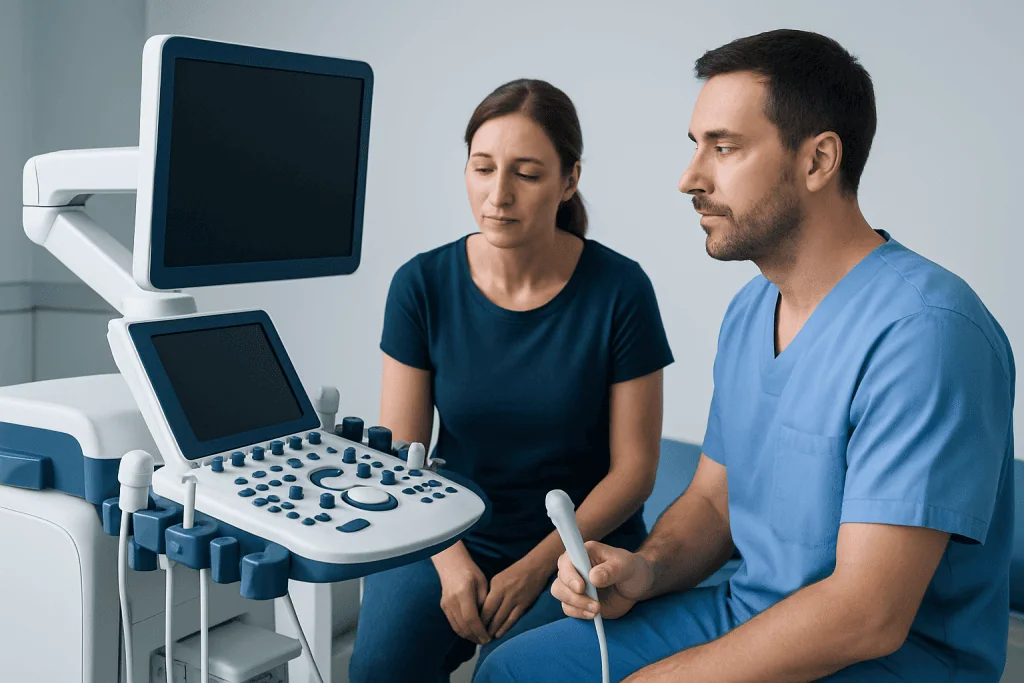
The most common hallux rigidus symptoms are pain and stiffness in the big toe joint. Many people notice that bending the toe upward becomes difficult, especially when walking, running, squatting, or standing on tiptoe. Symptoms often feel worse in colder weather or after increased activity.
The joint may also look swollen or enlarged. As the body responds to ongoing wear, bone spurs can form on the top of the joint. These can create a visible bump and make certain shoes uncomfortable. Tight or low-volume shoes may rub on the area and increase irritation.
As the condition progresses, walking mechanics can change. A person may roll the foot outward or shorten the push-off phase to avoid pain. This compensation can sometimes lead to discomfort elsewhere in the foot, ankle, knee, hip, or lower back.
- Pain at the base of the big toe, especially during push-off
- Reduced motion or a feeling that the toe is “stuck”
- Swelling, tenderness, or stiffness in the joint
- A bony bump on the top of the joint
- Difficulty wearing some shoes or participating in impact activities
Causes and risk factors
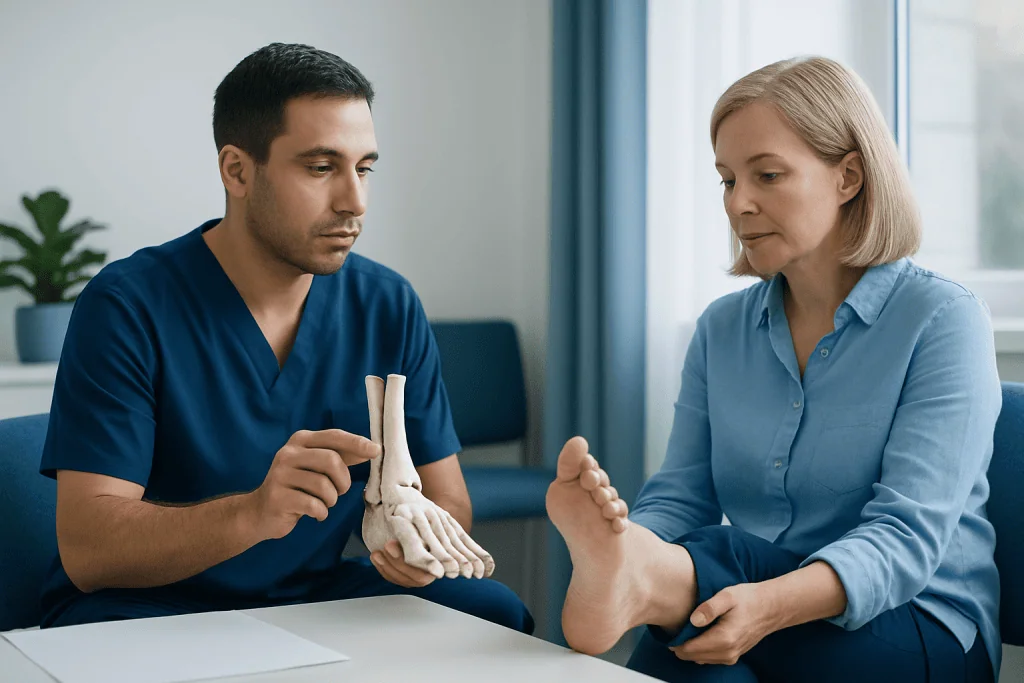
Hallux rigidus is usually caused by progressive wear and tear in the big toe joint. Repeated stress over many years can damage the cartilage surface. As the cartilage thins, the joint may become inflamed and less mobile, and bone spurs may develop around the edges.
Several factors may increase risk. Previous injury to the toe, such as a sprain, fracture, or repetitive sports strain, can make later arthritis more likely. Foot structure also matters. Some people naturally place more load through the first toe joint because of the shape of the foot, the length of the metatarsal bone, or gait patterns.
Inflammatory conditions and general osteoarthritis can contribute as well. In some cases, family history appears to play a role, suggesting a tendency toward certain joint shapes or cartilage changes. Age is another factor, because joint cartilage becomes more vulnerable over time.
Hallux rigidus is not simply caused by wearing one pair of shoes, but shoes can affect symptoms. High heels, very flexible soles, or narrow toe boxes may increase pressure on the joint and make existing arthritis more noticeable. If the person also has another foot problem, such as heel spur or altered foot loading, symptoms may be more bothersome.
How doctors diagnose hallux rigidus
Diagnosis usually begins with a medical history and physical examination. The doctor asks when symptoms started, what activities make them worse, whether there was a past injury, and how the problem affects walking and footwear. During the exam, the doctor checks tenderness, swelling, gait, joint movement, and whether pain appears when the toe is bent upward.
X-rays are the main imaging test used to confirm hallux rigidus. They can show narrowing of the joint space, bone spurs, and the degree of arthritic change. These findings help estimate severity and guide treatment decisions. In many cases, X-rays provide enough information without more advanced scans.
Additional imaging may be considered if symptoms do not match the exam findings or if another condition is suspected. The doctor may also consider other causes of big toe pain, such as gout, sesamoid disorders, turf toe, bunion-related pain, or infection.
A careful diagnosis matters because treatment depends on the true source of pain. Big toe pain is common, but not every painful or stiff toe is hallux rigidus. If foot pain is persistent, specialist assessment can help distinguish among arthritis, tendon problems, and other forefoot disorders.
Treatment options: from supportive care to surgery
Treatment depends on symptom severity, joint damage, daily activity needs, and response to simpler measures. The first goal is usually to reduce pain and improve walking without putting extra stress on the joint. Many people begin with non-surgical care, especially when symptoms are mild to moderate.
Common conservative treatments include shoes with a roomy toe box and a stiff or rocker-bottom sole, which reduce the need for the big toe to bend during push-off. Activity modification, ice after strain, and short-term pain-relieving medicines recommended by a doctor may also help. Some people benefit from inserts or orthotics that support the forefoot and limit painful joint motion. A foot and ankle specialist may also suggest targeted exercises or physical therapy to address gait patterns and maintain surrounding mobility.
If symptoms remain significant, injections may sometimes be discussed for temporary relief, although they do not reverse arthritis. When daily walking becomes difficult or conservative care no longer controls symptoms, surgery may be considered. Surgical choices depend on how much cartilage remains and where the main pain comes from.
Procedures may include removal of bone spurs and part of the damaged joint surface, reshaping procedures, fusion of the big toe joint, or in selected cases joint replacement. Fusion is a well-established option for advanced disease because it relieves pain by stopping painful motion, though it permanently limits movement at that joint. Broader orthopedic care may be appropriate when symptoms affect function or when other joint conditions are present. In some patients, assessment within physical therapy and rehabilitation supports gait training and symptom control before or after intervention.
Prevention and self-care strategies
Not every case can be prevented, especially when arthritis is related to foot structure, age, or prior injury. Still, practical self-care can reduce stress on the joint and may help limit symptom flare-ups. Footwear is one of the most important day-to-day factors.
Shoes that are stable, supportive, and roomy around the toes are generally more comfortable than narrow or highly flexible footwear. A stiffer sole can decrease painful bending of the big toe during walking. For active people, replacing worn-out athletic shoes and choosing sport-specific support may also help.
Weight management, pacing high-impact activities, and avoiding repeated overload of the forefoot can be useful. If the toe becomes sore after exercise, resting and applying ice for short periods may reduce discomfort. It is sensible to avoid forcing the joint through painful ranges of motion.
Self-care does not replace medical evaluation when symptoms persist. If a person starts changing the way they walk, limits activity because of pain, or develops recurrent swelling, a professional assessment is appropriate. Some patients with ongoing mobility issues may also benefit from specialist input through podiatry or foot-focused orthopedic assessment.
When to seek medical care
Medical evaluation is recommended if big toe pain lasts more than a few weeks, keeps returning, or begins to interfere with walking, exercise, work, or footwear. Earlier assessment can be especially helpful when stiffness is increasing, because untreated joint problems may become harder to manage over time.
Prompt care is also important if the toe becomes suddenly very swollen, red, hot, or severely painful, or if symptoms follow an injury. These features can suggest a fracture, acute inflammatory arthritis, or infection and should not be ignored. New numbness, skin breakdown, or difficulty bearing weight also deserves timely medical attention.
A foot and ankle specialist, orthopedic surgeon, or rehabilitation clinician can help identify the cause and recommend treatment based on the stage of disease and the person’s needs. For international patients, Acibadem International’s multidisciplinary specialists in JCI-accredited hospitals diagnose and treat musculoskeletal conditions with individualized planning.
Because other disorders can mimic this condition, an accurate diagnosis is the most reliable first step. Persistent toe pain should not be dismissed as a minor inconvenience when it is affecting mobility or quality of life.
Frequently asked questions
Is hallux rigidus the same as a bunion?
No. Hallux rigidus is arthritis and stiffness of the big toe joint, while a bunion is a change in toe alignment with a prominent bump at the side of the joint. Some people may have both conditions, but they are different problems and may need different treatment.
Can hallux rigidus go away on its own?
Hallux rigidus usually does not fully go away on its own because it involves joint degeneration. However, symptoms can often be managed successfully with footwear changes, activity adjustments, and medical care. Early treatment may help reduce pain and preserve function.
What kind of shoes are best for hallux rigidus?
Many people do best with shoes that have a wide toe box, good support, and a stiff or rocker-bottom sole. These features reduce pressure on the big toe joint and limit painful upward bending during walking. A doctor or podiatry professional can advise whether inserts or custom orthotics may help.
Do I always need surgery for hallux rigidus?
No. Many cases can be managed without surgery, especially in earlier stages. Surgery is usually considered when pain remains significant despite conservative treatment and daily activities are clearly limited.
Can exercise make hallux rigidus worse?
High-impact or push-off-heavy activities can aggravate symptoms in some people, but appropriate movement is still important. The goal is usually to modify activity rather than stop all exercise. Lower-impact options and a shoe review may help keep a person active with less discomfort.
How is hallux rigidus confirmed?
Doctors usually confirm hallux rigidus with a physical exam and foot X-rays. The exam checks pain, stiffness, and range of motion, while X-rays show joint space narrowing, bone spurs, and other arthritic changes. These findings help guide treatment choices.
This article is for general information only and is not a substitute for professional medical advice. Please consult a qualified doctor about your individual situation.
Joint and spine care in Turkey — expert assessment & treatment
JCI-accredited · board-certified surgeons · reply within 24h
Add us as a Preferred Source to see more of our trusted health content across Google Search, AI Overviews and Discover.

More from the Health Library

Common Iliac Artery: An Evidence-Based Guide for Patients

Red Bumps on Skin: A Complete Medical Overview

Cerebral amyloid angiopathy: Symptoms, Causes, and Treatment — Complete Patient Guide

Trintix: A Complete Medical Overview

Dermal Fillers — Explained by Medical Evidence, Not Myths