Red Bumps on Skin: A Complete Medical Overview

Red bumps on skin can have many causes, from mild irritation and heat rash to infections and inflammatory skin conditions. Important clues include whether the bumps itch, hurt, contain fluid or pus, spread quickly, or come with fever or swelling.
Key Takeaways
- Red bumps on skin can have many causes, from mild irritation and heat rash to infections and inflammatory skin conditions.
- Important clues include whether the bumps itch, hurt, contain fluid or pus, spread quickly, or come with fever or swelling.
- Most cases are diagnosed with a skin examination and medical history, but some require tests such as swabs, allergy assessment, or biopsy.
- Treatment depends on the cause and may involve gentle skin care, trigger avoidance, topical medicines, or treatment for infection.
- Urgent medical care is needed if red bumps come with breathing trouble, facial swelling, severe pain, or signs of a rapidly spreading infection.
Red bumps on skin are a common symptom rather than a single diagnosis. They may result from irritation, allergy, infection, acne, inflammation, heat, or insect bites, and the right treatment depends on the bump’s appearance, location, and associated symptoms.
Overview: What Red Bumps on Skin Can Mean
Red bumps on skin are usually a sign that the skin is reacting to something. Common reasons include blocked pores, irritation from products or fabrics, allergic reactions, heat and sweat, insect bites, infections, or long-term inflammatory skin conditions. In many people, the bumps are harmless and improve with time or simple care, but they can also be a clue that a more specific diagnosis needs treatment.
The term itself describes appearance, not cause. A red bump may be small or large, flat-topped or raised, itchy or painful, isolated or widespread. Some bumps are centered around hair follicles, some contain clear fluid or pus, and others form rough patches. These details help doctors narrow down whether the problem is more likely to be acne, folliculitis, eczema, hives, contact dermatitis, viral rash, or another skin condition.
Location also matters. Red bumps on the face may suggest acne or rosacea, while bumps in skin folds can be linked to sweat, friction, or yeast overgrowth. On the arms or legs, keratosis pilaris, eczema, bites, or allergic reactions may be more likely. A careful look at the pattern often gives valuable diagnostic clues.
Common Symptoms and Patterns to Notice
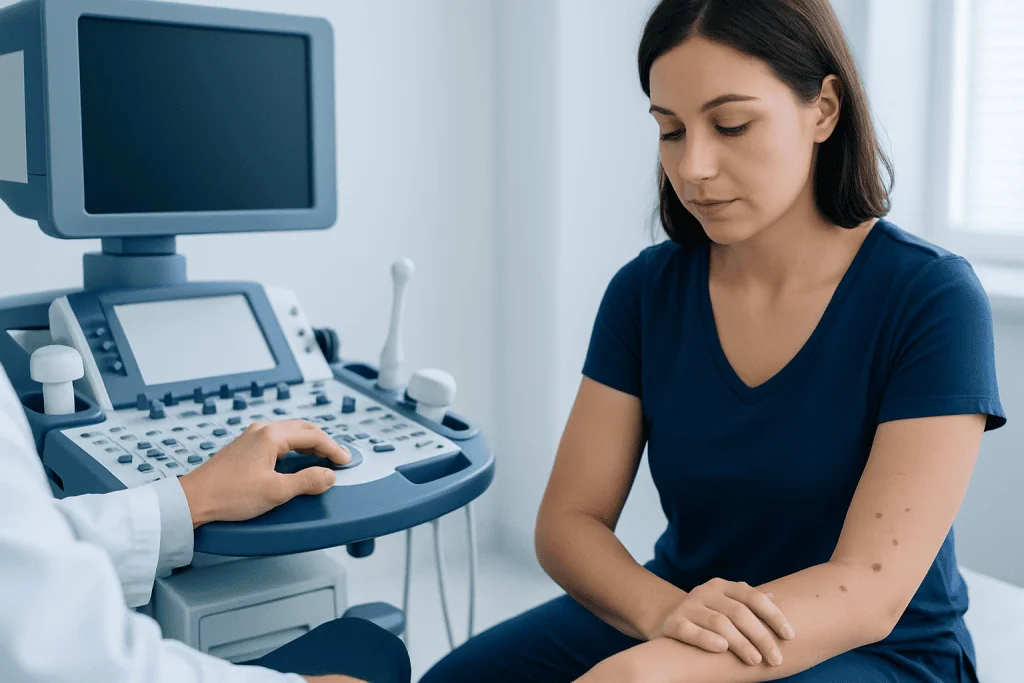
When evaluating red bumps on skin, doctors look beyond color alone. They ask whether the bumps itch, burn, sting, or hurt; whether they appeared suddenly or gradually; and whether they are confined to one area or spreading. A new rash after starting a medicine, using a cosmetic product, traveling, or spending time outdoors can point toward a trigger.
Itching often suggests allergy, eczema, bites, or hives, while tenderness may be more common with inflamed acne, boils, or bacterial infection. Tiny bumps after sweating may fit heat rash. Red bumps with scaling can occur in dermatitis or psoriasis. Pus-filled bumps around hair follicles can suggest folliculitis. If the skin becomes warm, swollen, or increasingly painful, infection becomes more concerning.
Associated symptoms matter too. Fever, sore throat, fatigue, joint pain, swollen lips, wheezing, or a general feeling of illness can mean the skin changes are part of a broader medical problem. In children, viral infections often cause red spotted or bumpy rashes, while in adults, recurrent bumps may relate more often to chronic skin disease, irritation, or medication reactions.
- Itchy bumps: often allergy, eczema, bites, or hives
- Painful bumps: may suggest infection, inflamed acne, or boils
- Bumps with flakes or dryness: can occur with dermatitis or psoriasis
- Bumps after heat or exercise: may be heat rash or cholinergic hives
- Bumps with pus: may indicate folliculitis or bacterial infection
Frequent Causes of Red Bumps on Skin
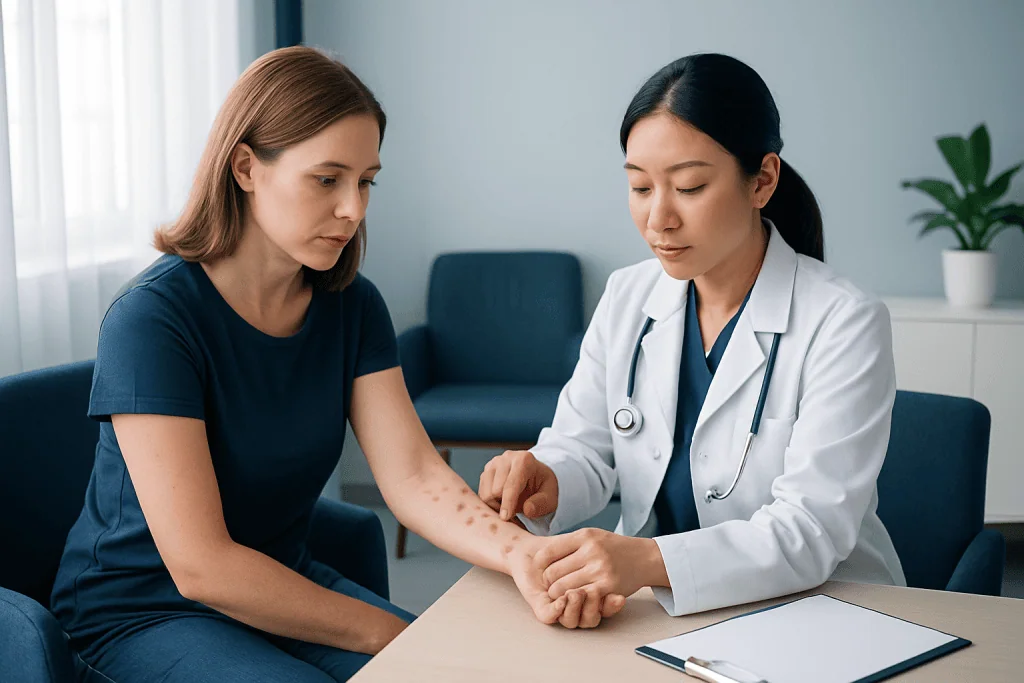
Several everyday conditions can cause red bumps on skin. Acne develops when pores become blocked with oil and dead skin cells, often leading to inflamed papules or pustules. Folliculitis occurs when hair follicles become irritated or infected, creating small red or pus-filled bumps. Heat rash appears when sweat ducts are blocked, especially in hot, humid environments or under tight clothing.
Allergic and irritant reactions are also common. Contact dermatitis may develop after exposure to soap, fragrance, metals, plants, detergents, or skin-care ingredients. Hives tend to appear suddenly as raised, itchy welts triggered by allergy, infection, temperature changes, or sometimes no clear cause. Eczema can cause inflamed, itchy, rough, red areas with small bumps, especially in people with sensitive skin.
Infections are another broad category. Bacterial skin infections may cause painful red bumps, pustules, or spreading tenderness. Viral illnesses can produce widespread rashes, while fungal or yeast-related conditions may affect warm, moist body areas. Certain chronic inflammatory conditions, including psoriasis and eczema, can also present with red, raised, irritated skin changes that come and go over time.
Less common but important causes include medication reactions, autoimmune conditions, scabies, and vascular or blood-related skin findings. Because the same symptom can come from many different problems, persistent or unusual bumps should not be self-diagnosed for too long, especially if they worsen or do not improve with basic skin care.
Risk Factors and Triggers
Anyone can develop red bumps on skin, but certain factors increase the chance. Sensitive skin, a personal or family history of allergies, asthma, or eczema, and a tendency toward acne all make inflammatory skin reactions more likely. Hot weather, heavy sweating, frequent shaving, friction from clothing, and wearing non-breathable fabrics can also trigger bumps.
Skin-care and lifestyle factors play a role as well. New cosmetics, fragranced lotions, harsh cleansers, topical medications, and sunscreens may irritate the skin or cause allergic contact reactions. Shared hot tubs, gyms, and occlusive clothing can contribute to folliculitis. Insect exposure, recent travel, pet contact, and outdoor activities may increase the likelihood of bites or infestation-related skin bumps.
Underlying health conditions can affect the skin’s barrier or immune response. Diabetes, immune suppression, chronic stress, and some medications may raise the risk of infection or delayed healing. In babies and children, delicate skin and heat retention can contribute to heat rash and eczema, while hormonal changes can increase acne-related red bumps in teenagers and adults.
How Doctors Diagnose the Cause
Diagnosis usually begins with a clinical examination. A doctor looks at the size, shape, arrangement, and distribution of the bumps, and asks when they began, what symptoms they cause, and whether there have been any recent exposures or illnesses. Photos of the rash when it first appeared can sometimes be helpful, especially if the appearance changes over time.
Most cases do not need extensive testing, but selected tests may be useful. If infection is suspected, a swab or sample may be taken. If an allergic trigger is possible, the doctor may review products, medications, and environmental exposures, and sometimes recommend allergy-focused evaluation. In persistent, unclear, or atypical cases, a skin biopsy may be needed to confirm the diagnosis.
Doctors also consider the broader medical picture. They may ask about fever, new medications, autoimmune disease, travel, sexual health, or contact with others who have similar symptoms. If red bumps are severe, recurrent, or difficult to control, referral to a dermatologist may help guide treatment, including options such as specialist dermatology evaluation when needed.
Treatment Options and Daily Skin Care
Treatment depends on the underlying cause, so there is no single remedy for all red bumps on skin. Mild irritation or heat rash may improve with cooling the skin, wearing loose clothing, and stopping the product or activity that triggered the reaction. For dry, inflamed skin, fragrance-free moisturizers and gentle cleansers are often helpful. Avoiding scratching is important because it can worsen inflammation and raise the risk of infection.
Targeted medical treatment may include topical anti-inflammatory creams, anti-itch treatments, acne therapies, or medicines that treat bacterial, fungal, or allergic causes. People with inflammatory conditions may need longer-term management plans to reduce flare-ups. For example, stubborn acne-related bumps may benefit from acne treatment, while more persistent inflammatory skin symptoms may require a broader skin check-up and treatment plan.
If a product appears to be causing the problem, stopping it is often the first step. Skin care should be kept simple during recovery: lukewarm water, mild cleansers, soft fabrics, and no aggressive scrubs. Picking or squeezing bumps can make healing slower and may lead to discoloration or scarring, especially on the face and shoulders.
For international patients needing assessment of persistent skin symptoms, Acibadem International’s multidisciplinary specialists in JCI-accredited hospitals diagnose and treat a wide range of dermatologic conditions. A clinician can also help identify when a skin problem is not primarily dermatologic and needs another specialty evaluation.
Prevention and Self-Care at Home
Prevention focuses on reducing common triggers and protecting the skin barrier. Gentle daily care is often enough to lower the chance of flare-ups. This means using fragrance-free products when possible, moisturizing regularly if the skin is dry, showering after heavy sweating, and changing out of damp clothing promptly. Breathable fabrics can reduce friction and trapped heat.
People prone to acne or folliculitis may benefit from keeping pores and follicles free from excess oil and sweat without over-washing. Razors should be clean, and shaving should be done carefully to avoid irritation. Those with known allergies should check product labels and avoid substances that have caused reactions before, such as nickel, certain preservatives, or fragrance mixtures.
Sun protection also matters. Some medications and inflammatory rashes become worse with sun exposure. A non-irritating sunscreen, hats, and protective clothing can help. If bumps repeatedly appear after exercise, heat, or specific products, keeping a symptom diary may make patterns easier to spot before a medical visit.
- Use mild, fragrance-free cleansers and moisturizers
- Avoid tight, rough, or non-breathable clothing when possible
- Shower and dry the skin after sweating
- Do not scratch, squeeze, or pick at bumps
- Stop new products if a reaction seems to start soon after use
When to Seek Medical Care
Many red bumps on skin can be monitored at home for a short time, especially if they are mild, localized, and improving. Medical advice is appropriate if the bumps last more than a few days without improvement, keep coming back, spread widely, or interfere with sleep, work, or daily comfort. It is also sensible to see a doctor if there is uncertainty about the cause.
Prompt medical care is important when red bumps are accompanied by fever, rapidly increasing redness, marked swelling, severe pain, pus, skin warmth, or streaking redness. These can suggest infection or another problem that may need timely treatment. Bumps near the eyes, on the genitals, or in a person with a weakened immune system also deserve earlier evaluation.
Emergency care is needed if red bumps occur with breathing difficulty, facial or tongue swelling, faintness, or a severe whole-body allergic reaction. Care should also be sought urgently if a rash appears after a new medication and is accompanied by blistering, mouth sores, or a general feeling of serious illness.
Frequently asked questions
Are red bumps on skin usually serious?
Most red bumps on skin are caused by mild conditions such as irritation, heat rash, acne, or insect bites. However, some cases need medical attention, especially if the bumps spread quickly, become painful, or occur with fever, swelling, or breathing symptoms.
Why do red bumps on skin itch?
Itching often happens when the skin is inflamed or reacting to something. Common itchy causes include eczema, hives, allergic reactions, contact dermatitis, bites, and some infections.
Can stress cause red bumps on skin?
Stress may not directly cause every skin problem, but it can trigger or worsen conditions such as eczema, hives, acne, and general skin sensitivity. Stress can also increase scratching, which may make bumps more inflamed.
Should red bumps on skin be squeezed or scratched?
No. Squeezing or scratching can irritate the skin further, increase the risk of infection, and sometimes lead to scarring or discoloration. It is better to keep the area clean and seek medical advice if the bumps are persistent or worsening.
How can someone tell if red bumps are from allergy or infection?
Allergic bumps are often itchy, appear soon after exposure to a trigger, and may come with swelling or hives. Infectious bumps are more likely to be painful, warm, pus-filled, or associated with fever, but only a clinician can confirm the cause with confidence.
Do red bumps on skin always need prescription treatment?
Not always. Some improve with gentle skin care, avoiding triggers, cooling the skin, and using suitable over-the-counter products. Prescription treatment may be needed if the cause is bacterial, fungal, inflammatory, severe, or recurrent.
This article is for general information only and is not a substitute for professional medical advice. Please consult a qualified doctor about your individual situation.
Explore treatments in Turkey — costs, top hospitals & a free quote
JCI-accredited · board-certified surgeons · reply within 24h
Add us as a Preferred Source to see more of our trusted health content across Google Search, AI Overviews and Discover.

More from the Health Library

Hepatorenal Insufficiency: A Complete Medical Overview

Obgyn: A Complete Medical Overview

Rosemary — Explained by Medical Evidence, Not Myths

Acalabrutinib: A Complete Medical Overview

Organic Oatmeal — Explained by Medical Evidence, Not Myths