Happy Baby Pose — Explained by Medical Evidence, Not Myths
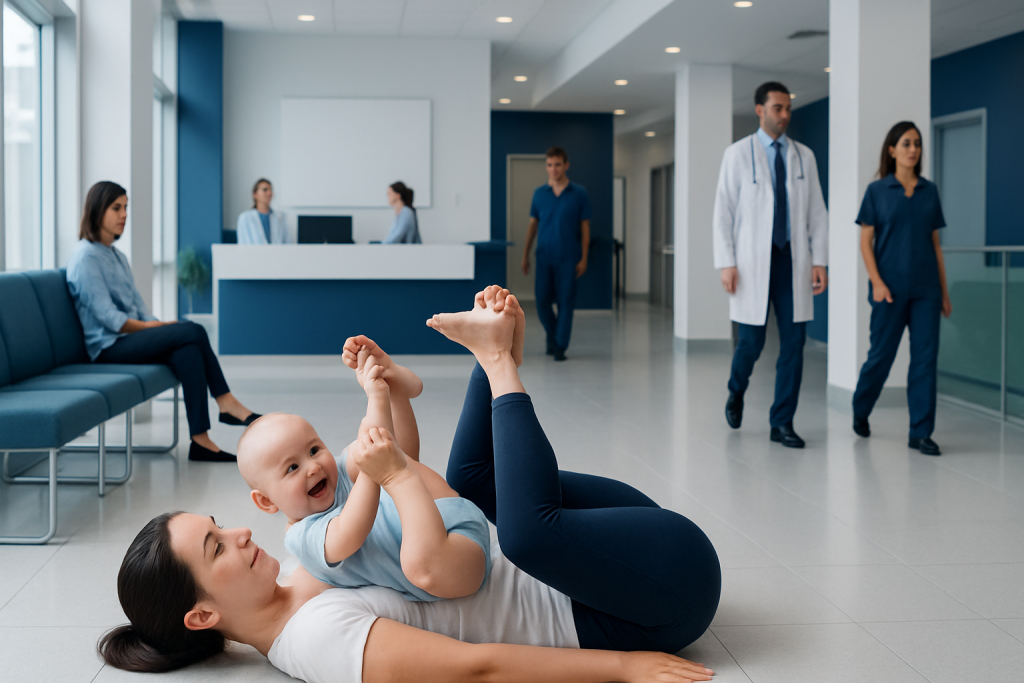
Happy baby pose mainly stretches the hips, groin, pelvic floor region, and lower back. Evidence supports yoga for flexibility, stress reduction, and some types of back discomfort, but not for myth-based claims such as detoxification.
Key Takeaways
- Happy baby pose mainly stretches the hips, groin, pelvic floor region, and lower back.
- Evidence supports yoga for flexibility, stress reduction, and some types of back discomfort, but not for myth-based claims such as detoxification.
- Proper alignment and a gentle range of motion matter more than pulling the knees down forcefully.
- People with hip, knee, spine, or pelvic pain may need modifications or medical advice before practicing.
- Stop if the pose causes sharp pain, numbness, dizziness, or worsening symptoms.
Happy baby pose is a gentle yoga position that can stretch the hips, inner thighs, and lower back while encouraging relaxed breathing. Medical evidence does not support dramatic claims about “detox” or organ cleansing, but the pose may help comfort, flexibility, and body awareness when practiced safely.
What happy baby pose really does
Happy baby pose is a floor-based yoga stretch in which a person lies on the back, bends the knees toward the chest, and holds the feet or lower legs while allowing the hips to open. In medical terms, it is best understood as a mobility and relaxation exercise rather than a treatment that “realigns” the body or removes toxins. Its most likely effects are gentle stretching of the hips and inner thighs, mild decompression of the lower back for some people, and support for slow, diaphragmatic breathing.
Many popular descriptions go beyond the evidence. There is no strong medical basis for claims that happy baby pose cleanses internal organs, cures digestive disease, or permanently corrects posture on its own. However, broader research on yoga suggests that regular, appropriately guided practice can improve flexibility, reduce stress, and help some people manage musculoskeletal discomfort. Happy baby pose may be one small part of that larger picture.
The pose can feel soothing because it combines supported positioning on the floor with breathing and moderate hip flexion. That does not mean it is right for everyone. A person with acute back pain, hip impingement, knee injury, recent surgery, or pelvic floor symptoms may need a modified version or a different stretch entirely. The goal is comfort and controlled mobility, not forcing the body into an ideal shape.
Potential benefits supported by clinical reasoning
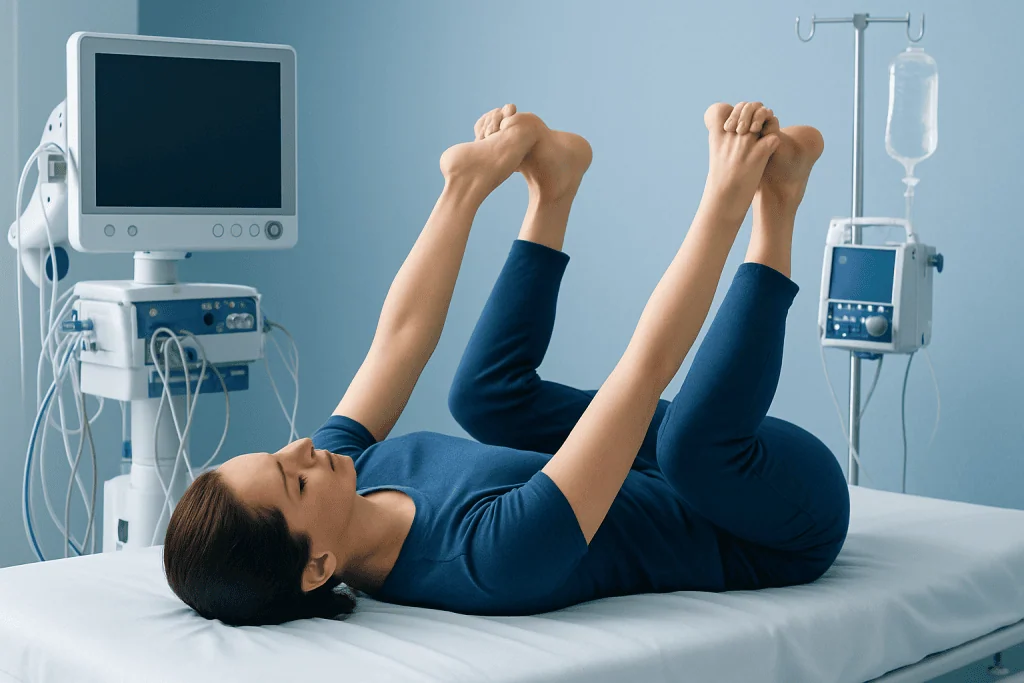
The main potential benefit of happy baby pose is stretching the tissues around the hips and groin. This can be useful for people who spend long hours sitting, feel stiffness after exercise, or want to improve general mobility. The pose may also help some people feel a mild release in the lower back because the back is supported on the floor and the pelvis moves gently.
Another likely benefit is relaxation. Slow breathing in a supported position can help reduce muscle guarding and increase body awareness. This may be one reason people often describe the pose as calming. While it is not a substitute for treatment of anxiety, chronic pain, or spinal disease, it may complement a broader wellness routine that includes movement, sleep, and stress management.
For some people with nonspecific back tightness, yoga-based movement can be helpful when introduced gradually. Still, happy baby pose should not be viewed as a stand-alone remedy for persistent back problems. Ongoing pain may have causes such as muscle strain, joint irritation, nerve compression, or a herniated disc, which need individualized assessment. In those situations, a clinician may recommend physical therapy and rehabilitation rather than self-directed stretching alone.
- May improve hip and inner thigh flexibility
- May feel relieving for mild lower back stiffness
- Can encourage slower, more relaxed breathing
- May support body awareness and movement confidence
How to do happy baby pose safely
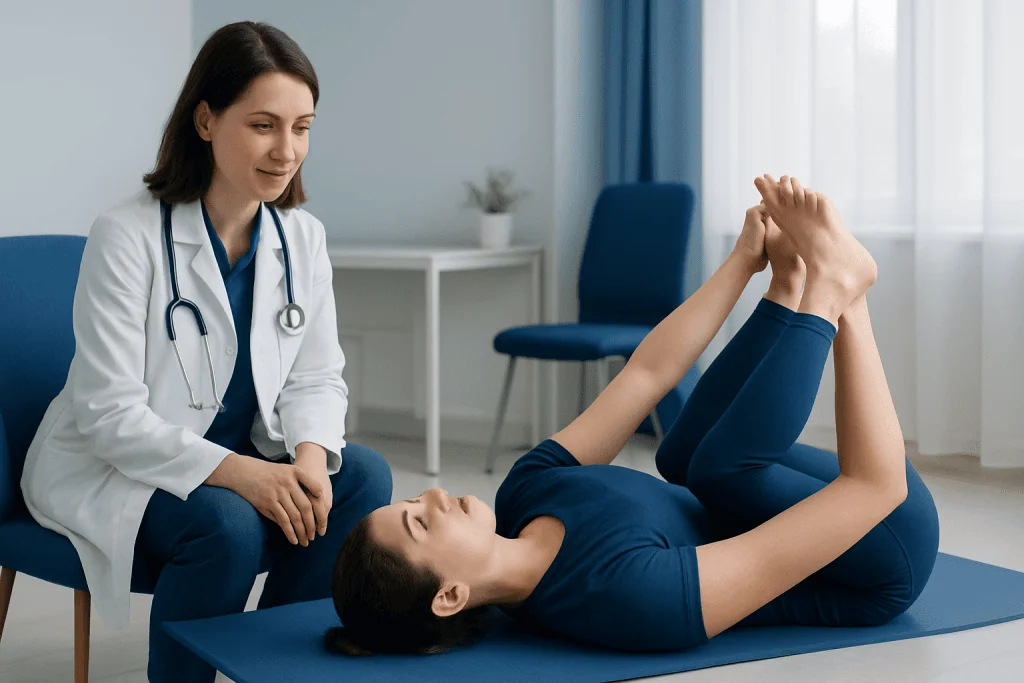
To perform happy baby pose, a person lies on the back on a mat or firm surface. The knees bend toward the chest, then separate slightly wider than the torso. The hands reach to the outside edges of the feet, the arches, the ankles, or behind the thighs—whichever position allows the shoulders and neck to stay relaxed. The aim is not to flatten the knees to the floor, but to create a comfortable stretch across the hips and inner thighs.
Breathing should remain slow and easy. The tailbone and lower back may naturally contact the floor, but they do not need to be pressed down aggressively. If reaching the feet causes straining, rounding through the neck, or gripping in the jaw, it is better to hold the shins or use a strap around each foot. Gentle rocking side to side may feel pleasant for some people, but it should be avoided if it causes back irritation.
A few technique points improve safety. The knees should track comfortably without twisting. The ankles can stay neutral, and the shoulders should remain broad and relaxed. A person should come out of the pose slowly, especially if they feel tight through the hips or lightheaded. Any sharp pain is a sign to stop.
- Use the hands on the feet, ankles, or thighs depending on flexibility
- Keep the head and neck relaxed on the floor
- Choose mild tension, not forceful pulling
- Hold briefly and repeat rather than staying too long in discomfort
Common myths and what the evidence does not show
Happy baby pose is often surrounded by claims that sound scientific but are not well supported. One common myth is that the pose “detoxes” the body. In reality, the liver, kidneys, lungs, and digestive system handle the body’s normal waste-processing functions. A stretch may improve comfort and circulation temporarily, but it does not perform medical detoxification.
Another myth is that happy baby pose can “reset” the pelvis or cure chronic pain by itself. Chronic pain is complex and may involve muscles, joints, nerves, mood, sleep, and previous injury. A single pose cannot reliably correct all of these factors. For some people, especially those with structural spine or hip conditions, the pose may even aggravate symptoms if done aggressively.
There is also no good evidence that the pose directly improves fertility, treats digestive disease, or prevents injury on its own. These ideas may come from traditional wellness language or personal experience rather than clinical trials. That does not make the pose useless; it simply means its realistic value is more modest and practical: a gentle stretch, a breathing opportunity, and one possible component of a broader movement program.
Who should be careful or avoid it
Happy baby pose is not appropriate for everyone at every stage of health. A person should be cautious if they have recent hip, knee, groin, or lower back injury, especially if symptoms are active. It may also be uncomfortable for people with hip impingement, sacroiliac joint pain, pelvic floor pain, severe arthritis, or recent abdominal or pelvic surgery. In these situations, a modified stretch may be safer than the full pose.
Pregnancy, especially in later stages, may also change which positions feel comfortable or advisable. Some pregnant individuals can continue selected floor-based stretches with professional guidance, while others may need alternatives. Anyone with nerve symptoms such as radiating leg pain, tingling, or numbness should be especially careful, because deep hip flexion can sometimes worsen irritation from underlying spine conditions such as sciatica.
Children often move into a posture that resembles happy baby pose naturally, but adults should not assume the same range is harmless. If mobility is limited, the body may compensate through the knees, lower back, or neck. A clinician or qualified rehabilitation professional can help determine whether the pose is suitable and whether other options, including orthopedic evaluation, are needed.
Modifications and self-care tips
Many people benefit from a modified version rather than the classic shape. Holding behind the thighs instead of the feet reduces strain on the shoulders, hips, and knees. Yoga straps looped around the feet can also make the position more accessible. A folded towel or small cushion under the head may help the neck stay neutral if the chin lifts upward.
It can be helpful to warm up first with easy movement, such as gentle walking, knee-to-chest motions, or hip circles within a pain-free range. Happy baby pose often works better as part of a short routine rather than as an isolated, prolonged stretch. Pairing it with other guided mobility work may be more useful than repeatedly forcing the same position.
People using the pose for back stiffness or movement recovery should keep expectations realistic. Improvement usually comes from consistency, gradual progression, sleep, posture variation, and overall conditioning. If symptoms are persistent, structured care such as rehabilitation support can help identify muscle imbalance, joint limitation, or movement habits that stretching alone may not address.
When to seek medical care
A person should seek medical advice if happy baby pose causes sharp pain, catching in the hip, numbness, weakness, or pain that travels down the leg. Medical review is also important if back, hip, groin, or pelvic pain lasts more than a few days, keeps returning, or interferes with walking, sleep, exercise, or daily tasks. These symptoms may point to a condition that needs diagnosis rather than more stretching.
Urgent medical care is needed for red-flag symptoms such as loss of bladder or bowel control, severe weakness, fever with back pain, unexplained weight loss, or pain after significant trauma. These are not typical effects of a simple stretch and should not be ignored. A doctor may recommend examination, imaging, or referral depending on the symptoms and medical history.
Near the end of a care pathway, some people may benefit from specialist assessment if they have persistent spine, joint, or nerve problems. Acibadem International’s multidisciplinary specialists and JCI-accredited hospitals diagnose and treat musculoskeletal and neurological conditions for international patients, including evaluation through services such as MRI when clinically appropriate.
Frequently asked questions
What is happy baby pose good for?
Happy baby pose is mainly used to stretch the hips, inner thighs, and lower back area while promoting relaxed breathing. It may feel soothing and can support general mobility, but it is not a cure for medical conditions.
Can happy baby pose help lower back pain?
It may help some people with mild back tightness or nonspecific stiffness, especially when done gently. However, back pain has many causes, and the pose can aggravate symptoms in some people, particularly if a nerve or disc problem is present.
How long should someone hold happy baby pose?
A short, comfortable hold is usually enough, with steady breathing and no straining. It is generally better to repeat a gentle stretch than to stay in the pose long enough to create pain or tension.
Who should avoid happy baby pose?
People with acute hip, knee, groin, pelvic, or lower back injuries should be cautious or avoid it until they have guidance. It may also be unsuitable after recent surgery or when a person has numbness, radiating leg pain, or severe joint stiffness.
Does happy baby pose detox the body?
No strong medical evidence shows that happy baby pose detoxifies the body. The body’s detoxification processes are handled primarily by organs such as the liver and kidneys, not by a specific stretch.
Is it normal to feel tight in happy baby pose?
Yes, mild tightness through the hips and inner thighs is common, especially in people who sit a lot or are new to stretching. Sharp pain, pinching, numbness, or worsening symptoms are not normal and should prompt stopping the pose.
References
- National Center for Complementary and Integrative Health
- American Academy of Orthopaedic Surgeons
- National Institute of Neurological Disorders and Stroke
- World Health Organization
- National Health Service
This article is for general information only and is not a substitute for professional medical advice. Please consult a qualified doctor about your individual situation.
Joint and spine care in Turkey — expert assessment & treatment
JCI-accredited · board-certified surgeons · reply within 24h
Add us as a Preferred Source to see more of our trusted health content across Google Search, AI Overviews and Discover.

More from the Health Library

Green Pv Discharge: An Evidence-Based Guide for Patients

Complications — Explained by Medical Evidence, Not Myths
Intramural Fibroid — Explained by Medical Evidence, Not Myths

Cassia Cinnamon: What Patients Need to Know

Sorrel Benefits: An Evidence-Based Guide for Patients
External Hemorrhoid — Explained by Medical Evidence, Not Myths
Related Specialists

Dr. Munara Bolatkhan
Inpatient Clinic Physicians
Prof. Dr. Murat Karaman
Otorhinolaryngology
Dr. Çiğdem Benlice
General Surgery
Prof. Dr. Özge Gümüşay
Medical Oncology