Hashimoto’s Thyroiditis: Symptoms, Causes, and Treatment Options

Hashimoto's thyroiditis is a common cause of an underactive thyroid. Symptoms may develop slowly and can include fatigue, feeling cold, constipation, dry skin, and weight gain.
Key Takeaways
- Hashimoto's thyroiditis is a common cause of an underactive thyroid.
- Symptoms may develop slowly and can include fatigue, feeling cold, constipation, dry skin, and weight gain.
- Diagnosis usually combines symptoms, thyroid blood tests, and thyroid antibody testing.
- Treatment often involves daily thyroid hormone replacement and follow-up blood tests.
- Many people live well with Hashimoto's thyroiditis when the condition is monitored consistently.
Hashimoto's thyroiditis is an autoimmune condition in which the immune system gradually damages the thyroid gland, often leading to hypothyroidism over time. Most people can manage it well with proper diagnosis, regular monitoring, and thyroid hormone replacement when needed.
Overview: What Hashimoto's Thyroiditis Is
Hashimoto’s thyroiditis is a long-term autoimmune disease that affects the thyroid gland, a small gland in the front of the neck that helps regulate metabolism, energy use, temperature, and many body functions. In this condition, the immune system mistakenly attacks thyroid tissue. Over time, this inflammation can reduce the gland’s ability to make enough thyroid hormone.
Because the process is usually gradual, symptoms may appear slowly or be mild at first. Some people are diagnosed only after routine blood tests show an underactive thyroid, also called hypothyroidism. Others may first notice tiredness, sensitivity to cold, dry skin, or changes in weight and mood.
Hashimoto’s thyroiditis is sometimes called chronic lymphocytic thyroiditis or Hashimoto disease. It is one of the most common causes of hypothyroidism in areas where iodine intake is generally adequate. Although it is a chronic condition, it is usually manageable, and many people maintain a normal, active life with appropriate care.
How the Thyroid Changes Over Time
A useful way to understand Hashimoto’s thyroiditis is to think of it as a process rather than a single event. In the early stages, the thyroid may still produce normal hormone levels despite inflammation. This phase may cause no symptoms at all, or symptoms may be vague and easily confused with stress, aging, or other health issues.
As more thyroid tissue becomes affected, hormone production can start to fall. The body then slows down in ways that reflect lower thyroid hormone activity. In some cases, the thyroid gland becomes enlarged, forming a goiter, which may create a feeling of fullness in the neck or mild swallowing discomfort.
Less commonly, people can have a brief period of increased thyroid hormone release due to inflammation before the gland becomes underactive. This can cause temporary symptoms such as palpitations or feeling shaky. However, the long-term pattern in Hashimoto’s thyroiditis is most often progression toward hypothyroidism rather than persistent overactivity.
Follow-up matters because thyroid hormone levels can change over time. A person who feels well and has normal results at one stage may later need closer monitoring or treatment, especially if symptoms develop, pregnancy is planned, or other autoimmune conditions are present.
Symptoms and Possible Complications

Symptoms of Hashimoto’s thyroiditis often reflect low thyroid hormone levels. Common symptoms include fatigue, sleepiness, feeling unusually cold, constipation, dry skin, brittle hair, hoarseness, puffy face, muscle aches, slower thinking, low mood, and unexplained weight gain. Menstrual changes and reduced fertility can also occur in some people.
Not everyone has the same experience. Some people have only a few symptoms, and some have none for a long period. Because the onset is gradual, symptoms may be overlooked until blood tests show abnormal thyroid function. In children and adolescents, untreated thyroid dysfunction can affect growth, puberty, school performance, or energy levels.
Possible complications mainly relate to untreated or undertreated hypothyroidism. These may include high cholesterol, worsening fatigue, menstrual irregularities, pregnancy-related concerns, and in some cases enlargement of the thyroid gland. Rarely, severe untreated hypothyroidism can cause serious health problems that require urgent medical attention.
Hashimoto’s thyroiditis can also occur alongside other autoimmune diseases. For example, some people may have type 1 diabetes, celiac disease, pernicious anemia, or autoimmune skin conditions such as vitiligo. Recognizing this pattern can help doctors decide whether additional evaluation is appropriate.
Causes and Risk Factors
The exact reason one person develops Hashimoto’s thyroiditis and another does not is not fully understood. It is thought to result from a combination of genetic susceptibility and environmental triggers that influence immune function. Family history plays an important role, and the condition tends to occur more often in people who have relatives with thyroid disease or other autoimmune disorders.
Sex and age also affect risk. Hashimoto’s thyroiditis is more common in women, and it often appears in adulthood, although it can occur at any age. Hormonal changes may influence when it becomes noticeable, which is one reason it may be diagnosed around pregnancy, after childbirth, or during midlife.
Other possible contributing factors include excessive iodine intake in some settings, certain medications, prior radiation exposure to the neck, and coexisting autoimmune disease. Stress itself is not considered a direct cause, but ongoing physical or emotional strain can make symptoms more noticeable or overlap with them.
Having risk factors does not mean a person will definitely develop the disease. Likewise, someone with no obvious risk factors can still be affected. For that reason, symptoms and blood testing are more useful than assumptions when evaluating possible thyroid disease.
How Diagnosis Is Confirmed
Diagnosis starts with a medical history and physical examination. A doctor asks about symptoms, family history, medications, pregnancy plans, and any past autoimmune conditions. During the exam, the thyroid may be checked for enlargement, tenderness, or nodules, though many people with Hashimoto’s thyroiditis have no obvious neck changes.
Blood tests are the main tool for diagnosis. These commonly include thyroid-stimulating hormone (TSH) and free thyroxine (free T4) to assess thyroid function. In Hashimoto’s thyroiditis, TSH is often elevated when the thyroid becomes underactive, and free T4 may be low. Thyroid antibody tests, especially thyroid peroxidase antibodies, can support the diagnosis by showing immune activity against the thyroid.
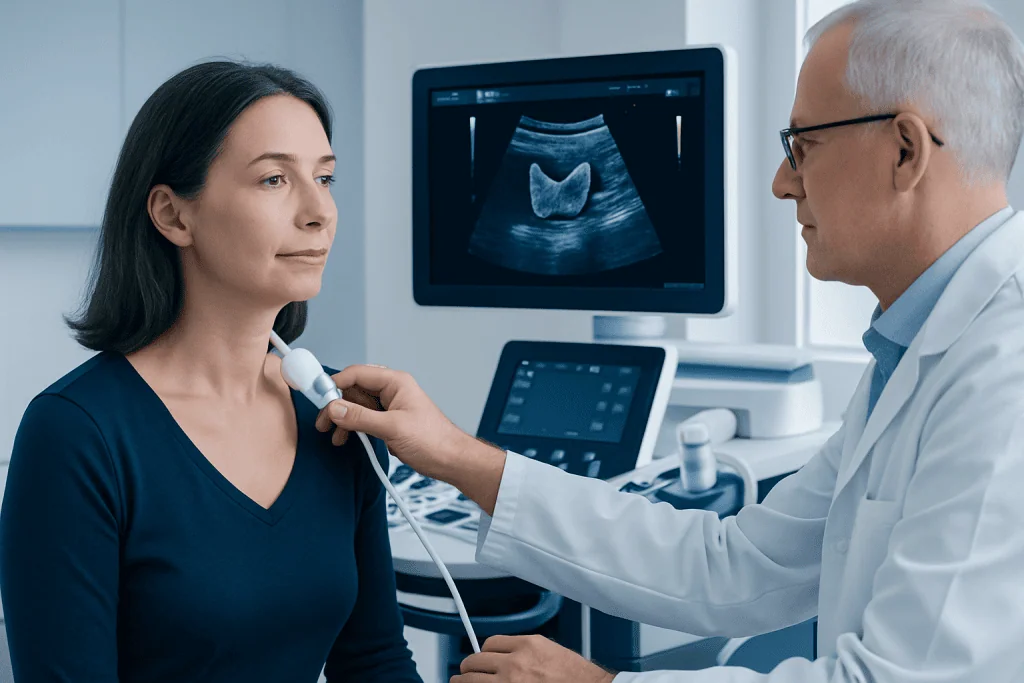
Sometimes imaging is used if the gland feels enlarged, uneven, or nodular. Thyroid ultrasound can help evaluate the structure of the gland and look for nodules or features consistent with chronic inflammation. Imaging is not necessary for every patient, but it can be helpful when the physical exam or lab results raise additional questions.
Doctors also consider other causes of symptoms or abnormal thyroid tests. This may include evaluating nutritional issues, medication effects, or other endocrine conditions. In complex cases, assessment by a specialist in endocrinology care can help guide diagnosis, monitoring, and long-term management.
Treatment Options and Long-Term Management
Treatment depends on whether the thyroid is still making enough hormone and whether symptoms are present. If thyroid hormone levels are normal and symptoms are minimal, a doctor may recommend observation with regular blood tests rather than immediate medication. This is because not every person with thyroid antibodies needs treatment right away.
When Hashimoto’s thyroiditis leads to hypothyroidism, the standard treatment is thyroid hormone replacement, usually with levothyroxine. This medicine replaces the hormone the thyroid can no longer make in sufficient amounts. The goal is to restore hormone levels to a normal range and improve symptoms without overcorrecting.
Monitoring is an important part of treatment. Blood tests are typically repeated after starting or adjusting medication to make sure the dose is appropriate. Dose needs may change over time, especially with aging, pregnancy, significant weight change, or new medications. It is important for patients to take thyroid hormone as directed and discuss all supplements and medicines with their doctor because some can affect absorption.
If a person has a large goiter, thyroid nodules, swallowing symptoms, or uncertainty about the diagnosis, additional evaluation may be needed. In selected situations, thyroid surgery may be considered, but surgery is not a routine treatment for uncomplicated Hashimoto’s thyroiditis. Near the end of the care pathway, some international patients choose assessment through centers such as Acibadem International, where multidisciplinary specialists in JCI-accredited hospitals diagnose and treat thyroid conditions.
Daily Self-Care, Nutrition, and Follow-Up
Self-care does not replace medical treatment, but it can support overall well-being. Regular follow-up, taking prescribed medication consistently, and reporting new symptoms are among the most practical steps. Patients should not stop thyroid medicine or change the dose on their own, even if they begin to feel better.
Nutrition advice is best kept balanced and evidence-based. In general, a varied diet is appropriate unless a doctor identifies a specific deficiency or another condition such as celiac disease. More is not always better with supplements: taking high doses of iodine or thyroid-related over-the-counter products without medical guidance may be unhelpful or even harmful.
Healthy routines can make symptom management easier. These include regular sleep, physical activity suited to the person’s energy level, and addressing concerns such as constipation, dry skin, or mood changes with a clinician. If cholesterol, menstrual changes, or fertility concerns are present, those issues may also need separate attention as part of a broader care plan.
Pregnancy planning deserves special mention because thyroid hormone needs can change before and during pregnancy. Anyone with Hashimoto’s thyroiditis who is pregnant or trying to conceive should inform their doctor promptly. Early monitoring helps support healthy thyroid levels at a time when they are especially important.
When to Seek Medical Care
Medical advice should be sought if symptoms suggest an underactive thyroid, especially when fatigue, cold intolerance, constipation, hair or skin changes, or unexplained weight changes persist. It is also sensible to arrange an evaluation if there is a visible swelling in the neck, a feeling of pressure when swallowing, or a strong family history of thyroid or autoimmune disease.
People already diagnosed with Hashimoto’s thyroiditis should contact their doctor if symptoms return, change noticeably, or do not improve after treatment begins. Follow-up is also important during pregnancy, after childbirth, or when starting medications that may affect thyroid hormone levels.
Urgent medical assessment is appropriate for severe symptoms such as chest pain, significant shortness of breath, fainting, or marked mental confusion, as these are not typical symptoms to ignore and may signal another serious problem. When in doubt, a qualified healthcare professional can determine whether symptoms are related to the thyroid or another condition and advise on the next steps.
Frequently asked questions
Is Hashimoto's thyroiditis the same as hypothyroidism?
Not exactly. Hashimoto's thyroiditis is an autoimmune disease that can damage the thyroid, while hypothyroidism means the thyroid is not making enough hormone. Hashimoto's thyroiditis is a common cause of hypothyroidism, but not everyone with Hashimoto's has low hormone levels at the time of diagnosis.
Can Hashimoto's thyroiditis be cured?
There is no known cure that removes the autoimmune tendency itself. However, the effects of the condition are often managed very effectively with monitoring and thyroid hormone replacement when needed. Many people have good symptom control and normal daily function with ongoing care.
Does everyone with Hashimoto's need medication?
No. Some people have thyroid antibodies but still have normal thyroid hormone levels and may not need medicine immediately. In those cases, doctors often recommend periodic blood tests and symptom review to decide if and when treatment becomes necessary.
What tests are usually done for Hashimoto's thyroiditis?
Doctors commonly order blood tests such as TSH and free T4 to check thyroid function. Thyroid antibody tests, especially thyroid peroxidase antibodies, can help confirm an autoimmune cause. In some cases, a thyroid ultrasound is used if the gland feels enlarged or nodules are suspected.
Can diet alone treat Hashimoto's thyroiditis?
Diet alone does not replace treatment for true hypothyroidism caused by Hashimoto's thyroiditis. A balanced diet can support overall health, but thyroid hormone replacement is usually needed when the gland can no longer make enough hormone. Supplements should be discussed with a doctor because some may interfere with treatment or contain too much iodine.
Is Hashimoto's thyroiditis serious?
It can become serious if significant hypothyroidism goes untreated for a long time, but this is usually preventable with diagnosis and follow-up. In most cases, it is a manageable chronic condition. Regular care helps reduce the risk of complications and supports stable thyroid levels.
References
- American Thyroid Association
- National Institute of Diabetes and Digestive and Kidney Diseases
- Mayo Clinic
- National Health Service
- Merck Manual Consumer Version
This article is for general information only and is not a substitute for professional medical advice. Please consult a qualified doctor about your individual situation.
Medical weight-loss options in Turkey — costs & eligibility
JCI-accredited · board-certified surgeons · reply within 24h
Add us as a Preferred Source to see more of our trusted health content across Google Search, AI Overviews and Discover.
Check your numbers in seconds
BMI, calories, due date, blood pressure and 30+ more clinical calculators — free, instant, doctor-reviewed ranges.