HBOT Treatment: What Hyperbaric Oxygen Therapy Is and When It May Be Used

HBOT treatment increases the amount of oxygen dissolved in the blood by using a pressurized chamber. It is not a general wellness therapy; it is used for specific medical indications selected by a doctor.
Key Takeaways
- HBOT treatment increases the amount of oxygen dissolved in the blood by using a pressurized chamber.
- It is not a general wellness therapy; it is used for specific medical indications selected by a doctor.
- Common evidence-based uses include decompression sickness, carbon monoxide poisoning, some non-healing wounds, and radiation-related tissue injury.
- Treatment plans vary by condition and usually involve multiple sessions.
- HBOT is generally well tolerated, but ear pressure discomfort and other side effects can occur.
HBOT treatment, or hyperbaric oxygen therapy, involves breathing concentrated oxygen inside a specially pressurized chamber. It is used for certain medical conditions to increase oxygen delivery to tissues and support healing under medical supervision.
Overview: What HBOT Treatment Is
HBOT treatment stands for hyperbaric oxygen therapy. During this treatment, a person breathes oxygen in a chamber where the air pressure is higher than normal atmospheric pressure. This combination of pressure and oxygen allows more oxygen to dissolve into the bloodstream and reach tissues throughout the body.
The goal of HBOT treatment is to support healing in situations where tissues may not be getting enough oxygen or where extra oxygen can improve recovery. In some conditions, it can reduce swelling, help the body fight certain infections, and support the repair of damaged tissue.
HBOT is a medical treatment rather than a routine spa or wellness service. It is usually recommended only when there is a clear clinical reason, and it is given under the supervision of trained healthcare professionals who assess whether the expected benefits outweigh the risks.
How Hyperbaric Oxygen Therapy Works
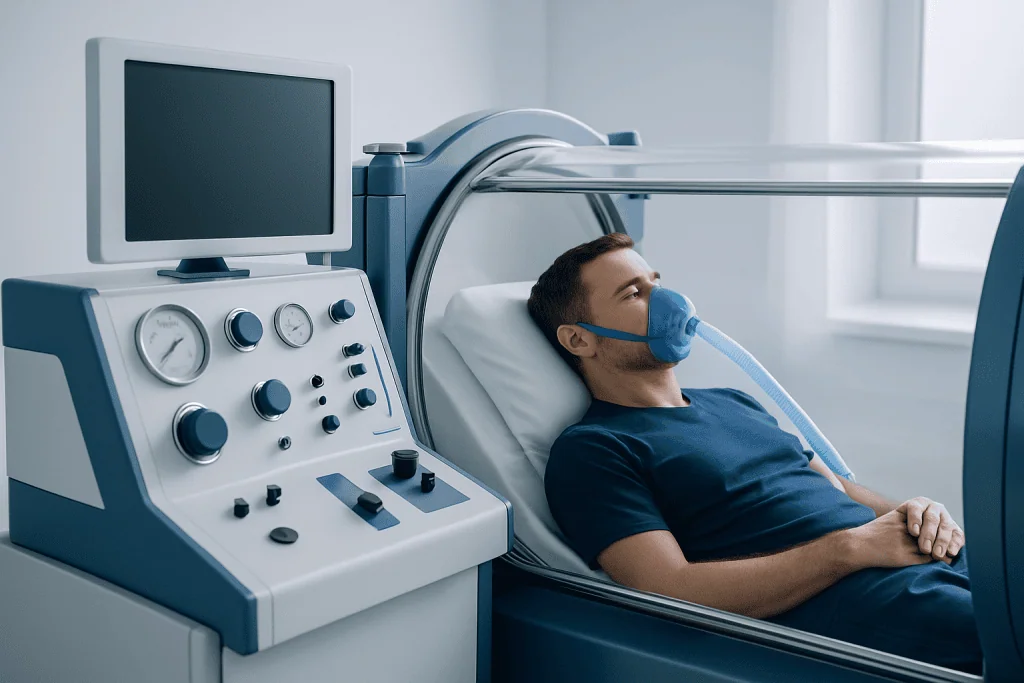
Under normal conditions, oxygen is carried mainly by red blood cells. In a hyperbaric chamber, the increased pressure enables much more oxygen to dissolve directly in the plasma, the liquid part of blood. This means oxygen can travel more effectively to tissues that may be swollen, injured, infected, or poorly supplied.
Extra oxygen may help in several ways. It can improve delivery of oxygen to damaged areas, support the activity of immune cells, and encourage the growth of new blood vessels in some situations. It may also help reduce certain gas bubbles in the blood, which is why it is an established treatment for decompression sickness.
HBOT treatment can be delivered in different types of chambers. A monoplace chamber usually treats one person at a time, while a multiplace chamber can treat several people together. The experience is carefully monitored, and the pressure is increased and decreased gradually to improve comfort and safety.
When HBOT Treatment May Be Used

Hyperbaric oxygen therapy is used for selected medical conditions. The exact reasons for recommending it depend on the person’s diagnosis, overall health, and whether standard treatments alone are likely to be enough. HBOT is often part of a broader treatment plan rather than the only treatment.
Common medically accepted uses may include:
- Decompression sickness related to diving
- Carbon monoxide poisoning
- Air or gas embolism
- Certain difficult or non-healing wounds, including some diabetic foot ulcers
- Radiation-related tissue injury after cancer treatment
- Some serious soft tissue or bone infections as part of combined care
- Crush injuries or compromised skin grafts and flaps in selected cases
For people with chronic wounds, HBOT may be considered alongside measures such as infection control, improved circulation, pressure relief, and wound care. In this setting, a doctor may also evaluate related conditions such as diabetic foot problems, circulation issues, or tissue damage caused by earlier treatment. It is important to know that not every wound or injury benefits from HBOT, so careful selection matters.
What Happens Before, During, and After a Session
Before treatment begins, the medical team reviews the person’s health history, medications, and the reason for HBOT. They may ask about ear problems, lung disease, recent fever, pregnancy, or previous chest surgery, because these factors can affect safety. Depending on the condition, tests may be needed to confirm that HBOT is appropriate.
During a session, the person sits or lies comfortably inside the chamber while pressure is gradually increased. As the pressure changes, there may be a feeling of fullness in the ears similar to being in an airplane during takeoff or landing. The team explains simple ways to equalize ear pressure, such as swallowing or gently clearing the ears.
A session usually lasts long enough to deliver a planned dose of oxygen, and many conditions require a series of treatments over days or weeks. Afterward, most people can return to their normal activities unless their doctor advises otherwise. The treatment team watches for any side effects and adjusts the plan if needed.
When HBOT is used to support wound recovery, it is often combined with other treatments such as wound care treatment or measures to improve blood flow and infection control. In selected situations, a doctor may also coordinate care with endovascular treatment specialists if circulation problems are limiting healing.
Benefits, Limitations, and Evidence
The main benefit of HBOT treatment is that it can deliver oxygen to tissues more effectively than normal breathing alone. In the right clinical situation, this can improve healing, support damaged tissue, and help reduce complications. For emergencies such as carbon monoxide poisoning or decompression sickness, timely treatment can be especially important.
At the same time, HBOT is not a cure-all. It does not replace surgery, antibiotics, wound cleaning, blood sugar control, or other standard treatments when those are needed. For many conditions, it works best as one part of a multidisciplinary care plan.
Evidence for HBOT is stronger for some conditions than for others. Doctors rely on established clinical guidelines and the person’s overall health picture before recommending it. If HBOT is proposed, patients may wish to ask what goal the treatment has, what evidence supports its use in their case, and how progress will be measured.
Possible Risks, Side Effects, and Who May Need Extra Caution
HBOT treatment is generally considered safe when performed in an appropriate medical setting. The most common side effect is pressure-related discomfort in the ears or sinuses. Some people may also feel tired, lightheaded, or notice temporary changes in vision after repeated sessions.
Less commonly, pressure can affect the lungs or teeth, and oxygen at high concentrations can rarely trigger more serious reactions such as oxygen toxicity. These risks are carefully managed by trained teams who control pressure changes, session length, and oxygen delivery.
Some people need extra caution or may not be good candidates for treatment. This can include individuals with certain untreated lung conditions, active respiratory infections, recent ear surgery, severe claustrophobia, or specific medication-related concerns. A full medical review helps identify whether HBOT is suitable and how to reduce risk.
Self-care, Follow-up, and When to Seek Medical Advice
People having HBOT usually receive practical instructions before each session. These may include avoiding certain lotions or products, reporting any cold or sinus symptoms, and discussing all medications with the healthcare team. Following these instructions helps treatment go smoothly and lowers the chance of pressure-related problems.
Because HBOT is often part of a larger treatment plan, self-care remains important. For example, wound patients may need careful dressing changes, pressure relief, smoking cessation, nutrition support, and control of conditions such as diabetes. Those recovering from radiation-related tissue problems or infection may also need close follow-up with the relevant specialist team.
Medical advice should be sought promptly if symptoms worsen, a wound becomes more painful or red, fever develops, or new breathing or ear symptoms appear. Ongoing concerns should always be reviewed with a qualified doctor rather than managed alone. Near the end of care planning, some international patients may choose centers such as Acibadem International, where multidisciplinary specialists in JCI-accredited hospitals evaluate and treat appropriate candidates for hyperbaric oxygen therapy, often alongside services such as diabetic foot treatment when wound healing is part of the overall goal.
Frequently asked questions
What does HBOT treatment stand for?
HBOT treatment stands for hyperbaric oxygen therapy. It means breathing oxygen inside a chamber where the air pressure is higher than usual, allowing more oxygen to reach body tissues.
What conditions can hyperbaric oxygen therapy treat?
Doctors use hyperbaric oxygen therapy for specific conditions, not for every illness or injury. Common uses include decompression sickness, carbon monoxide poisoning, some hard-to-heal wounds, radiation-related tissue damage, and selected infections or injury-related problems.
Is HBOT treatment painful?
HBOT itself is usually not painful. The most common discomfort is pressure in the ears or sinuses while the chamber pressure changes, similar to air travel, and staff can teach techniques to make this easier.
How many HBOT sessions are usually needed?
The number of sessions depends on the condition being treated and how the person responds. Some emergencies may need immediate treatment over a short period, while chronic wound care or radiation injury may involve multiple sessions over days or weeks.
Are there side effects of hyperbaric oxygen therapy?
Possible side effects include ear discomfort, sinus pressure, temporary tiredness, and sometimes short-term vision changes after repeated treatments. Serious complications are uncommon when therapy is given by an experienced medical team, but every person should be assessed for risk beforehand.
Who should avoid HBOT treatment?
Some people may need to postpone or avoid HBOT, depending on their health status. Examples can include certain untreated lung problems, active infections affecting pressure equalization, recent ear issues, or other medical concerns that a doctor needs to review first.
References
- Undersea and Hyperbaric Medical Society
- Mayo Clinic
- National Health Service
- U.S. Food and Drug Administration
- Centers for Disease Control and Prevention
This article is for general information only and is not a substitute for professional medical advice. Please consult a qualified doctor about your individual situation.
Explore treatments in Turkey — costs, top hospitals & a free quote
JCI-accredited · board-certified surgeons · reply within 24h
Add us as a Preferred Source to see more of our trusted health content across Google Search, AI Overviews and Discover.