Head Cold Stiff Neck: A Complete Medical Overview

A stiff neck during a head cold is often related to muscle strain, congestion, or a mild viral illness. Most cases improve within a few days with rest, fluids, gentle movement, and symptom relief.
Key Takeaways
- A stiff neck during a head cold is often related to muscle strain, congestion, or a mild viral illness.
- Most cases improve within a few days with rest, fluids, gentle movement, and symptom relief.
- A stiff neck is different from neck pain alone; true difficulty bending the neck forward can be a warning sign.
- Urgent medical care is important if a stiff neck occurs with high fever, severe headache, vomiting, rash, confusion, or light sensitivity.
- Doctors diagnose the cause by reviewing symptoms, examining the neck and nervous system, and ordering tests when needed.
A head cold stiff neck is commonly caused by muscle tension, poor sleep posture, dehydration, or the body’s response to a viral infection. In most cases it improves with rest and supportive care, but a stiff neck with high fever, severe headache, rash, confusion, or worsening illness should be assessed promptly.
Overview: What a Head Cold Stiff Neck Usually Means
A head cold stiff neck usually means a person has common cold symptoms along with tightness, soreness, or reduced movement in the neck. This combination is often linked to everyday causes such as muscle tension from coughing, sleeping in an awkward position, dehydration, or the general body aches that can come with a viral infection. In many people, it is uncomfortable but not dangerous.
What matters most is the pattern of symptoms. Neck discomfort that feels muscular and improves with rest is different from a neck that is intensely painful, hard to bend forward, or accompanied by high fever, confusion, or a severe headache. That distinction helps doctors decide whether the problem is a routine upper respiratory infection or something that needs urgent evaluation.
A head cold can involve the nose, throat, sinuses, and ears, and congestion may also trigger headache or facial pressure. When these symptoms happen together, muscles around the jaw, shoulders, and upper neck may tighten. Some people may also have related conditions such as sinusitis or an ear infection, which can make neck discomfort feel worse.
Symptoms and How to Tell the Difference
Typical cold symptoms include a runny or blocked nose, sneezing, sore throat, mild cough, tiredness, and low-grade fever or no fever at all. A stiff or sore neck during a cold may feel like aching at the back of the neck, tight shoulder muscles, or discomfort when turning the head side to side. People often notice it more in the morning or after coughing, resting in bed, or working at a screen for long periods.
It can help to separate a “sore neck” from a “stiff neck.” A sore neck often points to muscle strain or tension. A true stiff neck may mean the neck is difficult or painful to bend forward, especially if the chin cannot comfortably move toward the chest. That symptom deserves more attention, particularly if it appears suddenly or is much worse than expected for a simple cold.
Symptoms that may suggest a more serious problem include:
- High fever or rapidly rising temperature
- Severe or unusual headache
- Nausea or repeated vomiting
- Confusion, unusual drowsiness, or trouble waking up
- Sensitivity to light
- A rash, especially one that does not fade when pressed
- Weakness, numbness, or trouble speaking
These warning signs do not always mean a dangerous illness is present, but they should not be ignored. A clinician may need to rule out conditions affecting the brain, spinal cord, or the tissues around them.
Common Causes and Risk Factors

The most common cause of a head cold stiff neck is simple muscle tension. During a cold, frequent coughing, mouth breathing, poor sleep, and reduced activity can tighten the muscles in the neck and upper back. Dehydration may add to cramping or soreness, and spending more time lying down or using extra pillows can strain the neck further.
Viral infections themselves can also cause generalized body aches, including neck discomfort. In some cases, a person may have pressure from a sinus infection, swollen lymph nodes, or throat inflammation that makes the neck feel sore. An accompanying headache may be due to congestion or to a separate headache disorder such as migraine, which can sometimes overlap with viral symptoms.
Less commonly, a stiff neck may be linked to meningitis, an inflammation of the tissues around the brain and spinal cord. Meningitis can be caused by viruses, bacteria, or other organisms. Bacterial meningitis is a medical emergency and usually causes much more significant illness than a routine cold, often with fever, severe headache, and rapidly worsening symptoms.
Risk factors for more troublesome neck symptoms include existing neck problems, poor posture, recent travel, sleep disruption, intense coughing, weak fluid intake, and other infections involving the ears or sinuses. Young children, older adults, and people with weakened immune systems may need closer medical assessment because symptoms can be harder to interpret.
How Doctors Diagnose the Cause
Diagnosis begins with a careful medical history. A doctor usually asks when the cold symptoms started, whether the neck feels tight or truly rigid, whether there is fever, and if there are any neurological symptoms such as confusion, weakness, or light sensitivity. They also ask about recent infections, travel, contact with sick people, and vaccination history where relevant.
The physical exam looks for signs that point toward a routine upper respiratory infection or a more serious cause. The clinician may check temperature, hydration, throat, ears, lymph nodes, and sinuses. They also examine the neck’s range of motion and assess the nervous system, including alertness, strength, sensation, and reflexes.
Most mild cases of head cold stiff neck do not need extensive testing. If symptoms suggest complications, a doctor may order blood tests or imaging. For significant sinus symptoms, an ENT evaluation may be useful, and some patients with persistent nasal blockage or sinus pressure may benefit from assessment related to ENT care.
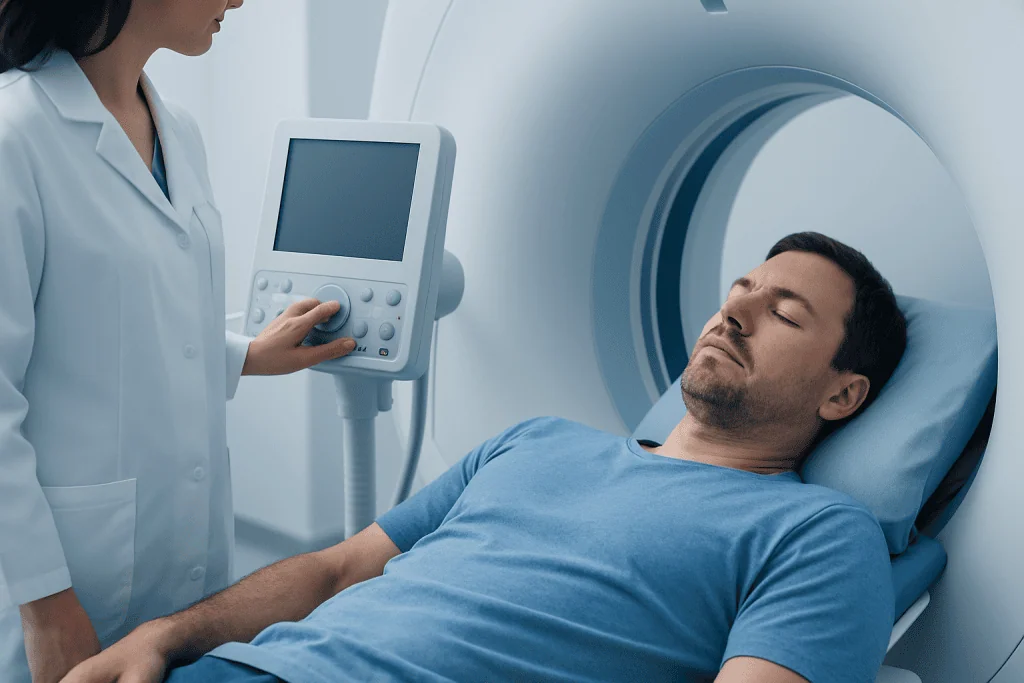
If meningitis or another serious neurological problem is suspected, urgent hospital evaluation is necessary. Additional tests may include imaging such as MRI or a lumbar puncture, depending on the situation and the doctor’s judgment. The goal is to identify dangerous causes quickly while avoiding unnecessary testing in straightforward cases.
Treatment Options and Symptom Relief
Treatment depends on the cause. If the stiff neck is due to a common cold and muscle tension, care is usually supportive. Rest, adequate fluids, warm showers, and gentle neck movement often help. Over-the-counter pain relief or cold remedies may also be appropriate for some adults, but a pharmacist or doctor can advise on safe choices, especially for children, pregnancy, or people with other health conditions.
Simple self-care can reduce muscle tightness. A warm compress on the back of the neck, changing pillows if they worsen alignment, and taking breaks from screens may ease strain. Very forceful stretching is not recommended, especially when pain is acute. Slow, comfortable movements are usually better than keeping the neck completely still.
If the underlying issue is a sinus or ear problem, treatment may focus on managing congestion or infection. Persistent or severe symptoms might lead to specialist review, and some people may need further evaluation of the nose and sinuses through endoscopic sinus surgery pathways if structural or chronic sinus disease is found. That type of care is generally considered only after a proper diagnosis.
Serious causes are treated very differently. Suspected bacterial meningitis requires urgent hospital treatment, often with intravenous medications and close monitoring. Because the right treatment depends entirely on the diagnosis, it is safest not to assume that every stiff neck during a cold is harmless if the symptoms are severe or unusual.
Prevention and Self-Care at Home
Preventing a head cold stiff neck starts with basic cold care. Good hand hygiene, covering coughs, avoiding close contact when unwell, and keeping up with recommended vaccinations may lower the risk of certain infections. During a cold, staying hydrated and resting enough can help reduce the muscle aches and fatigue that often contribute to neck tightness.
Posture matters more than many people realize. Reading in bed, sleeping propped up awkwardly, and hunching over a phone can all strain the neck. A supportive sleep position and brief movement breaks during the day may prevent mild cold-related neck pain from becoming more persistent.
Home care is reasonable when symptoms are mild and improving. Helpful measures may include:
- Drinking water regularly
- Using warm compresses for muscular tightness
- Trying gentle shoulder and neck range-of-motion exercises
- Managing congestion with clinician-approved remedies
- Resting, but not staying completely immobile for long periods
If symptoms continue beyond the expected course of a cold, or if nasal blockage, facial pressure, and headache become prominent, further medical review can help determine whether a sinus problem or another condition is present.
When to Seek Medical Care
A short period of mild neck soreness with a cold can often be monitored at home. Medical care is appropriate if the stiff neck is significant, lasts longer than a few days, or is getting worse instead of better. Evaluation is also sensible if the person has marked sinus pain, ear pain, dehydration, or trouble swallowing.
Urgent medical attention is important if a stiff neck comes with high fever, severe headache, vomiting, rash, confusion, seizures, fainting, breathing difficulty, or sensitivity to light. These symptoms can occur with serious infections or neurological conditions and should be assessed without delay.
Parents should seek prompt advice for infants and young children who seem unusually sleepy, irritable, difficult to comfort, poorly responsive, or unwilling to move the neck. Older adults and people with weakened immune systems may also need earlier evaluation because infections can appear less typical in these groups.
For international patients who need evaluation, Acibadem International’s multidisciplinary specialists and JCI-accredited hospitals diagnose and treat a wide range of infections, ENT conditions, and neurological concerns. The most appropriate specialist may vary depending on symptoms, and some cases may benefit from coordinated review involving neurology and ENT teams.
Frequently asked questions
Can a common cold cause a stiff neck?
Yes. A common cold can lead to neck tightness through muscle strain, poor sleep posture, dehydration, and general body aches from a viral illness. In many cases, the discomfort is mild and improves as the cold gets better.
How do people know if a stiff neck is serious?
A serious stiff neck is more concerning when it is severe, hard to bend forward, or comes with high fever, severe headache, vomiting, rash, confusion, or light sensitivity. Those symptoms should be assessed promptly because they can suggest a condition beyond a routine cold.
Is a stiff neck with a head cold always meningitis?
No. Most people with a head cold and neck pain do not have meningitis. Meningitis is much less common and usually causes a person to feel significantly more ill, often with fever, severe headache, and rapidly worsening symptoms.
What helps relieve a head cold stiff neck at home?
Supportive care often helps, including rest, fluids, warm compresses, and gentle neck movement. Good posture, a comfortable pillow, and managing congestion may also reduce muscle tension. If symptoms worsen or do not improve, medical advice is recommended.
Should a person exercise or stretch a stiff neck during a cold?
Gentle movement is often better than complete stillness, but forceful stretching is not advised. The neck should only be moved within a comfortable range. If pain is sharp, severe, or associated with neurological symptoms, exercise should wait until a doctor has assessed the cause.
When should someone see a doctor for neck pain with cold symptoms?
A doctor should be consulted if neck pain is persistent, worsening, or accompanied by high fever, severe headache, vomiting, rash, confusion, weakness, or trouble swallowing. Medical review is also helpful when sinus or ear symptoms are prominent or recovery is unusually slow.
This article is for general information only and is not a substitute for professional medical advice. Please consult a qualified doctor about your individual situation.
Joint and spine care in Turkey — expert assessment & treatment
JCI-accredited · board-certified surgeons · reply within 24h
Add us as a Preferred Source to see more of our trusted health content across Google Search, AI Overviews and Discover.

More from the Health Library

Mepolizumab — Explained by Medical Evidence, Not Myths

Stubbed Toe: An Evidence-Based Guide for Patients

Interoception: What Patients Need to Know

Penile Head Itching: Causes and When to Seek Care

Celiac Disease: Gluten Symptoms, Blood Tests, and Diet Management