Interoception: What Patients Need to Know

Interoception is the ability to sense and interpret internal body signals. It influences appetite, toileting, sleep, pain awareness, emotions, and stress response.
Key Takeaways
- Interoception is the ability to sense and interpret internal body signals.
- It influences appetite, toileting, sleep, pain awareness, emotions, and stress response.
- Interoceptive differences can occur in many people and may be seen with neurological, developmental, or mental health conditions.
- Doctors assess interoception through symptom history, physical examination, and evaluation of related medical causes.
- Support may include occupational therapy, mental health care, stress regulation, and treatment of any underlying condition.
Interoception is the body-brain system that helps a person notice internal signals such as hunger, thirst, temperature, pain, heartbeat, and the need to rest. When interoception is reduced, heightened, or inconsistent, it can affect comfort, emotions, daily routines, and how someone responds to stress or illness.
Overview: what interoception means
Interoception is the sense that allows a person to notice what is happening inside the body. It includes awareness of signals such as hunger, fullness, thirst, heartbeat, breathing, nausea, bladder and bowel urges, temperature, fatigue, and pain. In simple terms, interoception helps the brain read the body’s internal messages and decide how to respond.
This system is important for everyday health. It helps a person know when to eat, drink water, rest, use the bathroom, slow down, or ask for help. Interoception also has a close connection to emotions, because many feelings are linked to body sensations. For example, anxiety may be felt as a racing heart or tight chest, while calm may be felt as slow breathing and muscle relaxation.
Interoception exists on a spectrum. Some people notice internal signals very clearly, while others may have difficulty recognizing them until they become strong. A person may also be very aware of some sensations, such as pain or heartbeat, but less aware of others, such as hunger or fatigue. These differences do not always mean disease, but they can affect comfort, self-care, and quality of life.
How interoception affects daily life
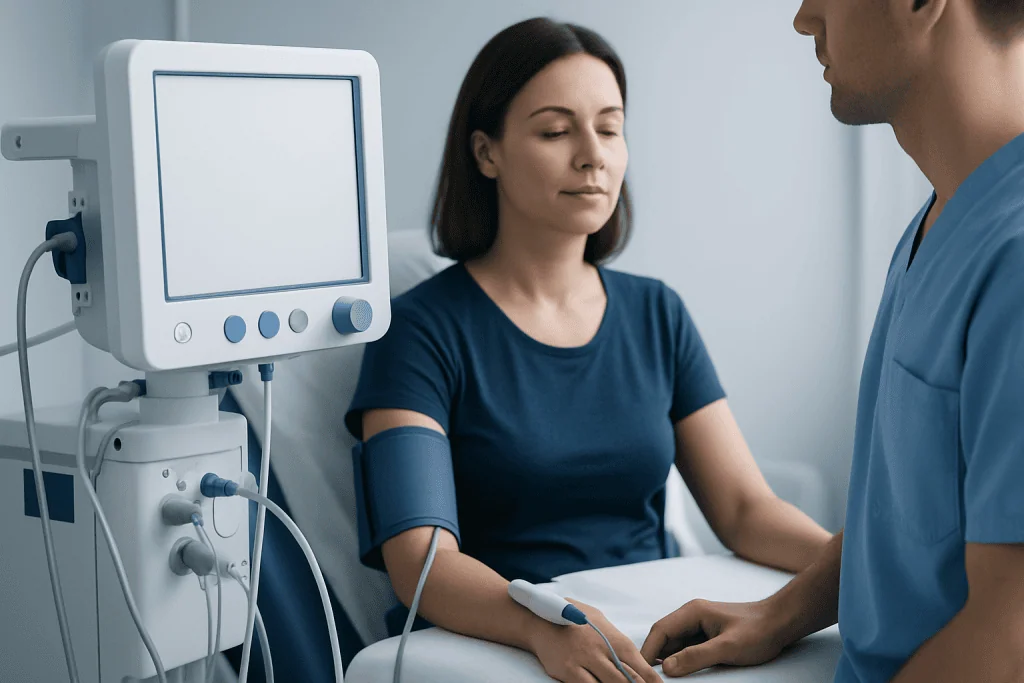
Healthy interoception supports many daily decisions without a person having to think about them too much. It can guide eating patterns, fluid intake, pacing of physical activity, emotional regulation, and recovery after stress. When the system works less smoothly, a person may miss early body cues or may feel them in an intense or confusing way.
For example, someone with reduced interoceptive awareness may not notice thirst until they feel unwell, may skip meals because hunger cues are weak, or may have trouble recognizing the need to rest. Another person may be highly sensitive to body sensations and find normal changes in heartbeat, stomach activity, or breathing distressing. In both cases, the challenge is not simply “paying attention,” but how the nervous system is sensing and interpreting the information.
Interoception can influence several areas of life:
- Eating and drinking habits
- Sleep and energy management
- Pain recognition and response
- Toileting routines
- Exercise tolerance and recovery
- Emotional awareness and stress regulation
- Ability to recognize illness early
Because of this wide role, interoception may come up in general medicine, pediatrics, neurology, rehabilitation, occupational therapy, and mental health care. It is best understood as part of whole-person health rather than as a single isolated symptom.
Common signs of interoceptive differences

Interoceptive differences can look different from one person to another. Some signs are subtle and may be noticed only over time. Others become clearer when they interfere with routine activities, school, work, eating, exercise, or emotional well-being.
Common signs may include difficulty recognizing hunger or fullness, not noticing thirst, trouble identifying fatigue, delayed awareness of needing the toilet, or finding it hard to describe where discomfort is coming from. Some people may also struggle to identify whether they are anxious, excited, sick, overheated, or in pain because the internal cues feel vague or mixed together.
In some cases, interoception may seem heightened rather than reduced. A person may be very aware of heartbeat changes, stomach sensations, temperature shifts, or mild pain. This can contribute to distress, especially if normal body signals are interpreted as threatening. Conditions such as anxiety can overlap with this experience, although a full assessment is needed to understand the cause.
Parents, caregivers, or clinicians may notice patterns such as irregular eating, repeated dehydration, bathroom accidents, sudden emotional overwhelm, or difficulty managing physical discomfort. These signs do not confirm a diagnosis by themselves, but they can be helpful clues during a medical evaluation.
Why interoception can be different
Interoception is shaped by the brain, nerves, body organs, past experiences, and the person’s environment. Differences can occur for many reasons. Sometimes they are part of normal variation. In other cases, they may be linked with developmental, neurological, sensory, or mental health conditions.
Interoceptive challenges are often discussed in people with autism spectrum disorder, attention-related differences, sensory processing difficulties, trauma-related symptoms, anxiety, depression, chronic pain, and some neurological conditions. Sleep problems, prolonged stress, and physical illness can also affect how clearly body signals are noticed. A person may become less aware of cues during periods of overload, or more sensitive to them during periods of stress.
Medical causes should also be considered when symptoms are new, worsening, or severe. For example, dizziness, palpitations, fainting, severe fatigue, bowel or bladder changes, unexplained pain, and poor temperature regulation may need assessment for underlying heart, endocrine, gastrointestinal, or nervous system disorders. Some symptoms may relate to the autonomic nervous system, which controls many automatic body functions. In selected cases, doctors may evaluate the nervous system more closely with tests such as electromyography or other neurological assessments.
It is also possible for interoception to be affected temporarily by dehydration, infection, medication side effects, poor nutrition, or recovery after illness. This is why the wider health picture matters. A careful history helps determine whether the concern is primarily sensory, emotional, neurological, or due to another medical problem.
How doctors assess interoception
There is no single test that diagnoses interoception on its own. Instead, assessment usually begins with a detailed discussion about symptoms, routines, and patterns over time. A doctor may ask about hunger, thirst, sleep, pain, bowel and bladder habits, temperature awareness, exercise tolerance, dizziness, emotional responses, and how symptoms affect daily life.
A physical examination helps rule out common medical problems that may mimic or worsen interoceptive difficulties. Depending on the symptoms, the clinician may recommend blood tests, heart rhythm evaluation, gastrointestinal review, or neurological assessment. If sensory processing, development, or daily function is a concern, occupational therapy or neuropsychological evaluation may also be useful.
For people with symptoms such as blackout episodes, unusual body sensations, or changes in awareness, clinicians may need to exclude conditions involving the brain or nervous system. In selected situations, evaluation may include studies such as EEG if seizure-like episodes are a concern, or MRI if structural causes need to be checked. These tests are not routine for everyone with interoceptive issues; they are used only when symptoms suggest a related condition.
The goal of assessment is not just to label the problem, but to understand what kind of support will help. That may mean medical treatment for an underlying condition, practical strategies for body awareness, therapy for emotional regulation, or a combination of approaches.
Treatment and supportive care
Support for interoception depends on the reason for the difficulty and how much it affects everyday life. When there is an underlying medical condition, treatment focuses on that condition first. For example, managing pain, digestive symptoms, anxiety, sleep disruption, or neurological illness may improve how clearly the body’s signals are perceived and interpreted.
Practical support often includes learning to connect body sensations with everyday needs. Occupational therapists may use structured activities to improve awareness of hunger, thirst, energy, temperature, or toileting cues. Mental health professionals may help a person identify body-based signs of stress, develop calming strategies, and reduce fear around normal physical sensations. When persistent worry about body symptoms is part of the picture, treatment for panic symptoms or anxiety-related conditions may be helpful.
Self-monitoring tools can also support care. Some people benefit from scheduled meals, water reminders, bathroom routines, sleep tracking, or check-ins for energy and stress levels. These tools do not replace body awareness, but they can reduce missed cues while awareness improves. Gentle breathing practices, pacing of activity, and predictable routines may also help the nervous system feel more regulated.
For patients who need specialist evaluation, a multidisciplinary approach can be useful. Near the end of a care pathway, some individuals may be seen by neurologists, psychiatrists, psychologists, rehabilitation specialists, or pediatric teams, depending on age and symptoms. Acibadem International’s multidisciplinary specialists and JCI-accredited hospitals also diagnose and treat related neurological, sensory, and mental health concerns for international patients.
Self-care and ways to support body awareness
Daily habits can make interoceptive signals easier to notice. Regular meals, hydration, sleep, and physical activity create more predictable body patterns. When routines are consistent, it becomes easier to identify what hunger, tiredness, stress, or discomfort feel like before they become overwhelming.
Simple self-care steps may include pausing at set times during the day to ask: Am I hungry, thirsty, tired, too hot, in pain, tense, or needing the bathroom? Some people find it easier to use body maps, symptom journals, or rating scales. Caregivers can help children or dependent adults by using supportive language such as naming sensations and linking them to needs.
Helpful strategies may include:
- Keeping regular mealtimes and hydration habits
- Using reminders for rest, movement, and bathroom breaks
- Tracking sleep quality and daytime energy
- Practicing slow breathing or relaxation during stress
- Reducing sensory overload when possible
- Discussing persistent symptoms with a qualified clinician
Self-care is most effective when it is gentle and realistic. The aim is not perfect body awareness, but better recognition of important signals and earlier response to them.
When to seek medical care
A person should seek medical care if interoceptive difficulties are new, getting worse, or affecting nutrition, hydration, safety, sleep, school, work, or emotional health. Medical advice is also important if someone often misses signs of illness or pain, has repeated fainting or dizziness, struggles with bowel or bladder control, or has sudden changes in body awareness.
Urgent assessment is needed for chest pain, severe shortness of breath, fainting, confusion, seizures, signs of dehydration, severe abdominal pain, or sudden neurological symptoms such as weakness, speech changes, or severe imbalance. These symptoms may have causes unrelated to interoception and should not be ignored.
It can also help to seek support when body sensations cause marked fear or distress, or when a child has difficulty recognizing basic needs such as hunger, thirst, toileting, or fatigue. Early guidance can improve coping, daily functioning, and comfort.
Frequently asked questions
What is interoception in simple terms?
Interoception is the ability to notice signals coming from inside the body. These signals include hunger, thirst, pain, temperature, heartbeat, breathing, and the need to rest or use the bathroom.
Is poor interoception a medical condition by itself?
Interoception is usually described as a body awareness function rather than a single standalone disease. Difficulties with it can happen on their own or alongside developmental, neurological, sensory, or mental health conditions.
Can interoception affect emotions?
Yes. Emotions often involve body signals, such as a racing heart, tight muscles, stomach discomfort, or changes in breathing. When these signals are hard to read or feel overwhelming, emotional regulation may become more difficult.
How do doctors test for interoception?
Doctors usually assess interoception through symptom history, physical examination, and evaluation of related problems such as pain, anxiety, digestive issues, sleep disturbance, or neurological symptoms. Additional tests are ordered only if another medical condition is suspected.
Can interoception improve?
Yes, many people can improve body awareness with support and practice. Helpful approaches may include structured routines, occupational therapy, mental health care, symptom tracking, and treatment of any underlying condition.
Is interoception related to autism or anxiety?
It can be. Interoceptive differences are often discussed in autism, anxiety, sensory processing difficulties, trauma-related symptoms, and chronic pain, but they are not limited to these situations. A clinician can help determine whether there is an associated condition.
This article is for general information only and is not a substitute for professional medical advice. Please consult a qualified doctor about your individual situation.
Explore treatments in Turkey — costs, top hospitals & a free quote
JCI-accredited · board-certified surgeons · reply within 24h
Add us as a Preferred Source to see more of our trusted health content across Google Search, AI Overviews and Discover.

More from the Health Library

Green Tea Matcha: A Complete Medical Overview

Biventricular Heart Failure: An Evidence-Based Guide for Patients

Coronary Perfusion Pressure: An Evidence-Based Guide for Patients

Trans Fat: An Evidence-Based Guide for Patients

Best Posture Correctors: A Complete Medical Overview