Headache After Botox: Common Causes, Related Conditions, and When to See a Doctor

A mild headache can happen after Botox injections and often settles within a day or two. Common reasons include needle irritation, muscle tension, stress, dehydration, or sensitivity around injection sites.
Key Takeaways
- A mild headache can happen after Botox injections and often settles within a day or two.
- Common reasons include needle irritation, muscle tension, stress, dehydration, or sensitivity around injection sites.
- Not every post-Botox headache is caused by Botox; tension headache, migraine, sinus symptoms, and other conditions may also be involved.
- Severe, worsening, or persistent headache deserves medical attention, especially if paired with neurological or swallowing symptoms.
- Preventive steps such as choosing an experienced injector, staying hydrated, and following aftercare instructions may reduce discomfort.
Headache after Botox is a recognized side effect and is often mild, temporary, and related to the injections themselves rather than a dangerous problem. If the headache is severe, lasts more than a few days, or comes with symptoms such as weakness, vision changes, or trouble breathing, medical evaluation is important.
Overview: Is a Headache After Botox Normal?
Headache after Botox can occur, and in many cases it is mild, short-lived, and not a sign of a serious complication. Some people notice a dull pressure, tightness, or soreness later the same day or within the first 24 to 48 hours after treatment. This may happen after cosmetic Botox or after medical Botox used for conditions such as migraine.
Botox is the brand name commonly used for botulinum toxin injections. It works by temporarily reducing activity in selected muscles or nerve signaling in targeted areas. Because treatment involves multiple small injections, a headache may result from needle-related irritation, local inflammation, or changes in muscle tension around the forehead, temples, scalp, or neck.
It is also important to remember that timing alone does not prove the cause. A person may develop a headache after Botox for reasons unrelated to the injections, such as stress, poor sleep, dehydration, caffeine withdrawal, sinus congestion, or an underlying headache disorder. Looking at the pattern, severity, and associated symptoms helps clarify whether the headache is likely a routine side effect or a reason to seek medical care.
Common Causes of Headache After Botox
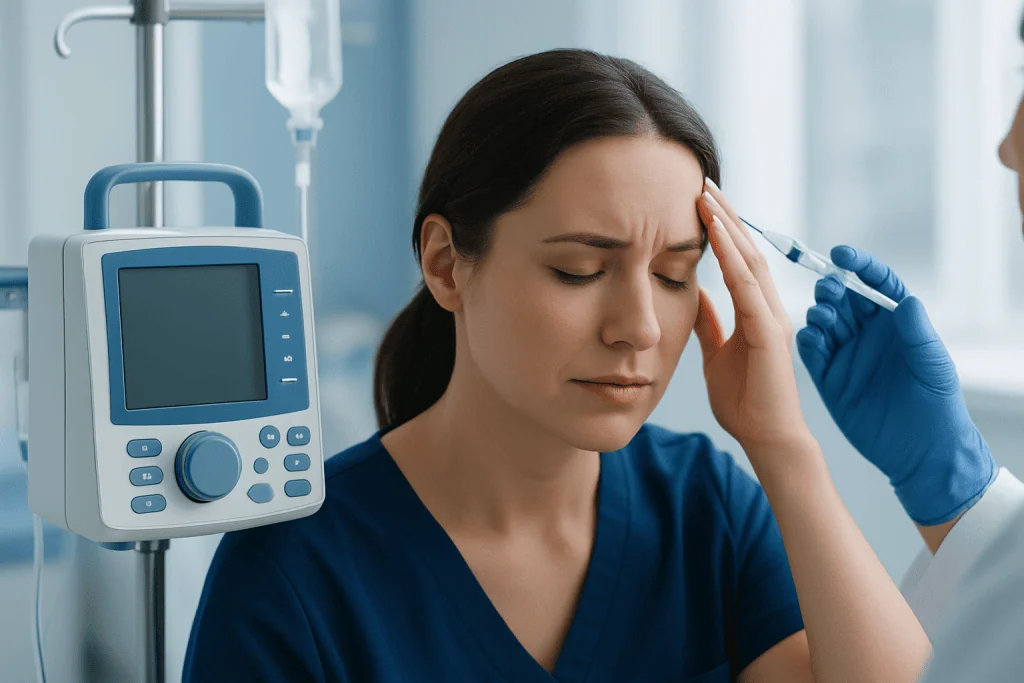
One common cause is simple injection-site irritation. Even though the needles used are very small, the skin, connective tissue, and muscles can become temporarily sensitive after several injections. This may feel like aching, pressure, or tenderness rather than a classic throbbing headache.
Muscle response can also play a role. Botox changes the activity of treated muscles, and nearby muscles may temporarily compensate. In some people, especially when the forehead or scalp area is treated, this shift can create a sensation of tightness or strain that triggers headache symptoms for a short period.
Another possibility is tension related to the procedure itself. Anxiety, clenching the jaw, poor sleep before treatment, or sitting in an uncomfortable position can contribute to a tension-type headache. People who are already prone to headaches may be more likely to notice discomfort after injections.
Less commonly, a headache may be linked to a reaction to the treatment plan rather than the medication alone. This may include treatment too close to sensitive areas, irritation of trigger points, or overlap with existing conditions such as tension headache or neck strain. A qualified clinician can help sort out whether symptoms fit an expected post-procedure pattern.
What the Headache May Feel Like
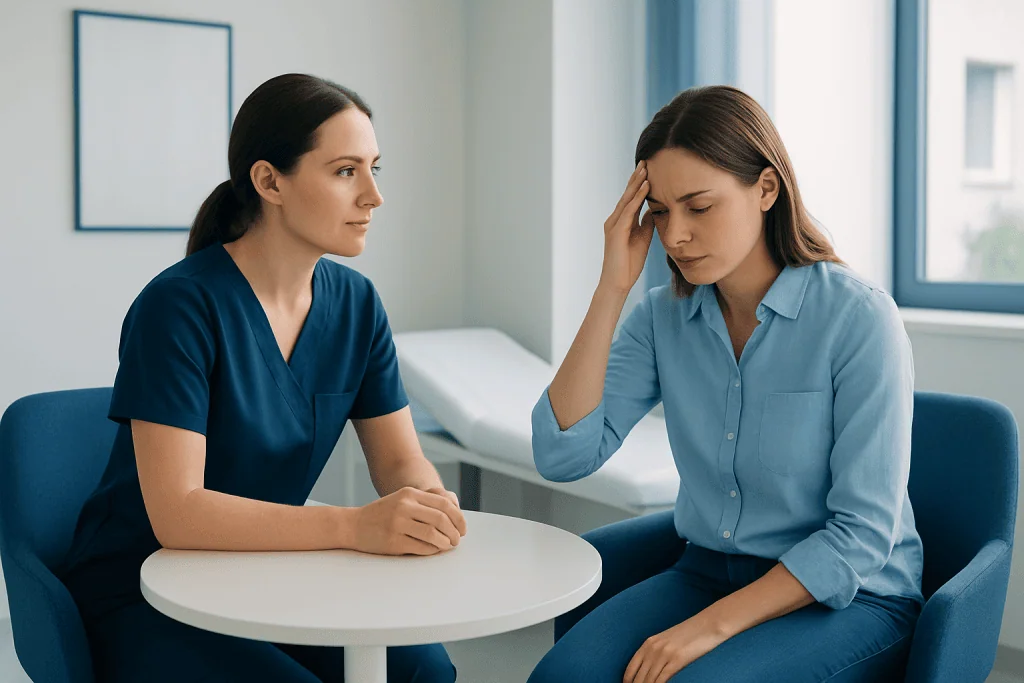
Headache after Botox does not feel the same for everyone. Many people describe a mild frontal headache, scalp tenderness, or a band-like pressure across the forehead or temples. Others report soreness at injection points that seems to spread into a generalized headache.
Timing offers useful clues. A routine post-injection headache often begins within hours or by the next day and gradually improves. It may be accompanied by mild bruising, swelling, or a feeling of tightness where the injections were placed.
People with an existing headache disorder may have a different experience. For example, someone with migraine may notice that the procedure seems to trigger a headache attack before the longer-term benefit of treatment develops. That does not necessarily mean the treatment has failed; with therapeutic Botox, improvement often takes time and may require repeated sessions under specialist supervision.
- Mild pressure or tightness in the forehead or scalp
- Tenderness at injection sites
- Headache starting the same day or within 48 hours
- Temporary worsening of an underlying headache disorder
Related Conditions That Can Be Mistaken for Botox Side Effects
Not every headache after Botox is actually caused by Botox. Tension-type headache is very common and may happen around the same time by coincidence, particularly during stressful periods. It usually causes pressure or tightness rather than severe throbbing pain.
Migraine is another important possibility. Migraine can cause one-sided or generalized head pain, nausea, sensitivity to light or sound, and sometimes visual symptoms. Because migraine naturally comes and goes, an attack may occur shortly after injections without being directly caused by them. In some patients, Botox is itself used as part of migraine treatment when headaches are frequent and chronic.
Sinus pressure, jaw clenching, dental issues, eye strain, and neck muscle problems can also create pain in the forehead, face, or scalp. In cosmetic practice, people may focus on the recent procedure and overlook these other triggers.
Rarely, a severe headache may point to something unrelated but important, such as very high blood pressure, infection, medication overuse, or a neurological problem. This is why the whole symptom picture matters. The presence of fever, confusion, weakness, fainting, or vision loss changes the level of concern and should not be dismissed as a routine Botox effect.
How Doctors Assess Headache After Botox
Evaluation starts with a careful history. A doctor will usually ask when the headache began, how strong it is, where it is felt, whether it is getting better or worse, and whether there are symptoms such as nausea, eyelid drooping, blurred vision, swallowing difficulty, shortness of breath, or muscle weakness. They may also ask about previous headache conditions, recent illnesses, hydration, sleep, and any medicines taken.
A physical examination helps distinguish local post-procedure discomfort from other causes. The clinician may look at the injection sites, examine eye movements and facial symmetry, check the neck and jaw muscles, and assess blood pressure and neurological function. Most routine post-Botox headaches do not require scans or extensive testing.
Further tests are usually reserved for unusual cases, such as severe new headache, red-flag neurological signs, or symptoms that do not fit an expected pattern. If a person has repeated or disabling headaches, specialist assessment may be appropriate through a neurology evaluation or a dedicated headache treatment plan.
Treatment and Self-Care for Mild Symptoms
For a mild headache after Botox, simple self-care is often enough. Rest, hydration, regular meals, and avoiding excess alcohol can help. Some people feel better with a cool compress over tender areas, especially if there is local swelling or bruising.
Over-the-counter pain relief may be appropriate for some patients, but it should be used cautiously and according to a doctor’s or pharmacist’s advice, especially if there are medical conditions, pregnancy, stomach problems, or blood-thinner use. Repeated use of pain medicine can itself contribute to ongoing headaches in some people.
Aftercare instructions matter. Patients are often advised to avoid rubbing the treated area and to follow the injector’s recommendations about physical activity, lying flat, or facial massage in the hours after treatment. These steps are not guaranteed to prevent headache, but they may reduce unnecessary irritation.
If headaches are frequent after Botox sessions, it is worth discussing the pattern with the treating clinician. The injection sites, dose distribution, timing, and the reason for treatment may need review. In some situations, care from specialists in fields such as plastic and reconstructive surgery or neurology can help tailor treatment more precisely.
When to Seek Medical Care
Most headaches after Botox are not emergencies, but certain warning signs should prompt medical attention. A doctor should assess headache that is severe, rapidly worsening, or still significant after several days, particularly if it feels very different from a person’s usual headaches.
Medical review is also important if headache comes with symptoms that suggest the toxin may be affecting nearby muscles or nerves in an unintended way. These may include drooping eyelids, double vision, slurred speech, difficulty swallowing, shortness of breath, generalized weakness, or problems holding the head up.
Urgent assessment is needed for red-flag features such as confusion, fainting, seizure, chest pain, fever, stiff neck, sudden “worst headache,” new numbness, or one-sided weakness. These symptoms are not typical of routine post-Botox discomfort and should be evaluated promptly.
For international patients needing assessment, Acibadem International’s multidisciplinary specialists in JCI-accredited hospitals diagnose and treat headache disorders, neurological symptoms, and procedure-related concerns with coordinated care.
Reducing the Chance of Headache After Future Botox Treatments
Although headache cannot always be prevented, a few practical steps may lower the chance of discomfort. Choosing a properly trained and experienced clinician is one of the most important measures, because injection technique, site selection, and treatment planning all influence the experience after Botox.
Patients can also prepare by arriving well hydrated, eating normally unless told otherwise, and sharing a full medical history. It is helpful to mention any history of migraine, frequent tension headaches, jaw clenching, neck pain, recent infections, or past reactions to injectables. This allows the clinician to adapt the treatment approach.
Keeping expectations realistic is equally important. Some temporary soreness or headache may occur even when the procedure is done correctly. Tracking when symptoms start, how long they last, and what helps can provide useful information before the next session.
- Choose an experienced licensed injector
- Discuss previous headaches or neurological conditions beforehand
- Stay hydrated and avoid arriving sleep-deprived
- Follow aftercare advice closely
- Seek medical review if symptoms are unusual or prolonged
Frequently asked questions
How long does a headache after Botox usually last?
A mild headache after Botox often improves within a few hours to a couple of days. If it lasts longer than several days, becomes more intense, or keeps returning, a doctor should review it.
Is headache after cosmetic Botox different from headache after Botox for migraine?
It can be. After cosmetic Botox, the headache is often related to injection-site irritation or temporary muscle tension. After Botox for migraine, some people may still have early headache symptoms before the longer-term therapeutic benefit becomes noticeable.
Can Botox itself trigger a migraine?
In some people with migraine, the stress of the procedure, local discomfort, or coincidental timing may be followed by a migraine attack. This does not always mean Botox directly caused the migraine, and the pattern should be discussed with a clinician.
Should someone worry about a severe headache after Botox?
A severe or unusual headache deserves attention, especially if it is sudden, worsening, or different from previous headaches. Urgent medical care is important if there are symptoms like weakness, confusion, double vision, trouble swallowing, or shortness of breath.
What can help relieve a mild headache after Botox?
Rest, hydration, regular meals, and avoiding rubbing the treated area may help. Some patients may use simple pain relief if advised by a doctor or pharmacist, but persistent or frequent symptoms should be medically reviewed.
Can a person get Botox again if they had a headache after the last treatment?
Often yes, but it depends on how severe the headache was and whether other symptoms occurred. A qualified clinician can review the previous reaction and decide whether the treatment plan, injection sites, or timing should be adjusted.
References
- American Academy of Neurology
- U.S. Food and Drug Administration
- National Institute of Neurological Disorders and Stroke
- Mayo Clinic
- American Migraine Foundation
This article is for general information only and is not a substitute for professional medical advice. Please consult a qualified doctor about your individual situation.
Explore treatments in Turkey — costs, top hospitals & a free quote
JCI-accredited · board-certified surgeons · reply within 24h
Add us as a Preferred Source to see more of our trusted health content across Google Search, AI Overviews and Discover.