Headache and Iron Deficiency: Common Causes, Related Conditions, and When to See a Doctor
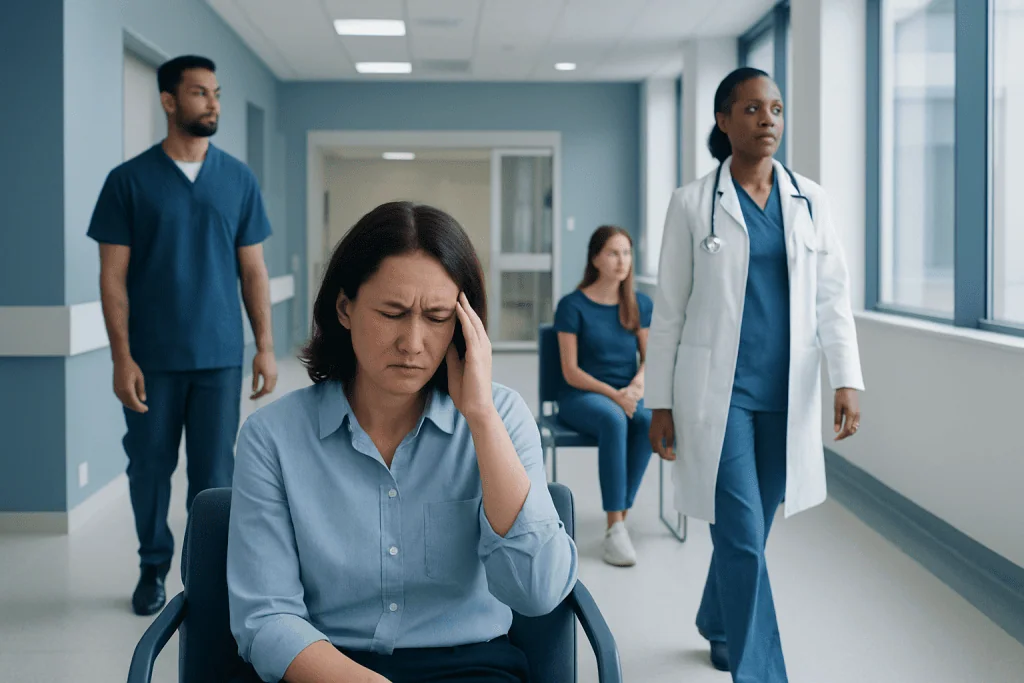
Iron deficiency may contribute to headaches, especially when it causes anemia, fatigue, or reduced exercise tolerance. A headache is not specific to low iron; dehydration, migraine, infection, stress, sleep changes, vision problems, and medication overuse are also common causes.
Key Takeaways
- Iron deficiency may contribute to headaches, especially when it causes anemia, fatigue, or reduced exercise tolerance.
- A headache is not specific to low iron; dehydration, migraine, infection, stress, sleep changes, vision problems, and medication overuse are also common causes.
- Blood tests such as a complete blood count and ferritin test can help confirm iron deficiency and identify anemia.
- Treatment focuses on finding and addressing the reason for iron loss or poor intake, not only taking iron supplements.
- Sudden severe headache or headache with neurological symptoms requires urgent medical assessment.
Headache and iron deficiency can occur together, particularly when iron deficiency has progressed to anemia and the body has less capacity to carry oxygen. However, most headaches are not caused by low iron alone, so persistent or changing symptoms should be assessed in their full clinical context.
How headache and iron deficiency may be connected
Headache and iron deficiency may be connected, particularly when iron stores become low enough to cause iron deficiency anemia. Iron is needed to make hemoglobin, the protein in red blood cells that carries oxygen around the body. When hemoglobin is low, tissues may receive less oxygen than they need, which can contribute to tiredness, light-headedness, reduced concentration, breathlessness on exertion, and sometimes headache.
Not everyone with low iron develops headaches, and not every headache in a person with iron deficiency is caused by it. Headaches are very common and may occur for many reasons, including migraine, tension-type headache, poor sleep, dehydration, skipped meals, viral illness, eye strain, high blood pressure, or frequent use of pain medicines. A clinician can help determine whether iron deficiency is likely to be one contributing factor.
Iron deficiency can be present before anemia develops. At this earlier stage, some people have symptoms while others do not. Testing is the most reliable way to establish whether iron deficiency, anemia, or another health concern is involved.
What an iron-related headache may feel like
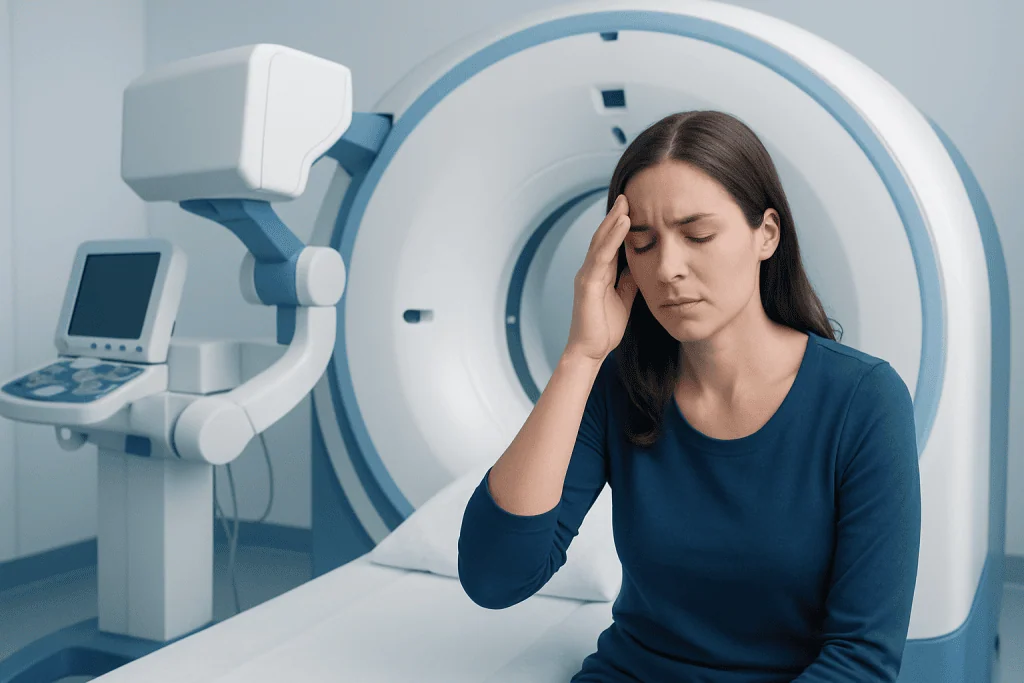
There is no single headache pattern that reliably identifies iron deficiency. Some people describe a dull, generalized pressure or an ache that becomes more noticeable with physical activity, fatigue, or prolonged concentration. Others may have their usual migraine or tension headaches more often when they are run down, sleeping poorly, or eating irregularly because of low energy.
Symptoms that may occur alongside headache and make iron deficiency more worth considering include unusual tiredness, weakness, pale skin, dizziness, shortness of breath with routine activity, palpitations, reduced stamina, cold hands and feet, and difficulty focusing. Some people also develop cravings for non-food items such as ice, a symptom called pica.
These symptoms are not unique to iron deficiency. For example, fatigue and headaches can occur with thyroid disorders, depression, sleep problems, infections, vitamin deficiencies, and many other conditions. It is therefore important not to self-diagnose based on symptoms alone.
Why iron deficiency develops

Iron deficiency occurs when the body’s iron needs exceed the amount absorbed from food, when iron is lost, or when absorption is reduced. Heavy or prolonged menstrual bleeding is a frequent cause in people who menstruate. Pregnancy also increases iron requirements because iron supports the developing fetus and placenta as well as changes in the pregnant person’s blood volume.
Blood loss from the digestive tract is another important possible cause, especially in men and in people after menopause. It may be related to conditions such as ulcers, hemorrhoids, inflammatory bowel disease, polyps, or, less commonly, cancer. Regular use of some medicines, including nonsteroidal anti-inflammatory drugs, may increase the risk of gastrointestinal bleeding in some people.
Dietary intake can contribute, particularly when a diet contains little iron or when nutritional needs are increased during growth, pregnancy, or endurance training. Conditions that interfere with absorption, including celiac disease, inflammatory bowel disease, and prior gastrointestinal surgery, can also play a role. Iron deficiency anemia should be evaluated for its underlying cause rather than treated as a symptom alone.
In infants, children, and teenagers, rapid growth can increase iron needs. Older adults may also be at higher risk due to dietary changes, chronic illness, medicines, or unrecognized blood loss. The most appropriate evaluation depends on a person’s age, medical history, symptoms, and laboratory results.
How doctors evaluate low iron and headaches
A doctor will usually begin by asking about the headache: when it started, where it is felt, how long it lasts, its severity, associated symptoms, triggers, and response to medicines. They may also ask about menstrual bleeding, pregnancy, diet, stomach or bowel symptoms, recent illness, family history, blood donation, and use of medications or supplements.
Blood tests commonly include a complete blood count, which measures hemoglobin and red blood cell characteristics, and ferritin, a marker of stored iron. Additional tests may include serum iron, transferrin saturation, total iron-binding capacity, vitamin B12, folate, thyroid tests, or inflammation markers when clinically appropriate. Ferritin can be affected by inflammation, so results are interpreted alongside the rest of the clinical picture.
When iron deficiency is confirmed, further tests may be needed to identify why it developed. Depending on the person’s circumstances, this can include assessment of heavy menstrual bleeding, testing for conditions that reduce nutrient absorption, or investigation of possible gastrointestinal blood loss. This step is important because replacing iron without addressing the cause may allow the deficiency to return.
Treatment options and practical support
Treatment for headache and iron deficiency focuses on restoring iron levels and managing the underlying reason for the deficiency. A clinician may recommend oral iron supplementation, dietary changes, treatment for heavy periods, or care for a digestive condition that is affecting absorption or causing blood loss. Intravenous iron may be considered when oral iron is not tolerated, is not absorbed effectively, or when faster replacement is clinically needed.
Iron supplements should be taken only as advised by a qualified clinician. They can cause side effects such as nausea, constipation, abdominal discomfort, or darker stools, and excessive iron can be harmful. Follow-up blood tests help show whether treatment is working and whether iron stores have been adequately replenished.
Iron-containing foods include lean meat, poultry, fish, beans, lentils, tofu, fortified cereals, leafy green vegetables, nuts, and seeds. Vitamin C-containing foods can improve the absorption of plant-based iron sources. Tea, coffee, and calcium-rich foods may reduce iron absorption when consumed at the same time as an iron-rich meal or supplement for some people.
If headache symptoms are frequent or disruptive, treatment may also involve identifying headache triggers and discussing appropriate pain relief. Avoid using over-the-counter headache medicines repeatedly without medical advice, as frequent use can itself contribute to medication-overuse headache. Iron infusion treatment may be an option for selected patients after medical assessment.
When to seek medical care
Arrange a medical appointment if headaches are recurring, becoming more frequent, interfering with daily life, or occurring with ongoing fatigue, dizziness, breathlessness, paleness, or heavy menstrual bleeding. A clinician can check for iron deficiency and consider other potential causes. This is especially important during pregnancy, after significant blood loss, or when symptoms occur in a child, teenager, older adult, or person with a long-term medical condition.
Seek urgent medical care for a sudden, severe headache that reaches maximum intensity quickly, sometimes described as a thunderclap headache. Urgent assessment is also needed for headache with fainting, confusion, fever and a stiff neck, seizure, weakness or numbness on one side, trouble speaking, loss of vision, new severe headache after a head injury, or a new headache during pregnancy or soon after delivery.
Contact a doctor promptly for black or tar-like stools, visible blood in stool or vomit, unexplained weight loss, persistent abdominal pain, or heavy bleeding. These symptoms do not always indicate a serious condition, but they can require timely evaluation as possible causes of iron loss.
Reducing risk and planning follow-up
A balanced eating pattern that includes regular iron sources can help support healthy iron levels. People with higher needs, such as those who are pregnant, have heavy periods, follow restrictive diets, donate blood regularly, or have digestive disorders, may benefit from individualized guidance from a doctor or registered dietitian.
Keeping a simple symptom record can be useful. Note headache days, sleep, meals, hydration, menstrual bleeding, medicines, exercise, and associated symptoms. This may help a healthcare professional identify patterns and distinguish a possible iron-related contribution from migraine, tension-type headache, or another cause.
Once treatment begins, symptoms may improve gradually rather than immediately. It is important to attend recommended follow-up appointments and blood tests, even if headaches or fatigue improve, because iron stores may take longer to rebuild than hemoglobin levels. Acibadem International’s multidisciplinary specialists and JCI-accredited hospitals assess iron deficiency and headache symptoms for international patients when coordinated care is needed.
Frequently asked questions
Can low iron cause headaches without anemia?
It may be possible for low iron stores to contribute to fatigue or headaches before anemia is present, but the relationship is not specific or the same for everyone. Because headaches have many causes, blood testing and a clinical assessment are the best way to clarify whether iron deficiency is involved.
Will iron supplements stop an iron deficiency headache?
Headaches may improve if iron deficiency is a contributing cause and the deficiency is treated successfully. Improvement can take time, and iron supplements will not address headaches caused by migraine, dehydration, medication overuse, or other conditions. Supplements should be used according to medical advice.
Which test confirms iron deficiency?
Ferritin is commonly used to assess the body’s iron stores, while a complete blood count can identify anemia and changes in red blood cells. Doctors may use additional iron studies and other tests because ferritin levels can be influenced by inflammation or illness.
Can heavy periods cause low iron and headaches?
Yes. Heavy or prolonged menstrual bleeding can lead to iron loss over time and may cause iron deficiency or iron deficiency anemia. People with heavy periods, fatigue, dizziness, or headaches should discuss their symptoms with a healthcare professional.
What foods help increase iron intake?
Iron is found in meat, poultry, fish, beans, lentils, tofu, fortified grains, leafy green vegetables, nuts, and seeds. Pairing plant-based iron foods with vitamin C-rich foods can support absorption. Food alone may not correct significant iron deficiency, particularly when blood loss or malabsorption is present.
When is a headache an emergency?
A headache needs urgent assessment if it is sudden and extremely severe, follows a head injury, or occurs with weakness, numbness, speech difficulty, confusion, seizure, fainting, fever with a stiff neck, or vision loss. New severe headache during pregnancy or shortly after delivery also requires urgent medical attention.
References
- World Health Organization
- National Heart, Lung, and Blood Institute
- American Society of Hematology
- National Institute of Neurological Disorders and Stroke
- American College of Obstetricians and Gynecologists
This article is for general information only and is not a substitute for professional medical advice. Please consult a qualified doctor about your individual situation.
Explore treatments in Turkey — costs, top hospitals & a free quote
JCI-accredited · board-certified surgeons · reply within 24h
Add us as a Preferred Source to see more of our trusted health content across Google Search, AI Overviews and Discover.
Check your numbers in seconds
BMI, calories, due date, blood pressure and 30+ more clinical calculators — free, instant, doctor-reviewed ranges.

More from the Health Library



Related Specialists

Dr. Helin Kuşsever Topçu
Oral & Dental Health
Pdg. Melek Başaran
Podiatry & Foot Health
Dr. Şenol Coşkun
Cardiology
Prof. Dr. Mehmet Ufuk Abacıoğlu
Radiation Oncology