

Headache Explained: Common Triggers and Red Flags

Most headaches are primary headaches, such as tension-type headache or migraine, and are not caused by a serious brain problem. Common triggers include stress, poor sleep, dehydration, missed meals, alcohol, illness, hormonal changes, and overuse of pain medicines.
Key Takeaways
- Most headaches are primary headaches, such as tension-type headache or migraine, and are not caused by a serious brain problem.
- Common triggers include stress, poor sleep, dehydration, missed meals, alcohol, illness, hormonal changes, and overuse of pain medicines.
- A headache diary can help identify patterns, triggers, and treatment response.
- Seek urgent medical care for a sudden “worst headache,” headache with weakness or confusion, or headache after a head injury.
- Medical evaluation may include a physical and neurologic exam, and sometimes imaging or blood tests depending on symptoms.
Headache is a very common symptom, and many cases are related to tension, migraine, dehydration, infection, lack of sleep, or medication overuse rather than a dangerous condition. Still, some headache patterns are warning signs, especially sudden severe pain, new neurologic symptoms, or headaches that are new and worsening.
What a Headache Can Mean
A headache is pain or pressure felt in the head, face, scalp, or upper neck. In many people, a headache is uncomfortable but not dangerous, and it often improves with rest, fluids, regular meals, stress reduction, or appropriate treatment. The most common causes are primary headache disorders, especially tension-type headache and migraine, rather than a structural problem in the brain.
Doctors often divide headaches into two broad groups. Primary headaches are conditions in themselves, such as migraine or tension-type headache. Secondary headaches happen because of another issue, such as a viral infection, sinus inflammation, high blood pressure in certain settings, medication overuse, head injury, or more rarely bleeding, stroke, or a brain tumor.
The pattern of the headache matters as much as the pain itself. Questions about how quickly it started, where it is located, how long it lasts, what it feels like, and what other symptoms happen at the same time often give the most useful clues. This is why recurring headaches are best understood in context rather than by severity alone.
Common Types and Symptoms
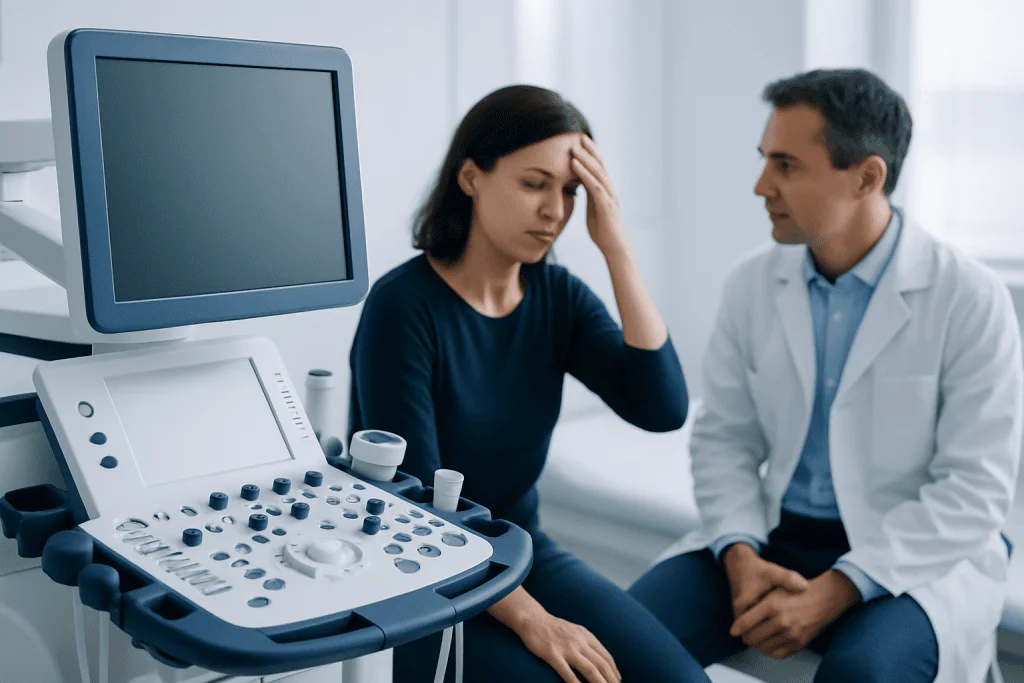
Tension-type headache is often described as a dull, pressing, or tightening pain, sometimes like a band around the head. It may involve the forehead, temples, back of the head, or neck. Some people notice scalp or shoulder muscle tightness, but nausea and sensitivity to light are usually mild or absent.
Migraine commonly causes moderate to severe throbbing or pulsating pain, often on one side but sometimes on both. It may be accompanied by nausea, vomiting, and sensitivity to light, sound, or smell. Some people have aura before or during a migraine, with visual changes such as flashing lights, zigzag lines, blind spots, or temporary numbness or speech difficulty. For related information, patients may also read about migraine.
Cluster headache is less common but usually very intense. It often causes severe pain around one eye, with tearing, eye redness, nasal congestion, drooping eyelid, or a sense of restlessness. Episodes tend to come in clusters over weeks, often at the same time each day.
Secondary headaches can vary widely. A headache from a cold or flu may come with fever and body aches. A medication-overuse headache often becomes frequent or daily and may seem to return as pain medicine wears off. Headache related to sinus disease usually occurs with facial pressure, congestion, and nasal symptoms, although many self-diagnosed “sinus headaches” are actually migraine.
Common Triggers and Risk Factors

Many headaches are linked to everyday triggers rather than illness alone. Common examples include stress, sleep changes, dehydration, skipped meals, caffeine withdrawal, alcohol, eye strain, poor posture, and prolonged screen time. Hormonal shifts during menstruation, pregnancy, or menopause can also play a role, especially in migraine.
Infections, allergies, and upper respiratory conditions may contribute as well. Some people notice headaches after intense exercise, travel, or changes in weather. Certain foods or additives can be triggers in some individuals, though these vary greatly from person to person and are not universal.
Medication use is an important but often overlooked factor. Frequent use of pain relievers for headaches can create a cycle called medication-overuse headache, where the headache becomes more persistent over time. This is one reason a clinician may ask not only what relieves the pain, but how often medications are being taken.
Risk factors for recurrent headache include a personal or family history of migraine, anxiety or depression, poor sleep, chronic pain conditions, and hormonal changes. Identifying patterns is often more useful than trying to find a single cause, especially when headaches recur over months or years.
Red Flags: When a Headache Needs Prompt Attention
Although most headaches are not emergencies, certain symptoms should never be ignored. A sudden, explosive headache that reaches maximum intensity within seconds to minutes can be a warning sign of bleeding around the brain and needs urgent medical evaluation. Many clinicians describe this as a “thunderclap” headache or the worst headache of a person’s life.
Other warning signs include headache with weakness, numbness, confusion, fainting, seizure, trouble speaking, new vision loss, or difficulty walking. These symptoms can suggest a neurologic emergency such as stroke. Severe headache with fever, neck stiffness, or a new rash also requires urgent assessment because it may indicate infection.
Medical care is also important for headache after a head injury, a new headache during pregnancy or after delivery, a new headache in someone older than 50, or a headache in a person with cancer, immune system problems, or a known clotting disorder. A headache that is progressively worsening, wakes someone from sleep repeatedly, or changes clearly from a person’s usual pattern also deserves prompt review.
Shortness of breath, chest pain, very high blood pressure symptoms, or severe dehydration alongside headache should not be managed at home alone. In these situations, the goal is not to assume the cause, but to rule out serious problems quickly and safely.
How Doctors Diagnose the Cause
Diagnosis begins with a careful history. A doctor usually asks when the headache started, how often it happens, where the pain is felt, how severe it is, what it feels like, and whether there are triggers or associated symptoms such as nausea, visual changes, tearing, congestion, fever, or weakness. A person’s medication use, sleep, caffeine intake, and family history are also relevant.
A physical examination typically includes blood pressure measurement and a neurologic exam to check vision, eye movements, strength, coordination, reflexes, and sensation. In many patients with a long-standing pattern consistent with migraine or tension-type headache and no red flags, this evaluation may be enough to guide treatment without extensive testing.
Imaging tests are considered when symptoms suggest a secondary cause. Depending on the situation, doctors may recommend MRI or brain CT to look for bleeding, tumor, stroke, or other structural problems. Blood tests, sinus evaluation, eye examination, or additional neurologic assessment may also be used when clinically appropriate.
Keeping a headache diary can support diagnosis. Recording timing, severity, triggers, menstrual cycle changes, foods, sleep, and response to treatment often helps distinguish migraine, tension-type headache, medication-overuse headache, or headache linked to another illness.
Treatment Options and Relief Strategies
Treatment depends on the type of headache and how often it occurs. For occasional mild headaches, general measures such as hydration, rest, eating regularly, limiting alcohol, and using over-the-counter pain relief appropriately may help. However, if headaches are frequent, disabling, or changing, self-treatment alone is not enough and medical guidance is important.
For migraine, care may involve acute treatments taken during an attack and preventive treatments used to reduce how often attacks happen. Avoiding known triggers, managing stress, maintaining regular sleep, and treating nausea can all be part of the plan. For some patients with frequent or severe symptoms, a doctor may recommend specialized neurology care to confirm the diagnosis and tailor therapy.
Tension-type headache often improves with posture correction, regular breaks from screens, hydration, stress management, and treatment of neck and shoulder muscle strain. If pain relievers are needed too often, a clinician may look for medication-overuse headache and advise a safer long-term strategy.
Secondary headaches improve when the underlying cause is treated. That may mean addressing infection, sinus disease, dehydration, uncontrolled blood pressure, sleep problems, or a neurologic disorder. In more complex cases, further testing or coordinated care may be needed. Near the end of the care pathway, some international patients choose centers such as Acibadem International, where multidisciplinary specialists in JCI-accredited hospitals evaluate and treat headache-related conditions.
Prevention and Self-Care
Headache prevention usually focuses on routine. Drinking enough fluids, sleeping on a consistent schedule, eating regular meals, and not skipping breakfast can reduce attacks in many people. Limiting excess caffeine and avoiding abrupt caffeine withdrawal may also help.
Stress management is another key part of prevention. Relaxation exercises, gentle physical activity, stretching, and reducing prolonged screen use can be useful, especially for tension-type headache. If neck tightness or posture contributes, ergonomic changes at work or home may make a noticeable difference.
A headache diary is one of the most practical self-care tools. It can help people recognize whether headaches are linked to menstruation, alcohol, certain foods, poor sleep, heavy exercise, or missed meals. Once patterns are clear, a doctor can help decide which triggers are realistic to modify and which treatments may prevent attacks.
It is also important to use pain medicines carefully. Taking them too often can make headaches more frequent in some people. Anyone who needs headache medicine regularly should discuss this with a healthcare professional to avoid a rebound pattern and to make sure a more effective plan is in place.
When to Seek Medical Care
Medical advice should be sought if headaches are new, becoming more frequent, unusually severe, or interfering with daily life. An appointment is also wise if there is repeated vomiting, nighttime waking from headache, new headaches after age 50, or headaches that do not respond to usual treatment.
Urgent care is needed for a sudden severe headache, headache with weakness, numbness, trouble speaking, confusion, seizure, fainting, fever with neck stiffness, or headache after significant head trauma. Immediate evaluation is also important during pregnancy or after delivery if a headache is severe, new, or associated with visual symptoms or high blood pressure.
For people living with recurring headaches, a clear medical diagnosis can be reassuring and useful. It helps distinguish common primary headaches from less common but more serious causes, reduces unnecessary worry, and supports a treatment plan that is safer and more effective over time.
Frequently asked questions
What is the most common cause of headache?
The most common causes are primary headache disorders such as tension-type headache and migraine. Everyday factors like stress, poor sleep, dehydration, skipped meals, and illness can also trigger headaches.
How can someone tell if a headache is serious?
A headache may be serious if it starts suddenly and severely, or if it comes with weakness, confusion, fever, seizure, fainting, vision loss, or trouble speaking. Headache after head injury or a clearly new and worsening headache also needs prompt medical evaluation.
Are all one-sided headaches migraines?
No. Migraine often affects one side, but other headache types can also be one-sided, including cluster headache and some secondary headaches. The full symptom pattern is more important than the side of the pain alone.
Can dehydration really cause a headache?
Yes. Dehydration can trigger headache in some people, especially in hot weather, during illness, or after exercise. Drinking fluids regularly and replacing losses can help prevent these headaches.
What is a medication-overuse headache?
This is a headache pattern that can develop when pain-relieving medicines are used too often. The headache may become frequent or daily, and symptoms often return as the medicine wears off. A doctor can help create a safer plan to break this cycle.
When should recurring headaches be checked by a doctor?
Recurring headaches should be assessed if they are increasing in frequency, changing in pattern, interfering with work or sleep, or requiring frequent medication. Medical review is also important if there are any neurologic symptoms or if the person is pregnant, older than 50 with a new headache, or has major medical conditions.
References
- World Health Organization
- National Institute of Neurological Disorders and Stroke
- American Migraine Foundation
- National Headache Foundation
- Mayo Clinic
This article is for general information only and is not a substitute for professional medical advice. Please consult a qualified doctor about your individual situation.
Hair transplant in Turkey — costs, graft counts & a free assessment
JCI-accredited · board-certified surgeons · reply within 24h
Add us as a Preferred Source to see more of our trusted health content across Google Search, AI Overviews and Discover.
Check your numbers in seconds
BMI, calories, due date, blood pressure and 30+ more clinical calculators — free, instant, doctor-reviewed ranges.

More from the Health Library



Related Specialists

Prof. Dr. Atakan Yeşil
Gastroenterology
Dr. Tuğçe Özdemir Gültekin
Neurology
Dr. Asiye Merve Erdoğan
Otorhinolaryngology
Dr. Danyal Gümüş
Orthopedic Surgery & Traumatology