Headache Relief: Which Treatments Help Tension, Migraine, and Sinus Pain?

Different headache types respond to different treatments, so identifying the pattern matters. Tension headaches often improve with hydration, sleep, stress management, and simple pain relief.
Key Takeaways
- Different headache types respond to different treatments, so identifying the pattern matters.
- Tension headaches often improve with hydration, sleep, stress management, and simple pain relief.
- Migraine may require specific treatment and trigger management, especially if headaches are frequent or disabling.
- Many so-called sinus headaches are actually migraine, but true sinus pain usually occurs with nasal symptoms or infection.
- Sudden severe headache, neurologic symptoms, fever, or a major change in headache pattern needs prompt medical assessment.
Headache relief is not one-size-fits-all. The best treatment depends on whether the pain is caused by tension headache, migraine, sinus-related illness, or another medical problem.
Overview: Why headache relief depends on the cause
Headaches are extremely common, but they are not all the same. A person may describe pressure across the forehead, throbbing pain on one side of the head, or facial pain around the cheeks and eyes. These patterns can suggest different headache types, and each type may respond better to certain treatments than others.
The three patterns people often ask about are tension headache, migraine, and sinus-related headache. Tension headaches are usually felt as a dull, tight band or pressure around the head. Migraine often causes moderate to severe pain, sometimes with nausea, light sensitivity, sound sensitivity, or visual symptoms. Sinus headache is generally linked to inflammation or infection in the sinuses and is more likely when headache comes with nasal congestion, facial pressure, thick nasal discharge, or fever.
Because symptoms can overlap, self-diagnosis is not always accurate. For example, many headaches thought to be sinus headaches are actually migraine. Understanding the likely cause helps guide safe and effective headache relief and may prevent overuse of pain medicines, which can sometimes make headaches worse over time.
Symptoms: How tension, migraine, and sinus headaches can feel
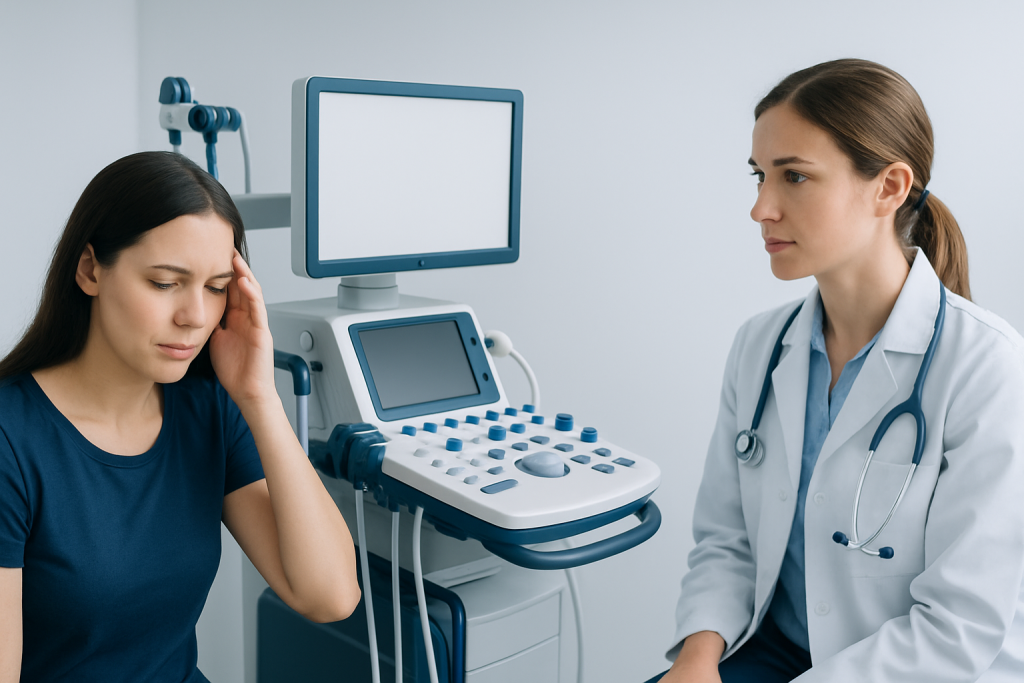
Tension headaches commonly cause a steady, non-throbbing ache or pressure on both sides of the head. The neck, shoulders, and scalp may feel tight or tender. These headaches are often mild to moderate rather than severe, and they usually do not cause vomiting or major sensitivity to light and sound, although mild sensitivity can happen.
Migraine symptoms can vary from person to person. Pain may be one-sided or both-sided and often feels throbbing or pulsating. Migraine frequently comes with nausea, vomiting, sensitivity to light, sensitivity to noise, or a need to rest in a dark, quiet room. Some people have an aura before the headache, such as flashing lights, zigzag lines, numbness, or trouble speaking. Migraine attacks may last for hours or even longer if untreated.
Sinus headache is most likely when headache occurs with other sinus symptoms. These can include facial pressure over the forehead, cheeks, or bridge of the nose; worsening pain when bending forward; blocked nose; thick nasal discharge; reduced sense of smell; fever; or pain in the upper teeth. Without these features, sinus headache becomes less likely, and a clinician may consider migraine or another cause instead.
- Tension headache: tight, pressing, band-like pain
- Migraine: throbbing pain with nausea or light/sound sensitivity
- Sinus headache: facial pressure with nasal symptoms or infection signs
Causes and risk factors

Tension headaches are often linked to everyday triggers rather than a dangerous underlying disease. Common contributors include stress, anxiety, poor posture, jaw clenching, eye strain, dehydration, irregular meals, lack of sleep, and long periods of screen use. Muscle tension in the neck and scalp may play a role, although tension headache is more complex than simply tight muscles.
Migraine has a strong neurologic basis and often runs in families. Triggers can include sleep disruption, skipped meals, dehydration, hormonal changes, alcohol, certain foods, strong smells, bright lights, weather shifts, and stress. Migraine is not just a bad headache; it is a brain-based condition with a pattern of symptoms that may benefit from dedicated care, including migraine evaluation and management when attacks are frequent or disabling.
Sinus headaches usually happen because the sinus lining becomes inflamed or infected, often after a viral upper respiratory infection or because of allergies. Structural problems in the nose can also contribute to chronic sinus symptoms in some people. If facial pain keeps coming back alongside congestion, postnasal drip, or repeated infections, a doctor may consider chronic sinus disease such as sinusitis.
Diagnosis: When a headache should be checked
Doctors diagnose most common headaches by listening carefully to the history and performing a physical examination. The pattern matters: where the pain is felt, how long it lasts, what makes it worse, what other symptoms occur, and how often it happens. A headache diary can be very useful because it helps reveal timing, triggers, and medicine use.
Imaging tests such as CT or MRI are not needed for every headache. They are more likely to be recommended when there are warning signs, abnormal neurologic findings, a sudden dramatic change in the headache pattern, or concern for another condition. For suspected sinus disease, nasal examination and sometimes imaging of the sinuses may be appropriate.
Prompt medical attention is important if a headache is sudden and severe, follows a head injury, occurs with fever and neck stiffness, causes confusion or fainting, or comes with weakness, numbness, seizures, or vision loss. New headaches during pregnancy, after age 50, or in people with cancer or immune suppression also deserve timely assessment.
Treatment options for tension headache
Tension headache treatment often begins with simple supportive measures. Rest, drinking water, eating regular meals, stretching, and correcting posture may all help. Some people benefit from applying a warm compress to the neck or shoulders, reducing screen time, and practicing relaxation techniques such as slow breathing or mindfulness.
Over-the-counter pain relievers can help many tension headaches when used as directed and not too often. However, frequent use can lead to medication-overuse headache, in which the brain becomes more prone to pain between doses. This is one reason recurring headaches should be discussed with a clinician rather than treated repeatedly without a plan.
When tension headaches happen often, treatment may focus on prevention. Stress management, sleep improvement, physical therapy, treatment for jaw clenching, and exercise can all reduce attacks in some people. If symptoms are persistent or complicated by neck pain, some patients may benefit from expert assessment through neurology care to confirm the headache type and rule out other causes.
Treatment options for migraine and sinus headache
Migraine treatment usually includes two parts: relieving the current attack and reducing future attacks. During an attack, many people benefit from resting in a dark, quiet room, drinking fluids, and taking medicines early in the course of symptoms. Depending on the pattern and severity, a doctor may recommend over-the-counter options or migraine-specific prescription treatments. If attacks are frequent, prolonged, or significantly affect daily life, preventive treatment may also be discussed.
Lifestyle habits are a key part of migraine care. Regular sleep, regular meals, hydration, exercise, and trigger awareness can reduce attacks for some people. Because migraine can mimic sinus pain or other headache types, a clear diagnosis matters. In selected cases, broader evaluation in headache treatment services may help guide medication choices, prevention strategies, and follow-up.
True sinus headache improves by treating the sinus problem itself. If symptoms are caused by allergies, doctors may suggest allergy management and nasal therapies. If infection is suspected, treatment depends on whether the cause is viral or bacterial and whether symptoms are severe or prolonged. For ongoing sinus blockage, facial pressure, or recurrent infections, referral for ENT assessment may be helpful to look for inflammation, polyps, or structural causes. Near the end of the care pathway, patients seeking cross-border care may wish to know that Acibadem International’s multidisciplinary specialists and JCI-accredited hospitals diagnose and treat headache-related and sinus-related conditions for international patients.
Prevention and self-care for everyday headache relief
Many people can lower headache frequency by making daily routines more consistent. Staying well hydrated, not skipping meals, getting enough sleep, and limiting excess caffeine are simple but meaningful steps. Long work sessions at a computer should be broken up with posture changes, short walks, and eye rest.
Stress reduction can be especially helpful for both tension headache and migraine. Relaxation exercises, regular physical activity, yoga, and counseling for anxiety or chronic stress may support better headache control. Some people also identify specific triggers, such as alcohol, strong odors, or poor sleep, and benefit from avoiding them where practical.
It is also important to use pain medication carefully. Taking acute headache medicines too frequently can create a cycle of rebound headache. Anyone relying on pain relievers regularly, or noticing that headaches are becoming more frequent, should speak with a qualified doctor to review the diagnosis and create a safer long-term plan.
When to see a doctor
Medical review is a good idea when headaches are becoming more frequent, feel different than usual, interfere with work or sleep, or no longer respond to usual measures. People who have repeated nausea, visual symptoms, dizziness, or facial pressure with recurrent nasal symptoms should also seek assessment, because the diagnosis may not be straightforward.
Urgent medical care is needed for red-flag symptoms. These include a sudden “worst headache” of life, headache with fever and stiff neck, weakness on one side, trouble speaking, confusion, fainting, chest pain, seizure, or a major change after head injury. New headaches in older adults, during pregnancy, or in people with significant medical conditions should not be ignored.
Most headaches are not dangerous, and many can be managed very effectively once the type is understood. A clear diagnosis, sensible self-care, and timely medical advice can help most people find more reliable headache relief and reduce the impact on daily life.
Frequently asked questions
What is the best headache relief for tension headaches?
Tension headaches often improve with rest, hydration, regular meals, gentle stretching, stress reduction, and short-term use of appropriate pain relievers. If they happen often or medicines are needed regularly, a doctor should review the pattern to prevent medication-overuse headache.
How can someone tell the difference between migraine and sinus headache?
Migraine often causes throbbing pain, nausea, and sensitivity to light or sound, and it may occur without nasal symptoms. True sinus headache is more likely when there is facial pressure along with congestion, thick nasal discharge, fever, or symptoms of sinus infection.
Do sinus headaches always mean a sinus infection?
No. Sinus pressure can happen with allergies or other forms of sinus inflammation, and many headaches that feel like sinus pain are actually migraine. A doctor can help distinguish these causes, especially if symptoms keep returning.
When should frequent headaches be evaluated by a doctor?
Frequent headaches should be checked when they are increasing in number, changing in pattern, affecting daily activities, or requiring regular pain medicine. Evaluation is also important if there are neurologic symptoms, repeated vomiting, or other warning signs.
Can stress really cause headaches?
Yes. Stress is a common trigger for tension headaches and can also contribute to migraine attacks in some people. Stress does not mean the pain is imaginary; it means the nervous system may be more likely to produce headache symptoms under strain.
Can over-the-counter painkillers make headaches worse?
They can if used too often. Repeated use of acute pain medicines may lead to medication-overuse headache, where headaches become more frequent or harder to control. This is why recurring headaches deserve a medical review and a longer-term treatment plan.
References
- World Health Organization
- National Institute of Neurological Disorders and Stroke
- American Migraine Foundation
- National Institute for Health and Care Excellence
- American Academy of Otolaryngology–Head and Neck Surgery
This article is for general information only and is not a substitute for professional medical advice. Please consult a qualified doctor about your individual situation.
Migraine in Turkey — costs, top hospitals & a free quote
JCI-accredited · board-certified surgeons · reply within 24h
Add us as a Preferred Source to see more of our trusted health content across Google Search, AI Overviews and Discover.