Healthy Eating During Cancer Treatment: Managing Appetite and Side Effects

Cancer treatment can affect appetite, taste, digestion, swallowing, and energy levels, making flexible meal planning important. Small, frequent meals and nutrient-dense foods can help when appetite is low or weight loss is a concern.
Key Takeaways
- Cancer treatment can affect appetite, taste, digestion, swallowing, and energy levels, making flexible meal planning important.
- Small, frequent meals and nutrient-dense foods can help when appetite is low or weight loss is a concern.
- Food safety is especially important during treatment because some therapies can weaken the immune system.
- Side effects such as nausea, mouth sores, diarrhea, constipation, and taste changes often improve with tailored nutrition strategies.
- Patients should speak with their care team before using supplements, restrictive diets, or herbal products during treatment.
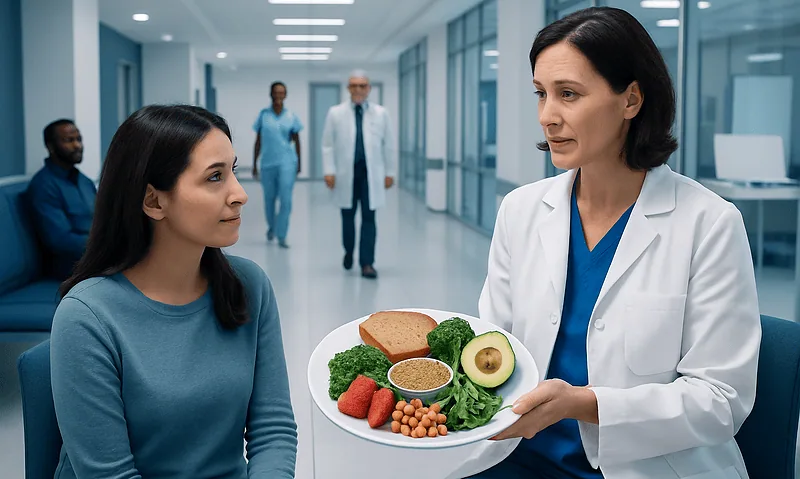
Healthy eating during cancer treatment can help maintain strength, support healing, and make treatment-related side effects easier to manage. Nutrition needs vary from person to person, so advice should be adapted with guidance from the oncology team or a registered dietitian.
Overview
Healthy eating during cancer treatment is not about following a perfect diet. It is about helping the body get enough energy, protein, fluids, vitamins, and minerals while treatment is taking place. Surgery, chemotherapy, radiotherapy, immunotherapy, targeted therapy, and hormonal treatments can all affect eating in different ways. Some people eat normally throughout treatment, while others experience appetite loss, taste changes, nausea, bowel changes, or fatigue.
Good nutrition may help patients maintain body weight and muscle, support immune function, repair tissues, and cope better with daily activities. However, nutrition advice should be individualized. A person with mouth sores may need soft foods, while someone with diarrhea may need temporary changes in fiber and fluid intake. People with diabetes, kidney disease, swallowing problems, or recent surgery may need more specialized guidance.
Patients should avoid feeling guilty if eating becomes difficult. During some phases of cancer treatment, the priority may be to eat what is tolerated rather than to meet an ideal standard of healthy eating. The oncology team and a registered dietitian can help adjust food choices as symptoms change.
Why Appetite and Eating Habits Change

Cancer and its treatments can affect appetite through several pathways. Treatment may irritate the mouth, throat, stomach, or intestines. It may also change hormones, metabolism, taste and smell, mood, sleep, and energy level. Pain, anxiety, constipation, infections, and some medicines can also reduce interest in food.
Common nutrition-related challenges during treatment include early fullness, nausea, vomiting, dry mouth, mouth sores, difficulty swallowing, diarrhea, constipation, bloating, taste changes, and sensitivity to smells. Fatigue can make shopping, cooking, and eating feel difficult. Some patients also feel full quickly because of abdominal swelling, fluid retention, or changes after gastrointestinal surgery.
These changes are usually manageable, but they should be discussed with the care team. Appetite loss that lasts several days, unplanned weight loss, dehydration, or inability to keep food or fluids down may need medical attention. Sometimes medication, symptom control, oral nutrition supplements, or other nutrition support is recommended.
Building a Balanced Cancer Nutrition Plan

A balanced cancer nutrition plan usually includes protein foods, energy-rich carbohydrates, healthy fats, fruits, vegetables, and enough fluids. Protein is especially important because it supports tissue repair, immune function, and maintenance of muscle. Good protein sources include eggs, fish, poultry, lean meat, yogurt, cheese, milk, beans, lentils, tofu, nuts, and nut butters, depending on tolerance and medical advice.
When appetite is good, patients can aim for regular meals with a variety of foods. When appetite is low, smaller meals and snacks may be easier. Nutrient-dense options can provide more nourishment in smaller portions. Examples include yogurt with fruit, soup enriched with beans or chicken, smoothies made with milk or fortified alternatives, eggs on toast, hummus with soft bread, or oatmeal with nut butter.
General strategies that may help include:
- Eating five or six smaller meals instead of three large meals.
- Keeping easy snacks nearby, such as crackers, cheese, yogurt, fruit cups, or trail mix if safe and tolerated.
- Drinking fluids between meals if drinking with meals causes early fullness.
- Choosing softer or moist foods when chewing or swallowing is tiring.
- Adding olive oil, avocado, nut butter, milk powder, or cheese to increase calories when weight loss is a concern.
Managing Nausea, Vomiting, and Early Fullness
Nausea is one of the most common concerns during cancer treatment, although modern anti-nausea medicines can be very helpful. Patients should tell their doctor if nausea is not controlled, because treatment can often be adjusted. Nutrition strategies work best when combined with appropriate medical management.
Many people tolerate bland, low-odor foods better when nauseated. Dry toast, crackers, rice, bananas, applesauce, potatoes, noodles, clear soups, and cold foods may be easier than heavy, greasy, or strongly scented meals. Eating slowly, taking small sips of fluid, and avoiding very large meals can also help. Some patients find that ginger tea or ginger-flavored foods are soothing, but herbal products should be discussed with the care team, especially if used in concentrated form.
For early fullness, it may help to eat small portions every two to three hours and limit large amounts of fluid at mealtimes. Gentle movement after eating, such as a short walk if approved by the doctor, may improve comfort. Persistent vomiting, dizziness, reduced urination, or inability to drink fluids should be reported promptly, as dehydration can develop.
Coping With Taste Changes, Mouth Sores, and Dry Mouth
Taste and smell changes can make familiar foods unpleasant. Foods may taste metallic, bitter, too sweet, or flavorless. Trying different temperatures, textures, and seasonings can help. Cold or room-temperature foods often have less odor. If meat tastes metallic, patients may prefer eggs, dairy foods, fish, beans, lentils, tofu, or poultry served cold. Using plastic utensils may help some people with metallic taste.
Mouth sores or sore throat can make eating painful. Soft, moist foods are usually easier, such as scrambled eggs, smoothies, yogurt, mashed potatoes, oatmeal, soups, custards, soft pasta, and well-cooked vegetables. Acidic, spicy, salty, crunchy, or very hot foods may irritate the mouth. Patients should ask their oncology team about safe mouth rinses and pain control, rather than trying strong or alcohol-based products.
Dry mouth can be improved by frequent sips of water, sugar-free lozenges if safe, moist foods, sauces, gravies, and soups. Good oral care is important during cancer treatment because mouth problems can affect nutrition and infection risk. Any white patches, bleeding, severe pain, or difficulty swallowing should be reported to the care team.
Managing Diarrhea, Constipation, and Hydration
Bowel changes can occur because of chemotherapy, radiotherapy to the abdomen or pelvis, surgery, antibiotics, pain medicines, reduced activity, or changes in diet. Diarrhea can lead to fluid and mineral losses, while constipation can reduce appetite and cause discomfort. The right approach depends on the cause, so patients should inform their oncology team about ongoing bowel symptoms.
During diarrhea, patients may be advised to drink more fluids and choose easy-to-digest foods for a short time, such as rice, bananas, applesauce, toast, potatoes, noodles, eggs, yogurt if tolerated, and clear soups. Very greasy foods, alcohol, large amounts of caffeine, and high-sugar drinks may worsen symptoms for some people. A doctor should be contacted if diarrhea is frequent, severe, bloody, accompanied by fever, or associated with dizziness or dehydration.
For constipation, increasing fluids, gentle physical activity, and fiber may help, but fiber recommendations vary depending on treatment, bowel surgery, or obstruction risk. Foods such as oats, fruits, vegetables, beans, lentils, and whole grains may be useful when appropriate. Patients taking opioid pain medicines may need a planned bowel regimen prescribed by their doctor.
Food Safety, Supplements, and Special Diets
Food safety is important during cancer treatment, especially when white blood cell counts are low or the immune system is weakened. Patients should wash hands often, rinse fruits and vegetables well, cook meat, poultry, fish, and eggs thoroughly, and avoid cross-contamination between raw and cooked foods. Refrigerated foods should be stored safely, and foods past their use-by date should be discarded.
Some patients may be advised to avoid unpasteurized milk or juices, raw or undercooked eggs, raw seafood, undercooked meats, and high-risk ready-to-eat foods. The exact level of restriction depends on the treatment plan and blood counts. The oncology team can explain whether a patient needs extra precautions.
Vitamins, minerals, herbal products, and high-dose antioxidants should not be started without medical guidance. Some supplements can interact with chemotherapy, radiotherapy, surgery, blood thinners, or other medicines. Restrictive diets, fasting plans, or diets that eliminate major food groups may increase the risk of weight loss or nutrient deficiencies during treatment. Patients interested in special diets should discuss them with a qualified clinician or oncology dietitian.
When to See a Doctor or Dietitian
Patients should contact their doctor or oncology nurse if they cannot eat for more than a day, cannot keep fluids down, have signs of dehydration, lose weight unintentionally, or have severe mouth pain, swallowing difficulty, persistent diarrhea, constipation, fever, or uncontrolled nausea. Early support can prevent nutrition problems from becoming more difficult to manage.
A registered dietitian with oncology experience can provide practical meal ideas, adjust nutrition goals, recommend oral nutrition supplements when needed, and help manage symptoms. Dietitians can also support patients with diabetes, kidney disease, digestive surgery, food allergies, or cultural and religious dietary preferences.
For international patients, Acibadem International provides access to multidisciplinary specialists and JCI-accredited hospitals that diagnose and treat cancer and treatment-related nutrition concerns. Any nutrition plan should be coordinated with the patient’s oncologist, because needs can change throughout treatment and recovery.
Frequently asked questions
What should a person eat when they have no appetite during cancer treatment?
Small, frequent meals are often easier than large meals. Nutrient-dense foods such as yogurt, eggs, smoothies, soups, nut butters, cheese, and soft protein foods can provide more nourishment in smaller portions. If appetite loss continues or weight is dropping, the care team or a registered dietitian should be contacted.
Is it safe to eat sugar during cancer treatment?
Sugar does not need to be completely eliminated unless a doctor has advised it for another condition such as diabetes. The body uses glucose for energy, and very restrictive diets can make it harder to maintain weight and strength. A balanced diet that limits excessive sweets but includes enough calories and protein is usually more practical.
Can supplements replace meals during treatment?
Oral nutrition supplements can be helpful when eating enough food is difficult, but they should not automatically replace meals without guidance. Some patients need extra protein or calories, while others have specific restrictions. The oncology team or dietitian can recommend the most suitable option.
What foods help with metallic taste from chemotherapy?
Cold or room-temperature foods may be easier to tolerate because they have less odor. Patients may try plastic utensils, citrus or marinades if the mouth is not sore, and alternative proteins such as eggs, dairy foods, beans, tofu, or fish. Taste changes often improve after treatment, but they should be discussed if they affect eating.
Should cancer patients follow a raw food or juice cleanse diet?
Raw food diets and juice cleanses are not generally recommended during cancer treatment, especially if the immune system is weakened. They may increase infection risk and may not provide enough protein or calories. Any major diet change should be discussed with the oncology team first.
How much water should someone drink during cancer treatment?
Fluid needs vary depending on treatment, body size, fever, vomiting, diarrhea, kidney function, and other medical conditions. Many patients are encouraged to sip fluids throughout the day, but some may need fluid limits. The care team can give individualized guidance.
When is nutrition support needed in cancer care?
Nutrition support may be considered when a patient cannot meet needs by regular food and drinks, is losing weight, or has swallowing or digestive problems. This may include fortified foods, oral nutrition supplements, tube feeding, or intravenous nutrition in selected cases. The decision is made by the medical team based on safety and clinical need.
This article is for general information only and is not a substitute for professional medical advice. Please consult a qualified doctor about your individual situation.
Oncology care in Turkey — second opinion and treatment plan
JCI-accredited · board-certified surgeons · reply within 24h
Add us as a Preferred Source to see more of our trusted health content across Google Search, AI Overviews and Discover.

More from the Health Library

High Protein Foods for Weight Loss: What the Clinical Research Actually Says

Salt Intake: How Sodium Affects Health and Ways to Reduce It

Foods High in Tryptophan: Benefits, Risks, and Safe Use

Castor oil in belly button: Benefits, Side Effects, and What the Evidence Shows
Low Glycemic Index Foods: Benefits, Risks, and Safe Use