Heart Attack Symptoms: What It Can Feel Like and When to Call Emergency Services
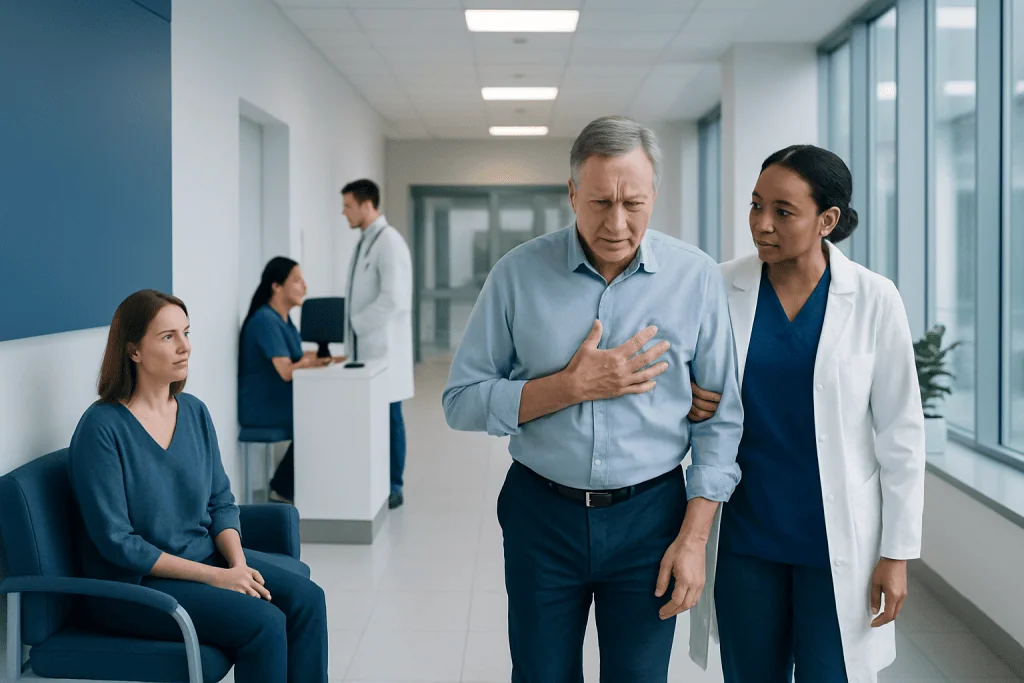
Heart attack symptoms do not always feel the same from person to person. Chest pressure, tightness, or pain is common, but some people mainly notice shortness of breath, nausea, or unusual fatigue.
Key Takeaways
- Heart attack symptoms do not always feel the same from person to person.
- Chest pressure, tightness, or pain is common, but some people mainly notice shortness of breath, nausea, or unusual fatigue.
- Symptoms that last more than a few minutes, or come and go, need urgent medical attention.
- Calling emergency services is safer than trying to drive to the hospital during a possible heart attack.
- Women, older adults, and people with diabetes may have less typical symptoms.
- Quick diagnosis and treatment can reduce heart damage and improve recovery.
Heart attack symptoms often include chest pressure, shortness of breath, sweating, nausea, or pain spreading to the arm, jaw, back, or neck. Fast action matters, and emergency services should be called right away if a heart attack is suspected.
Overview
A heart attack happens when blood flow to part of the heart muscle is suddenly reduced or blocked. Without enough oxygen, heart tissue can become damaged. This is a medical emergency, and recognizing heart attack symptoms early can help a person get treatment as quickly as possible.
Many people expect a heart attack to feel dramatic and unmistakable. In reality, symptoms can be strong or mild, sudden or gradual, classic or less typical. Some people feel crushing chest pain, while others notice pressure, shortness of breath, sweating, nausea, dizziness, or discomfort in the arm, jaw, back, or upper abdomen.
It is also important to know that symptoms may differ by age, sex, and health conditions. Women, older adults, and people with diabetes are more likely to have symptoms that are less typical. Even when symptoms seem mild, they should never be ignored if a heart attack is possible.
What a Heart Attack Can Feel Like
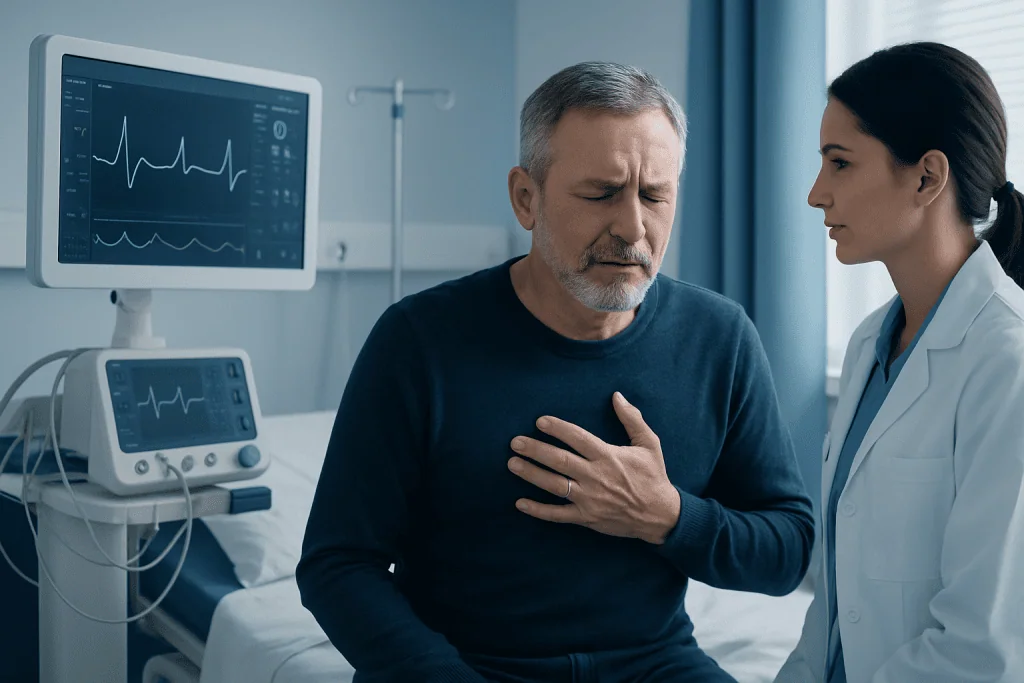
The most commonly reported symptom is chest discomfort. People often describe it as pressure, squeezing, tightness, heaviness, fullness, or burning in the center or left side of the chest. It may last more than a few minutes or come and go. Some people do feel sharp pain, but pressure is a more common description.
Discomfort may spread beyond the chest. A person may feel pain, pressure, or aching in one or both arms, the shoulders, neck, jaw, or upper back. Some notice symptoms in the upper stomach area and mistake them for indigestion or acid reflux.
Other common heart attack symptoms include:
- Shortness of breath
- Cold sweat
- Nausea or vomiting
- Lightheadedness or dizziness
- Sudden weakness
- Unusual fatigue
Some heart attacks begin suddenly, but many start with milder warning signs. Symptoms may build over minutes or hours. If symptoms suggest a heart attack, the safest response is to call emergency services right away rather than waiting to see if they pass.
Symptoms That May Be Less Typical
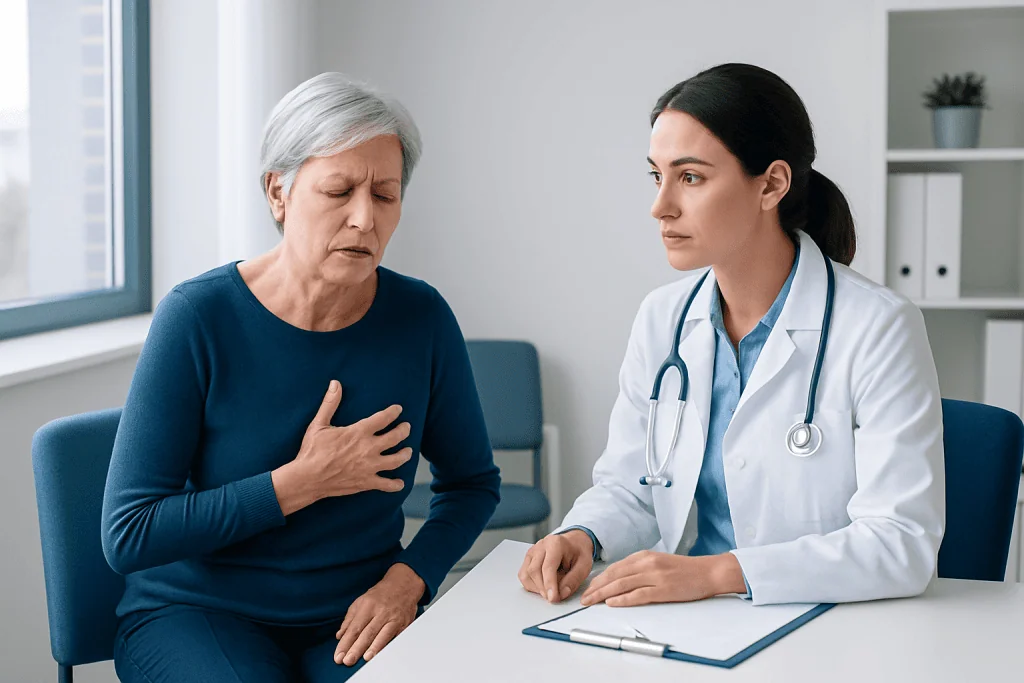
Not every heart attack follows the same pattern. Women may be more likely than men to experience symptoms such as unusual tiredness, nausea, shortness of breath, sleep disturbance, or pain in the back, neck, or jaw instead of severe chest pain. These symptoms are still important and deserve urgent attention.
Older adults may present with weakness, confusion, faintness, or shortness of breath rather than clear chest pain. People with diabetes can also have more subtle symptoms because nerve damage may change how pain is felt. In some cases, chest discomfort is mild or absent.
Because symptoms can vary, a heart attack should be considered any time a person has new, unexplained chest discomfort or a combination of symptoms such as breathlessness, sweating, nausea, and pain spreading to the upper body. It can be helpful to learn about related coronary artery disease, which is a common underlying cause of heart attacks.
Causes and Risk Factors
Most heart attacks happen because a fatty buildup called plaque forms in the coronary arteries, which supply blood to the heart. If a plaque ruptures, a blood clot can form and suddenly block blood flow. This process is usually linked to coronary artery disease, but less common causes are also possible, including severe artery spasm or a tear in a coronary artery.
Several factors can raise the risk of having a heart attack. Some cannot be changed, such as older age and family history. Others are closely linked to lifestyle and overall health.
- High blood pressure
- High cholesterol
- Smoking or tobacco use
- Diabetes
- Obesity
- Physical inactivity
- Chronic stress
- Unhealthy diet
- Excess alcohol use
People who already have heart disease, angina, or narrowed arteries are at higher risk. Understanding personal risk factors can help a person take steps to prevent future problems and seek medical advice early if symptoms appear.
When to Call Emergency Services
Emergency services should be called immediately if a person has chest pressure, tightness, or pain that lasts more than a few minutes, returns after going away, or comes with shortness of breath, sweating, nausea, faintness, or pain spreading to the arm, jaw, neck, or back. It is better to seek help for a false alarm than to delay care during a true heart attack.
Calling emergency services is usually safer than having someone drive the person to the hospital. Emergency teams can begin evaluation and treatment on the way, and they can respond quickly if the person’s condition worsens. A person with suspected heart attack symptoms should sit or rest while waiting for help and avoid physical exertion.
If a doctor has previously advised taking aspirin during suspected heart attack symptoms, that guidance should be followed. Otherwise, a person should wait for instructions from emergency professionals. People should not try to ignore symptoms, drive themselves if they feel unwell, or assume it is only indigestion without medical assessment.
How Doctors Diagnose a Heart Attack
In the emergency setting, doctors assess symptoms, medical history, vital signs, and the timing of the discomfort. An electrocardiogram, also called an ECG or EKG, is one of the first tests used. It records the heart’s electrical activity and can show patterns that suggest a heart attack.
Blood tests are also essential. They look for cardiac biomarkers, such as troponin, that rise when heart muscle is damaged. Because blood test changes may take time to appear, doctors may repeat testing over several hours if the diagnosis is uncertain.
Additional tests can help guide treatment and look for the blocked artery or evaluate heart function. These may include echocardiography, stress-related assessment after stabilization, CT imaging in selected cases, or coronary angiography to see the coronary arteries directly. The exact approach depends on symptoms, ECG findings, and overall stability.
Treatment and Recovery
Heart attack treatment aims to restore blood flow quickly, protect the heart muscle, and prevent complications. In many cases, treatment involves medicines to reduce clotting and support the heart, along with urgent procedures to open the blocked artery. A common emergency treatment is angioplasty and stent placement, which can reopen a narrowed or blocked coronary artery.
Some people may need other procedures depending on the extent of coronary artery disease and the number of blocked vessels. In selected situations, doctors may recommend coronary artery bypass grafting if blood flow cannot be restored adequately with other methods. After emergency treatment, rehabilitation and long-term follow-up are important parts of recovery.
Recovery usually includes medicines, heart-healthy lifestyle changes, and regular medical care. A doctor may recommend stopping smoking, improving diet, becoming more physically active when safe, controlling blood pressure and cholesterol, and managing diabetes. Some patients benefit from cardiac rehabilitation, a supervised program designed to improve strength, confidence, and heart health after a cardiac event.
Near the end of the treatment pathway, some international patients seek care at centers with coordinated cardiology services. Acibadem International’s multidisciplinary specialists and JCI-accredited hospitals diagnose and treat heart conditions for international patients.
Prevention and When to See a Doctor
Preventing a heart attack starts with managing risk factors. Regular checkups can help identify high blood pressure, high cholesterol, diabetes, and early signs of heart disease. Stopping smoking, following a balanced diet, staying active, maintaining a healthy weight, sleeping well, and taking prescribed medicines as directed all support heart health.
Anyone with repeated chest discomfort on exertion, breathlessness, or decreasing exercise tolerance should make a medical appointment even if symptoms go away with rest. These can be warning signs of reduced blood flow to the heart before a heart attack occurs. A doctor can evaluate symptoms and decide whether further testing is needed.
Urgent medical care is needed immediately for possible heart attack symptoms. A person should not wait for severe pain before acting. If there is sudden chest pressure, spreading pain, shortness of breath, faintness, cold sweat, or nausea that raises concern for a heart attack, emergency services should be called without delay.
Frequently asked questions
Can a heart attack happen without severe chest pain?
Yes. Some heart attacks cause mild chest discomfort or no obvious chest pain at all. Shortness of breath, nausea, sweating, unusual fatigue, dizziness, or pain in the jaw, back, or arm may be the main symptoms.
How long do heart attack symptoms usually last?
Symptoms often last more than a few minutes or may come and go. Any ongoing or recurrent symptoms that suggest a heart attack should be treated as an emergency, even if they seem mild at first.
Is it safe to drive to the hospital during a possible heart attack?
In most cases, calling emergency services is safer than driving. Emergency responders can monitor the person, begin treatment on the way, and react quickly if symptoms suddenly worsen.
Can indigestion feel like a heart attack?
Yes, the sensations can sometimes overlap. Pressure, burning, or discomfort in the chest or upper abdomen may be mistaken for indigestion, which is why new or unexplained symptoms should be assessed urgently, especially if they occur with sweating, shortness of breath, or pain spreading to the upper body.
Are heart attack symptoms different in women?
They can be. Women may still have chest discomfort, but they are also more likely to report symptoms such as nausea, unusual tiredness, shortness of breath, or pain in the jaw, neck, or back.
What should someone do while waiting for emergency help?
They should stop activity, sit or lie down, and stay as calm as possible. They should unlock the door if practical, keep a phone nearby, and follow any instructions given by emergency dispatch or their doctor.
References
- World Health Organization
- American Heart Association
- National Heart, Lung, and Blood Institute
- Centers for Disease Control and Prevention
- European Society of Cardiology
This article is for general information only and is not a substitute for professional medical advice. Please consult a qualified doctor about your individual situation.
Persistent digestive symptoms? Get evaluated in Turkey
JCI-accredited · board-certified surgeons · reply within 24h
Add us as a Preferred Source to see more of our trusted health content across Google Search, AI Overviews and Discover.
Check your numbers in seconds
BMI, calories, due date, blood pressure and 30+ more clinical calculators — free, instant, doctor-reviewed ranges.

More from the Health Library



Related Specialists

Prof. Dr. Coşkun Çeltik
Pediatrics
Prof. Dr. Metin Uzun
Orthopedic Surgery & Traumatology
Assoc. Prof. Dr. Yeşim Çimen
Physical Medicine & Rehabilitation
Dr. Fatih Kaya
General Surgery