Heart Valve Replacement: Procedure, Recovery and Results

Heart valve replacement may be recommended when valve disease causes significant symptoms, affects heart function, or is likely to lead to complications. Replacement valves may be mechanical or biological; each option has different durability, medication, and lifestyle considerations.
Key Takeaways
- Heart valve replacement may be recommended when valve disease causes significant symptoms, affects heart function, or is likely to lead to complications.
- Replacement valves may be mechanical or biological; each option has different durability, medication, and lifestyle considerations.
- Open surgery usually requires a longer recovery than minimally invasive or catheter-based procedures, but recovery varies widely between individuals.
- Cardiac rehabilitation, wound care, activity progression, and regular follow-up are important parts of recovery.
- New or worsening chest pain, severe breathlessness, fainting, fever, or signs of stroke require urgent medical assessment.
Heart valve replacement is a procedure that replaces a severely narrowed or leaking heart valve with a mechanical or biological valve to improve blood flow through the heart. The best approach, expected recovery, and long-term results depend on the valve involved, the person’s overall health, and whether surgery or a catheter-based treatment is used.
Overview: What Heart Valve Replacement Does
Heart valve replacement is a treatment for a heart valve that has become severely narrowed, stiff, or leaky. The heart has four valves—the aortic, mitral, tricuspid, and pulmonary valves—which open and close in sequence to keep blood moving in the correct direction. When a valve does not work properly, the heart may have to pump harder, and reduced forward blood flow can affect everyday activity and long-term heart function.
During replacement, the damaged valve is removed or, in some procedures, a new valve is placed inside it. The new valve may be mechanical, made from durable manufactured materials, or biological, made from animal tissue or donated human tissue. The procedure can be performed through conventional open-heart surgery, selected minimally invasive surgical techniques, or a catheter-based approach for some people with aortic valve disease.
The aim is to relieve the strain caused by severe valve disease, improve symptoms where possible, and protect heart function. Heart valve replacement is not always the first treatment; regular monitoring, medicines, or valve repair may be appropriate in earlier stages. The decision is individualized and made after a careful assessment by a heart team.
How It Works and Who May Be a Candidate
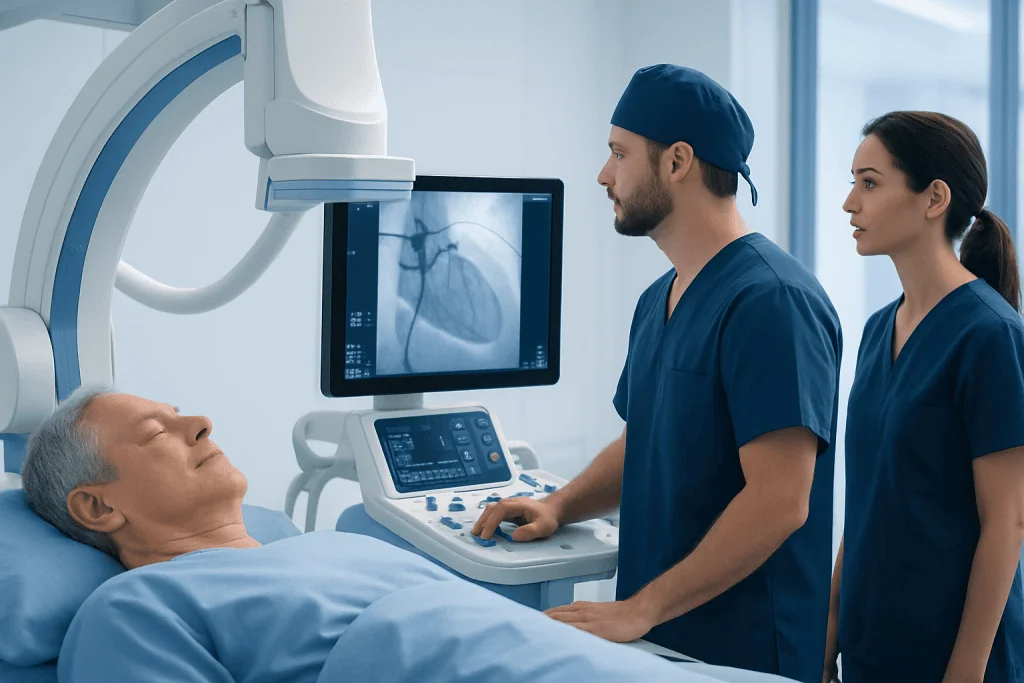
Valve replacement works by restoring a more effective one-way pathway for blood. It may be considered for severe stenosis, meaning narrowing of a valve opening, or severe regurgitation, meaning backward leakage through a valve. Aortic and mitral valve disease are among the most common reasons for intervention, although other valves may also need treatment.
A person may be considered for heart valve replacement when symptoms such as breathlessness, chest discomfort, fatigue, dizziness, fainting, palpitations, or leg swelling are related to significant valve disease. It may also be recommended before symptoms become severe if scans show that the heart is enlarging, weakening, or at risk of irreversible damage.
Suitability depends on the affected valve, severity of disease, age, anatomy, heart pumping function, kidney and lung health, previous operations, infection risk, and personal priorities. The team also considers whether valve repair is feasible and whether open surgery or a catheter procedure provides the safest, most appropriate option. Related conditions such as aortic stenosis may be evaluated with the same detailed heart-team approach.
Mechanical valves are designed for long durability but generally require lifelong anticoagulant medication to reduce clot risk. Biological valves often do not require lifelong anticoagulation solely because of the valve, but they can gradually wear out over time. A cardiologist and cardiac surgeon can explain the trade-offs in the context of the individual’s needs.
Heart Valve Replacement Procedure: Step by Step

Before the procedure, patients usually have blood tests, an electrocardiogram, echocardiography, and imaging to define the valve anatomy. Some people also need coronary artery assessment. The clinical team reviews current medicines, allergies, dental health, and any history of bleeding or infection. Instructions about eating, drinking, and medicines before admission should always come from the treating team.
For open-heart valve replacement, the procedure is performed under general anesthesia. The surgeon reaches the heart through an incision in the chest, and a heart-lung machine temporarily supports circulation while the valve is replaced. In some cases, less invasive surgical incisions may be possible. The operation may also be combined with other necessary treatment, such as coronary artery bypass surgery.
For selected people with severe aortic stenosis, transcatheter aortic valve replacement may be an alternative to open surgery. A replacement valve is delivered through a catheter, often inserted through an artery in the groin, and positioned within the diseased valve. This option is not suitable for every type of valve problem or every patient, so careful imaging and specialist assessment are essential. Heart valve replacement assessment and treatment can help determine the most suitable pathway.
After the procedure, patients are monitored closely in an intensive or high-dependency setting before moving to a regular cardiac ward. The team checks heart rhythm, blood pressure, breathing, wound healing, kidney function, pain control, and the function of the new valve.
Benefits, Risks and Expected Results
When recommended at the right time, heart valve replacement can improve blood flow and reduce the workload on the heart. Many people notice less breathlessness, better exercise tolerance, fewer episodes of dizziness or chest pressure, and improved ability to manage everyday tasks. Improvement may be gradual, particularly when symptoms or reduced fitness have been present for a long time.
Like all major heart procedures, valve replacement carries risks. These can include bleeding, infection, irregular heart rhythms, stroke, blood clots, kidney problems, breathing complications, reactions to anesthesia, and, rarely, death. Specific risks vary by procedure type, medical history, age, valve condition, and whether the operation is urgent or combined with another heart procedure.
Mechanical valves can be associated with clotting or bleeding risks related to anticoagulant treatment. Biological valves may eventually degenerate and may need another intervention. Some people experience temporary rhythm disturbances after surgery, while others may need a pacemaker. Regular echocardiograms and cardiology follow-up help detect concerns early.
Long-term results are influenced by the underlying heart condition, success of the procedure, control of blood pressure and other health conditions, smoking status, physical activity, medicines, and consistent follow-up. A replacement valve treats the valve problem, but it does not remove the need for lifelong heart care.
Heart Valve Replacement Recovery Timeline
The heart valve replacement recovery timeline differs substantially between open surgery and catheter-based treatment. After open-heart surgery, the heart valve replacement recovery time in hospital is often around several days to a week, depending on progress and any complications. After a catheter-based aortic valve procedure, some people may go home sooner, but the timing is still individualized.
During the first days after surgery, tiredness, soreness around the incision, disrupted sleep, appetite changes, and emotional ups and downs are common. Breathing exercises, short walks, pain management, and gradual return to eating and movement support recovery. The clinical team will advise on wound care, showering, lifting restrictions, driving, and the safe progression of daily activities.
For many people, the heart valve replacement surgery recovery period after an open procedure extends over six to twelve weeks, although complete recovery may take longer. The breastbone needs time to heal, and stamina generally rebuilds step by step. Cardiac rehabilitation can provide supervised exercise, education, and practical support for a safe return to activity.
The heart valve replacement recovery period is not a race. Recovery may be slower in older adults, people with other medical conditions, or those who had reduced heart function before surgery. Patients should attend all follow-up appointments and discuss symptoms rather than comparing their progress with someone else’s.
How long does it take to recover from open heart valve surgery?
Most people need about six to twelve weeks to recover from open heart valve surgery enough to resume many usual daily activities, although full energy and fitness can take several months to return. The precise heart valve replacement surgery recovery time depends on the operation performed, healing of the breastbone, other health conditions, and participation in rehabilitation. The treating team provides the most reliable timeline for work, driving, travel, and exercise.
Life After Replacement: Energy, Feelings and Life Expectancy
Will I have more energy after heart valve replacement?
Many people have more energy after heart valve replacement because the heart can pump blood more efficiently and symptoms such as breathlessness and fatigue may lessen. Improvement is often progressive rather than immediate, as the body recovers from the procedure and cardiovascular fitness is rebuilt. Some people may continue to have fatigue if they have other heart, lung, sleep, blood, or mental health conditions, so persistent symptoms should be discussed with a clinician.
How will I feel after an aortic valve replacement?
Immediately after an aortic valve replacement, it is common to feel tired, sore, emotionally sensitive, and less physically strong than usual. Shortness of breath and energy levels often improve over subsequent weeks or months, but recovery varies based on whether the procedure was surgical or catheter-based and on heart health before treatment. New severe breathlessness, chest pain, fainting, or a sudden decline in well-being should not be assumed to be normal recovery.
What is the average life expectancy of a person who has had heart valve replacement surgery?
There is no single average life expectancy that applies to everyone after heart valve replacement surgery. Outcomes depend on the original valve condition, age, heart function, other medical conditions, type of replacement valve, procedure type, and ongoing care. For many people, successful treatment of severe valve disease supports a longer and more active life, but an individual prognosis should be discussed with the cardiology and cardiac surgery team.
Long-term care may include medicines, blood-thinning treatment when indicated, dental hygiene, vaccination advice, heart-healthy habits, and periodic imaging. Patients should tell dentists and other clinicians that they have a replacement valve, as they may need tailored advice for certain procedures or infections.
Self-Care and When to Seek Medical Care
After discharge, recovery is supported by taking medicines exactly as prescribed, attending cardiac rehabilitation if offered, avoiding tobacco, eating a balanced diet, and gradually increasing activity under medical guidance. Good oral hygiene and routine dental care are important because bacteria from oral infections can occasionally affect heart valves. People taking anticoagulants should follow the monitoring and safety advice provided by their care team.
Contact the treating team promptly for increasing redness, warmth, swelling, discharge, or opening of a surgical wound; fever; persistent vomiting; worsening swelling; fast or irregular heartbeat; or breathlessness that is increasing rather than improving. These symptoms do not always mean there is a serious problem, but they need timely assessment.
Seek emergency medical care for severe or persistent chest pain, severe difficulty breathing, fainting, coughing blood, sudden weakness or numbness on one side of the body, trouble speaking, facial drooping, or uncontrolled bleeding. These symptoms need urgent evaluation regardless of whether they occur soon after a procedure or later.
Acibadem International’s multidisciplinary cardiology and cardiac surgery specialists at JCI-accredited hospitals evaluate and treat valve disease for international patients, with care plans that include procedure selection, recovery support, and long-term follow-up.
Frequently asked questions
Is heart valve replacement a major operation?
Open heart valve replacement is a major operation because it involves general anesthesia, chest surgery, and a period of monitored recovery. However, some aortic valve replacements can be performed using a catheter-based approach, which may involve a shorter hospital stay for appropriate candidates. The level of risk depends on the procedure and the person’s overall health.
Can a heart valve be repaired instead of replaced?
Yes, some valves can be repaired, particularly certain mitral and tricuspid valve problems. Repair may preserve the person’s own valve and avoid some issues associated with replacement valves. Whether repair is possible depends on the valve anatomy and the cause and severity of the disease.
How long do replacement heart valves last?
Mechanical valves are designed to be very durable, but they usually require lifelong anticoagulant treatment. Biological valves may wear down over time, with durability varying according to age, valve type, and other factors. Regular follow-up helps clinicians monitor valve function and plan care if changes occur.
What activities should be avoided after open heart valve surgery?
In the early weeks, patients are generally advised to avoid heavy lifting, strenuous pushing or pulling, and driving until their surgical team confirms it is safe. Walking and prescribed breathing exercises are commonly encouraged, with activity increased gradually. Individual restrictions may differ, especially if there were complications or additional procedures.
Will I need blood thinners after heart valve replacement?
People with mechanical valves usually need lifelong anticoagulant medication to help prevent blood clots. Those with biological valves may need blood-thinning treatment for a limited time or longer if they have another reason, such as atrial fibrillation. The appropriate medicine and monitoring plan should be determined by the treating cardiology team.
Can a replacement heart valve become infected?
A replacement valve can develop an infection called infective endocarditis, although this is uncommon. Good dental hygiene, prompt treatment of infections, and telling healthcare professionals about the valve are important preventive measures. Fever with chills, new worsening breathlessness, or feeling significantly unwell should be assessed promptly.
References
- American Heart Association
- American College of Cardiology
- European Society of Cardiology
- National Heart, Lung, and Blood Institute
- Mayo Clinic
This article is for general information only and is not a substitute for professional medical advice. Please consult a qualified doctor about your individual situation.
Explore treatments in Turkey — costs, top hospitals & a free quote
JCI-accredited · board-certified surgeons · reply within 24h
Add us as a Preferred Source to see more of our trusted health content across Google Search, AI Overviews and Discover.
Check your numbers in seconds
BMI, calories, due date, blood pressure and 30+ more clinical calculators — free, instant, doctor-reviewed ranges.