Heather O’Rourke Channel 7 Surgery: Procedure, Recovery and Results

Heather O'Rourke died in 1988 after an acute intestinal obstruction complicated by infection and cardiopulmonary arrest. A bowel obstruction can be a medical emergency because it may reduce blood supply to part of the intestine or cause perforation.
Key Takeaways
- Heather O'Rourke died in 1988 after an acute intestinal obstruction complicated by infection and cardiopulmonary arrest.
- A bowel obstruction can be a medical emergency because it may reduce blood supply to part of the intestine or cause perforation.
- Treatment depends on the cause and severity and can range from hospital monitoring to urgent surgery.
- Persistent abdominal pain, vomiting, bloating and inability to pass stool or gas require prompt medical assessment.
- Recovery after bowel surgery varies with the underlying cause, the type of procedure and any complications.
Heather O'Rourke Channel 7 surgery searches commonly relate to reports about the child actor's sudden illness and emergency medical care in 1988. Her death was associated with an acute intestinal obstruction and severe infection; this article explains bowel obstruction in general, including diagnosis, treatment, recovery and warning signs.
Overview: what does Heather O'Rourke Channel 7 surgery refer to?
Searches for “Heather O’Rourke Channel 7 surgery” are generally connected with news coverage and public discussion of the late American actor Heather O’Rourke, who died in 1988 at age 12. Publicly reported medical findings described an acute intestinal obstruction that was complicated by severe infection and cardiopulmonary arrest. This was not a planned or cosmetic operation; it concerned a sudden, serious abdominal illness.
An intestinal or bowel obstruction occurs when the small or large intestine is partly or completely blocked. Food, fluid and gas cannot move normally through the digestive tract. Some partial obstructions can be managed without an operation, while complete obstruction, reduced intestinal blood flow, a tear in the bowel or widespread infection may require emergency surgery.
This article addresses the medical condition rather than attempting to reconstruct an individual patient’s care. Any person with possible symptoms of a bowel obstruction should be assessed promptly by a qualified clinician, as the appropriate treatment depends on examination findings, imaging and the cause of the blockage.
How a bowel obstruction affects the body
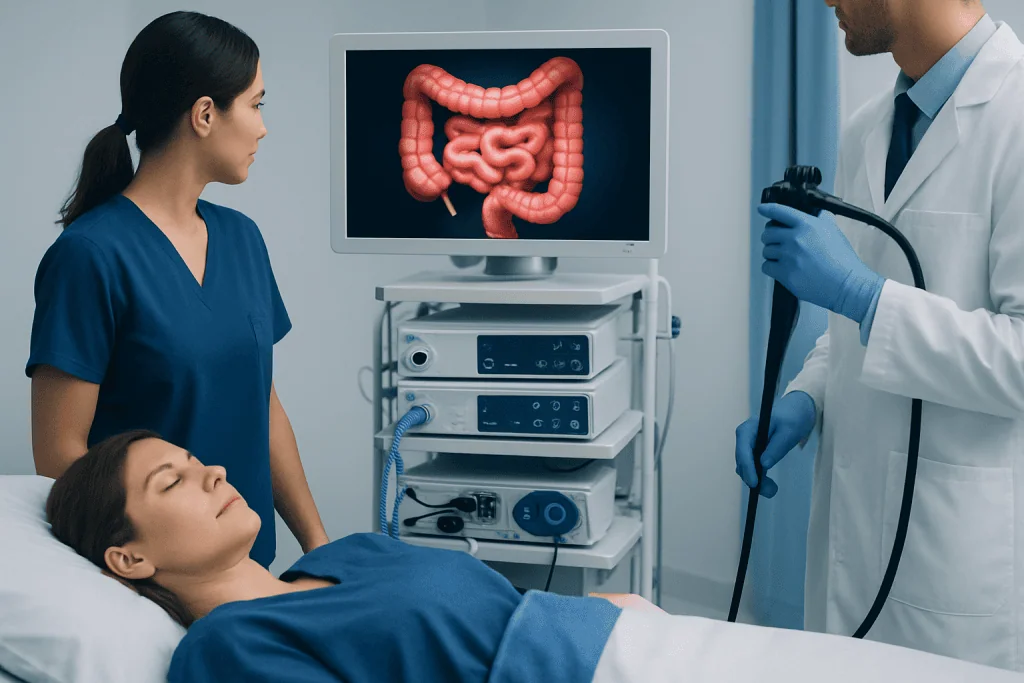
The intestines use coordinated muscular contractions to move digested food, liquids and waste forward. A physical blockage can interrupt this process. Fluid and gas may build up above the blockage, causing swelling of the intestine, abdominal distension, cramping and vomiting. The location of the blockage influences symptoms: obstruction higher in the small intestine may lead to earlier vomiting, whereas a lower obstruction may cause prominent bloating and constipation.
In some cases, pressure within the bowel increases enough to impair its blood supply. This can damage intestinal tissue and raise the risk of a perforation, in which a hole develops in the bowel wall. Bacteria and bowel contents can then enter the abdominal cavity, potentially causing peritonitis or sepsis. These complications need urgent hospital treatment.
Not all problems with bowel movement are mechanical obstructions. Ileus is a temporary slowing or stopping of bowel movement without a physical blockage, often after surgery, severe illness or certain medicines. A medical team distinguishes these conditions because their management may differ.
What medical condition did Heather O'Rourke have?

According to publicly reported findings from 1988, Heather O’Rourke had an acute intestinal obstruction. Reports described narrowing or blockage of the bowel associated with a congenital intestinal abnormality, followed by severe infection and cardiopulmonary arrest. A congenital abnormality is a condition present from birth, although symptoms may not always be recognized early in life.
Many bowel obstructions have different causes. In adults, scar tissue called adhesions after previous abdominal surgery is common. Other possible causes include hernias, inflammatory bowel disease, tumors, twisting of the bowel (volvulus), severe constipation in selected situations, or narrowing caused by inflammation. In children, causes may include congenital conditions, intussusception, hernias or twisting of the bowel.
A bowel obstruction is not diagnosed solely from symptoms or a person’s medical history. Clinicians consider age, prior operations, medications, examination findings, blood tests and imaging before recommending care. Related digestive conditions can be evaluated within Crohn's disease care when inflammation is suspected as a contributor to intestinal narrowing.
Candidacy and diagnosis: when is surgery considered?
Anyone suspected of having a bowel obstruction should be evaluated in a hospital setting. The first priorities are assessing hydration, pain, blood pressure, infection risk and signs that the bowel may be injured. Doctors ask about prior abdominal operations, hernias, cancer, inflammatory bowel disease, changes in stool or gas passage, vomiting and the timing of symptoms.
Testing commonly includes blood tests and abdominal imaging. CT scanning is often especially useful for identifying the location and likely cause of an obstruction and for detecting warning signs such as bowel ischemia, perforation or an internal hernia. X-rays, ultrasound or contrast studies may also be used in selected circumstances, particularly for children or pregnancy, where imaging decisions are individualized.
Surgery may be recommended if there is a complete obstruction, concern that the bowel is losing blood supply, perforation, peritonitis, a strangulated hernia, worsening symptoms, or failure of non-operative treatment. The decision is made by a surgical team based on the person’s overall condition and the likely cause; surgery is not necessary for every partial obstruction.
Step-by-step: how bowel obstruction surgery works
Before an emergency operation, the care team stabilizes the patient as much as possible. This may include intravenous fluids, correction of electrolyte disturbances, pain and nausea relief, antibiotics when infection is suspected, and placement of a nasogastric tube through the nose into the stomach to relieve pressure. In urgent situations, these measures occur alongside rapid preparation for surgery.
The operation is performed under general anesthesia. Depending on the situation, a surgeon may use minimally invasive laparoscopic techniques or an open abdominal incision. The surgeon identifies the obstruction and treats its cause, for example by releasing scar tissue, repairing a hernia, untwisting bowel, removing an obstructing lesion or treating another structural problem.
If a segment of intestine has been severely damaged or has lost its blood supply, it may need to be removed. The healthy ends can sometimes be reconnected, called an anastomosis. In other situations, a temporary or permanent stoma may be needed to divert stool into a bag while the bowel heals. colon surgery and other abdominal procedures are planned individually according to the location, cause and urgency of the problem.
The aims of surgery are to safely relieve the blockage, protect healthy bowel where possible and prevent or treat life-threatening complications. The specific approach, expected hospital stay and future bowel function cannot be predicted without knowing the individual diagnosis and operative findings.
Benefits, risks and recovery timeline
When surgery is needed, its main benefit is prompt treatment of an obstruction that could otherwise lead to bowel injury, perforation or severe infection. For some patients, less invasive approaches and early mobilization may support recovery. However, the benefits and risks must be considered against the seriousness of the obstruction and the person’s age, medical conditions and nutritional status.
Possible surgical risks include bleeding, wound infection, blood clots, pneumonia, leakage at a bowel connection, abscess formation, recurrent obstruction and adverse reactions to anesthesia. Emergency surgery can carry greater risk than planned surgery because the patient may be dehydrated, infected or physiologically unstable. The treating team explains relevant risks and obtains consent when circumstances allow.
After surgery, recovery begins with monitoring, pain control, breathing exercises and gradual movement. Eating and drinking are reintroduced according to bowel recovery and the surgical plan. Some people leave hospital within several days after an uncomplicated procedure, while recovery can take longer after bowel removal, infection, open surgery or intensive care. Follow-up is important to review wound healing, bowel habits, diet, pathology findings if tissue was removed, and any need for further treatment.
Acibadem International’s multidisciplinary specialists and JCI-accredited hospitals support international patients needing assessment and treatment for complex digestive and surgical conditions.
Prevention, self-care and when to seek medical care
Not every bowel obstruction can be prevented. Adhesions, congenital conditions and some urgent causes may occur without clear warning. People with inflammatory bowel disease, abdominal surgery, hernias or prior obstructions can discuss their individual recurrence risk and prevention plan with their clinician. Following post-operative instructions, attending follow-up visits and seeking care early for recurrent symptoms are practical protective steps.
At home, ongoing or worsening symptoms should not be treated solely with laxatives, enemas or dietary changes until an obstruction has been excluded. These measures may be inappropriate or unsafe if a true blockage is present. A doctor may recommend a tailored diet or bowel-management plan after recovery, but advice varies substantially by diagnosis and surgery type.
When to seek medical care: urgent medical assessment is appropriate for severe or persistent abdominal pain, repeated vomiting, marked abdominal swelling, inability to pass stool or gas, fever, fainting, confusion, blood in vomit or stool, or a rapidly worsening general condition. Emergency care is particularly important after abdominal surgery or in anyone with a known hernia, inflammatory bowel disease or previous bowel obstruction.
How old is Heather O'Rourke on Channel 7 News?
Heather O’Rourke was 12 years old when she died on February 1, 1988. She had been born on December 27, 1975. Broadcast reports may revisit her life and death because she was widely known for her role in the Poltergeist films.
Age alone does not explain why someone develops a bowel obstruction. Children and adults can develop obstruction for different reasons, and new severe abdominal symptoms require timely medical assessment regardless of age.
What were Heather O'Rourke's last words?
There is no reliable, medically relevant public record that establishes Heather O’Rourke’s last words. Claims about final statements can be repeated online without verifiable evidence and should be approached carefully, particularly when they concern a child and a bereaved family.
From a health-information perspective, the important point is that acute abdominal illnesses can worsen quickly. Prompt evaluation of warning signs is more useful and safer than relying on retrospective accounts or speculation.
How much money did Heather O'Rourke make?
Reliable, comprehensive public records of Heather O’Rourke’s lifetime earnings are not available. Reported figures online may be estimates, may use different methods, and should not be treated as verified financial information.
Financial details do not affect the medical understanding of intestinal obstruction. People seeking information about a current abdominal concern should focus on symptoms, timely evaluation and an individualized plan from a qualified medical team.
Frequently asked questions
Was Heather O'Rourke's condition related to elective surgery?
No. Public reporting described an acute intestinal obstruction and its serious complications, not an elective procedure. The details of an individual historical case should not be used to diagnose another person's symptoms.
Can an intestinal obstruction go away without surgery?
Some partial obstructions improve with hospital-based supportive care, such as intravenous fluids, bowel rest and decompression with a tube when needed. Complete obstruction or signs of compromised blood supply, perforation or infection may require urgent surgery.
What are early signs of bowel obstruction?
Common symptoms include cramping abdominal pain, bloating, nausea, vomiting and reduced ability to pass stool or gas. Symptoms can vary by the obstruction's location and cause, so medical assessment is important.
How is bowel obstruction diagnosed?
Doctors combine a medical history and physical examination with blood tests and imaging. CT imaging is commonly used in adults because it can help identify the blockage, its cause and possible complications.
How long does it take to recover after bowel obstruction surgery?
Recovery varies widely. It depends on whether surgery was open or laparoscopic, whether bowel was removed, the cause of the obstruction and whether complications such as infection occurred. The surgical team gives individualized guidance on eating, activity, wound care and follow-up.
Can bowel obstruction happen again?
Yes, recurrence is possible, particularly when adhesions, hernias, inflammatory bowel disease or other continuing risk factors are involved. New symptoms resembling a previous obstruction should be discussed promptly with a clinician.
References
- National Institute of Diabetes and Digestive and Kidney Diseases
- Merck Manual Consumer Version
- American College of Surgeons
- MedlinePlus
- Mayo Clinic
This article is for general information only and is not a substitute for professional medical advice. Please consult a qualified doctor about your individual situation.
Persistent digestive symptoms? Get evaluated in Turkey
JCI-accredited · board-certified surgeons · reply within 24h
Add us as a Preferred Source to see more of our trusted health content across Google Search, AI Overviews and Discover.
Check your numbers in seconds
BMI, calories, due date, blood pressure and 30+ more clinical calculators — free, instant, doctor-reviewed ranges.

More from the Health Library



Related Specialists

Assoc. Prof. Dr. Ata Can
Orthopedic Surgery & Traumatology
Prof. Dr. Çiğdem Ünal Gülmeden
Aesthetic Plastic & Reconstructive Surgery
Dt. Gözde Kaya
Oral & Dental Health
Pdg. Onur Baş
Podiatry & Foot Health