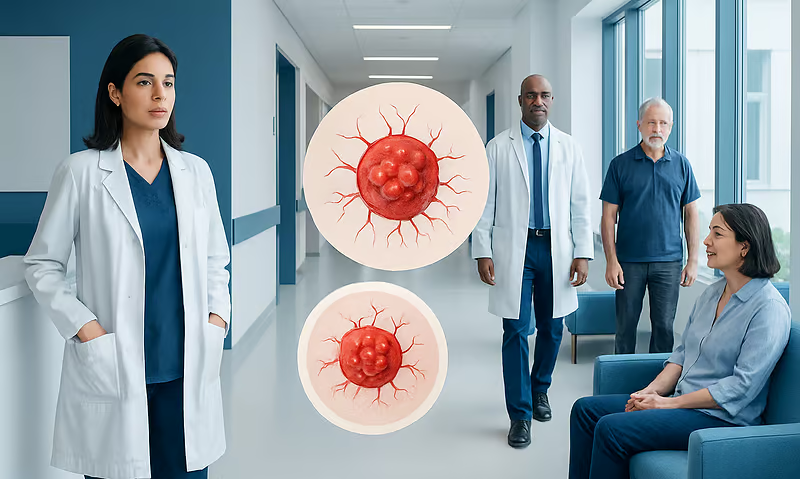
Hematology Oncology: How Blood Cancer Specialists Care for Patients

Hematology oncology specialists diagnose and treat cancers of the blood, bone marrow, and lymphatic system. Common blood cancers include leukemia, lymphoma, and multiple myeloma.
Key Takeaways
- Hematology oncology specialists diagnose and treat cancers of the blood, bone marrow, and lymphatic system.
- Common blood cancers include leukemia, lymphoma, and multiple myeloma.
- Care often involves a multidisciplinary team, including nurses, pathologists, radiologists, and transplant experts.
- Treatment may include chemotherapy, targeted therapy, immunotherapy, radiation therapy, transfusions, or stem cell transplantation.
- Supportive care for infection prevention, fatigue, pain, and nutrition is an important part of treatment.
Hematology oncology is the medical specialty that cares for people with blood cancers and some blood disorders. These specialists guide diagnosis, treatment, symptom control, and long-term follow-up with a personalized, team-based approach.
Overview: What Hematology Oncology Means
Hematology oncology is a combined medical specialty focused on diseases of the blood and cancers that affect blood-forming tissues. A hematologist-oncologist is trained to diagnose, treat, and monitor conditions such as leukemia, lymphoma, and multiple myeloma, as well as certain non-cancerous blood disorders. In daily practice, these specialists help patients understand their diagnosis and build a treatment plan that matches the type of disease, its stage, overall health, and personal goals.
Blood cancers differ from many solid tumors because they often begin in the bone marrow, blood cells, or lymphatic system rather than forming one single mass. This means care usually depends on blood tests, bone marrow evaluation, imaging, and close laboratory follow-up. Some blood cancers grow slowly and can be monitored for a time, while others need treatment promptly.
Hematology oncology care is usually delivered by a team. In addition to the hematologist-oncologist, a patient may meet oncology nurses, pathologists, radiologists, pharmacists, dietitians, palliative care clinicians, and social workers. This team approach helps address both the disease itself and the practical, emotional, and physical effects of treatment.
Which Conditions Do Blood Cancer Specialists Treat?

Hematology oncology specialists care for the main groups of blood cancers: leukemia, lymphoma, and multiple myeloma. Leukemia begins in blood-forming tissues, especially the bone marrow, and can affect white blood cells. Lymphoma starts in the lymphatic system, which includes lymph nodes, spleen, and related tissues. Multiple myeloma develops from plasma cells, a type of white blood cell that helps the body fight infection.
Each of these groups includes several subtypes. For example, leukemia may be acute or chronic, and lymphoma may be Hodgkin or non-Hodgkin. The exact subtype matters because it strongly affects treatment choices and outlook. A patient may hear their doctor discuss disease biology, genetic changes, and whether the condition is low grade, aggressive, newly diagnosed, or relapsed.
Blood cancer specialists may also treat or help evaluate related blood problems such as anemia, low platelet counts, clotting disorders, or complications caused by cancer therapy. In some cases, a person first visits a hematologist-oncologist because of abnormal blood counts, enlarged lymph nodes, frequent infections, or unexplained fatigue before a clear diagnosis has been made.
- Leukemia
- Lymphoma
- Multiple myeloma
- Myelodysplastic and myeloproliferative disorders
- Treatment-related blood complications
Symptoms and Warning Signs

The symptoms of blood cancer can be broad and sometimes nonspecific. Many people notice tiredness that does not improve with rest, frequent infections, fever, easy bruising, unusual bleeding, or shortness of breath. Others may develop swollen lymph nodes, night sweats, bone pain, unexplained weight loss, or a feeling of fullness in the abdomen.
Because these symptoms can also happen with common illnesses, blood cancers are not diagnosed based on symptoms alone. Some people have no clear symptoms at first and only learn about a possible problem after a routine blood test shows abnormal results. This is one reason why careful medical evaluation is important.
Patients should seek medical advice if symptoms are persistent, worsening, or accompanied by signs such as severe fatigue, repeated infections, unexplained bruising, or enlarged lymph nodes that do not settle. Early evaluation does not always mean cancer is present, but it can help identify the cause and allow timely care when needed.
How Diagnosis Is Made
Diagnosis in hematology oncology usually begins with a medical history, physical examination, and blood tests. These may include a complete blood count, blood smear, and tests that look at kidney function, liver function, proteins, and markers of inflammation or cell breakdown. Abnormal findings can suggest whether the problem involves red blood cells, white blood cells, platelets, or plasma cells.
If a blood cancer is suspected, additional tests are often needed. These may include bone marrow aspiration and biopsy, lymph node biopsy, flow cytometry, cytogenetic testing, and molecular studies. These tests help identify the exact cell type and reveal genetic or chromosomal features that guide prognosis and treatment planning. Imaging such as CT, PET, or MRI may also be used to see how far the disease has spread or which parts of the body are involved.
Accurate classification is essential because treatment differs greatly between conditions that may sound similar. For example, some patients with slow-growing lymphoma can be monitored for a period, while others with aggressive disease need treatment soon after diagnosis. Likewise, management of leukemia depends on whether it is acute or chronic and on its molecular features.
Doctors also assess the patient’s general health before treatment begins. This may include heart tests, infection screening, and discussions about fertility, vaccination, nutrition, and supportive care needs. These steps help make treatment safer and more personalized.
Treatment Options in Hematology Oncology
Treatment depends on the diagnosis, disease stage, symptoms, laboratory findings, and the person’s overall health. Some patients benefit from active monitoring, sometimes called watchful waiting, when the disease is slow growing and not causing problems. Others need treatment right away to control symptoms, reduce the amount of cancer, or prevent complications.
Common treatment approaches include chemotherapy, targeted therapy, immunotherapy, corticosteroids, radiation therapy, and blood product support such as red cell or platelet transfusions. Targeted treatments act on specific features of cancer cells, while immunotherapy helps the immune system recognize and attack them. Radiation therapy may be used for selected lymphomas or to relieve symptoms in certain areas.
Some patients may be evaluated for bone marrow transplantation, also called stem cell transplantation. This can be used in certain leukemias, lymphomas, myeloma, and related disorders. The goal may be to replace damaged bone marrow, restore healthy blood production, or support treatment with higher-intensity therapy in carefully selected situations.
Supportive care is a central part of treatment, not an extra step. It may include antibiotics, anti-nausea medicines, pain management, nutrition support, growth factors, treatment for anemia, and careful prevention of infections or blood clots. For people with multiple myeloma, kidney protection, bone health, and pain relief are often especially important parts of care.
What Patient Care Looks Like During Treatment
Blood cancer care often takes place over time, with regular clinic visits, blood tests, scans, and treatment cycles. Some therapies are given in outpatient settings, while others require hospital admission, especially when closer monitoring is needed. The care plan may change as results come in or if side effects need better control.
Communication is a major part of hematology oncology. Patients are encouraged to ask what type of blood cancer they have, the goals of treatment, possible side effects, signs of infection, and when to call the care team. Many centers provide written plans, nurse education, and practical guidance on topics such as travel, work, nutrition, and medication safety.
Emotional well-being also matters. A blood cancer diagnosis can affect family life, mood, sleep, and daily routines. Counseling, support groups, rehabilitation, and palliative care services can help patients cope with symptoms and uncertainty at any stage of illness. Palliative care is not only for end-of-life care; it is an extra layer of support that can be used alongside cancer treatment.
Near the end of the treatment pathway, survivorship and follow-up become important. Doctors monitor for remission, relapse, long-term side effects, vaccination needs, and general health issues such as heart health, infection risk, or second cancers. At Acibadem International, multidisciplinary specialists in JCI-accredited hospitals diagnose and treat blood cancers for international patients, with care coordinated across relevant specialties.
Prevention, Self-Care, and Reducing Complications
There is no guaranteed way to prevent most blood cancers, and many arise without a clear avoidable cause. Still, general health measures can support overall well-being and may reduce complications during treatment. These include not smoking, limiting alcohol, eating a balanced diet, staying physically active as tolerated, and keeping up with routine medical care.
During treatment, infection prevention becomes especially important because some therapies can weaken the immune system. Patients are usually advised to wash hands regularly, avoid close contact with sick people when possible, report fever promptly, and follow food safety guidance. Vaccination plans should always be discussed with the care team, since timing and vaccine type may matter.
Self-care also includes managing fatigue, mouth care, hydration, sleep, and emotional stress. Gentle physical activity, rest breaks, and asking for help with daily tasks can be useful. Patients should not start supplements or herbal products without checking first, as some may interact with cancer medicines or affect bleeding risk.
When to See a Doctor
A person should see a doctor if they have ongoing symptoms such as unusual fatigue, easy bruising, recurrent infections, persistent fever, swollen lymph nodes, bone pain, or unexplained weight loss. These symptoms do not always mean blood cancer, but they deserve evaluation if they continue or worsen. A clinician can decide whether blood tests or referral to a hematology oncology specialist is needed.
People already receiving treatment should contact their care team urgently for fever, chills, shortness of breath, chest pain, uncontrolled bleeding, severe weakness, confusion, or signs of dehydration. These problems may be related to infection, anemia, low platelets, or treatment side effects and may need prompt attention.
Regular follow-up should not be skipped, even when a patient feels well. In hematology oncology, blood counts and imaging can sometimes show changes before symptoms appear. Ongoing monitoring helps doctors respond early, adjust treatment safely, and support the best possible quality of life.
Frequently asked questions
What is the difference between hematology and oncology?
Hematology focuses on diseases of the blood, bone marrow, and clotting system. Oncology focuses on cancer. Hematology oncology combines both areas because many blood cancers involve blood cells and blood-forming tissues.
What cancers do hematology oncology specialists treat?
They commonly treat leukemia, lymphoma, and multiple myeloma. Depending on the center and the doctor's training, they may also manage related marrow disorders and complications that affect blood counts.
Does every abnormal blood test mean cancer?
No. Many non-cancerous conditions can cause abnormal blood counts, including infections, vitamin deficiencies, inflammation, and medication effects. A specialist uses additional tests to find the true cause.
Is a bone marrow biopsy always needed?
Not always, but it is often very helpful when a blood cancer is suspected. It can show how blood cells are being made and provide detailed information that helps confirm the diagnosis and guide treatment.
Can blood cancer be treated successfully?
Many blood cancers can be controlled very effectively, and some can go into long-lasting remission. Outcomes vary by disease type, subtype, stage, age, overall health, and response to treatment, so a specialist's assessment is important.
What supportive care might a patient need during treatment?
Supportive care may include transfusions, medicines to prevent infection or nausea, pain relief, nutritional support, and help with fatigue or emotional stress. These measures are an important part of safe, comprehensive cancer care.
References
- World Health Organization
- National Cancer Institute
- American Society of Hematology
- Leukemia & Lymphoma Society
- National Comprehensive Cancer Network
This article is for general information only and is not a substitute for professional medical advice. Please consult a qualified doctor about your individual situation.
Oncology care in Turkey — second opinion and treatment plan
JCI-accredited · board-certified surgeons · reply within 24h
Add us as a Preferred Source to see more of our trusted health content across Google Search, AI Overviews and Discover.

Medical Oncology Department
Medical treatment of cancer with chemotherapy, immunotherapy and targeted therapies under a multidisciplinary tumor board.
60 specialists in this unit