Hemogram Test Explained: What a Complete Blood Count Measures

A hemogram test is another name for a complete blood count or CBC. It measures red blood cells, white blood cells, platelets, hemoglobin, hematocrit, and cell size-related values.
Key Takeaways
- A hemogram test is another name for a complete blood count or CBC.
- It measures red blood cells, white blood cells, platelets, hemoglobin, hematocrit, and cell size-related values.
- Results must be interpreted together with symptoms, age, sex, medical history, and other tests.
- Abnormal results do not always mean disease, but they may guide further evaluation.
- A CBC is used for routine checkups, diagnosing symptoms, and monitoring treatment or chronic conditions.
A hemogram test, also called a complete blood count (CBC), is a common blood test that measures red blood cells, white blood cells, platelets, and related values. It helps doctors evaluate general health, look for signs of infection, anemia, inflammation, or bleeding problems, and monitor many medical conditions.
Overview: What a Hemogram Test Measures
A hemogram test is a routine laboratory test that examines the cells circulating in the blood. It is most commonly known as a complete blood count, or CBC. Because blood carries oxygen, helps fight infections, and supports clotting, this test offers a broad snapshot of how the body is functioning.
The test usually measures three main groups of blood cells: red blood cells, white blood cells, and platelets. It also includes related values such as hemoglobin, hematocrit, and indices that describe the size and hemoglobin content of red blood cells. Together, these numbers can help a doctor understand whether the body is getting enough oxygen, responding to infection, or having problems with bleeding or clotting.
A hemogram test is often part of a routine health evaluation, but it is also ordered when someone has symptoms such as fatigue, fever, unusual bruising, weakness, or ongoing inflammation. On its own, the test does not provide a final diagnosis for every condition. Instead, it works as an important starting point that helps guide the next steps in care.
What Is Included in a Complete Blood Count?
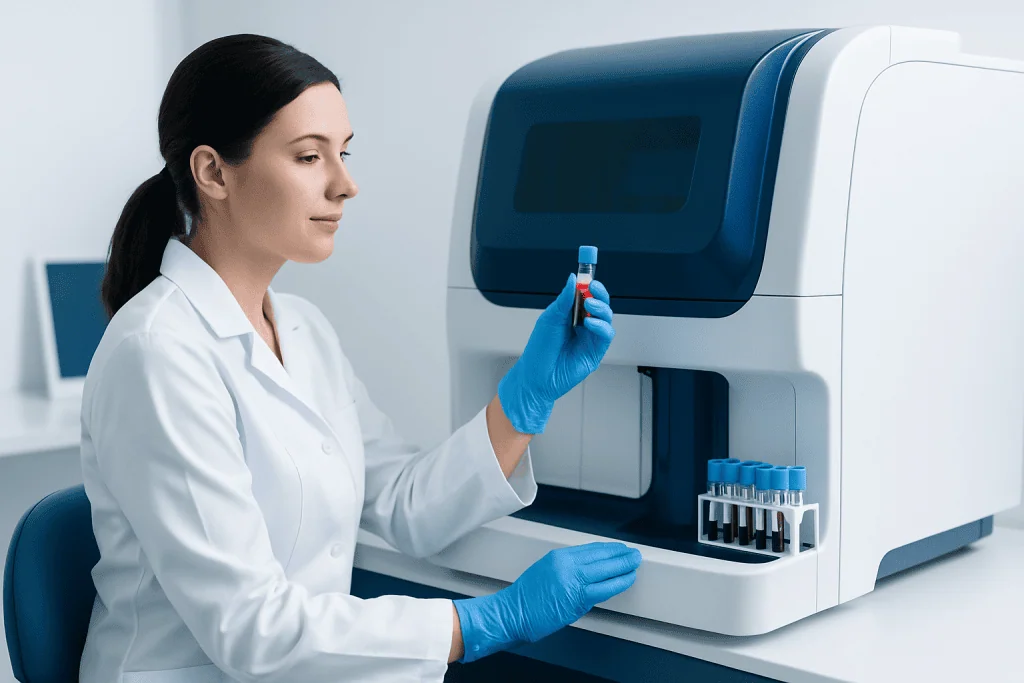
A standard CBC includes measurements for red blood cells (RBCs), white blood cells (WBCs), and platelets. Red blood cells carry oxygen from the lungs to tissues through hemoglobin, a protein inside the cells. Hematocrit reflects the proportion of blood made up of red blood cells, while RBC indices such as mean corpuscular volume (MCV), mean corpuscular hemoglobin (MCH), and mean corpuscular hemoglobin concentration (MCHC) help describe the size and hemoglobin content of those cells.
White blood cells are part of the immune system and help the body respond to infections, inflammation, and other immune-related changes. Some CBCs also include a white blood cell differential, which breaks down the main types of white cells, such as neutrophils, lymphocytes, monocytes, eosinophils, and basophils. This can provide more detail about the possible cause of an abnormal result.
Platelets are small cell fragments that help the blood clot after an injury. The CBC reports the platelet count and may include additional platelet-related measurements. These values can help identify reasons for easy bruising, prolonged bleeding, or, in some cases, conditions associated with clotting risk.
- Red blood cell-related values: RBC count, hemoglobin, hematocrit, MCV, MCH, MCHC, RDW
- White blood cell-related values: total WBC count and sometimes differential counts
- Platelet-related values: platelet count and selected platelet indices
Why Doctors Order a Hemogram Test

Doctors order a hemogram test for several reasons. One common reason is routine screening during a general checkup or before surgery. Even when a person feels well, a CBC may reveal patterns that deserve closer attention, such as low hemoglobin, a high white cell count, or low platelets.
The test is also useful when someone has symptoms that may be related to blood cell changes. Tiredness, dizziness, shortness of breath, pale skin, frequent infections, fever, unexplained weight loss, easy bruising, or bleeding can all prompt a CBC. In many cases, the results help narrow down the possible causes and determine whether further tests are needed.
Another important role of the hemogram test is monitoring. People with chronic illnesses, inflammatory disorders, infections, or those receiving certain medications may have regular CBC checks to watch for side effects or disease-related changes. It can also help follow conditions such as anemia or other blood-related disorders over time.
How to Understand Common CBC Results
Interpreting a complete blood count involves more than looking at whether a number is high or low. Laboratories use reference ranges, but these can vary slightly by age, sex, pregnancy status, and the lab method used. A doctor considers the whole pattern of results together with symptoms, health history, physical examination, and any other test findings.
Low hemoglobin or hematocrit may suggest anemia, while high values may be seen with dehydration, smoking, living at high altitude, or certain medical conditions. The red blood cell indices can help point toward possible causes. For example, smaller-than-average red blood cells may be linked with iron deficiency, while larger-than-average cells can appear with vitamin B12 or folate deficiency, liver disease, or some medications.
White blood cell results can rise with infections, inflammation, stress, corticosteroid use, and some bone marrow conditions. Low white cell counts may occur with some viral infections, autoimmune disorders, bone marrow suppression, or medication effects. Platelets may increase after inflammation, iron deficiency, or surgery, while low platelets can occur with immune conditions, infections, liver disease, or bone marrow disorders. Because many factors can affect these values, abnormal results should always be discussed with a qualified doctor rather than interpreted in isolation.
What Can Affect Hemogram Test Results?
Many everyday and medical factors can influence CBC results. Temporary changes can occur with dehydration, recent infection, menstruation, pregnancy, intense exercise, emotional or physical stress, smoking, and high altitude. These factors do not always indicate disease, but they can shift the numbers enough to matter.
Medications are another important consideration. Some antibiotics, chemotherapy drugs, immunosuppressive medicines, anti-seizure drugs, and other treatments can affect blood cell production or survival. Nutritional deficiencies, especially low iron, vitamin B12, or folate, may also change red blood cell measurements. Long-term illnesses affecting the kidneys, liver, thyroid, bone marrow, or immune system can influence one or more CBC components.
Sample-related issues may occasionally affect results as well. If a blood draw is difficult, delayed in processing, or otherwise technically limited, a repeat test may be needed. When results seem unexpected, doctors may compare them with previous tests, review medications and symptoms, and order additional studies such as iron tests, vitamin levels, inflammatory markers, or a peripheral blood smear.
How the Test Is Done and Whether Preparation Is Needed
A hemogram test is done by taking a small sample of blood, usually from a vein in the arm. The procedure is quick and commonly performed in clinics, hospitals, and laboratories. Most people feel only a brief pinch from the needle, and normal activities can usually be resumed right away.
In many cases, no special preparation is needed for a CBC. However, if the hemogram is being ordered together with other blood tests, such as blood sugar or cholesterol tests, fasting may be required for those additional tests. For that reason, it is helpful to follow the laboratory or doctor’s instructions carefully.
It is also important to tell the healthcare team about current medications, supplements, pregnancy, recent illness, or any bleeding tendency. These details can help with proper interpretation. If the CBC suggests a blood-related problem, a doctor may recommend more specialized evaluation, such as hematology assessment or further laboratory studies.
What Happens After an Abnormal Result?
An abnormal hemogram test does not automatically mean a serious illness. Mild changes can happen for temporary reasons and may return to normal on repeat testing. The next step depends on which values are abnormal, how far they are from the reference range, and whether symptoms are present.
Doctors may repeat the CBC, review the white cell differential, or request additional tests to identify the cause. These can include iron studies, vitamin B12 and folate levels, kidney and liver function tests, infection-related tests, inflammatory markers, or a peripheral blood smear. In some situations, a person may be referred for internal medicine evaluation or specialist review.
Treatment focuses on the underlying cause rather than the CBC number alone. For example, iron deficiency may be treated with dietary guidance and iron replacement, infection may require targeted care, and medication-related changes may improve after medical review. If the picture suggests more complex disorders such as clotting problems or marrow-related disease, care may involve coordinated specialists. Near the end of the diagnostic journey, centers such as Acibadem International may support international patients through multidisciplinary evaluation in JCI-accredited hospitals.
When to See a Doctor
A person should speak with a doctor if they have symptoms that might relate to abnormal blood counts. These include persistent fatigue, weakness, shortness of breath, fever, frequent infections, unusual bruising, nosebleeds, prolonged bleeding, paleness, or unexplained weight loss. These symptoms often have treatable causes, but they deserve medical attention if they continue or worsen.
Urgent medical evaluation is especially important for severe symptoms such as chest pain, fainting, major bleeding, high fever with marked weakness, or sudden shortness of breath. A doctor can decide whether immediate treatment or further testing is needed. It is best not to self-diagnose based on one laboratory report.
For ongoing abnormalities or symptoms, follow-up matters. Repeating the CBC at the right time, comparing it with earlier results, and considering the full clinical picture often provides the clearest answers. If necessary, a doctor may also assess related concerns such as leukemia or other blood disorders in a careful, stepwise way.
Frequently asked questions
Is a hemogram test the same as a CBC?
Yes. A hemogram test is another name for a complete blood count, or CBC. Both terms describe a blood test that measures red blood cells, white blood cells, platelets, and several related values.
Do abnormal CBC results always mean something serious?
No. CBC values can change for many reasons, including mild infections, dehydration, menstruation, stress, pregnancy, or medication effects. Abnormal results should be interpreted by a doctor in the context of symptoms and other findings.
Do people need to fast before a hemogram test?
Usually not if only a hemogram test is being done. However, fasting may be needed if the blood sample is being taken together with other tests, such as glucose or cholesterol tests. It is best to follow the instructions given by the doctor or laboratory.
What does low hemoglobin mean?
Low hemoglobin often suggests anemia, which means the blood may not be carrying enough oxygen efficiently. Causes can include iron deficiency, vitamin deficiencies, chronic disease, blood loss, or other medical conditions. Further evaluation is usually needed to find the exact reason.
What can cause a high white blood cell count?
A high white blood cell count may occur with infections, inflammation, stress, smoking, steroid use, or some bone marrow conditions. The meaning depends on which type of white cell is increased and whether symptoms are present. Doctors may use the differential count and other tests to investigate further.
Can a hemogram test detect cancer?
A hemogram test cannot diagnose cancer by itself. It can sometimes show changes that suggest the need for more testing, especially in blood-related cancers, but many non-cancerous conditions can cause similar findings. Diagnosis usually requires additional laboratory tests, imaging, or specialist assessment.
References
- World Health Organization
- National Heart, Lung, and Blood Institute
- MedlinePlus
- American Society of Hematology
This article is for general information only and is not a substitute for professional medical advice. Please consult a qualified doctor about your individual situation.
Explore treatments in Turkey — costs, top hospitals & a free quote
JCI-accredited · board-certified surgeons · reply within 24h
Add us as a Preferred Source to see more of our trusted health content across Google Search, AI Overviews and Discover.