Hemorrhagic Stroke: Causes, Emergency Treatment, and Early Recovery
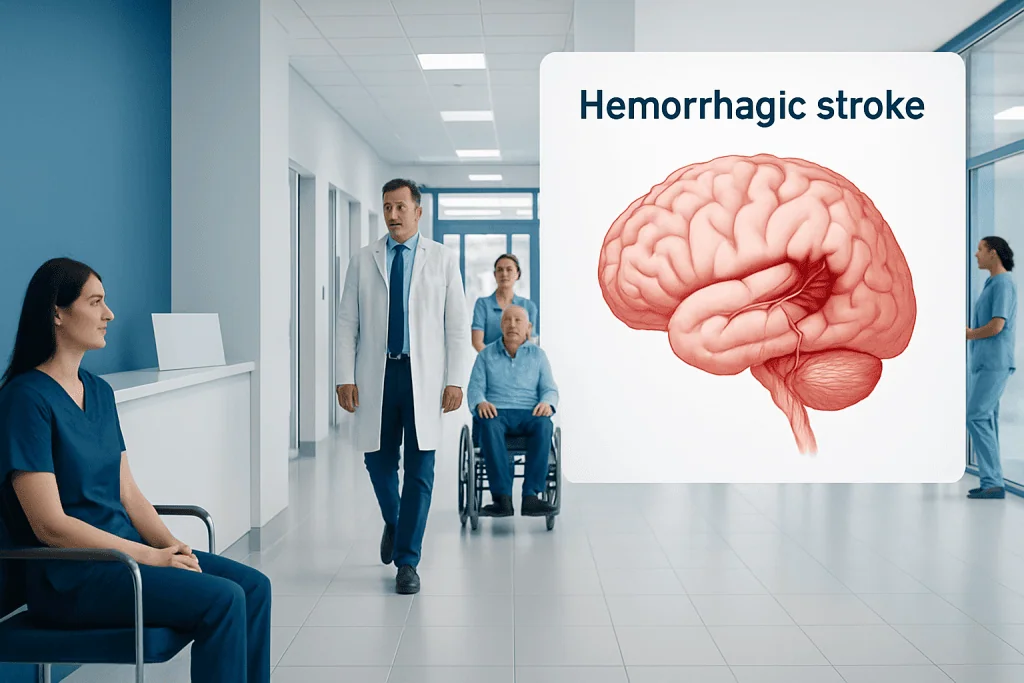
Hemorrhagic stroke is caused by bleeding in or around the brain and requires urgent hospital care. Sudden weakness, trouble speaking, severe headache, confusion, or loss of consciousness can be warning signs.
Key Takeaways
- Hemorrhagic stroke is caused by bleeding in or around the brain and requires urgent hospital care.
- Sudden weakness, trouble speaking, severe headache, confusion, or loss of consciousness can be warning signs.
- Brain imaging such as CT or MRI is essential to confirm the diagnosis and guide treatment.
- Treatment focuses on stabilizing the person, controlling blood pressure, managing pressure in the brain, and sometimes surgery or endovascular procedures.
- Early rehabilitation can help improve movement, speech, swallowing, and daily function after stroke.
Hemorrhagic stroke happens when a blood vessel in or around the brain breaks and causes bleeding. It is a medical emergency, and prompt treatment can help reduce pressure on the brain, control bleeding, and improve the chances of recovery.
Overview
A hemorrhagic stroke occurs when a blood vessel ruptures and bleeding damages brain tissue or puts pressure on the brain. This is different from an ischemic stroke, which happens when a blood vessel is blocked. In a hemorrhagic stroke, the main problem is bleeding rather than a clot.
There are two broad types. Intracerebral hemorrhage means bleeding directly into the brain tissue. Subarachnoid hemorrhage means bleeding into the space around the brain, often from a burst aneurysm. Both forms are emergencies because the brain is very sensitive to pressure, swelling, and reduced normal blood flow.
Symptoms usually begin suddenly. Early recognition is important because treatment decisions are time-sensitive. Rapid care may help limit complications, protect brain function, and support a better recovery.
Symptoms and emergency warning signs
Symptoms of hemorrhagic stroke often appear without warning. They may depend on where the bleeding occurs and how much pressure it causes. Some people remain awake and confused, while others become drowsy or lose consciousness quickly.
Common warning signs include:
- Sudden weakness or numbness, especially on one side of the body
- Trouble speaking or understanding speech
- Sudden severe headache, sometimes described as the worst headache of life
- Vision changes, double vision, or loss of vision
- Loss of balance, dizziness, or trouble walking
- Nausea or vomiting, especially with severe headache
- Seizures
- Confusion, drowsiness, or loss of consciousness
Anyone with possible stroke symptoms should receive emergency help immediately. It is safest to call emergency services rather than drive, because symptoms can worsen suddenly on the way to care. Fast assessment also helps the medical team decide whether the person has a brain bleed or another type of stroke.
Causes and risk factors
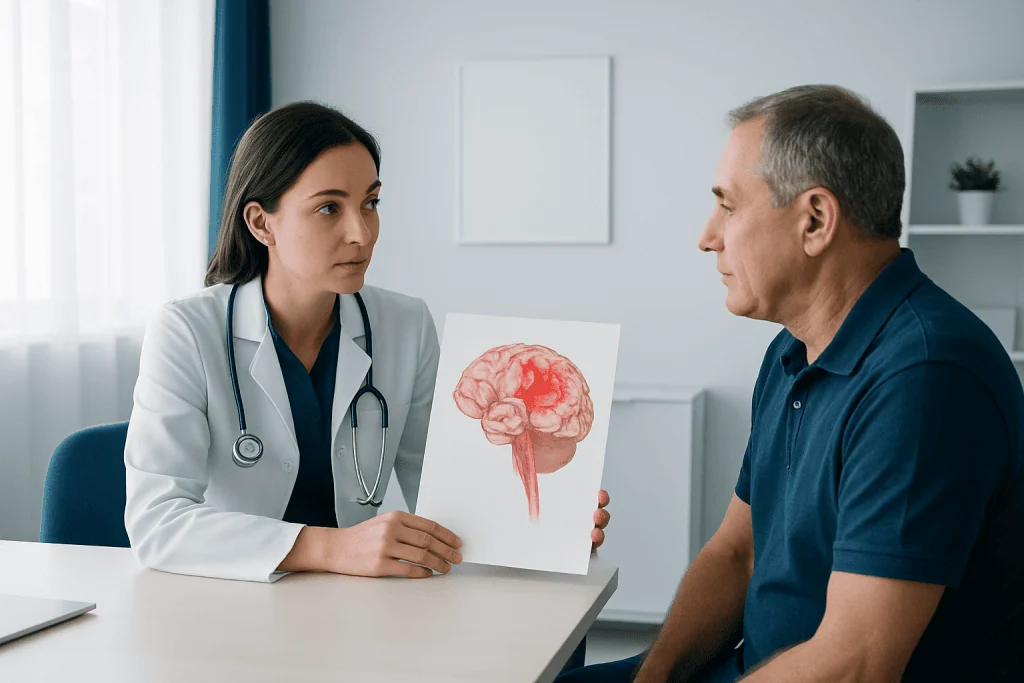
Hemorrhagic stroke can develop for several reasons. One of the most common is long-standing high blood pressure, which can weaken small blood vessels in the brain over time. Another important cause is rupture of a brain aneurysm, a weakened area in a vessel wall that balloons outward and may burst.
Other causes include abnormal blood vessels such as arteriovenous malformations, head injury, certain bleeding disorders, liver disease, brain tumors, and inflammation of blood vessels. Some medicines that affect clotting, including blood thinners, can increase bleeding risk in selected patients, especially if dosing is not well balanced or if there is underlying vessel fragility.
Risk factors often overlap with those for other vascular conditions. They may include older age, smoking, excessive alcohol use, uncontrolled hypertension, stimulant drug use, and a personal or family history of aneurysm or prior stroke. In some cases, doctors also look for conditions associated with a higher chance of vessel rupture, including brain aneurysm.
Not every risk factor can be changed, but many can. Good blood pressure control is one of the most effective ways to lower the chance of intracerebral bleeding. Avoiding tobacco, managing chronic illness, and regular medical follow-up may also reduce risk.
How hemorrhagic stroke is diagnosed
Diagnosis begins with an urgent medical assessment. Doctors ask when symptoms started, what medicines the person takes, and whether there is any history of trauma, aneurysm, or high blood pressure. A neurological exam helps measure alertness, speech, eye movements, strength, sensation, and coordination.
Brain imaging is essential because symptoms alone cannot reliably distinguish a hemorrhagic stroke from an ischemic stroke. A non-contrast CT scan is often the first test because it is quick and very good at detecting fresh bleeding. MRI may also be used in some situations, especially when more detail is needed.
Additional tests may include CT angiography or catheter angiography to look at blood vessels and identify an aneurysm or vascular malformation. Blood tests check clotting, blood counts, kidney function, and other factors that affect treatment decisions. The goal is to confirm the location and cause of bleeding as quickly as possible so the safest treatment plan can begin.
Emergency treatment options
Treatment starts with stabilizing breathing, circulation, and blood pressure. The medical team closely watches oxygen levels, consciousness, and signs of rising pressure in the skull. If the person uses blood-thinning medication, doctors may give reversal treatment when appropriate to reduce ongoing bleeding risk.
Controlling blood pressure is often a key part of care, but targets are individualized. Doctors may also use measures to reduce brain swelling, manage fever, control blood sugar, and treat seizures if they occur. Patients are usually monitored in an intensive care or specialized stroke unit, where neurological changes can be recognized early.
Some people need procedures or surgery. Depending on the cause and location of bleeding, options may include placing a drain for fluid buildup, removing part of a clot, securing a ruptured aneurysm, or treating an abnormal vessel. These decisions are based on imaging, symptoms, age, overall health, and the expected risks and benefits.
When a ruptured aneurysm is found, doctors may recommend aneurysm treatment such as surgical clipping or endovascular coiling. In selected cases, a patient may also need brain surgery or highly specialized interventional neuroradiology procedures to control bleeding and protect the brain.
Early recovery and rehabilitation
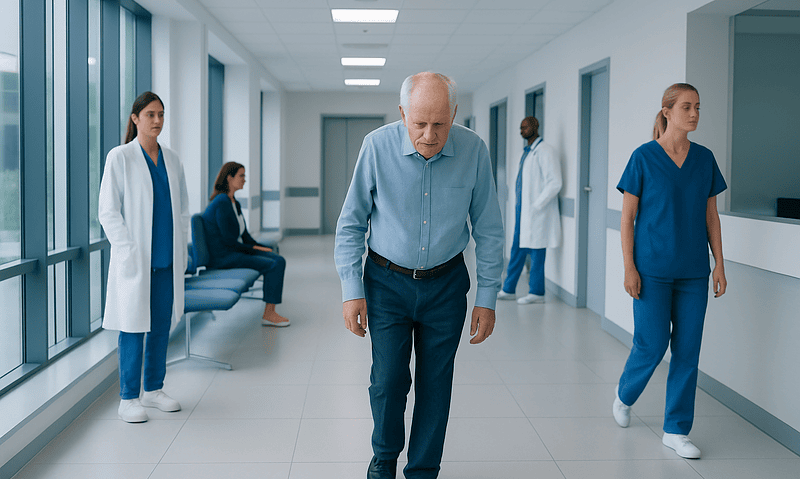
Recovery after hemorrhagic stroke begins in the hospital, often within the first days after the person is medically stable. The first goals are to prevent complications, support nutrition and hydration, protect the airway, and begin safe movement. Some patients recover quickly, while others need a longer period of healing and rehabilitation.
The effects of a hemorrhagic stroke vary widely. A person may have weakness on one side, trouble speaking, memory or attention problems, swallowing difficulty, vision changes, or fatigue. Emotional changes are also common, including anxiety, low mood, irritability, or frustration as the person adapts to new limitations.
Rehabilitation is tailored to the individual and may involve physiotherapy, occupational therapy, speech and language therapy, swallowing assessment, and neuropsychological support. Early and consistent therapy can help improve independence in daily tasks such as walking, dressing, eating, and communication. Follow-up care is important because needs often change over time.
Families also play an important role in recovery. Clear routines, medication support, a safer home environment, and encouragement with therapy can all help. Near the end of treatment planning, some patients may benefit from coordinated care through stroke, neurosurgery, and rehabilitation teams; Acibadem International’s multidisciplinary specialists in JCI-accredited hospitals diagnose and treat this condition for international patients.
Prevention and when to see a doctor
Prevention focuses on reducing modifiable risks. For many people, the most important step is keeping blood pressure in a healthy range through regular checkups, prescribed treatment, and lifestyle measures. Stopping smoking, limiting alcohol, staying physically active, and managing diabetes or high cholesterol can also support overall vascular health.
People who take blood thinners should use them exactly as prescribed and attend regular follow-up when needed. Any unusual bruising, falls, or signs of bleeding should be discussed with a clinician. Those with a family history of aneurysm or previous subarachnoid hemorrhage may need individualized advice about screening and risk reduction.
Urgent medical attention is needed for any sudden stroke symptom, severe unexplained headache, new seizure, fainting, or rapid change in alertness. After a hemorrhagic stroke, follow-up care is just as important as emergency treatment. Ongoing appointments help manage blood pressure, monitor recovery, and reduce the risk of another serious event.
Frequently asked questions
What is the difference between hemorrhagic stroke and ischemic stroke?
A hemorrhagic stroke is caused by bleeding in or around the brain after a blood vessel ruptures. An ischemic stroke happens when a vessel is blocked, usually by a clot. The symptoms can look similar, so brain imaging is needed to tell them apart and guide treatment.
Can hemorrhagic stroke happen without warning?
Yes, it often begins suddenly. Some people develop a severe headache, weakness, speech difficulty, vomiting, or confusion within minutes. In other cases, especially with aneurysm rupture, the first sign may be a sudden collapse or loss of consciousness.
Is a severe headache always a sign of hemorrhagic stroke?
No, many headaches are not caused by stroke. However, a sudden, very severe headache—especially if it comes with vomiting, neck pain, confusion, weakness, or fainting—needs urgent medical assessment. It is safest not to ignore a dramatic change from a person’s usual headache pattern.
How is hemorrhagic stroke treated in the hospital?
Hospital treatment usually includes close monitoring, blood pressure management, and supportive care to protect the brain and body. Doctors may also reverse blood thinners when appropriate, treat seizures, and manage brain swelling. Some patients need a procedure or surgery to stop bleeding or treat an aneurysm.
Can a person recover after hemorrhagic stroke?
Many people can recover at least some function, but recovery is highly individual. It depends on the location and size of the bleed, the person’s age and general health, how quickly treatment begins, and whether complications occur. Rehabilitation often plays a major role in improving mobility, speech, and daily independence.
What helps reduce the risk of another hemorrhagic stroke?
Careful control of blood pressure is one of the most important steps. Avoiding smoking, limiting alcohol, taking medicines exactly as prescribed, and attending follow-up visits also matter. If the stroke was related to an aneurysm or another vascular problem, doctors will advise on long-term monitoring and treatment.
References
- World Health Organization
- American Stroke Association
- National Institute of Neurological Disorders and Stroke
- Centers for Disease Control and Prevention
- National Health Service
This article is for general information only and is not a substitute for professional medical advice. Please consult a qualified doctor about your individual situation.
Explore treatments in Turkey — costs, top hospitals & a free quote
JCI-accredited · board-certified surgeons · reply within 24h
Add us as a Preferred Source to see more of our trusted health content across Google Search, AI Overviews and Discover.
Check your numbers in seconds
BMI, calories, due date, blood pressure and 30+ more clinical calculators — free, instant, doctor-reviewed ranges.