Hemorrhagic Stroke Treatment: How It Works, Results and What to Expect

Hemorrhagic stroke is a medical emergency that requires immediate hospital assessment. Treatment priorities are controlling bleeding, managing blood pressure and reducing pressure on the brain.
Key Takeaways
- Hemorrhagic stroke is a medical emergency that requires immediate hospital assessment.
- Treatment priorities are controlling bleeding, managing blood pressure and reducing pressure on the brain.
- Some people need surgery or catheter-based treatment, while others are treated with close monitoring and medicines.
- Recovery varies widely and usually continues for months; rehabilitation supports independence and quality of life.
- Managing blood pressure and other vascular risks is important for preventing another stroke.
Hemorrhagic stroke treatment is emergency care that aims to control bleeding in or around the brain, protect brain tissue and address the underlying cause. Treatment may include intensive monitoring, medicines, minimally invasive procedures or surgery, followed by individualized rehabilitation.
Hemorrhagic Stroke Treatment: How It Works
Hemorrhagic stroke treatment begins immediately in hospital because bleeding in or around the brain can damage brain cells and raise pressure inside the skull. The care team first focuses on stabilizing breathing, circulation and blood pressure, identifying the location and size of the bleed, and preventing it from becoming worse. A CT scan is commonly the first test because it can quickly show blood.
There are two main forms: intracerebral hemorrhage, which is bleeding within brain tissue, and subarachnoid hemorrhage, which is bleeding in the space surrounding the brain. The best treatment depends on the type and cause of bleeding, its location, the person’s symptoms, medical history and whether pressure is building in the brain.
Care is usually led by a coordinated team that may include stroke physicians, neurologists, neurosurgeons, interventional neuroradiologists, critical care specialists, rehabilitation clinicians and nurses. The goal is not only survival in the acute phase, but also prevention of complications and support for the best possible recovery.
Who May Need Medicines, a Procedure or Surgery?
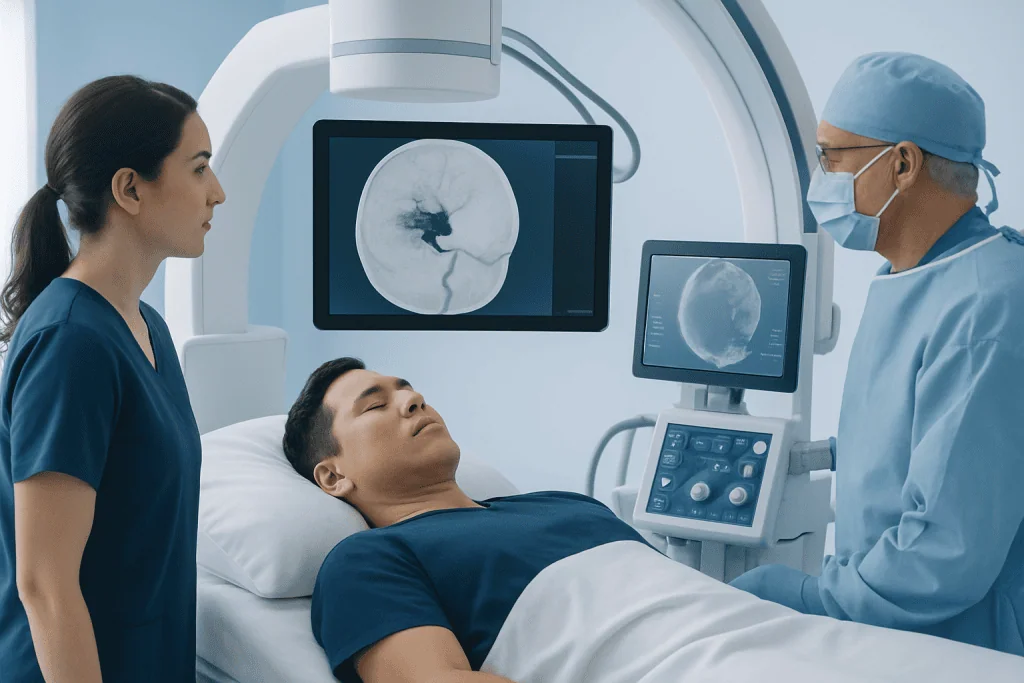
Every hemorrhagic stroke is assessed individually. Some small, stable brain bleeds can be managed with careful monitoring in a stroke unit or intensive care unit, medicines and repeat imaging. Others require urgent intervention because of worsening neurological symptoms, a large clot, hydrocephalus, ongoing bleeding or pressure on important brain structures.
Doctors consider the person’s level of consciousness, age, overall health, use of blood-thinning medicines, blood pressure, clot location and the likely source of bleeding. An abnormal blood vessel, such as an aneurysm or arteriovenous malformation, may require targeted treatment to reduce the chance of further bleeding.
People taking anticoagulant medicines may need prompt reversal treatment using specific medicines or blood products, depending on the drug involved. Clinicians also review medicines that affect bleeding, but patients should never stop prescribed antiplatelet or anticoagulant treatment on their own without medical advice.
Step by Step: What Happens During Hemorrhagic Stroke Treatment
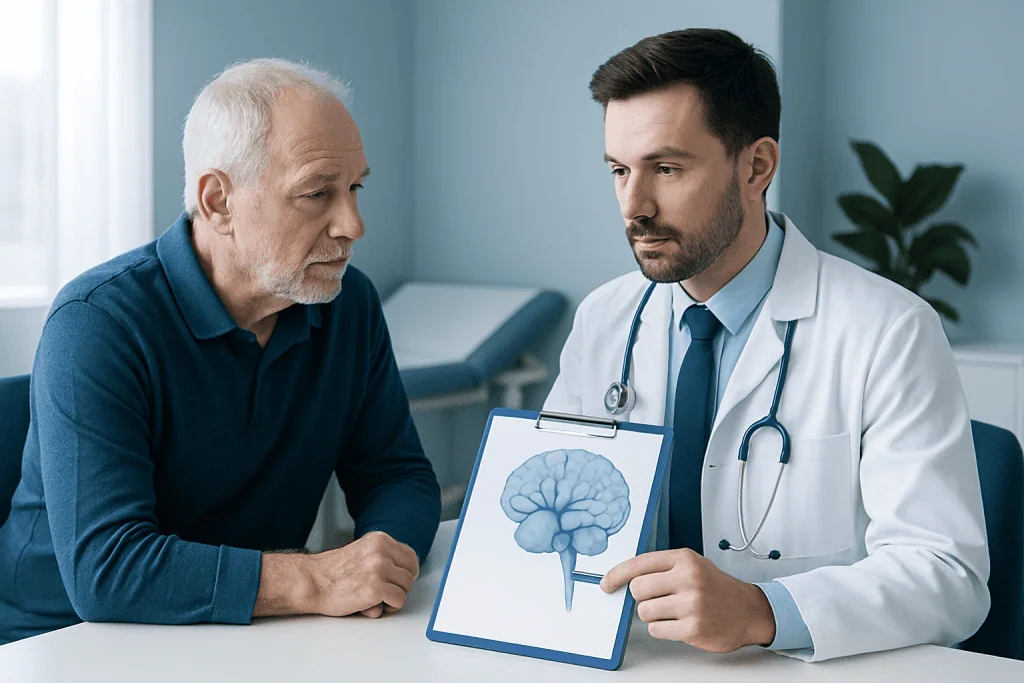
On arrival, the emergency team assesses symptoms, vital signs, blood sugar, medication history and neurological function. Urgent brain imaging confirms the diagnosis and may be followed by CT angiography, MRI or catheter angiography when doctors need to investigate a blood vessel abnormality. Blood tests help guide safe treatment.
Initial treatment commonly includes carefully controlled blood pressure management, treatment to reverse anticoagulant effects when appropriate, temperature and blood glucose management, and prevention or treatment of seizures when clinically indicated. The person is monitored closely for changes in alertness, speech, movement, breathing and signs of increasing brain pressure.
If a clot is causing dangerous pressure, neurosurgery may be considered to remove blood or relieve pressure. For bleeding related to an aneurysm, specialists may seal the aneurysm through microsurgical clipping or a catheter-based technique such as coiling. A drain may be placed to treat hydrocephalus, a buildup of cerebrospinal fluid that can occur after some bleeds.
Procedural decisions balance potential benefit with the risks of operating on delicate brain tissue. The care team explains why a particular approach is recommended, what alternatives exist and what recovery needs may follow. Stroke treatment plans are adapted as the person’s condition and imaging results evolve.
Benefits, Risks and Early Hospital Recovery
The potential benefits of treatment include limiting further bleeding, lowering pressure on the brain, treating the source of a hemorrhage and reducing complications such as hydrocephalus, blood clots, infection, swallowing difficulties and immobility. Early specialist care also helps identify rehabilitation needs as soon as the person is medically stable.
Risks depend on the severity of the stroke and the treatment used. A hemorrhagic stroke itself can cause worsening weakness, speech or memory problems, seizures, reduced consciousness or death. Procedures may carry risks such as infection, further bleeding, stroke, anesthesia complications or damage to nearby brain tissue, although teams use careful imaging and monitoring to reduce these risks.
The first days are often unpredictable. Some people improve steadily, while others need prolonged intensive care or require treatment for complications. Families may be asked to participate in discussions about the person’s values, likely needs and appropriate goals of care, particularly when the hemorrhage is severe.
How Long Does It Take the Brain to Heal From a Hemorrhagic Stroke?
There is no single healing timeline after a hemorrhagic stroke. The greatest medical instability is often in the first hours to days, while early neurological recovery may become clearer over the following weeks. Many people make their most noticeable functional gains during the first three to six months, but improvement can continue for a year or longer.
Recovery depends on the amount and location of bleeding, the cause, how quickly treatment was received, age, other health conditions and access to rehabilitation. Fatigue, slowed thinking and emotional changes can persist even when physical strength improves, so recovery should be viewed as a gradual process rather than a fixed deadline.
Regular follow-up helps the team adjust rehabilitation, manage symptoms and monitor the condition that caused the bleed. Setting realistic, meaningful goals can help patients and families recognize progress over time.
Can the Brain Heal Itself After Hemorrhagic Stroke?
The brain has some ability to adapt after injury, a process often called neuroplasticity. Surviving brain networks can sometimes reorganize, and people may relearn skills through repeated, targeted practice. This does not mean that all damaged tissue returns to normal, but it explains why rehabilitation can lead to meaningful improvements.
Physiotherapy can support walking, balance and strength. Occupational therapy can help with daily activities such as dressing, eating and returning to home routines. Speech and language therapy may address communication, swallowing and cognitive-communication difficulties. Psychological support can also be valuable for mood changes, anxiety and adjustment after stroke.
Recovery is usually most effective when therapy is personalized, started when medically safe and continued at an appropriate intensity. A diagnosis such as hemorrhagic stroke requires ongoing medical follow-up alongside rehabilitation rather than relying on self-directed recovery alone.
What Is Life Like After a Hemorrhagic Stroke?
Life after a hemorrhagic stroke can look very different from one person to another. Some people return to many previous activities with minor changes, while others need assistance with mobility, communication, personal care or decision-making. Invisible effects, including fatigue, concentration problems, irritability, depression and sleep disturbance, are also common and deserve clinical attention.
Rehabilitation often continues after discharge through inpatient programs, outpatient therapy, home-based services or a combination of these. A home assessment may help identify useful adaptations, such as grab rails, mobility aids or changes that make bathing and cooking safer. Driving, work and travel should be discussed with the treating team because readiness varies.
Family members and caregivers may need training and support as well. Clear communication about medications, warning signs, follow-up appointments and rehabilitation goals can make the transition from hospital to home more manageable. Support groups and counseling can reduce isolation for both survivors and caregivers.
What Are the Typical Outcomes for Hemorrhagic Strokes?
Outcomes for hemorrhagic strokes range from good functional recovery to long-term disability or, in severe cases, death. In general, outcome is influenced by the size and location of the bleed, level of consciousness at presentation, extension of blood into the brain’s fluid spaces, underlying cause and medical complications. A treating team can provide the most relevant outlook after reviewing scans and observing early progress.
It is important to avoid making firm predictions too early. Neurological recovery may be uneven: movement may improve before speech, or physical recovery may occur while cognitive symptoms remain. Follow-up assessments provide a clearer understanding of changing needs and longer-term potential.
Preventing another stroke is an important part of outcomes. This includes managing high blood pressure, avoiding tobacco, limiting alcohol where advised, controlling diabetes and cholesterol, reviewing medicines safely and treating vascular conditions that contributed to the hemorrhage.
When to Seek Medical Care
Emergency care is needed immediately for sudden severe headache, weakness or numbness on one side of the body, facial drooping, trouble speaking or understanding speech, loss of balance, new confusion, vision changes, seizures, fainting or reduced consciousness. A sudden “worst-ever” headache, especially with vomiting, neck stiffness or collapse, may indicate bleeding around the brain.
People should call local emergency services rather than drive themselves or wait for symptoms to pass. Time matters because rapid imaging and specialist assessment can identify the cause of symptoms and guide urgent treatment.
After discharge, urgent medical advice is needed for new or worsening neurological symptoms, severe headache, repeated vomiting, seizures, marked drowsiness, fever with concerning symptoms, or concerns about medication side effects. Acibadem International’s multidisciplinary specialists at JCI-accredited hospitals diagnose and treat hemorrhagic stroke for international patients, including acute care and rehabilitation planning.
Frequently asked questions
What is the first treatment for a hemorrhagic stroke?
The first treatment is emergency assessment and brain imaging, usually a CT scan, to confirm bleeding and determine its location. Doctors then stabilize vital functions, manage blood pressure, review blood-thinning medicines and monitor for rising pressure in the brain.
Can hemorrhagic stroke be treated without surgery?
Yes. Many hemorrhagic strokes are managed without surgery using close monitoring, medicines and treatment of contributing factors such as high blood pressure or anticoagulant use. Surgery or a catheter-based procedure is considered when there is a clear expected benefit, such as dangerous pressure, hydrocephalus or an aneurysm that needs securing.
How long does it take the brain to heal from a hemorrhagic stroke?
Recovery differs greatly, but the first weeks and months are often the most active period for improvement. Many people continue gaining function beyond six months, and some improvements may continue for a year or longer with rehabilitation and medical follow-up.
Can the brain heal itself after hemorrhagic stroke?
The brain can adapt by strengthening or reorganizing surviving networks, particularly with repeated rehabilitation practice. However, recovery is variable, and professional rehabilitation is important to support safe, meaningful progress.
What is life like after a hemorrhagic stroke?
Some survivors resume independent daily life, while others need ongoing help with movement, speech, thinking or personal care. Fatigue, mood changes and cognitive symptoms are also possible, so recovery care should address emotional and practical needs as well as physical function.
What are the typical outcomes for hemorrhagic strokes?
Outcomes depend on factors such as the bleed’s size and location, the underlying cause, initial symptoms and complications. The treating team can give a more individualized outlook after reviewing imaging and monitoring recovery over time.
References
- American Stroke Association
- National Institute of Neurological Disorders and Stroke
- World Stroke Organization
- European Stroke Organisation
- National Health Service
This article is for general information only and is not a substitute for professional medical advice. Please consult a qualified doctor about your individual situation.
Explore treatments in Turkey — costs, top hospitals & a free quote
JCI-accredited · board-certified surgeons · reply within 24h
Add us as a Preferred Source to see more of our trusted health content across Google Search, AI Overviews and Discover.
Check your numbers in seconds
BMI, calories, due date, blood pressure and 30+ more clinical calculators — free, instant, doctor-reviewed ranges.