Her2 Negative Breast Cancer Explained: Causes, Management, and When to See a Doctor

HER2 status is determined by laboratory testing of a breast cancer tissue sample. HER2-negative breast cancer is a broad group that may be hormone receptor-positive or triple-negative.
Key Takeaways
- HER2 status is determined by laboratory testing of a breast cancer tissue sample.
- HER2-negative breast cancer is a broad group that may be hormone receptor-positive or triple-negative.
- Treatment is individualized according to stage, hormone receptor status, tumor features, overall health, and personal preferences.
- HER2-targeted medicines used for HER2-positive disease are generally not standard treatment for HER2-negative tumors.
- A new breast lump, nipple discharge, skin changes, or persistent breast change should be assessed by a healthcare professional.
HER2-negative breast cancer means that the cancer cells do not have an excess of the HER2 protein or extra copies of the HER2 gene. This result helps the care team select appropriate treatment, but it does not alone determine the cancer’s stage, outlook, or whether it will respond to treatment.
What Does HER2-Negative Breast Cancer Mean?
HER2-negative breast cancer is breast cancer in which testing does not show HER2 protein overexpression or HER2 gene amplification. HER2, short for human epidermal growth factor receptor 2, is a protein that can promote the growth of breast cells. Some breast cancers make too much HER2, while others do not. Knowing this result is an important part of planning care.
HER2-negative is not one single type of breast cancer. A HER2-negative tumor may also be estrogen receptor (ER)-positive and/or progesterone receptor (PR)-positive. These are often called hormone receptor-positive cancers. Alternatively, a tumor may be negative for ER, PR, and HER2; this is known as triple-negative breast cancer.
HER2 status is only one part of a pathology report. The care team also considers whether cancer is invasive or non-invasive, its grade, size, lymph node involvement, stage, hormone receptor results, genomic test results when appropriate, and a person’s general health. These factors together provide a more meaningful picture than HER2 status alone.
How HER2 Testing Is Performed and Interpreted
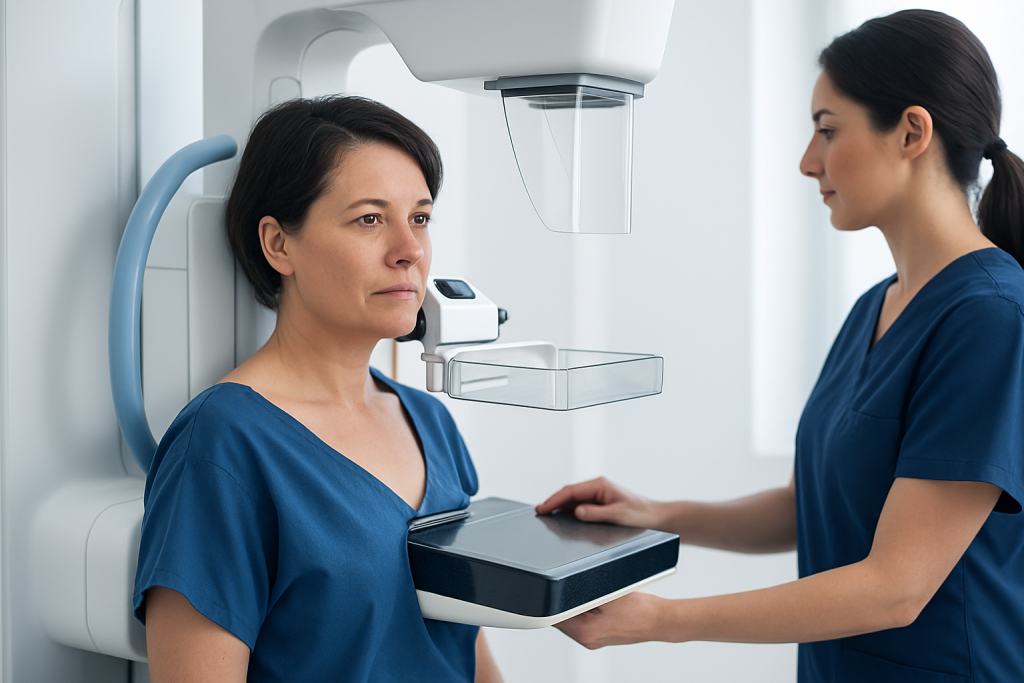
HER2 testing is usually performed on tissue collected during a core needle biopsy or surgery. A pathologist examines the sample using a laboratory method called immunohistochemistry (IHC), which measures the amount of HER2 protein on cancer cells. Results are commonly reported on a scale from 0 to 3+.
An IHC result of 0 or 1+ is generally considered HER2-negative. A result of 3+ is considered HER2-positive. If IHC is 2+, the result is considered equivocal and is usually followed by an in situ hybridization (ISH) test, which checks whether there are extra copies of the HER2 gene. A tumor is HER2-negative when this additional testing does not show gene amplification.
Some pathology reports also use the term “HER2-low,” often referring to IHC 1+ or IHC 2+ with a negative ISH test. HER2-low is still classified as HER2-negative in the traditional sense, but it may be relevant in certain settings because some newer antibody-drug conjugate treatments may be options for selected people with advanced disease. The meaning of this result should be discussed with an oncology team in the context of the individual cancer.
Symptoms and Why Screening Still Matters

HER2-negative breast cancer does not cause a unique set of symptoms. Early breast cancer may cause no noticeable symptoms and may be found through routine mammography. This is why screening recommendations based on age, family history, breast density, and individual risk remain important.
Possible signs of breast cancer include a new lump or thickening in the breast or underarm, a change in breast size or shape, skin dimpling, redness, scaling around the nipple, nipple inversion that is new, or nipple discharge that is not breast milk. Breast pain is common and is more often related to non-cancerous causes, but persistent or focal pain should still be evaluated.
These symptoms do not automatically mean cancer. Cysts, infections, hormonal changes, benign breast conditions, and other causes can produce similar changes. However, new or persistent breast changes deserve timely medical assessment rather than self-diagnosis.
Causes and Risk Factors
There is no single known cause of HER2-negative breast cancer. Breast cancer develops when changes in the DNA of breast cells allow them to grow and divide abnormally. HER2 status describes a biological feature of the tumor after it develops; it is not usually something a person can predict from symptoms, lifestyle, or family history alone.
Factors associated with breast cancer overall include increasing age, a personal history of certain breast conditions, dense breasts, alcohol use, obesity after menopause, limited physical activity, and exposure to estrogen over time. Reproductive history and use of some hormone therapies may also affect risk. Having one or more risk factors does not mean a person will develop breast cancer, and many people diagnosed with breast cancer have no obvious risk factor.
Inherited genetic changes, including changes in BRCA1, BRCA2, PALB2, and other genes, can increase the likelihood of breast cancer in some families. Genetic counseling may be helpful for people with a strong family history of breast, ovarian, pancreatic, or prostate cancer; breast cancer diagnosed at a young age; multiple cancers in the family; or triple-negative breast cancer diagnosed at a younger age. A clinician can advise whether genetic testing is appropriate.
How Treatment Decisions Are Made
Treatment for HER2-negative breast cancer is tailored to the person and the cancer. In early-stage disease, care may involve surgery, radiation therapy, systemic treatment before or after surgery, or a combination of these approaches. The goals may include removing or controlling the cancer, reducing the chance of recurrence, and preserving quality of life.
For hormone receptor-positive, HER2-negative cancer, endocrine therapy is often a central part of treatment. These medicines lower or block the effect of estrogen on cancer cells. Depending on the situation, chemotherapy may also be recommended. For some early hormone receptor-positive cancers, genomic assays performed on tumor tissue can help estimate whether chemotherapy is likely to add benefit alongside endocrine therapy.
For triple-negative breast cancer, chemotherapy commonly has an important role. In selected cases, immunotherapy may be used with chemotherapy, particularly for certain higher-risk early cancers or advanced cancers. Surgery may include breast-conserving surgery or mastectomy, and lymph nodes may be assessed when needed. Radiation may be recommended after breast-conserving surgery and in other situations based on tumor and lymph node findings.
In metastatic HER2-negative breast cancer, treatment aims to control the disease, relieve symptoms, and support daily functioning for as long as possible. Options can include endocrine therapy, chemotherapy, immunotherapy, targeted medicines for tumors with specific genetic features, and selected antibody-drug conjugates. A multidisciplinary team can explain the expected benefits, possible side effects, and sequence of treatments.
Living Well During and After Treatment
Supportive care is an important part of breast cancer management from diagnosis onward. It may include help with fatigue, nausea, pain, menopausal symptoms, sleep difficulties, emotional wellbeing, fertility concerns, nutrition, rehabilitation, and lymphedema prevention or treatment. People should tell their care team about new symptoms or treatment side effects rather than trying to manage them alone.
Regular physical activity, when medically appropriate, can support strength, mood, sleep, and general health. A balanced eating pattern, limiting alcohol, avoiding tobacco, and maintaining a weight that is healthy for the individual can also support overall wellbeing. These steps cannot guarantee that breast cancer will not recur, but they are meaningful components of long-term health.
Follow-up appointments are individualized. They commonly include a review of symptoms, physical examination, and breast imaging when applicable. Routine scans and blood tests are not always needed for people without symptoms after treatment for early-stage breast cancer; the follow-up plan should be based on clinical guidance and personal circumstances.
Emotional reactions after a diagnosis can vary widely, including fear, sadness, uncertainty, or difficulty concentrating. Support from loved ones, cancer support services, mental health professionals, and patient groups may be helpful. Acibadem International’s multidisciplinary specialists at JCI-accredited hospitals support diagnosis and treatment planning for international patients with breast cancer.
When to Seek Medical Care
A person should arrange a medical appointment promptly for a new breast or underarm lump, persistent thickening, a visible change in breast shape, unexplained skin dimpling, a new nipple change, or bloody or spontaneous nipple discharge. These symptoms are often caused by conditions other than cancer, but assessment is the safest way to identify the cause.
People who have already been treated for breast cancer should contact their oncology team if they develop persistent new symptoms, such as worsening bone pain, unexplained shortness of breath, ongoing headaches, unexplained weight loss, or new neurological symptoms. These symptoms can have many causes, but prompt assessment is important.
Urgent medical care is appropriate for severe chest pain, significant breathing difficulty, sudden weakness or trouble speaking, high fever during cancer treatment, or rapidly worsening symptoms. People receiving chemotherapy or other systemic treatment should follow the urgent-contact instructions provided by their treatment team.
Frequently asked questions
Is HER2-negative breast cancer less serious than HER2-positive breast cancer?
HER2 status alone does not determine whether a breast cancer is more or less serious. Outlook depends on many factors, including stage, tumor grade, hormone receptor status, lymph node involvement, response to treatment, and overall health. Both HER2-negative and HER2-positive breast cancers have effective treatment approaches.
Is HER2-negative breast cancer the same as triple-negative breast cancer?
No. Triple-negative breast cancer is negative for estrogen receptors, progesterone receptors, and HER2. HER2-negative cancers can still be estrogen receptor-positive and/or progesterone receptor-positive, and these cancers are often treated differently from triple-negative disease.
Can HER2 status change over time?
HER2 status can sometimes differ between the original tumor and a recurrence or metastasis. For this reason, doctors may recommend a new biopsy when breast cancer returns or spreads, if it can be done safely. Retesting can help guide the most appropriate treatment.
Does HER2-negative breast cancer require chemotherapy?
Not always. Some hormone receptor-positive, HER2-negative early breast cancers can be effectively treated with surgery, radiation when indicated, and endocrine therapy without chemotherapy. Chemotherapy is more likely to be considered when the cancer has higher-risk features, is triple-negative, has spread to lymph nodes, or is advanced.
What does HER2-low mean?
HER2-low generally describes a tumor with a low level of HER2 expression, often an IHC score of 1+ or 2+ without HER2 gene amplification. It remains categorized as HER2-negative by standard testing. In some people with advanced breast cancer, the result may help identify eligibility for particular newer treatments.
Can lifestyle changes prevent HER2-negative breast cancer?
No lifestyle change can fully prevent breast cancer. However, regular activity, limiting alcohol, avoiding tobacco, maintaining a healthy weight where possible, and attending recommended screening can support breast health and general wellbeing. People with a strong family history should discuss individualized risk assessment with a doctor.
References
- American Cancer Society
- National Cancer Institute
- American Society of Clinical Oncology
- World Health Organization
- National Comprehensive Cancer Network
This article is for general information only and is not a substitute for professional medical advice. Please consult a qualified doctor about your individual situation.
Breast Cancer in Turkey — costs, top hospitals & a free quote
JCI-accredited · board-certified surgeons · reply within 24h
Add us as a Preferred Source to see more of our trusted health content across Google Search, AI Overviews and Discover.

Medical Oncology Department
Medical treatment of cancer with chemotherapy, immunotherapy and targeted therapies under a multidisciplinary tumor board.
60 specialists in this unit