Herpangina: What Patients Need to Know

Herpangina is usually caused by enteroviruses, especially coxsackie viruses. Typical symptoms include fever, sore throat, pain with swallowing, and small ulcers in the back of the mouth.
Key Takeaways
- Herpangina is usually caused by enteroviruses, especially coxsackie viruses.
- Typical symptoms include fever, sore throat, pain with swallowing, and small ulcers in the back of the mouth.
- Most cases get better with supportive care such as fluids, rest, and fever or pain relief recommended by a doctor.
- Dehydration is one of the main concerns, especially in young children who refuse to drink because of mouth pain.
- Medical assessment is important if symptoms are severe, the child is not drinking well, or the diagnosis is uncertain.
Herpangina is a contagious viral infection that usually causes sudden fever, sore throat, and small painful blisters or ulcers at the back of the mouth. It is most common in children and often improves on its own within about a week, but supportive care and good hydration are important.
Overview
Herpangina is a common viral illness that causes a sudden fever and small painful sores in the mouth, usually on the soft palate, tonsils, or back of the throat. It is seen most often in infants and children, although teenagers and adults can also develop it. In many cases, the illness is uncomfortable but self-limited, meaning it improves on its own with time.
The condition is most often linked to enteroviruses, particularly coxsackie viruses. These viruses spread easily through close contact, respiratory droplets, saliva, and contact with contaminated surfaces or stool. Because of this, herpangina may occur in households, nurseries, schools, and other settings where children are in close contact.
Although the name sounds similar to “angina” or “herpes,” herpangina is different from heart-related angina and is not caused by the herpes virus. The condition mainly affects the back of the mouth and throat, which can make eating and drinking uncomfortable for a few days. Knowing what to expect can help families focus on hydration, comfort, and appropriate medical advice when needed.
Symptoms and how herpangina feels
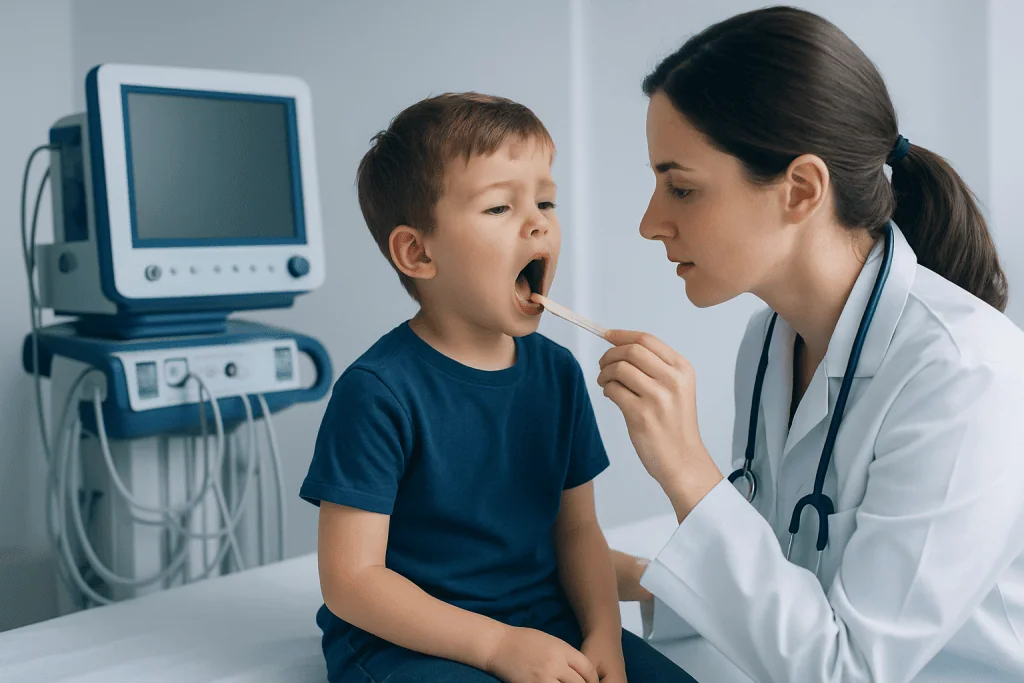
Herpangina often starts suddenly. A child may seem well and then quickly develop fever, throat pain, reduced appetite, and irritability. Within a short time, tiny blister-like spots can appear in the back of the mouth and then turn into shallow ulcers with a reddish border.
These sores are usually found on the soft palate, uvula, tonsils, or back of the throat rather than on the lips or front gums. Because swallowing may hurt, children may drool, refuse food, or drink less than usual. Younger children may not be able to describe throat pain, so a change in feeding or behavior can be an important clue.
Common symptoms may include:
- Fever
- Sore throat
- Pain with swallowing
- Small ulcers or blisters at the back of the mouth
- Headache
- Reduced appetite
- Tiredness or fussiness
- Neck gland swelling in some cases
Some viral infections can look similar. For example, hand, foot, and mouth disease may also cause mouth sores, but it more often includes a rash on the hands, feet, or other parts of the body. A doctor can help tell these conditions apart when symptoms overlap.
Causes, spread, and risk factors
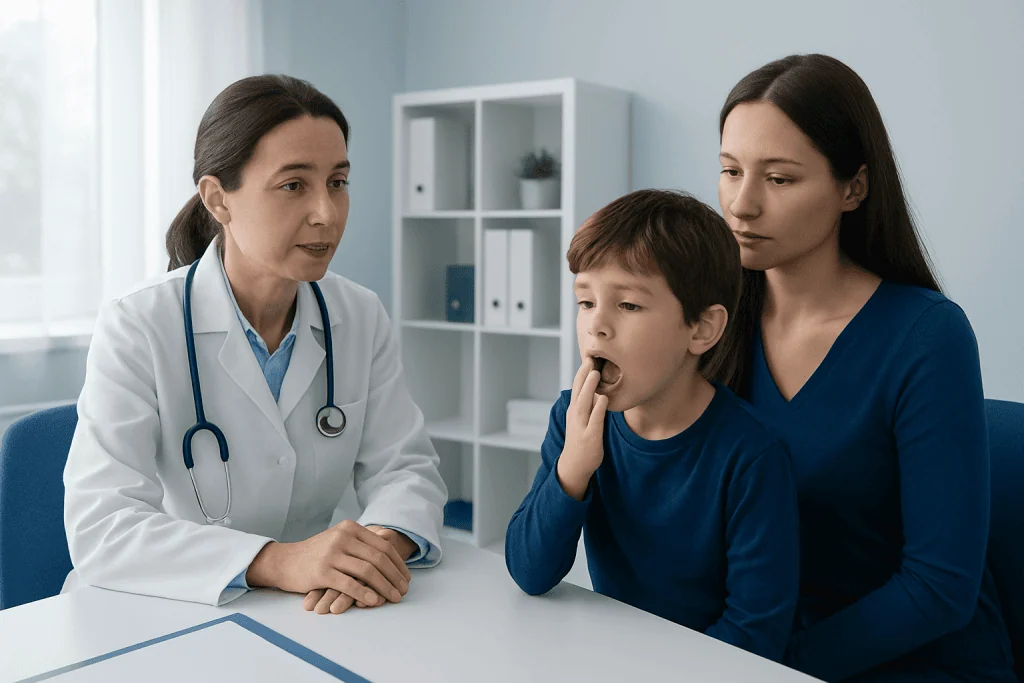
Herpangina is caused by a group of viruses called enteroviruses. Coxsackie A viruses are classic causes, but other enteroviruses can also be responsible. These infections tend to occur more often in warmer months in many regions, though they can happen at any time of year.
The viruses spread from person to person through respiratory secretions, saliva, stool, and contaminated hands or objects. A child may become infected after close contact with someone who is ill or by touching a surface with the virus and then touching the mouth, nose, or eyes. Good hand hygiene plays an important role in reducing spread.
Risk is higher in younger children because they have not yet developed immunity to many of these viruses and often have close contact with others in daycare or school. Crowded settings, shared toys, and incomplete handwashing can make transmission easier. People can sometimes spread the virus even before symptoms are obvious.
Herpangina is not caused by poor nutrition, allergies, or antibiotics. It is also not the same as bacterial tonsillitis or tonsillitis, although the sore throat can appear similar at first. This is one reason a clinical examination is helpful when symptoms are significant.
How doctors diagnose herpangina
Doctors usually diagnose herpangina based on the pattern of symptoms and a physical examination. The location of the ulcers at the back of the mouth, together with fever and sore throat, often gives a strong clue. In otherwise healthy children with a typical presentation, special tests are often not needed.
The doctor may ask when the fever started, whether the child is drinking normally, and whether there has been exposure to others with a similar illness. They may also check for signs of dehydration, such as dry mouth, fewer wet diapers, reduced urination, lethargy, or crying without tears.
Laboratory testing is usually reserved for unusual, severe, or unclear cases. Because several conditions can cause mouth sores and fever, the doctor may consider other possibilities such as strep throat, aphthous ulcers, pharyngitis, or hand, foot, and mouth disease. The goal of diagnosis is not only to name the illness but also to identify children who may need closer monitoring or supportive treatment.
Treatment options and symptom relief
There is no specific antibiotic treatment for herpangina because it is caused by viruses, not bacteria. Care focuses on relieving discomfort, supporting fluid intake, and allowing the body time to clear the infection. Most children recover within several days to about a week.
Supportive care commonly includes rest, cool fluids, and age-appropriate pain or fever medicines recommended by a doctor. Soft foods may be easier to tolerate than salty, spicy, acidic, or crunchy foods. In some cases, a physician may suggest additional measures to ease throat pain and help the child drink more comfortably.
Helpful measures may include:
- Frequent small sips of water or oral rehydration fluids
- Cold or cool foods such as yogurt or ice pops if tolerated
- Soft, bland meals
- Fever and pain control guided by a healthcare professional
- Extra rest at home until fever improves and energy returns
Antibiotics do not treat herpangina and should not be used unless a doctor finds a separate bacterial infection. If a child has significant dehydration, cannot swallow, or needs closer medical support, hospital-based care may be required. In selected situations, clinicians may use IV therapy to restore fluids or pediatric care services for monitoring and symptom management.
Prevention and self-care at home
The best home approach is to combine comfort care with steps that limit spread to others. Because the virus can pass through saliva, respiratory droplets, and stool, careful hygiene is especially important when caring for infants and young children. Even after a child begins to feel better, handwashing should remain a priority.
Caregivers can encourage drinking by offering small amounts often rather than expecting full meals or large drinks at once. A child who does not want to eat much for a day or two may still do well if fluid intake is maintained. Monitoring urine output and general alertness can be more useful than focusing only on appetite.
Practical prevention and self-care steps include:
- Washing hands well after diaper changes, bathroom use, and wiping noses
- Not sharing cups, utensils, towels, or toothbrushes
- Cleaning frequently touched toys and surfaces
- Keeping a sick child home from school or daycare while feverish or feeling unwell
- Offering cool, non-irritating foods and drinks
If symptoms are persistent or severe, families may benefit from consultation with specialists in infectious diseases or supportive hospital assessment. Near the end of the care pathway, it may also help to know that Acibadem International’s multidisciplinary specialists in JCI-accredited hospitals diagnose and treat viral illnesses and related complications for international patients.
When to seek medical care
Many cases of herpangina can be managed at home with guidance from a healthcare professional, but some situations need prompt medical attention. The most important concern is dehydration, particularly in babies and young children who stop drinking because swallowing is too painful.
Medical assessment is important if a child has trouble breathing, severe drowsiness, signs of dehydration, a very high or persistent fever, repeated vomiting, a stiff neck, seizures, or symptoms that are worsening instead of improving. Care is also advisable if mouth sores are so painful that the child cannot drink, if symptoms last longer than expected, or if the diagnosis is uncertain.
Parents and caregivers should trust their judgment. If a child seems unusually unwell, difficult to wake, or not behaving normally, contacting a doctor is the safest step. Early review can help confirm the diagnosis, rule out other illnesses, and prevent complications related to poor fluid intake.
Frequently asked questions
Is herpangina the same as hand, foot, and mouth disease?
No. Both are often caused by related enteroviruses and can cause mouth sores, but hand, foot, and mouth disease usually also causes a rash on the hands, feet, or sometimes other areas. Herpangina mainly causes painful sores at the back of the mouth and throat.
How long does herpangina last?
Herpangina usually improves within several days to about a week. Fever often settles first, while mouth pain may take a little longer to fully ease. Recovery time can vary depending on age, hydration, and the severity of symptoms.
Can adults get herpangina?
Yes, although it is more common in children. Adults may develop herpangina if they are exposed to the virus and do not have immunity. Symptoms in adults can include sore throat, fever, and painful mouth ulcers.
Do antibiotics help treat herpangina?
No. Herpangina is caused by viruses, so antibiotics are not effective unless there is a separate bacterial infection diagnosed by a doctor. Treatment is mainly supportive, focusing on fluids, rest, and relief of fever or pain.
Is herpangina contagious?
Yes. The viruses that cause herpangina can spread through saliva, respiratory droplets, stool, and contaminated surfaces. Good handwashing and avoiding shared utensils or cups can help reduce transmission.
What can a child eat or drink with herpangina?
Cool fluids and soft, bland foods are often easiest to tolerate. Water, oral rehydration solutions, yogurt, or ice pops may be more comfortable than spicy, salty, acidic, or crunchy foods. If a child is refusing fluids or urinating less, medical advice is important.
References
- Centers for Disease Control and Prevention
- American Academy of Pediatrics
- World Health Organization
- MedlinePlus
- Merck Manual Consumer Version
This article is for general information only and is not a substitute for professional medical advice. Please consult a qualified doctor about your individual situation.
Angina in Turkey — costs, top hospitals & a free quote
JCI-accredited · board-certified surgeons · reply within 24h
Add us as a Preferred Source to see more of our trusted health content across Google Search, AI Overviews and Discover.