

Herpes on Black Skin: An Evidence-Based Guide for Patients
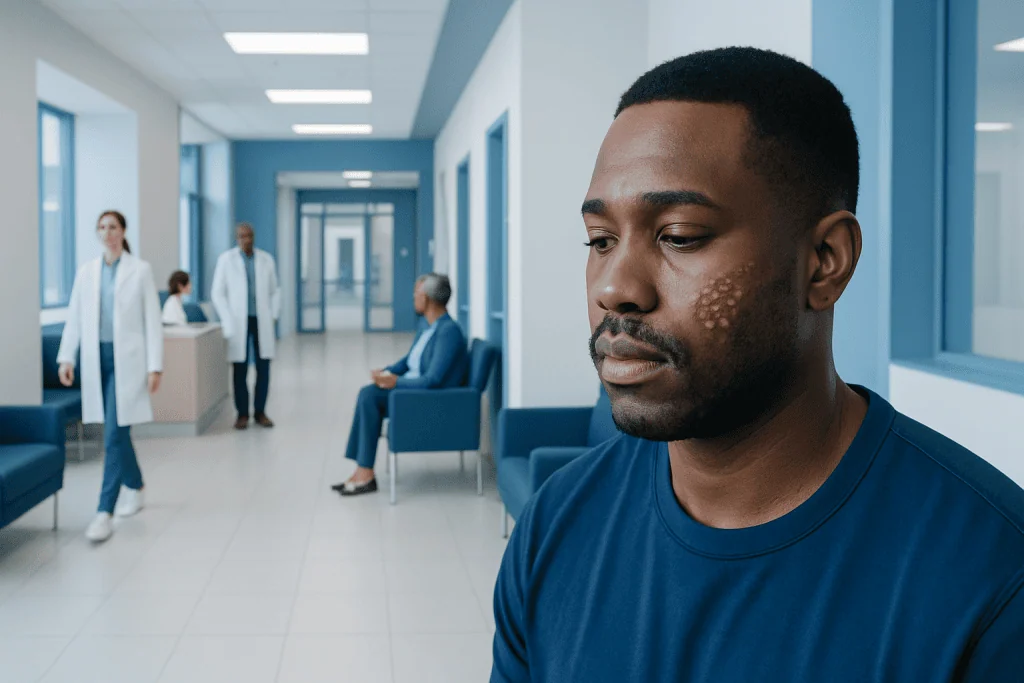
Herpes lesions on black skin may look darker, grayish, violet, or subtle rather than bright red. Pain, tingling, burning, and clusters of sores are often more useful clues than color alone.
Key Takeaways
- Herpes lesions on black skin may look darker, grayish, violet, or subtle rather than bright red.
- Pain, tingling, burning, and clusters of sores are often more useful clues than color alone.
- A clinician can usually diagnose herpes by examination and confirm it with a swab or blood test when needed.
- Antiviral medicines can shorten outbreaks, reduce symptoms, and lower the risk of transmission.
- Patients should seek medical care promptly for first outbreaks, severe pain, eye symptoms, pregnancy, or a weakened immune system.
Herpes on black skin can be harder to recognize because redness may appear violet, gray, brown, or less obvious than it does on lighter skin. The infection is the same across skin tones, but careful attention to color change, pain, tingling, and blistering can help patients seek timely diagnosis and treatment.
Overview: what herpes on black skin looks like
Herpes on black skin usually refers to an infection caused by herpes simplex virus (HSV) that affects the lips, mouth, genitals, buttocks, or nearby skin. On darker skin tones, the rash may not appear bright red. Instead, lesions may look violet, gray, brown, deep red, or simply darker than the surrounding skin. In some people, the most noticeable features are tenderness, tingling, or small grouped blisters rather than a dramatic color change.
This difference in appearance can delay recognition, especially during a first outbreak. Patients may mistake herpes for razor bumps, ingrown hairs, friction irritation, acne, yeast infection, eczema, or another skin condition. That is why it helps to focus on the full pattern: burning or tingling, then clusters of painful bumps or blisters, followed by open sores or crusting as the area heals.
HSV is common and manageable. Oral herpes often affects the lips or area around the mouth, while genital herpes affects the vulva, vagina, cervix, penis, scrotum, anus, buttocks, or upper thighs. The same virus types can appear in either location. Patients looking for more general background may also find it useful to read about genital herpes.
How symptoms may appear on darker skin tones
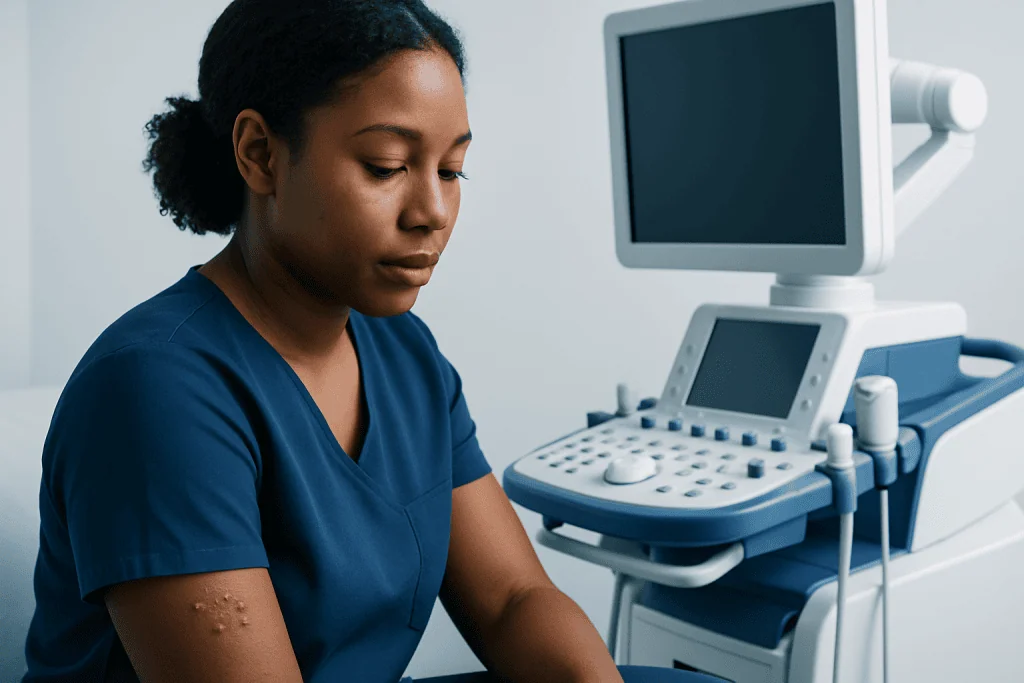
On black skin, herpes can begin with subtle skin changes before obvious sores appear. A person may notice localized itching, burning, stinging, or tingling. Soon after, small fluid-filled blisters or tender bumps may develop in a cluster. On darker skin, these spots may be harder to see individually, especially in low light or in areas with natural pigmentation variation.
As lesions evolve, they may break open into shallow ulcers and then crust over. Rather than looking bright pink, the affected skin may seem dusky, violaceous, gray, or hyperpigmented. Once the outbreak heals, some patients are left with temporary dark marks, called post-inflammatory hyperpigmentation, which can last longer than the sores themselves.
Symptoms can differ by body area. Oral herpes may cause tingling on the lip border, then a cold sore that crusts. Genital herpes may cause pain with urination, tenderness, swollen lymph nodes, or discomfort when walking or sitting. A first outbreak may also include fever, body aches, or fatigue, while recurrent outbreaks are often milder and shorter.
- Painful grouped bumps or blisters
- Burning, tingling, or itching before sores appear
- Shallow ulcers that may crust as they heal
- Color changes that look purple, gray, brown, or darker than usual skin
- Temporary dark spots after the outbreak resolves
Common triggers, causes, and risk factors

Herpes is caused by herpes simplex virus. HSV-1 more often causes oral herpes, and HSV-2 more often causes genital herpes, but either type can infect the mouth or genital area. The virus spreads through direct skin-to-skin contact, kissing, oral sex, vaginal sex, anal sex, and contact with sores or secretions. Transmission can also occur when no sore is visible because the virus can shed from the skin intermittently.
After the first infection, HSV remains in the body in a resting state and can reactivate later. Recurrent outbreaks may be triggered by illness, emotional stress, friction, menstruation, sun exposure, fatigue, or a weakened immune system. Some patients notice a predictable early warning feeling, called a prodrome, before sores appear.
Having one skin condition can also make another problem harder to identify. For example, herpes may be confused with folliculitis after shaving, contact dermatitis from scented products, or inflammatory rashes such as eczema. Other sexually transmitted infections can also cause sores or irritation, so a proper evaluation matters if the diagnosis is uncertain.
Why herpes can be misread on black skin
Skin conditions are sometimes described and taught using images of lighter skin, which can make recognition on darker skin more difficult. In black skin, inflammation does not always present as obvious redness. Instead, clinicians and patients may need to look for texture change, swelling, tenderness, surface breakdown, and altered pigmentation.
Herpes can be confused with several common conditions. In the genital area, shaving-related bumps, ingrown hairs, fungal rash, friction injury, bacterial infection, or aphthous-like ulcers may mimic it. Around the mouth, cold sores may resemble chapped skin, impetigo, acne, or irritation. The history often provides key clues: pain out of proportion to what is seen, grouped lesions, recurrence in the same area, and a tingling phase before the outbreak.
Good lighting and close inspection can help, but self-diagnosis is not always reliable. If a rash is new, painful, recurring, or associated with sexual exposure, a medical review is sensible. Dermatology input may be especially helpful when the appearance is atypical or when post-inflammatory darkening persists after healing.
How doctors diagnose herpes
Diagnosis starts with a medical history and physical examination. A clinician asks when symptoms started, whether there was tingling or burning first, whether the rash has happened before, and whether there has been oral or sexual exposure. The location and pattern of lesions often strongly suggest herpes, even when the color looks less typical on dark skin.
If sores are present, a swab test from the lesion can help confirm HSV and identify the type. This is often most useful early in the outbreak, when blisters or fresh ulcers are still present. Blood tests may sometimes be used to look for past exposure, but they do not always explain whether a current rash is definitely caused by herpes.
Doctors may also consider other diagnoses if the appearance is unclear or if the sores are severe, persistent, or unusual. Depending on the body area and symptoms, evaluation may overlap with broader dermatology care or infectious diseases evaluation. The goal is not only to identify HSV, but also to rule out other causes that may need different treatment.
Treatment options and symptom relief
There is no cure that removes HSV from the body, but treatment can control symptoms and reduce recurrences. Antiviral medicines are commonly used for first episodes, recurrent outbreaks, or daily suppression in people who have frequent flare-ups or want to reduce transmission risk. Starting treatment early, ideally when tingling or burning first begins, may help shorten an outbreak.
Supportive care also matters. Gentle cleansing, avoiding friction, wearing loose breathable clothing, and keeping the area dry can reduce discomfort. For oral sores, bland lip care and avoiding acidic or spicy foods may help. For genital sores, urinating in the shower or pouring lukewarm water over the area may ease stinging. Patients should avoid picking at lesions, since this can delay healing and increase irritation or dark marks.
When outbreaks are frequent or diagnosis is uncertain, specialist review may be helpful. In some cases, patients may benefit from specialist skin assessment or coordinated care if another condition is contributing to irritation. Near the end of the care pathway, Acibadem International’s multidisciplinary specialists at JCI-accredited hospitals also diagnose and treat herpes and related skin concerns for international patients.
Prevention, skin care, and protecting partners
Preventing transmission starts with avoiding direct contact during an outbreak or when prodromal symptoms such as tingling or burning are present. Condoms and dental dams can reduce, but not completely eliminate, the risk of spread because uncovered skin can still shed the virus. Patients who have genital herpes may wish to discuss suppressive antiviral therapy with a doctor if transmission prevention is a major concern.
Skin care can be especially important on darker skin because inflammation may leave temporary pigment changes. Gentle fragrance-free cleansers, avoiding harsh scrubs, and minimizing friction from shaving or tight clothing may help the skin recover. Patients should not use strong steroid creams or random over-the-counter products on undiagnosed sores without medical guidance, since these may worsen irritation or blur the diagnosis.
General health habits may also reduce triggers for some people. These include adequate sleep, stress management, sun protection for recurrent cold sores, and prompt treatment of other illnesses when possible. If lesions are around the mouth or face and symptoms suggest a more complex skin problem, doctors may also consider whether there is overlap with other disorders such as eczema or secondary infection.
When to seek medical care
Medical care is recommended for a first suspected herpes outbreak, especially if the sores are painful, widespread, or the diagnosis is uncertain. Patients should also seek prompt care if they are pregnant, have a weakened immune system, or have severe symptoms such as inability to pass urine comfortably, significant swelling, or fever with genital sores.
Urgent assessment is important if herpes is suspected near the eye, because eye involvement can threaten vision. Newborns and young infants with possible herpes exposure or rash should also be evaluated without delay. Recurrent sores that do not heal as expected, or lesions that keep being mistaken for another problem, deserve a professional review.
For patients who are concerned about sexual transmission, repeat outbreaks, or long-term symptom control, a planned appointment can be useful even when symptoms are mild. A clinician can explain testing, discuss treatment options, and help create a practical self-care and prevention plan that fits the patient’s situation.
Frequently asked questions
What does herpes look like on black skin?
Herpes on black skin may look like clusters of painful bumps, blisters, or shallow sores that appear violet, gray, brown, deep red, or darker than nearby skin. The color change may be subtle, so pain, tingling, burning, and repeated outbreaks in the same area can be more helpful clues.
Can herpes be mistaken for razor bumps or ingrown hairs?
Yes. In the genital area especially, herpes can resemble shaving bumps, ingrown hairs, friction irritation, or folliculitis. Herpes is more likely to cause grouped lesions, tenderness, a tingling or burning warning phase, and sores that can ulcerate before healing.
Does herpes leave dark marks on darker skin tones?
It can. After the sores heal, some people develop temporary post-inflammatory hyperpigmentation, which appears as darker patches where the outbreak occurred. These marks often fade gradually, but persistent or worsening discoloration should be discussed with a clinician.
How is herpes confirmed if the rash is hard to see?
A doctor can often suspect herpes based on the symptoms and the pattern of lesions. If sores are present, a swab test from a fresh lesion is commonly used to confirm the diagnosis, and blood tests may sometimes help clarify past exposure.
Should someone with suspected herpes avoid intimacy even if no sores are visible?
Yes, especially if there is tingling, burning, or another warning sign that an outbreak may be starting. HSV can also spread when no visible sore is present, so barrier methods and medical advice about suppressive treatment may help reduce risk.
When is herpes considered urgent?
Urgent care is important if sores involve the eye, if pain or swelling is severe, if urination becomes very difficult, or if the person is pregnant, immunocompromised, or an infant may be affected. These situations need prompt medical assessment because complications can be more serious.
References
- Centers for Disease Control and Prevention
- American Academy of Dermatology
- National Institute of Allergy and Infectious Diseases
- World Health Organization
This article is for general information only and is not a substitute for professional medical advice. Please consult a qualified doctor about your individual situation.
Explore treatments in Turkey — costs, top hospitals & a free quote
JCI-accredited · board-certified surgeons · reply within 24h
Add us as a Preferred Source to see more of our trusted health content across Google Search, AI Overviews and Discover.

More from the Health Library



Related Specialists

Dr. Tünkut Salim Doğanca
Urology
Dr. Özgür Bolat
Anesthesiology
Dr. Mohammad Youssef Halak Fattal
Emergency ServiceEmbriyolog Seda Özkan
Vitro Fertilization and Reproductive Medicine Center